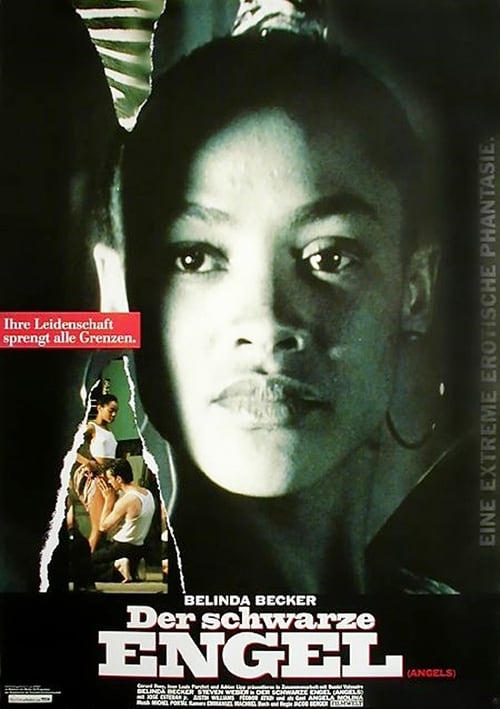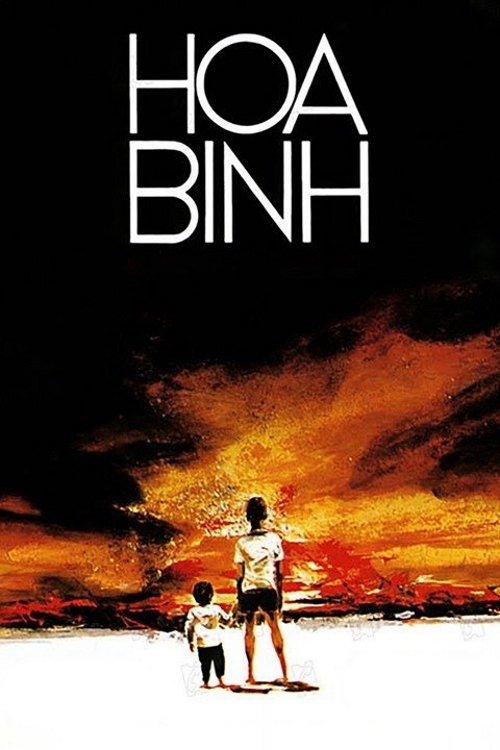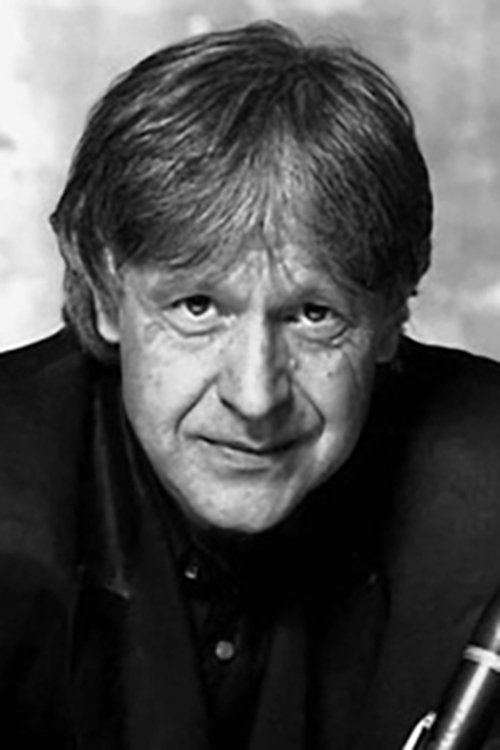
Michel Portal
Sound
Biography
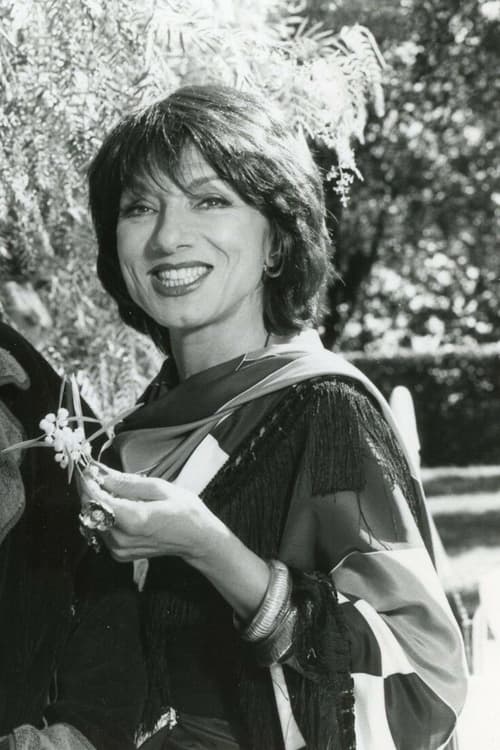
Michel Portal (born 27 November 1935) is a French composer, saxophonist, and clarinetist. He plays both jazz and classical music and is considered to be "one of the architects of modern European jazz". Portal was born in Bayonne on 27 November 1935. His family was musical and there were several instruments in his house when he was growing up. His interest in jazz began after hearing it on the radio after World War II. He studied clarinet at the Conservatoire de Paris and conducting with Pierre Dervaux. Portal "gained experience in light music with the bandleaders Henri Rossotti and (in Spain in 1958) Perez Prado, as well as with the drummer Benny Bennett (1960), Raymond Fonsèque (1963), Aimé Barelli, and, for many years, the singer Claude Nougaro". Portal co-founded the free improvisation group New Phonic Art. During 1969, Portal played on a recording of Karlheinz Stockhausen's Aus den sieben Tagen. Portal began scoring music for films in the 1980s. He has won the César Award for Best Music Written for a Film three times. Source: Article "Michel Portal" from Wikipedia in English, licensed under CC-BY-SA 3.0.
Known For

No description available.
Champs-Elysées

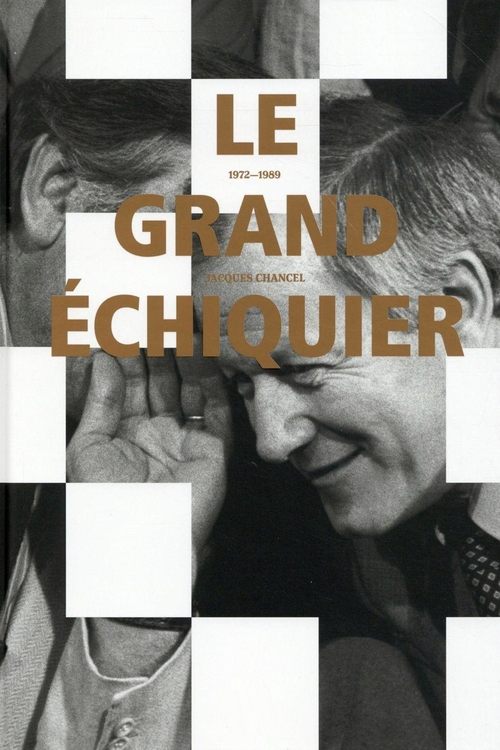
Le Grand Échiquier is a French variety television program created and presented by Jacques Chancel. It aired at 8:30 pm on the first channel of the ORTF from January 12, 1972 to July 12, 1972, then on the second color channel of the ORTF from September 1972 to December 1974, and finally on Antenne 2 from January 1975 to December 21, 1989. The program returned to France 2 on December 20, 2018 and is hosted by Anne-Sophie Lapix.
Le Grand Échiquier

An English novelist is lured, with disconcerting and disorienting results, into purchasing a crumbling mansion by what he imagines are the deliberately "literary" ploys of its housekeeper and two mysterious, lurking women.
Surreal Estate

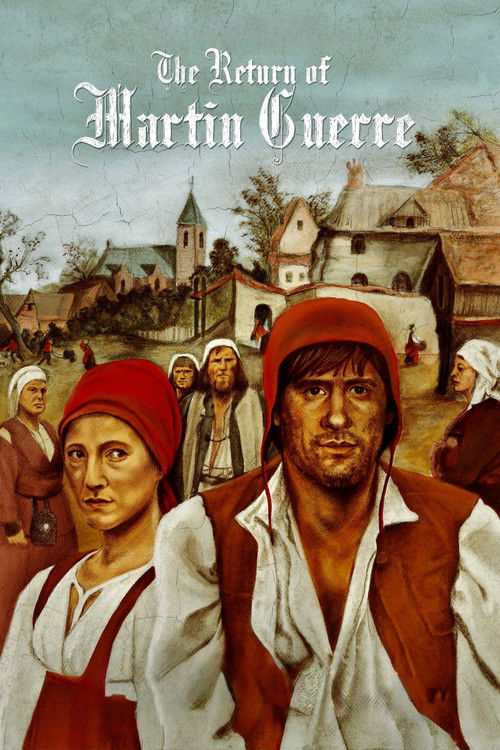
Village of Artigat, southern France, summer 1542, during the reign of Francis I. Martin Guerre and Bertrande de Rols marry. A few years later, accused of having committed a robbery, Martin suddenly disappears. When, almost a decade later, a man arrives in Artigat claiming to be Martin, the Guerre family recognizes him as such; but doubts soon arise about his true identity.
The Return of Martin Guerre

When the daughter of the miserly cooper Grandet is up for marriage, both families Des Grassins and Cruchot want to marry their sons to her and her substantial dowry. But the girl shows more interest in the impoverished cousin, whom she entrusts her entire fortune to.
Eugénie Grandet

During the 1960s, two American jazz musicians living in Paris meet and fall in love with two American tourist girls and must decide between music and love.
Paris Blues

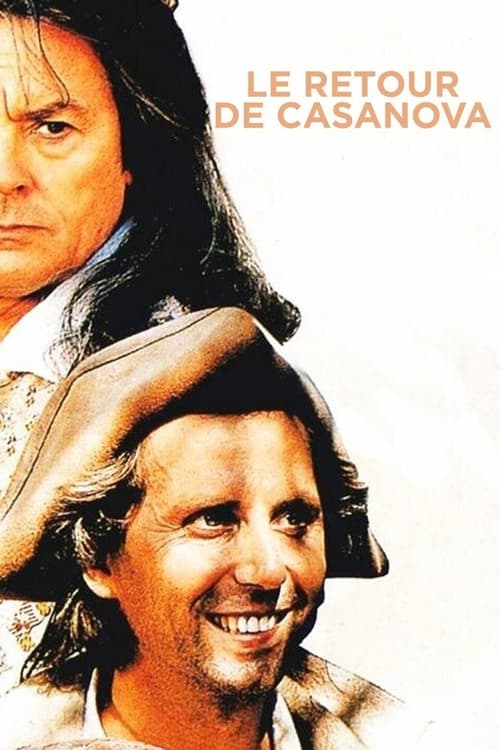
After many years of rambling across Europe the aging Giacomo Casanova is impoverished. He wants to return to the Republic of Venice but he doesn't dare going there directly because he was a fugitive when he left. While he tries to find a way to get a pardon he meets a young lady named Marcelina. The more he shows his affection, the more ostentatiously she rejects him. Even so he doesn't give up on her because her lover Lorenzo has grave gaming debts. In return for the required money Lorenzo tells Casanova about a looming secret rendezvous with Marcelina. Moreover he lets Casanova take his place. Undercover of the night Casanova finally seduces her. Lorenzo later feels his honor was besmirched and demands satisfaction. Casanova kills him in a duel and then goes home to Venice.
The Return of Casanova

After several inhabitants of a new city were bitten by dogs, a young doctor tries to put a stop to the climb of violence.
The Dogs

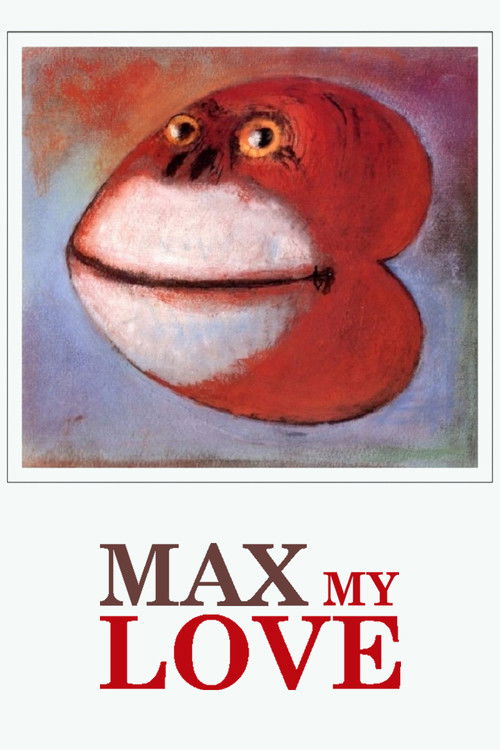
The wife of a British diplomat in Paris takes a chimpanzee as her lover.
Max My Love

"Droit de Réponse" (Right of Reply) is a French debate program broadcast between December 12, 1981 and September 19, 1987 on the TF1 channel, presented by Michel Polac and produced by Maurice Dugowson. Broadcast live on a weekly basis, on Saturdays from 8.30 p.m., the right of reply has been the source of many controversies, due to the various speakers who have come to present their point of view on the show (which leads to famous scandals , remained in the memory of viewers), but also for the variety and relevance of the topics covered, which ensured the success of the program on the air for several years. On French television, this program is considered by some observers as a “pioneer program in terms of controversy-show or clash, in modern language”.
Droit de Réponse

This deftly made French psychological thriller terrifies with its exploration of an experiment gone horribly wrong. Dr. Marc Lacroix, a psychiatrist specializing in brain functions, is obsessed with the link between mind and spirit. To find his link he studies the criminally insane. He builds a secret machine, known only to his mistress Marianne, in which he hopes to exchange minds between humans. He simultaneously wants to help the mentally ill recover, and he wants to experience their madness. He chooses the psychotic killer, Zyto, a man who stabbed at least three women, for his experiment. The initial experiment is successful and the two exchange minds. But trouble ensues when Zyto refuses to reverse the switch. There is little Marc can do when Zyto takes over Marc's life, and more ominously his wife and child whom are unknowingly in mortal danger. Marc, encased in Zyto's body, is returned to the asylum. Will Marc's wife recognize the danger? Will Zyto kill again?
The Machine

An old aristocrat, short of money, who does not accept the new world ruled by the bourgeois class ,epitomized by the industrialist and by the doctor who finally grabs the the aristocrat's castle which soon will be turned into a hospital.
1914 the Glorious Summer

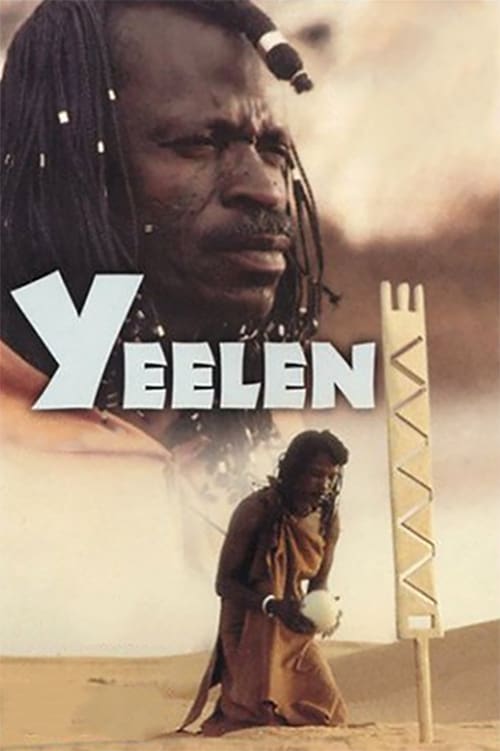
A young man with magical powers journeys to his uncle to request help in fighting his sorcerer father.
Yeelen

In Paris, unhappy movie actress Catherine Crachat becomes infatuated with the mathematician Pierre Indemini, but then breaks up with him. After a film shoot in Vienna, Catherine stays with a rich admirer, Fanny Hohenstein. Fanny has a history of many lovers of both sexes, two of whom killed themselves over her.
Adventure of Catherine C.

Jean Pierre, a young Parisian salesman, decides to go on vacation by hitchhiking at random. Taken as a jaguar by a rich man, he finds himself invited to his villa in Saint Tropez and discovers a luxurious, idle and decadent universe. A tasty TV movie, written and directed by Michel Polac, with a very young Fabrice Luchini.
Le Beau Monde

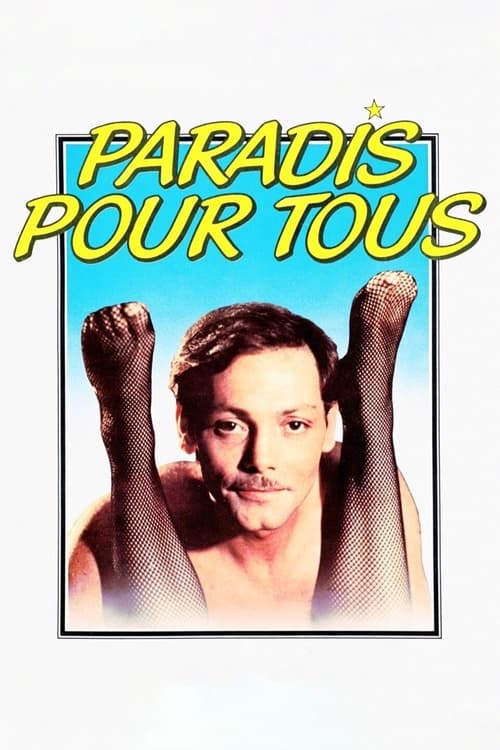
Doctor Valois has invented the "flashage", a cure for depressed people. After having tested it on monkeys, he tries with a first human patient, Alain Durieux. This is great success, everybody's happy except may be Alain's wife, Jeanne, who's worrying about the changes in Alain's personality. Other patients use the treatment with similar successes, and Valois's happy about it. But the monkeys are changing: non-cured ones are made mad by the over-stability and stereotyped behaviour of the cured ones. So are the humans. When Valois realises he can't stop the process, he decides to "flash" himself.
Paradise for All

On the basis of the hardy perennial "boss-assistant" relation, "The Mortal Fortune" depicts the passion of worldly existence. The anonymous hero of the story, to which the spectator is introduced, attempts at freeing himself from his enslaved life. He finally has to realize the transience of the creature man and whithdraws from the constraints of worldly existence.
The Mortal Fortune

When Catherine is caught with her illicit lover by her father-in-law Paul, the concerned father leaves to tell his son Thomas about the incident. Paul is injured in an auto accident and returns home in a wheelchair unable to speak. Catherine's guilt weighs heavily on her as she hopes to never let Thomas know she was unfaithful. She panics and seeks a way to eliminate Paul in this psychological thriller.
No Harm Intended
Behind the scenes of the theater, while the last performance has just ended, the comedian returns to his box.
The Comedian

At the end of the nineteenth century, Italian anarchists, ten men, one woman, libertarian, collectivist emigrate to Brazil to start a leaderless community, without hierarchy, without a boss without police, but not without conflict nor passion.