Writing
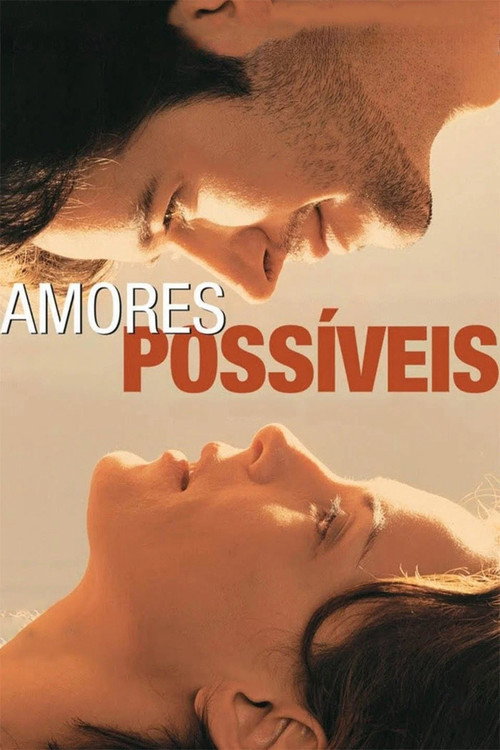
Fifteen year ago, Carlos went to the cinema to meet Júlia, his university colleague with whom he was in love. She never showed up. Carlos was left waiting in the lobby alone. While he waits, something happens which will change his life. A scene, an encounter, an unfinished sentence... Something insignificant, but which will determine the character's life. Fifteen years later, we follow three completely different versions of Carlos's life. In one, he is a man divided between the stability of a secure life in a lukewarm marriage, and the growing desire to live a great love affair. In the second, he is homosexual and places passion above all else. In the third possible life, Carlos is a man who hasn't yet discovered love, and lives through successive disastrous relationships in search of the perfect woman. One of them is his real life. Another is not his life. And a third is the life he'd like to lead. Which is his true life ?
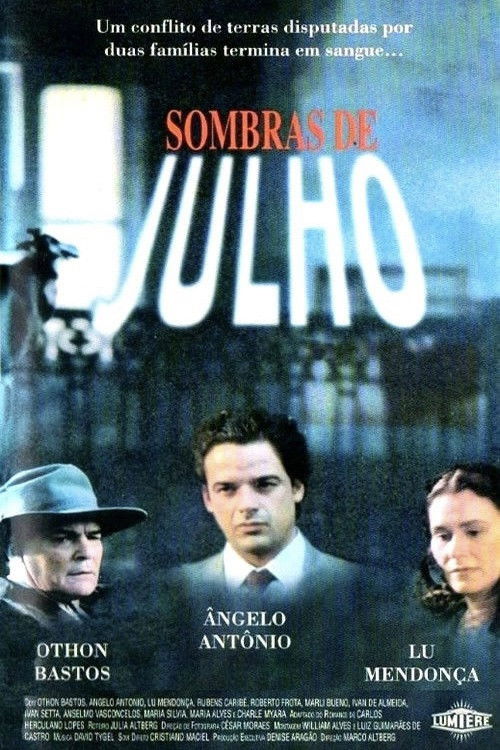
A tragedy happens when a cruel farmer forces his son to kill his best friend, son of a rival farmer's, in ambush. The crime brings about serious consequences for the two families, involved in a land dispute in Minas Gerais, a Brazilian state.
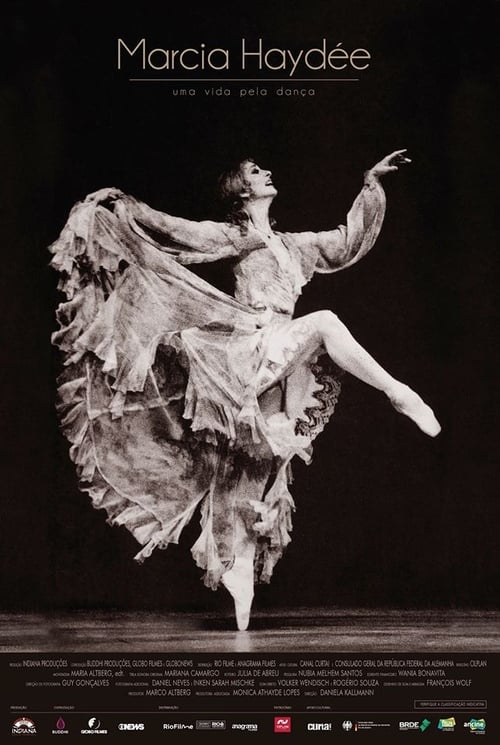
Márcia Haydée is a Brazilian dancer of worldwide consecration, known as the "Callas of dance", for her great interpretive power. In her career, she performed at the Ballet of the Marquis de Cuevas (FRA), but it was at the Stuttgart Ballet in Germany under the direction of John Cranko, who in the early 1960s she became the choreographer's muse and was revealed as a great performer and dancer. In the 1970s, after Cranko's death, Márcia took over the management of the company and stayed ahead for 20 years. She worked alongside big names such as Richard Cragun, Rudolf Nureyev, Jorge Donn, Maurice Bejárt, John Neumeier.
A documentary that chronologically traces the presence of women in Brazilian cinema.
Filmmaker Sandra Werneck interviews remarkable women such as Marieta Severo, Zezé Motta, Margareth Dalcolmo, Conceição Evaristo, Denise Werneck, and Iole de Freitas for a journey of shared experiences that challenge stereotypes of female aging. From work to love life, from health to sexuality, these women share their stories, reflections, and life lessons, offering inspiration and raising questions about what truly matters when one reaches maturity, while also highlighting the hardships and misfortunes of aging.
Ziraldo - Era uma vez um menino... is a self-portrait of the artist. The film follows Ziraldo's trajectory by means of statements and interviews he has given over more then forty years. His life and art history in his own words, voice and emotion.
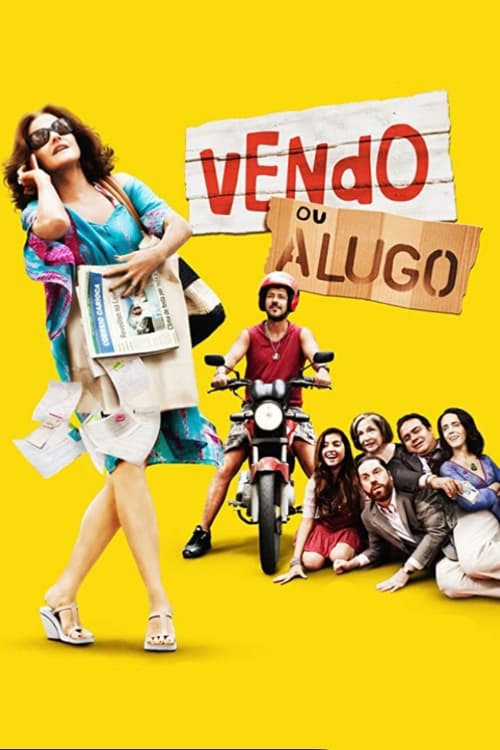
A once-rich family of women in Rio de Janeiro must sell their mansion in order to keep their high standard of living, but the proximity to the slums disrupts business.
No description available.
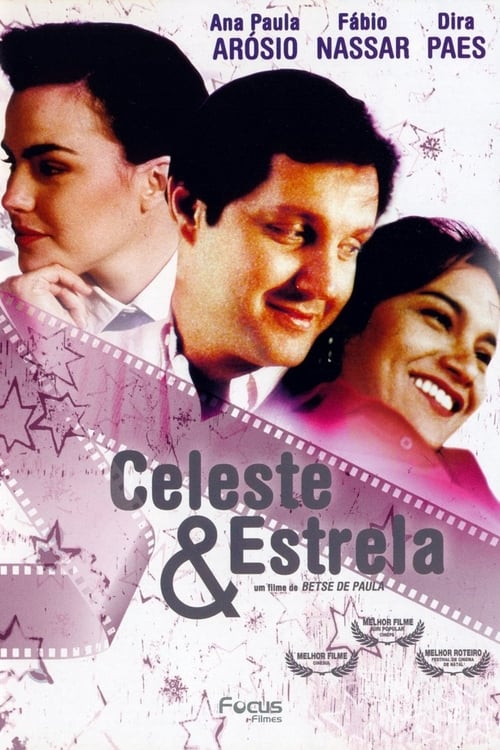
While waiting for her at the airport, a film critic recounts to a receptionist how he met his great love, Celeste.