Directing
Barbara Elese and Erik Negro return to the memory of the partisan struggle in Piedmont. Eighty years after Liberation, and ten years after our first cinematic exploration of this distillation of memory, materials, testimonies and stills from the resistance experience remain.
"For months we experimented and represented ourselves, starting with simple walks in search of material for a thesis. How can we visually recreate a memory? We walked and filmed, photographed and painted, got to know each other and told our stories. An experience transformed into a story that speaks of a shared journey, made up of filming, changes of season, conversations about the moon, and exchanges of techniques. Inspired by “Dark Side of the Moon,” we tried to represent the intimate and personal emotions that came to us through the album. Each song has a language, each movement a color, each sound an expression. What remains today, half a century later? Something inexplicable, perhaps. A wonderful creation of friendship and mutual artistic esteem, the (re)creation of multiple memories, which overlap like membranes on the screen. - Erik Negro
No description available.
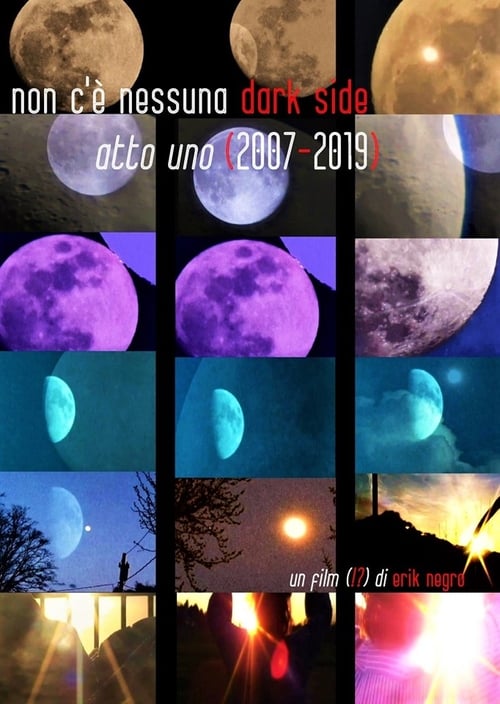
The maker writes of Non c'è nessuna Dark Side: "I could never say it's a film of mine (maybe not even a film); it's a space of chaos torn from the duration, from our being here to our fear of oblivion." Erik Negro's project started in 2007 as a kind of machine to stop time. What the machine has produced are unstable fragments as the interim phase of a historical and personal process of solidification. Out of the chaos of existence, this UFO has emerged, twelve years later. During this period, cinema and music offered some footholds for a boy from the Italian provinces who had just finished secondary school and was open to life (which among other things regularly brought him to the Rotterdam and Berlin film festivals). The footage was shot (and edited) a long time ago now, back when the film still had a form fixed in advance – over the years, this has been lost.
‘A summer afternoon in the hills, three young men and an old tape recorder. Distant, unrecognisable sounds, shadowy presences and frequency modulations. Human words, sounds of the cosmos, notes of freshness. What remains of our passing? A trail of colour, perhaps, a glimpse of night, a stream of dreams’ (Erik Negro).
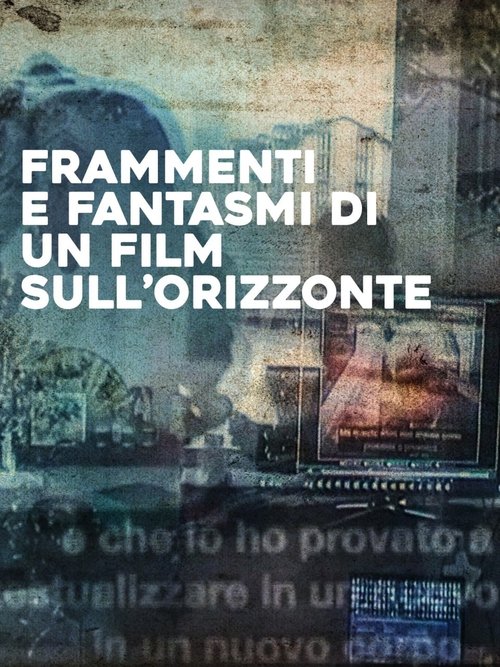
A chat about time between fraternal friends who time has led to have less time to share, around a film about a memory that is already a memory, facing a creative obstacle that becomes the creation of a new space; the attempt to make an impossible work visible, together with splinters of places, flashes of the universe and fragments of lives. The spectre of a colossal film reduced to a handful of confetti thrown towards your eyes with the candid spirit of two children make believing filmmaking at Christmas.
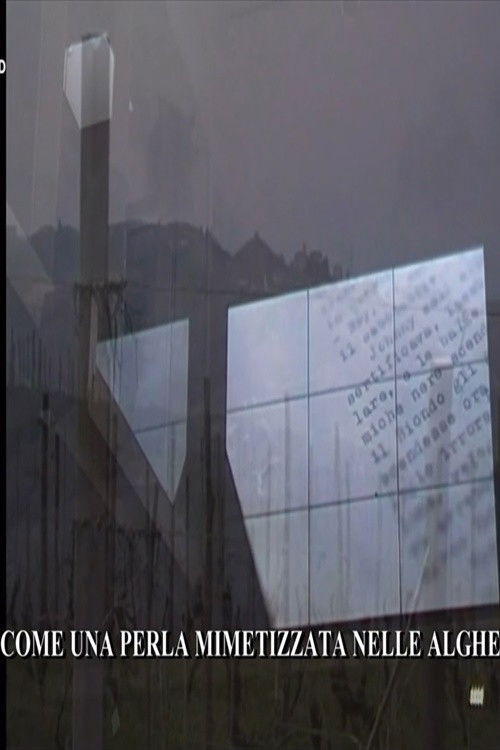
A film dedicated to Beppe Fenoglio, to the places of his life and works. The story in images of the journey of two boys, in four seasons through a unique space in search of a soul. Dealing with the Fenoglio 'material' leads one to constantly work on a very subtle limit that rises from the particular to the universal.