Art
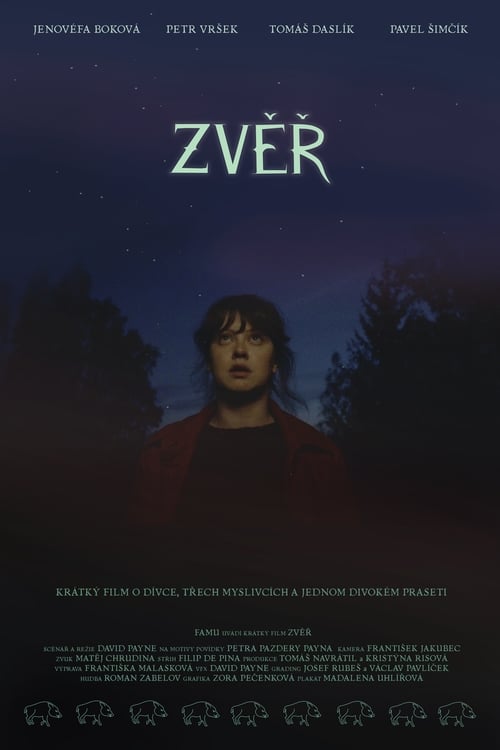
Jane is about to have a beautiful weekend in the mountains with her boyfriend – at least, that’s what she thinks. But instead of her boyfriend, three uninvited guests show up at her doorstep, and they’re not going away. It’s getting dark, a contest begins, and Jane happens to be the grand prize. There’s only one person who can help her.
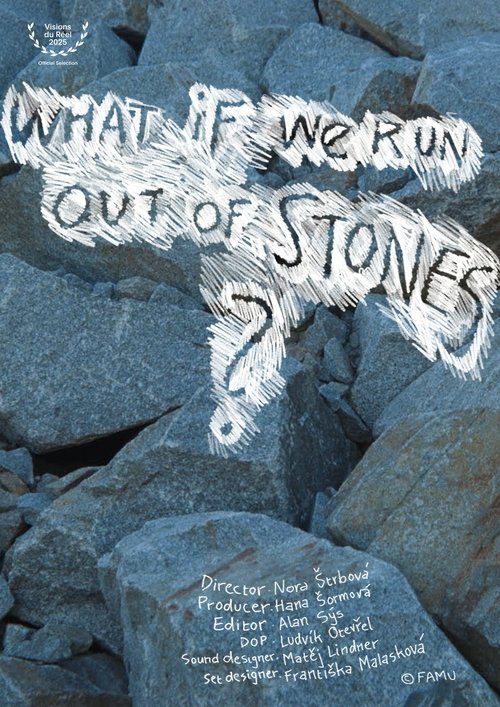
At first glance, what could be more inanimate – and therefore anti-cinematic – than the mineral kingdom? Nora Štrbová challenges this declaration, turning it on its head and making stones into a highly kinetic subject. In this humorous essay film shot in 35 mm, stones are finally given a voice as they observe us, judge us and, above all… put up with us.
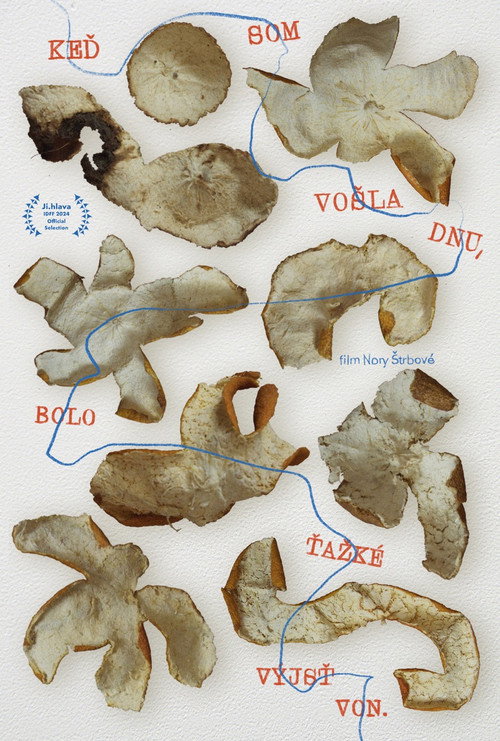
Ida is cleaning out the house that her grandfather, an artist, used to live in. She wades through a studio overflowing with artefacts, oddities and lost history. Similarly to S P A C E S, Štrbová treats the theme of memory and loss, combining fiction and documentary, letting the images of nostalgic childhood and the suffocating past flow associatively. To the sound of Francesco Geminiani's Concerto grosso no. 12, subtitled Madness, the fragile physicality of both dead and living relics stands out. The head of a dead parrot, a cast of her grandmother's breasts or a moss-covered real estate agent represent the discoveries of a personal archaeological site and exhibits of an introspective museum of family history.
The eponymous debt collection call center’s marketing slogan is taken to its extreme, depersonalized operators are roused from their lethargy by unbridled laughter. Not mockery, but pure, contagious laughter at the tragicomedy of trapped debtors, its echo tearing apart the operator’s apathy and the walls of the claustrophobic open-plan office.
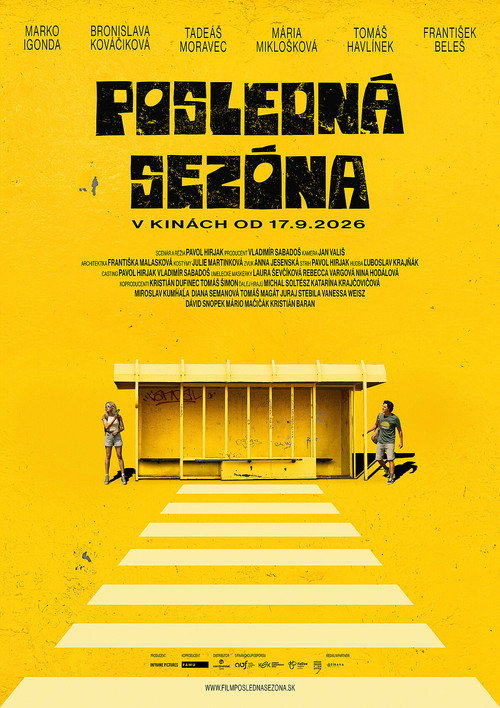
Alan, a promising boxer, spends a lonely summer traveling with his family’s carnival. Trapped among the flashing lights of the carnival rides, he dreams of a life that would bring him more freedom and recognition. When he meets lifeguard Viki during his last summer shift at the lake, an unexpected bond forms between them that helps them both find the courage to set out in a new direction. After failing her college entrance exams, Viki is coming to terms with her disappointment and searching for her own path. The summer at Zemplínska Šírava gives her the space to defy the expectations of those around her, leave the past behind, and start believing in herself.