Camera
Photographer, cinematographer and art director born in Leuven, Belgium, 1972.
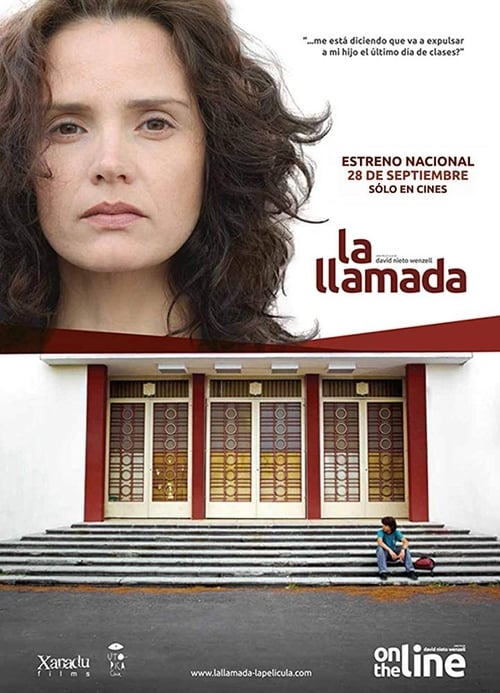
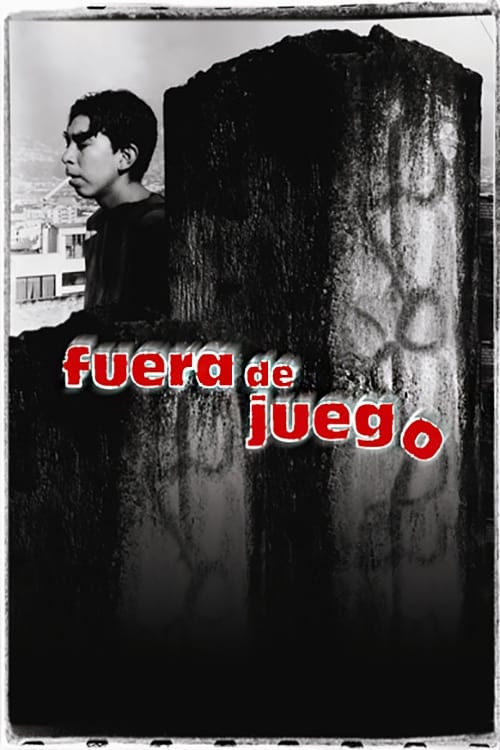
Aurora, a divorced woman, receives a call from her 14 year old son's principal to let her know that he is being expelled on the last day of class. In an attempt to reach her son, she fights to fulfill her duties as a publicist, daughter, sister, and single mother. Meanwhile, her son deals with the insecurities of growing up. A chaotic city and an outdated education system trap mother and son in an increasingly impersonal world.
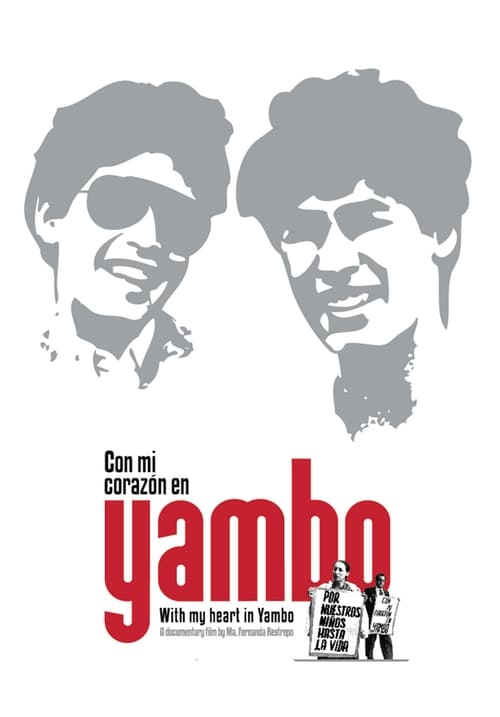
Filmmaker María Fernanda Restrepo reconstructs events that led to her older brothers' murders at the hands of Ecuadorian police.
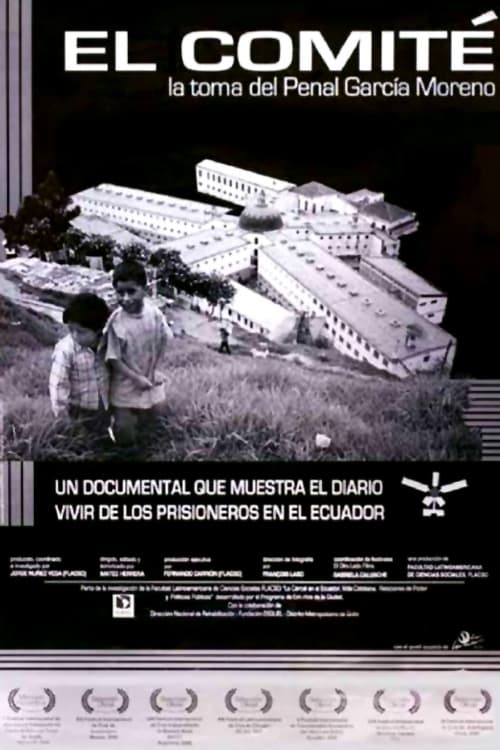
A documentary chronicle of the prisoners’ takeover of the Garcia Moreno Penitentiary in Quito, Ecuador. The prisoners find they suddenly have a voice after they take 360 people hostage, and a pattern of abuse and corruption by the guards toward the prisoners becomes clear after lengthy negotiations.
Elena comes back to Ecuador to help her father overcome his illness. She spends most of her time between drugs and alcohol. While visiting her grandpa in the Andes Elena gets involved in the fight for water access in an indigenous community. She gradually understands that among family secrets, corruption and dark perversions commitment and beauty can emerge.
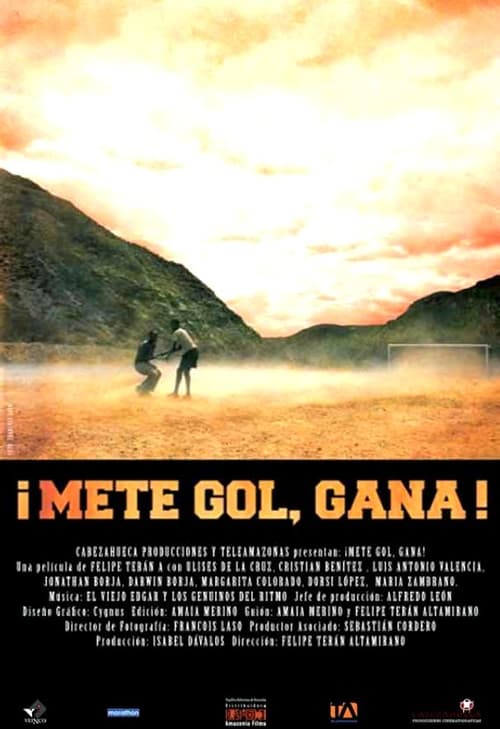
Jonathan and Romario are two Afro-Ecuadorian children from the Chota Valley, one of the poorest regions of Ecuador. Their fate can be one of two: to become world-class footballers like Ulises de la Cruz, Chucho Benitez and Antonio Valencia, or farmers like Darwin. This documentary reveals the lack of opportunities, discrimination, and economic and social segregation that black communities face in Ecuador.
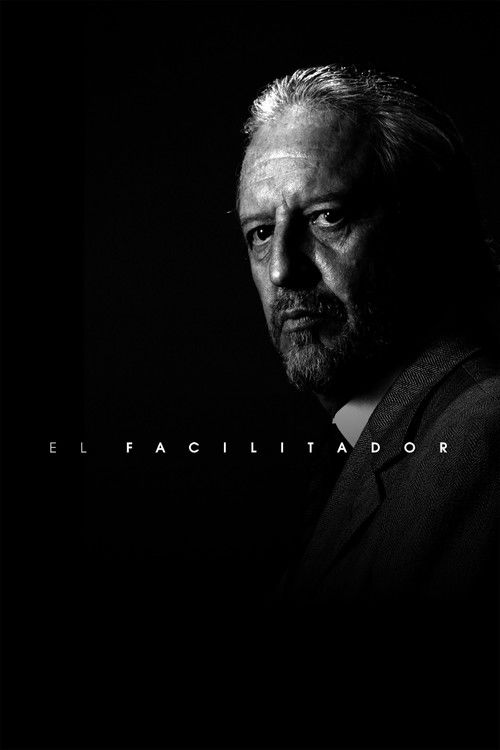
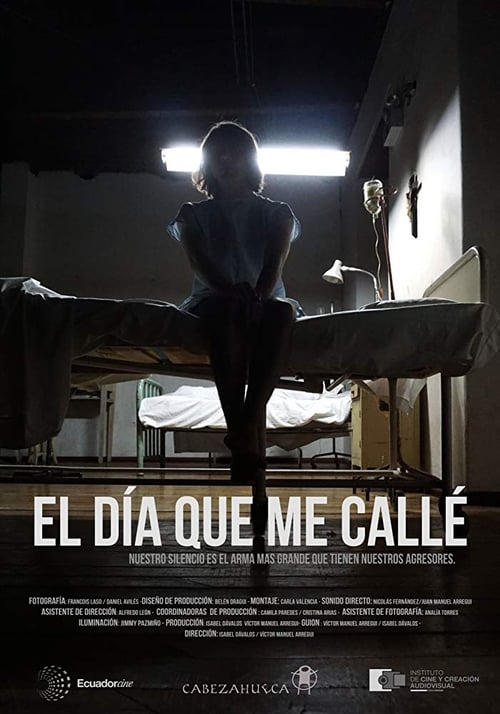
Victor was victim of a violent attack during the government of León Febres Cordero in 1987. More than 30 years later, he decides to free himself from the weight of the secrets and ghosts that has carried for many years and speak out.
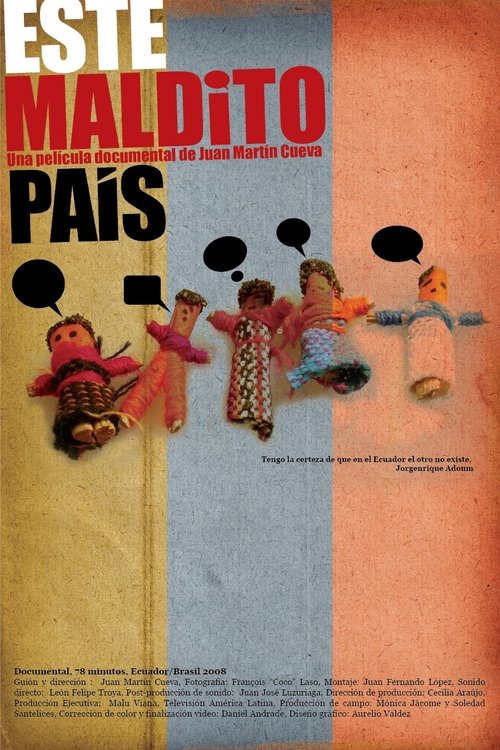
With intertwined life stories, this film starts from the questions: Is Ecuadorian society essentially mestizo? What is a mongrel? This documentary aims to bring to the fore issues that have been poorly resolved both in the way in which Ecuador defines itself as a country, and in the subjectivity of its inhabitants.
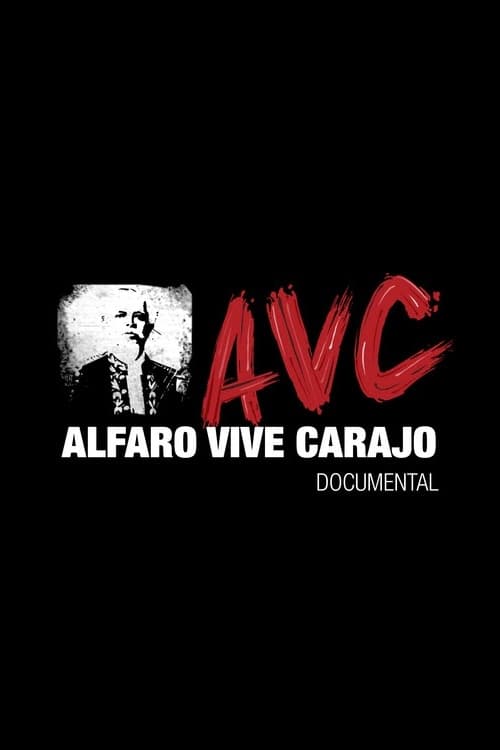
During the 80´s the left wing movement Alfaro Vive Carajo operated in Ecuador. The traits of this aggrupation were: critique to the orthodox political thinking, frantic growth of the organization, spectacular and clever actions, and the devastating way that the government fought them. A quarter of century later, the survivors tale the story that was hidden and disguised.
Series of testimonies and stories from various characters of this era, confronting them with the legacy of the revolutionary leader and President of Ecuador, Eloy Alfaro. It doesn't approach the subject from a historical perspective but rather a social one, aiming to showcase the different facets of the country today.
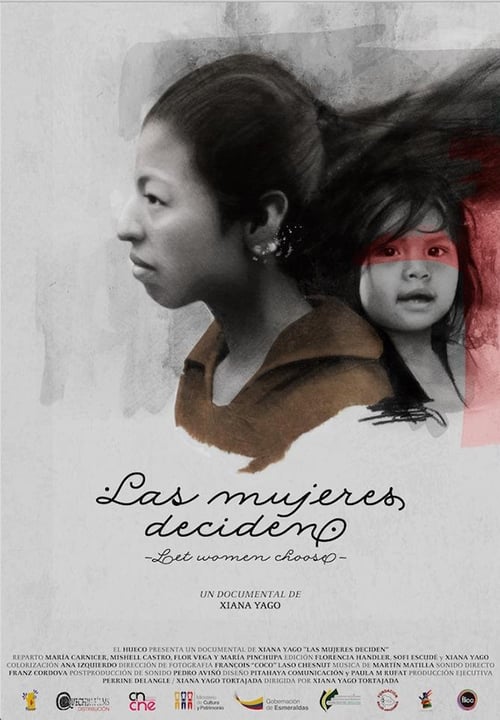
Maria, a young Spanish doctor, works in a maternity hospital in the Ecuadorian rain forest. She is shocked about the premature pregnancies and the violence women in Ecuador have to face. She meets Mishell, an adolescent abused by her father, and Yanina, a woman who decides to perform a clandestine abortion. Maria discovers that behind unintended pregnancies often hides sexual violence.
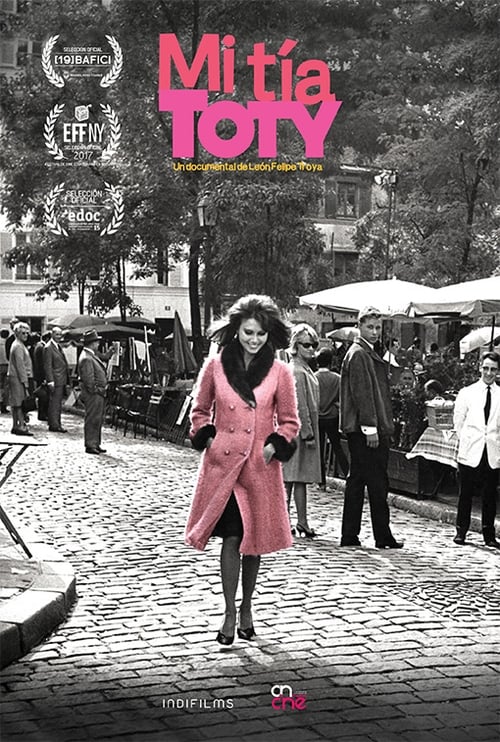
A look at the life of Toty Rodríguez: An actress who made her career in France during the 60s, a well-known Diva in Ecuador as well as an icon of the women rights. She returns to Paris with her nephew to revisit her past in a town that changed her life.
Juan dreams to escape from his country and its problems.