Maria Tereza Urias
Production
Known For

After being released from a juvenile detention center, Wellington finds himself alone and adrift on the streets of São Paulo, without any contact from his parents and lacking the resources to rebuild his life. During a visit to a porn theater, he encounters Ronaldo, a mature man, who teaches him new ways of surviving. Gradually, their relationship turns into a conflicting passion, oscillating between exploitation and protection, jealousy and complicity.
Baby

Basketball gave teenager Tamiris the chance to study at a private school. There, she began to divide herself between training and theater classes. For the first time in contact with making art, Tamiris discovers other ways to release the energies of her teenage body, until she is abused during a class.
Quinze Quase Dezesseis
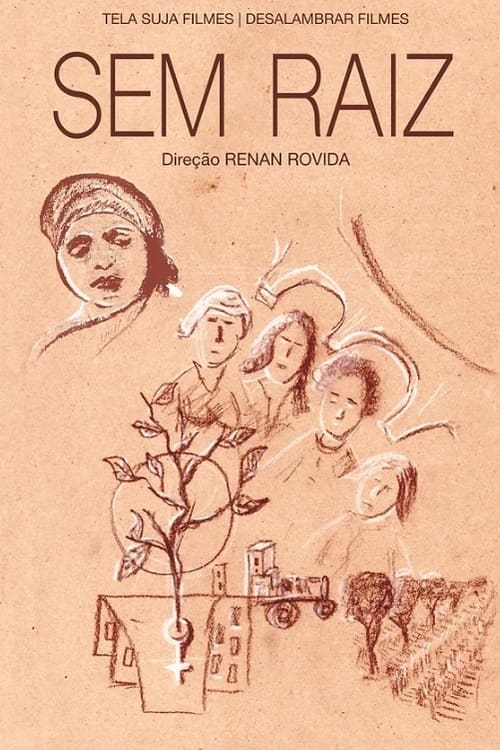
Four city workers in their daily important relationships. A worker in the field of the Landless Rural Workers Movement. Poetry plucked like weed from the soil of our time.
Sem Raiz
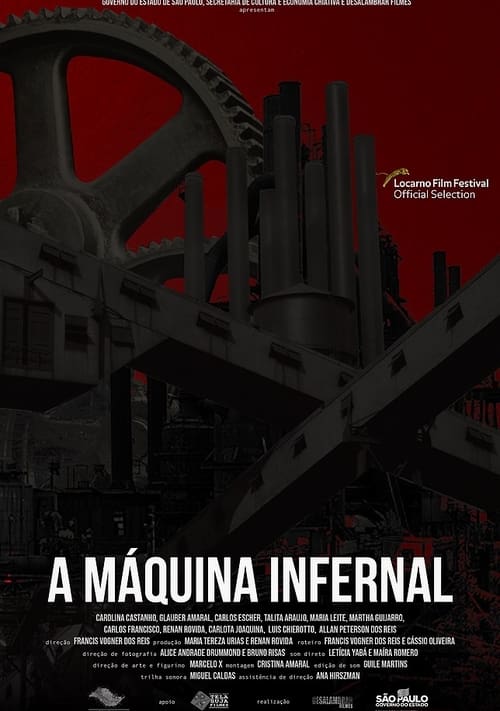
A tale about the apocalypse of the working class.
The Infernal Machine

Hunted by repression, Rúbia is taken in by Margô, the madam of a brothel in Ceilândia: La Toca, a refuge for the women who live there and the men who frequent it. This feminist fable celebrates the pleasure of bodies and the senses as a form of resistance.
You Know Me, Now Forget It.

Dispossessed in an essay about the daily bread. In a country like Brasil, of such abyssal social inequality as there is here, it's urgent for me in cinema to talk about the class to which I belong, the class-who-lives-on-labor. And, alongside that, about the labor relations, the survival, the unemployment, the increasingly impoverished life, the small popular uprisings and the confrontations with the non natural order of things. In "Bread and People", we deal with ruins. And in the struggle of the old against the new, we face mainly the ruin of an idea of progress, and the debris of a critical anti capitalist art today. We've deepened our investigation of an epic, historical and dialectical cinema, using the materials of inspiration themselves.
Bread and People

No description available.