Sound
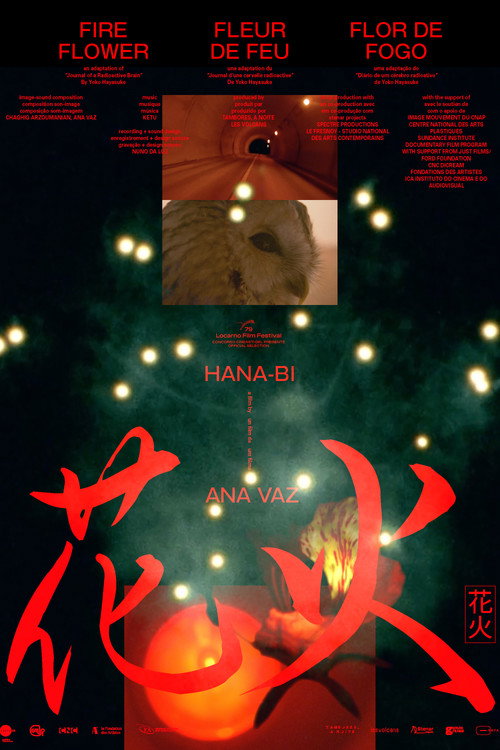
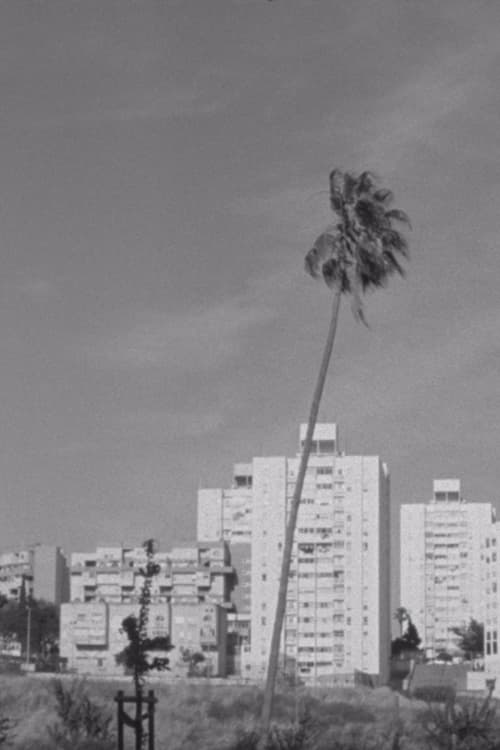
Yoko Hayasuke's journal is set in the wake of the tsunami and nuclear disaster after the Tōhoku earthquake. Something happened yet life goes on: Tokyo continues to expand, new soil replaces irradiated land.
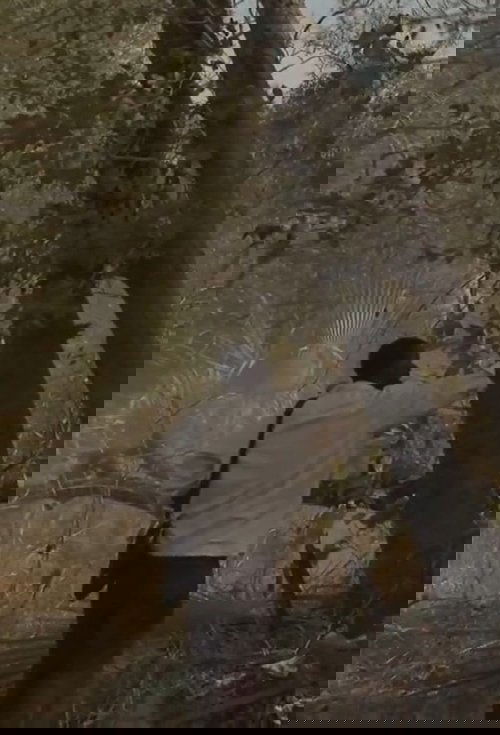
Filipa César, in her films and installations, explores the post-colonial constellations that were spawned by the recent history of Portugal. Since 2011, her research is focused on the film production in Guinea-Bissau, the beginnings of which were closely linked to the struggle for liberation. In February 2014, in Birbam, about three hours north of the capital Bissau, for the period of three weeks she has been documenting, together with the filmmaker Suleimane Biai, the construction of a house that will serve the surrounding villages as a meeting space. Alongside his work as a filmmaker, Suleimane Biai is the régulo in this region and hence has assumed the duties of the head and conciliator of the community.
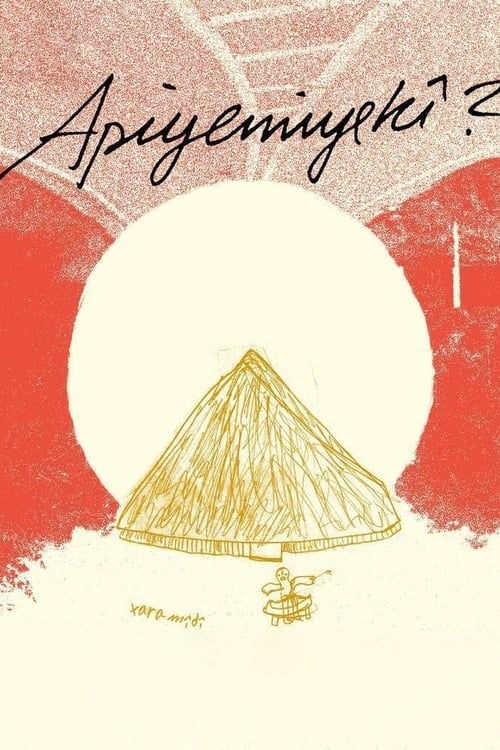
Apiyemiyekî? addresses the genocide of the Waimiri-Atroari people in 1970s, when during the Brazilian dictatorship indigenous lands in the mid-west were invaded for the construction of the national road BR-174 and the installation of a mining company. Illustrations about the period, created by the indigenous population, including children, reveal a traumatic history, referring us to the present day.
No description available.
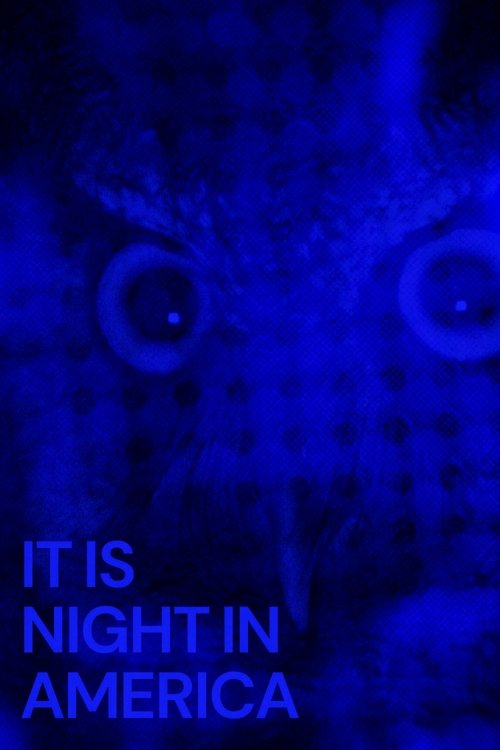
In Brasília, the modern capital of Brazil, an anteater is found dead by the side of a road, a boa constrictor wanders across the suburbs, and foxes prowl vacant streets. Meanwhile, in the city zoo—home to hundreds of displaced and rescued wild species—the animals look back at us humans.
Taking its title from the poem by Wallace Stevens, the film is composed of a series of attempts at looking and being looked at. Beginning as a city state commission under the name and attitude of “Unschool”, the film became a kaleidoscope of the experiences, questions and wonders of a couple of high school students after a year of experiences with filmmaker Ana Vaz questioning what cinema can be. Here, the camera becomes an instrument of inquiry, a pencil, a song.
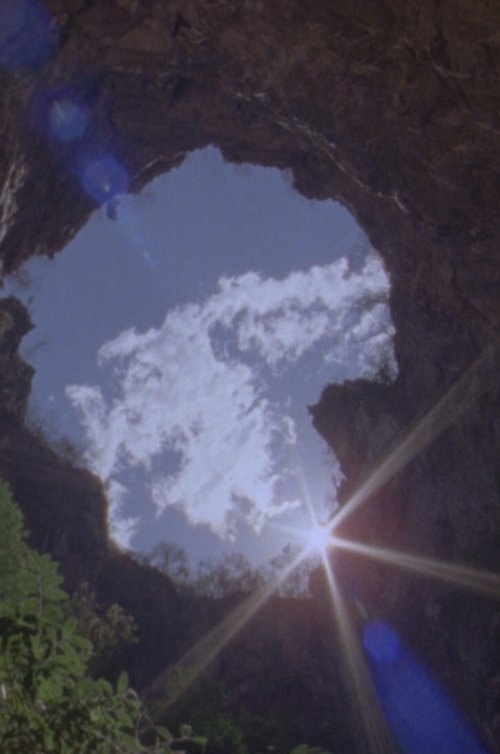
“Look closely at the mountains!”: the phrase was coined by artist Manfredo de Souzanetto during Brazil’s years of dictatorhsip. Mining activities were destroying the environment in the state of Minas Gerais in the south west of the country. Through editing, Ana Vaz draws parallels between this region and the very distant Nord-Pas-de-Calais in northern France, also marked by over three centuries of mining. On one side, eroded mountains plague its inhabitants with deadly landslides. Hollow and gutted, these mountains become the receptacles of a ghostly memory. On the other side, in France, mining waste stacks become mountains and reservoirs of biodiversity, where the frontier between nature and technology is now indiscernible.
Set in a present-future, YWY, an indigenous android, talks with a GMO corn crop in the agricultural interior of Brazil. In a moment of intimacy, the woman, whom we come to understand is a field worker, and the plants talk about bodily rights, infertility, labor, and monocrops. As a human, the spectator is unable to hear the voice of the corn plants, perceiving the dialogue as a weird monologue. The film’s script is inspired by the writing of Brazilian author João Guimarães Rosa, in which dialogues are often expressed through the voice of a single person rather than two or more.
Shot in inner Rio Grande do Sul, Brazil, in a landscape transformed by the monoculture agriculture of mostly transgenic soy, maize, and sugar cane, the film follows the process of transforming soy crops into biodiesel, from the moment of harvest to the workflow of one of the main biodiesel processing factories in the region. A series of notes and reflections taken by the author are overlaid on the moving images. They ask: What kind of life lies in transgenic seeds? And what does it mean to live with the enemy?
For Dreaming the Dark: hands that see, eyes that touch, Ana Vaz invited artists and filmmakers whose work trust cinema’s capacity to transform relationships between the body and the camera to propose works that will engage with both perception and embodiment. Could cinema be an art of embodiment? By what rituals and actions could vision become tactile?