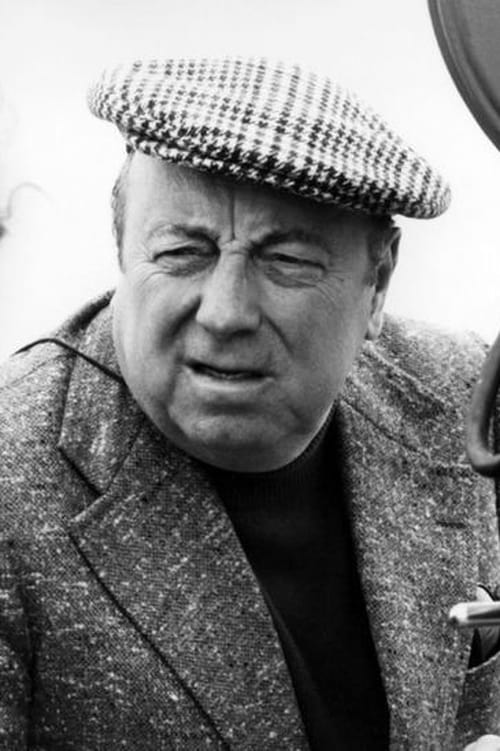
Marcel Carné
Directing
Biography
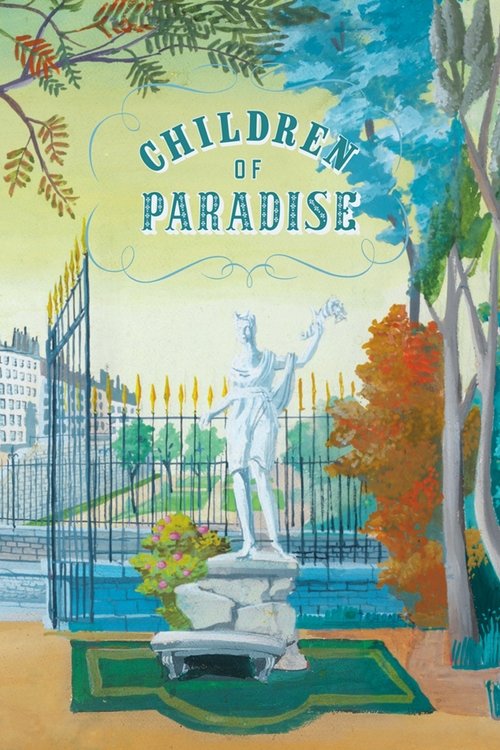
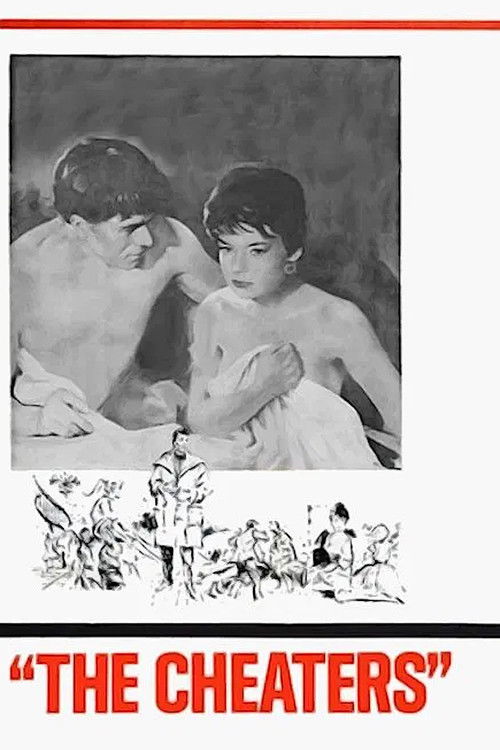
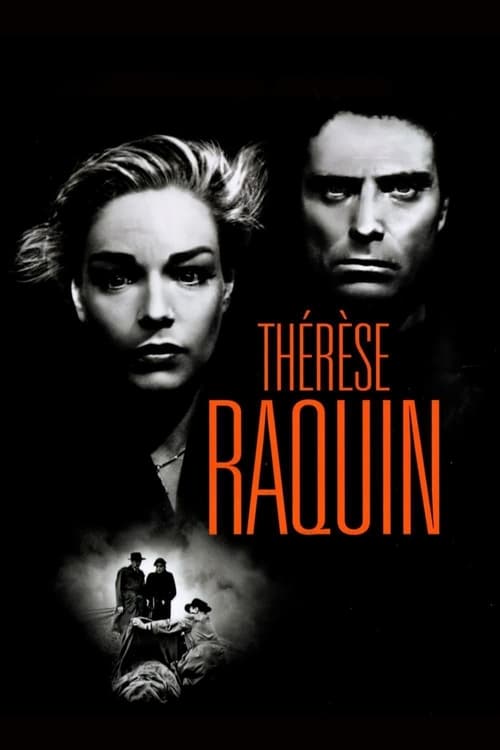
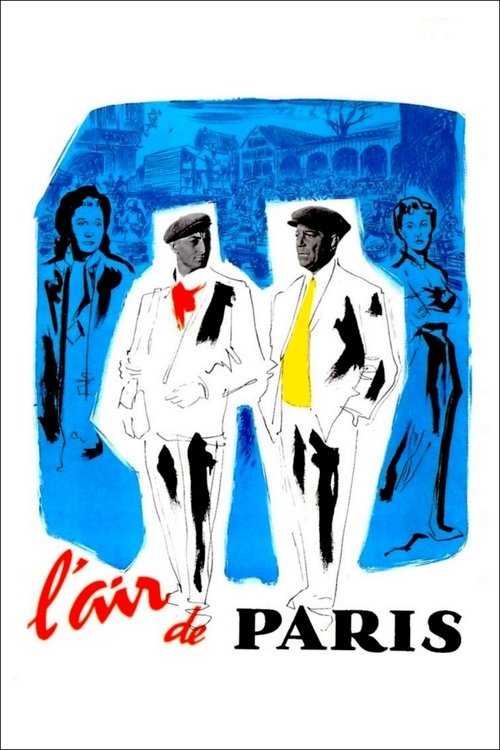
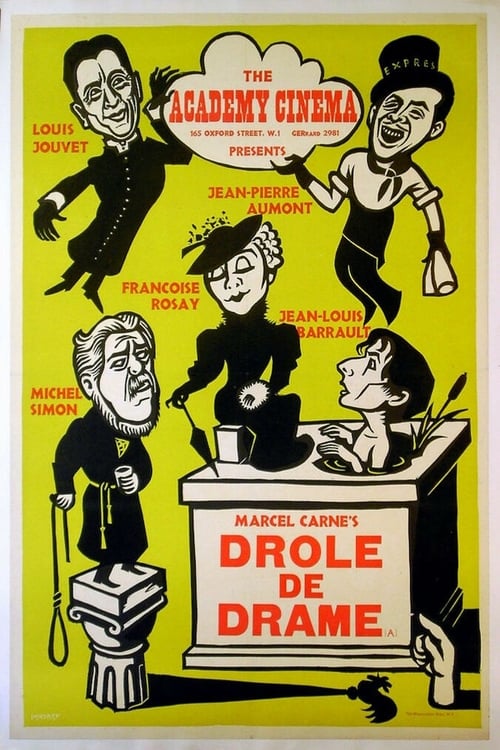
Born in Paris, France, the son of a cabinet maker whose wife died when their son was five, Marcel Carné began his career as a film critic, becoming editor of the weekly publication, Hebdo-Films, and working for Cinémagazine and Cinémonde between 1929 and 1933. In the same period he worked in silent film as a camera assistant with director Jacques Feyder. By age 25, Carné had already directed his first short film, Nogent, Eldorado du dimanche (1929). He assisted Feyder (and René Clair) on several films through to La kermesse héroïque (1935). Feyder accepted an invitation to work in England for Alexander Korda, for whom he made Knight Without Armour (1937), but made it possible for Carné to take over his project, Jenny (1936), as its director. The film marked the beginning of a successful collaboration with surrealist poet and screenwriter Jacques Prévert. This collaborative relationship lasted for more than a dozen years, during which Carné and Prévert created their best remembered films. Together, they were involved in the poetic realism film movement of fatalistic tragedies. Under the German occupation of France during World War II, Carné worked in the Vichy zone where he subverted the regime's attempts to control art; several of his team were Jewish, including Joseph Kosma and set designer Alexandre Trauner. Under difficult conditions they made Carné's most highly regarded film Les Enfants du paradis (Children of Paradise, 1945) released after the Liberation of France. In the late 1990s, the film was voted "Best French Film of the Century" in a poll of 600 French critics and professionals. Post war, he and Prévert followed this triumph with what at the time was the most expensive production ever undertaken in the history of French film. But the result, titled Les Portes de la nuit, was panned by the critics and a box office failure and was their last completed film. By the 1950s, Carné's reputation was in eclipse. The critics of Cahiers du Cinema, who became the film makers of the New Wave, dismissed him and placed his film's merits solely with Prevert. Other than his 1958 hit Les Tricheurs, Carné's postwar films met with only uneven success and many were greeted by an almost unrelenting negative criticism from the press and within members of the film industry. In 1958, Carné was the Head of the Jury at the 6th Berlin International Film Festival. Carné made his last film in 1976. Carné was gay and made little secret about it. Several of his later films contain references to male homosexuality or bisexuality. His one-time partner was Roland Lesaffre who appeared in many of his films. In 1989 a book was published by Edward Baron Turk as part of the Harvard Film Studies that told his story under the title Child of Paradise: Marcel Carné and the Golden Age of French Cinema. Marcel Carné died in 1996 in Clamart, Hauts-de-Seine, and was buried in the Cimetière Saint-Vincent in Montmartre. Description above from the Wikipedia article Marcel Carné, licensed under CC-BY-SA, full list of contributors on Wikipedia.