Petna Ndaliko Katondolo
Directing
Known For
A film about the gift of re-membering what was dis-membered by the colonial project. Dreamscapes, ritualised practices of sharing and ancestral rhythms render visible the previously invisible lines that once held communities and ecosystems in sacred balance.
Yurugu - Invisible Lines
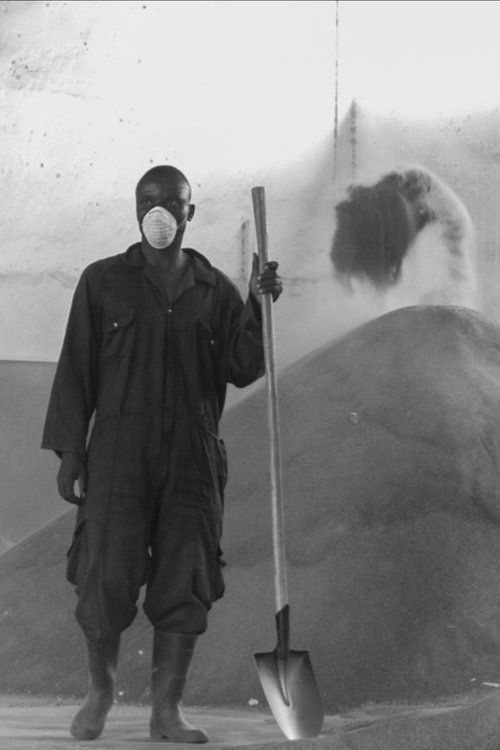
In the claustrophobic depths of the Mutoshi mine in Katanga (DRC), Ndjimu follows The Rememberers – a community labouring in unsafe and brutal conditions to extract coveted minerals from the ancestral soils to feed global tech empires, to their own detriment.
Deep Cobalt
No description available.
Kapita
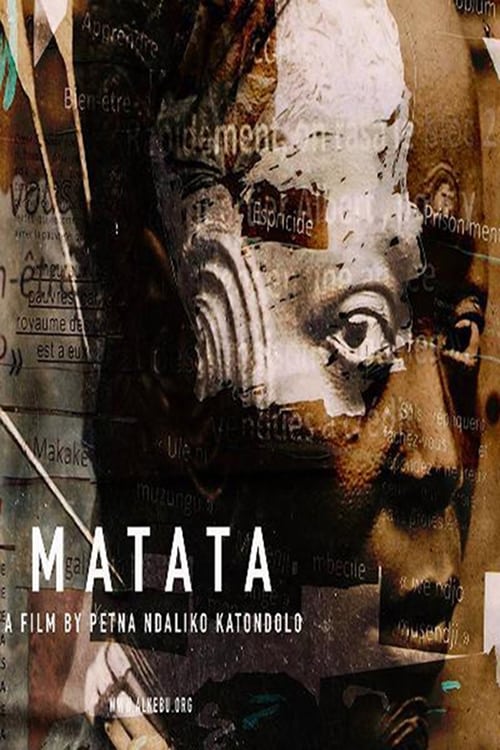
The film follows a female protagonist who sits for a posed photography session. The session takes an unexpected turn, spiraling into a series of dance-inspired dreamscapes, blurring projections of the mind with historical fragments and the external, waking world.
Matata
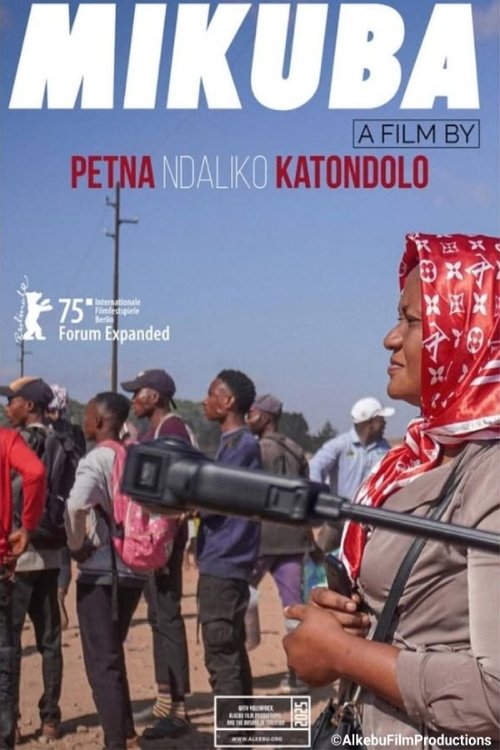
Mikuba takes us to the cobalt veins of Kolwezi, where the battle for a green energy future is fought in dust and heat. As Mama Leonece navigates the labyrinth of multinational giants, she faces a harsh reality that guides her towards ancestral wisdom.
Cobalt
A poetic celebration of the role and place of the Calabash in African societies. At the same time - using the calabash as a metaphor for African film - it questions yesterday's African cinema and critically addresses the cinema of tomorrow: will it be able to break away from clichés and prejudices? This film is an appeal for a critical fusion of tradition and innovation, past and future. (africine.org)
Lamokowang
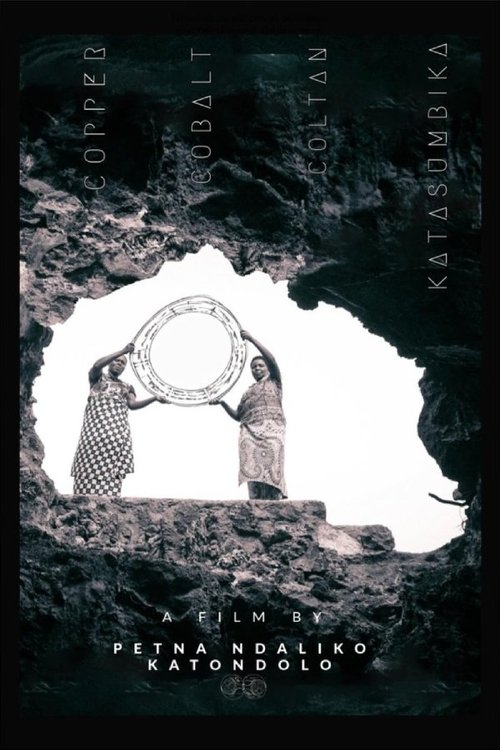
Based on the contemporary exploitation of coltan, a strategic mineral, in the Democratic Republic of the Congo, a testimonial and reflexive weaving between the archives of the colonial past and the present of its consequences and resurgences.
Coltan

Two young Congolese filmmakers are surprised by the enthusiastic reception of Stop Filming Us, a Dutch film shot in Goma by Joris Postema in 2019. That film enters into dialogue with local image makers to ask whether a western perspective on the Congo can do justice to reality, but in the view of those makers themselves, it conversely illustrates the problem perfectly: this production's perspective also distorts impressions of Congolese reality. In answer to their critique, the Dutch producer made the raw footage available to them so they could edit it into their own film. But can the images – without context – really tell their story?
Kumbuka
"The rape of the land, the mutilation of the flesh." La femme Congolaise - courageous and industrious despite the vicissitudes and the turbulence of life. She continues to fight for herself, taking on professions previously reserved for men. More often than not she must pay her children's school fees and compensate for her husband who is either underpaid, unemployed, or absent. She sells kikwembe at Zando market; she is an engineer repairing electronics on the corner of the street, she is a designer, a stylist, minister, or teacher. Demonstrating their incredible strength and their faith in their ability to continue their own advancement, these women stand strong in their communities even as they denounce the rape and the violence they experience. "Both earth and mother, she is the foundation, like Kinshasa herself, scorned and beloved."