Tony Labat
Directing
Known For

The Surrealist, "Exquisite Corpse" was a French Café parlor game. "Exquisite Moving Corpse" is more of an artist chain letter. 60 artists participated over a two-year period, beginning in March 2020. Each invited artist made a one minute video in response to the last frame of the previous minute.
Exquisite Moving Corpse
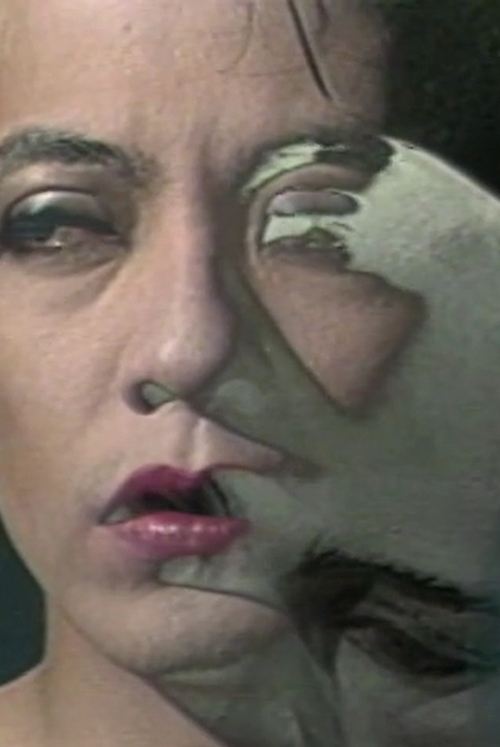
Artifice and reality, identity and disguise, representation and transformation are woven through a powerful pastiche of theatrical performance, mass cultural appropriation and fragmented narrative. Deconstructing an episode of TV's Miami Vice that features crude representations of Latino drug dealers, Labat constructs a multilayered psychological drama of converging realities. In a studio (the space between "cut" and "action"), artists Tony Oursler and Winston Tong provide commentary. Playing out a tragic drama with dolls, Tong also tapes his eyelids down and applies make-up, transforming himself from Asian to Caucasian, male to female. In a final confrontation of identity, Tong steps through the enlarged television image, devoid of masks or make-up.
Mayami: Between Cut and Action
In a powerful collusion of traditional and pop cultural mythologies, Labat confronts his Cuban heritage and identity, and critiques the representation of this culture by the mass media. Donning theatrical face-paint and a wig, Labat transforms himself into an icon of Babalu, the Afro-Cuban folk god. His use of Babalu as a cultural metaphor is steeped in irony; to millions of Americans, Babalu is the theme song of Cuban bandleader Ricky Ricardo on TV's I Love Lucy. In other sequences, Labat deconstructs the stereotypical gestures and objects — macho posturing, jai alai, maracas — that are used by the media to signify "Latin culture."
Babalu
Tony Labat emerged in 1977 with the remarkable series Solo Flight in which the artist’s identity is given sudden form through subtle ethnic gestures.