Production
When her husband Ted is put in jail Bibi suddenly needs to provide for herself and decides to contact fortune teller Madame Jeanette.
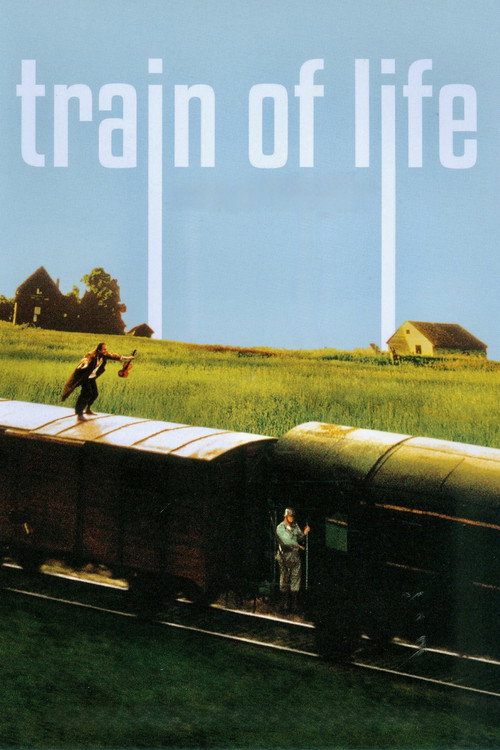
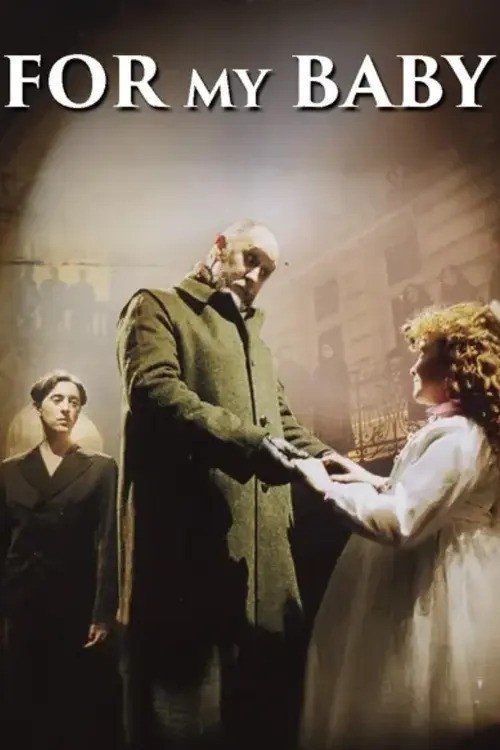
In 1941, the inhabitants of a small Jewish village in Central Europe organize a fake deportation train so that they can escape the Nazis and flee to Palestine.
Director Leon de Winter has taken a thriller with political and psychological overtones, and scrambled it into a series of vignettes that are mixed-up in time and in location, thereby dashing any hope of following the story. A journalist goes to a southern European country to interview a well-known terrorist who has refused to stop his activities even though the revolution he fought for ended successfully five years earlier. Questions are raised about adopting violence as a way of life without at first realizing it and about the seeming impossibility of raising the consciousness of backwater cultures. Perhaps because of the way the story has been filleted into fragments, characters like the journalist and terrorist do not have enough continuous screen time to build up their individuality, a second factor that makes it difficult to become involved in the drama.
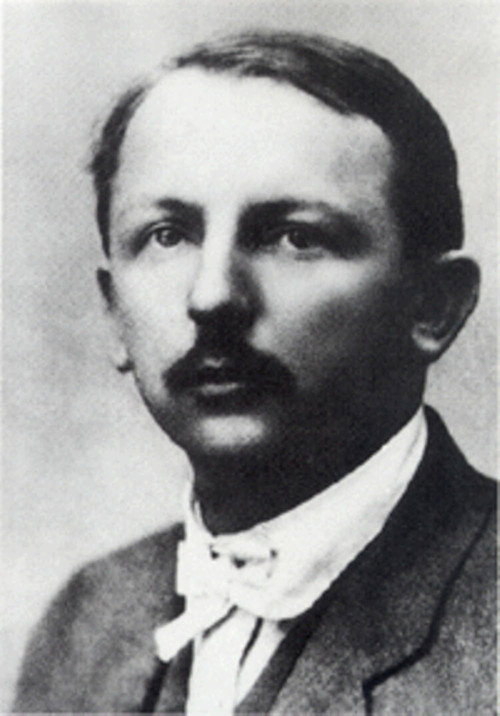
Under pressure from his publisher, Russian novelist Fyodor Dostoyevsky gets work on his latest piece, 'Rouletenberg'. In the 27 days it takes for him to complete the novel reality and fiction become blurred; in this feverish atmosphere of excess Dostoyevsky's characters come to life as he struggles to complete his work.
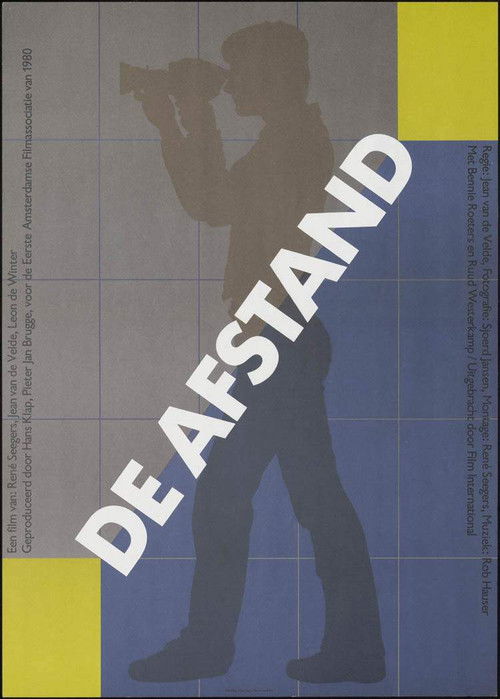
A young sailor learns that his friend has died of a heroin overdose. He watches the 8mm films he has made of his friend and discovers that he keeps the world at a distance from behind his camera.
In the Netherlands, a viaduct is named after him; in China, in the museum in Shanghai, he is depicted alongside Mao Zedong as one of the founders of the Chinese Communist Party. Who was Henk Sneevliet, what drove him, and how would he have viewed the realization of his ideal while traveling through present-day China? In Sneevliet’s Footsteps, René Seegers travels through present-day China and reports on what has become of Sneevliet’s ideal. He wonders how Sneevliet would have viewed present-day communist China. Prof. Tang Boalin (biographer of Chen Duxiu) and Ms. Li Yuzhen (Chinese biographer of Sneevliet) provide an explanation of Sneevliet’s historical role. Zhang Wensheng (Director of the Institute for the Study of Socialism) and Prof. Wang Hui (Editor-in-Chief of the critical journal Dushu) offer their views on the nature of Communism in present-day China.
It tells the life story of the Flemish poet Jotie 't Hooft, a notorious drug user who made several suicide attempts and died in 1977 at the age of 21.
The Dutch documentary filmmaker Joris Ivens (1898-1989) received the honorary title 'Old friend of the Chinese people' from the Chinese communist regime. One of the reasons was the fact that in 1938 he gave the communists the camera that captured the first footage of Mao Zedong. Ivens made several films about China, notably the twelve-hour picture Hoe Yukong de bergen verzette (How Yukong Moved the Mountains), a tribute to Mao's Cultural Revolution, which China itself called a 'catastrophe' shortly after. Actor Jeroen Willems follows in Ivens' footsteps, in an attempt to understand why Ivens never reconsidered his positive coverage.
After losing sight of each other for 25 years, the paths of three childhood friends cross paths. It concerns successful conductor Victor Slingeland, successful writer Sander Vastenhout and general practitioner Bert Duprez. Slingeland enjoys a reputation as a womanizer. This intrigues Vastenhout who, as is often the case with authors, is without inspiration. Vastenhout sees the unraveling of Slingeland's complex personality as possible new material for a novel. With the help of Dr. Duprez, Vastenhout tries to find out about Slingeland's secret by imitating his behavior and thus challenging him.
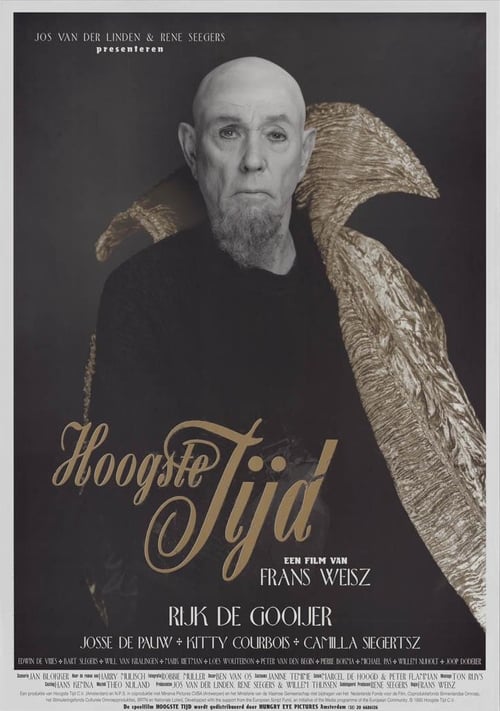
Old entertainer gets a last chance to play a serious role.
Feature film based on Leon de Winter's book of the same name, in which protagonist Herman Dürer hitchhike south after a stay in a juvenile detention center and ends up stranded in Munich.
A young Austrian comedian struggles with the nightmare of his past and a dead sister who refuses to die by laying claim to his soul.
The 17-year old Philip gets in a conflict with his teacher. When he visits his teacher's home to apologize, Philip meets Lida, Frits' girlfriend.