Production
Rita, une avocate sous-estimée travaillant pour un grand cabinet d'avocats plus intéressé à faire sortir les criminels de prison qu'à les traduire en justice, est engagée par le chef d'une organisation criminelle.
Dans un futur proche placé sous le règne de l'intelligence artificielle, les émotions humaines sont vues comme une menace. Pour s'en débarrasser, Gabrielle doit purifier son ADN en replongeant dans ses vies antérieures. Dans ce passé, elle retrouve Louis, son grand amour. Cependant, une peur l'envahit, le pressentiment qu'une catastrophe se prépare.
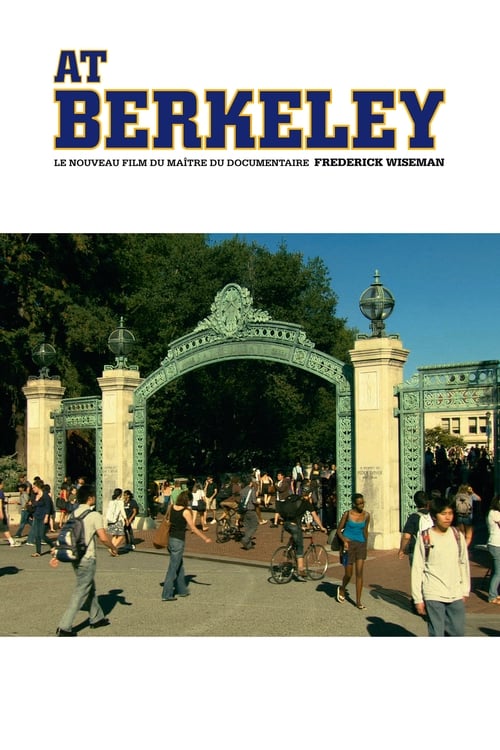
Un semestre sur le campus de la plus prestigieuse université publique américaine : Berkeley. Frederick Wiseman nous montre les principaux aspects de la vie universitaire et plus particulièrement les efforts de l’administration pour maintenir l’excellence académique et la diversité du corps étudiant face aux restrictions budgétaires drastiques imposées par l’État de Californie. A travers les différentes facettes de cette institution mythique, At Berkeley nous donne accès au débat sur l'avenir de l'enseignement supérieur aux États-Unis.
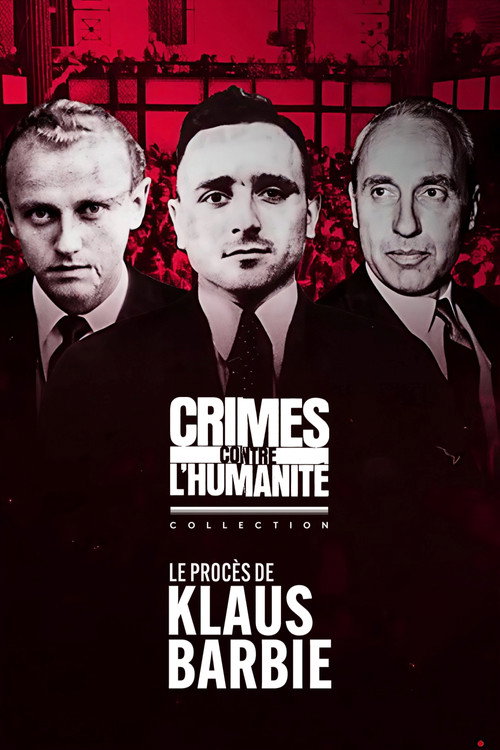
Le 11 mai 1987 s’ouvre à Lyon le procès de Klaus Barbie, ancien chef de la Gestapo, premier officier nazi jugé en France pour crime contre l’humanité. Traqué et confondu par Beate et Serge Klarsfeld, il est extradé de Bolivie grâce à des accords entre gouvernements. L’accusation porte sur trois crimes majeurs : les rafles de la rue Sainte-Catherine, la rafle des enfants d’Izieu et le dernier convoi de déportés du 11 août 1944. Durant 37 audiences, filmées en intégralité, les témoignages des survivants révèlent un tortionnaire implacable et cruel. Barbie, absent sur les conseils de son avocat Jacques Vergès, est condamné le 4 juillet 1987 à la réclusion à perpétuité. Ce verdict marque une étape clé contre l’impunité des criminels nazis. Barbie décède en 1991.
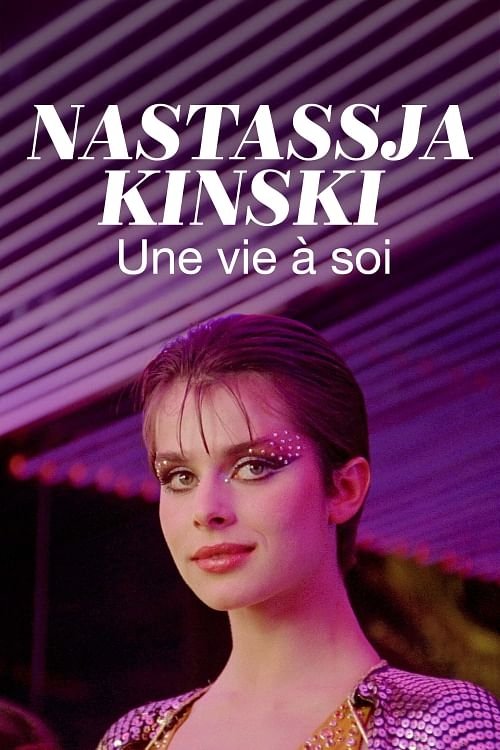
Dans les années 1980, Nastassja Kinski est une star internationale et un véritable sex-symbol. En à peine quelques films, elle s’impose comme l’une des actrices les plus talentueuses et prometteuses de sa génération. Découverte à 13 ans par Wim Wenders, révélée par Roman Polanski à 18, elle se construit au gré des images que les réalisateurs projettent sur elle, cherchant à casser les stéréotypes dans lesquels on voudrait l’enfermer. Pourtant, après 10 ans de carrière, Nastassja Kinski disparaît, nous laissant avec un mystère.
Fierté des victoires napoléoniennes, l’Arc de Triomphe, dont la première pierre fut posée en 1806 au sommet des Champs-Élysées, est avec la tour Eiffel l’un des monuments les plus visités de la capitale française. Voulu par un empereur, inauguré sous le règne d’un roi (Louis-Philippe) et sanctuarisé par la République, ce temple patriotique polarise les passions de toute une nation. Un portrait historique avant « emballage », qui fourmille d’anecdotes et de détails insoupçonnés.
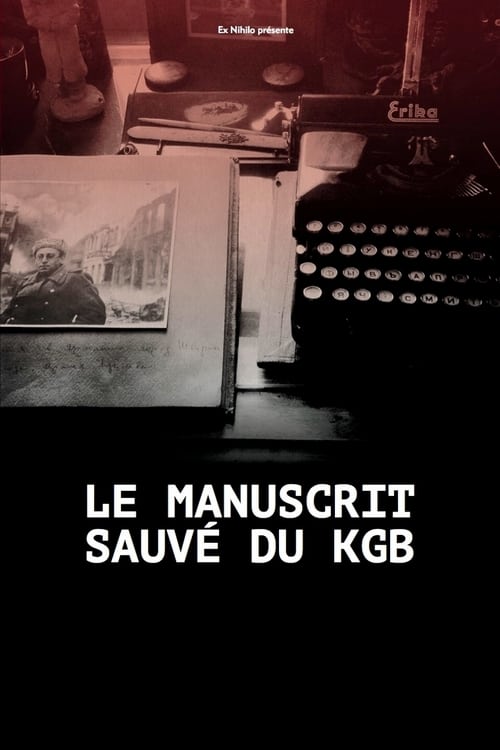
L'histoire alambiquée et émouvante de l'écrivain russe Vassili Grossman (1905-64) et de son roman « Vie et Destin » (1980), un chef-d'œuvre littéraire, un récit monumental et épique de la vie sous le régime de terreur de Staline, un cri de défi que le KGB a tenté d'étouffer.
Aucune description disponible.
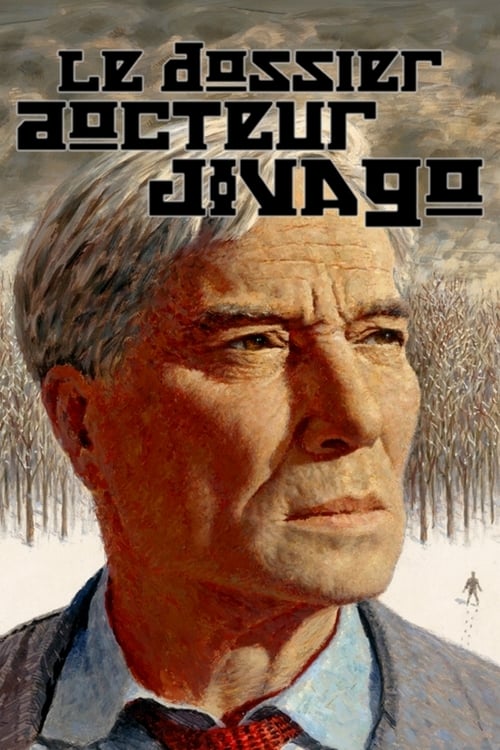
Comme l'écrivain russe Boris Pasternak (1890-1960) pense qu'il est impossible que son roman « Docteur Jivago » soit publié en Union soviétique, car il montre soi-disant une vision critique de la révolution d'Octobre, il décide de faire sortir clandestinement du pays plusieurs exemplaires du manuscrit. Il est publié pour la première fois en 1957 en Italie et l'auteur reçoit le prix Nobel de littérature en 1958, ce qui a des conséquences.
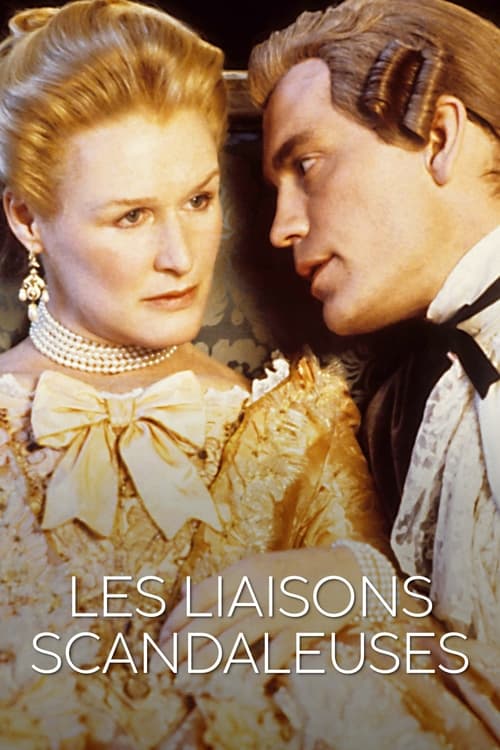
Merveilleux outil de réflexion sur la condition féminine, satire sociale annonçant la révolution, manuel libertin… « Les Liaisons dangereuses » de Choderlos de Laclos, qualifié à sa parution de livre « satanique » est aujourd’hui considéré comme l’un des chefs-d’œuvre de la littérature et a inspiré quelques-uns des plus grands cinéastes contemporains. Du scandale à la consécration, ce film raconte un roman culte, tout à la fois profondément enraciné dans son époque et totalement intemporel.
Le cinéma, ce n'est pas toujours tapis rouge et petits fours. Parfois, c'est seulement "Coquillettes" ! Trois "nouilles" en mal d'amour partent en virée dans un festival en Suisse : Sophie, midinette, est obsédée par le seul acteur connu du festival, Camille, romantique, rêve d'un histoire d'amour impossible et Carole, pragmatique, a juste "envie de baiser".
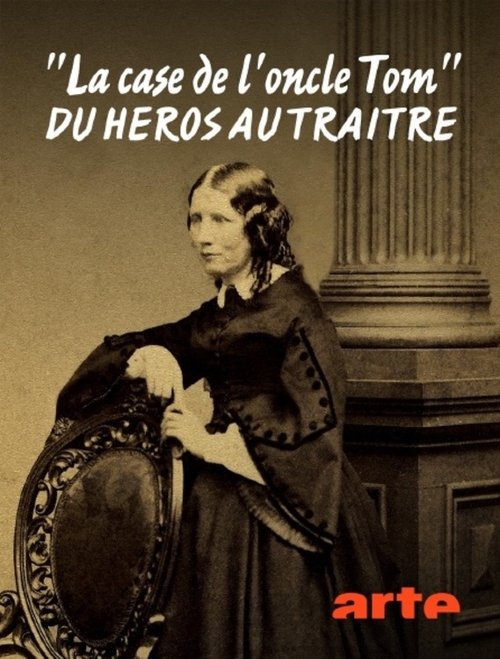
Immense best-seller en son temps, le roman La case de l’oncle Tom a porté la cause abolitionniste, tout en véhiculant des préjugés racistes sur les Afro-Américains. La formidable anatomie d’une œuvre pétrie d’ambivalences, qui a profondément marqué les mémoires.