
Yurij Yanovskyi
Writing
Biography
Ukrainian poet and novelist, one of the greatest romantics in Ukrainian literature of the first half of XX century, military journalist and editor of Ukrainian literature magazine. During 1925–1926 Yuri Yanovsky was working as an art editor at Odesa film studio. Since 1927 he lived in Kharkiv and worked as an editor of All-Ukrainian Photo-Cinema Directory (VUFKU). In 1939 he returned to Kyiv. Romantic short stories of the early period of writer were collected in two books “Mammoth tusks” (1925) and “The blood of the earth” (1927). His first novel “Master of the ship” proved his excellent skills in the descriptions of marine romantic. The novel “Turn” appeared in 1927. The chief novel of writer The Four Sabers (1931) portrayed the spontaneous people's movement of Ukraine in days of the liberation struggle. This writing triggered off biting criticism and subsequently was illegal for a long time. Later Yanovsky returned to the subject of revolution in Ukraine in the novel collection “Riders” (1935), however that time he sided with official point of view. One of the novels “A double circle” was devoted to representation of tragic fratricidal conflicts in time of revolution. During World War II Yuri Yanovsky was working as an editor of Ukrainian literature magazine and military journalist. In 1945 he worked as reporter at the Nuremberg trials.
Known For
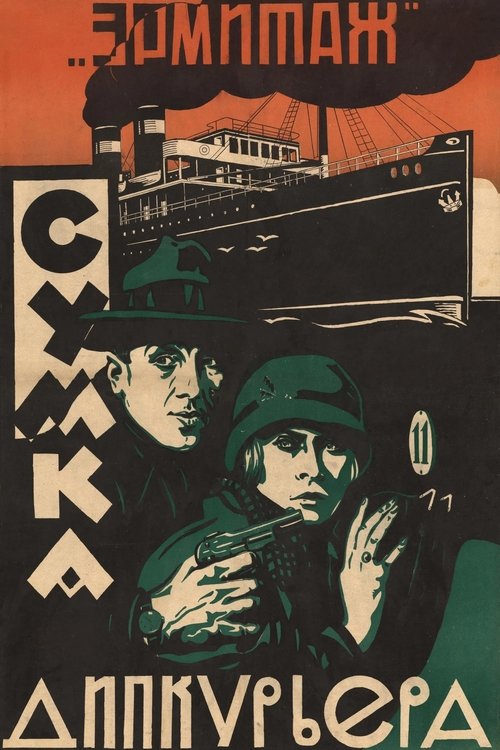
The Soviet embassy in England sends two couriers with diplomatic mail to Leningrad. The inspector of security police, White, and a group of policemen attack the Soviet diplomatic couriers at night. The documents get to an English trackman, who gives them to his son, a sailor in Portsmouth.
The Diplomatic Pouch
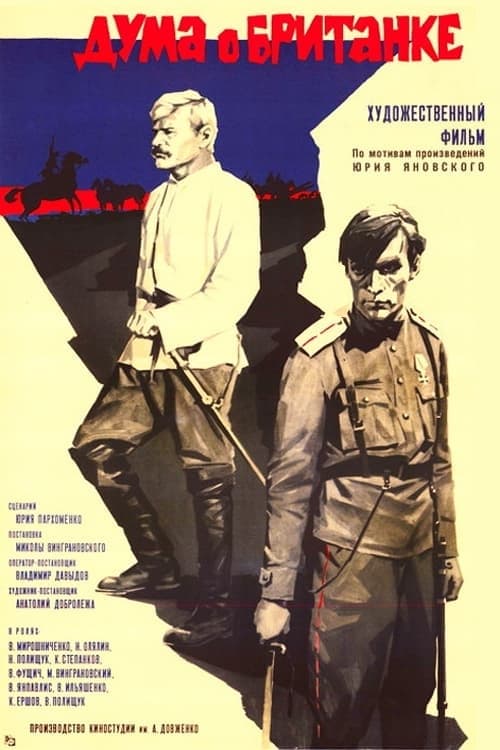
The film tells about the brutal class struggle during the civil war in the villages of southern Ukraine.
Duma about Brytanka
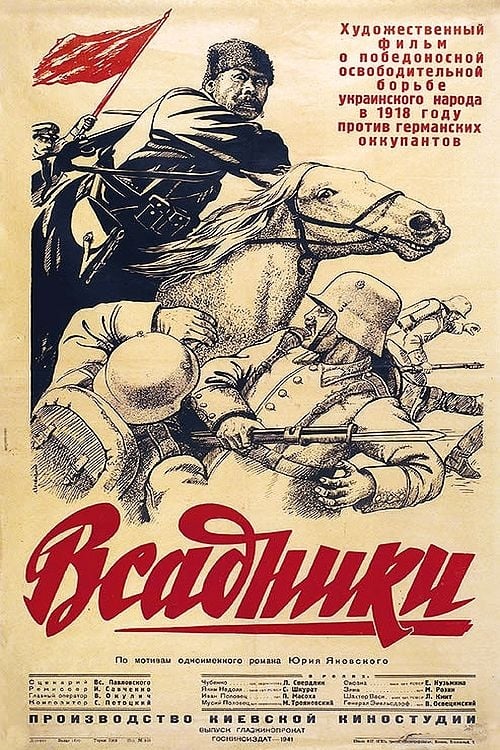
Episodic story of the resistance to the German invasion of Ukraine in 1918 during World War 1, and made as an example of the guerrilla warfare and fierce spirit in which Ukrainian peasants were again resisting Teuton onslaughts in 1939. Highlights a small band of guerrillas and their battles using scythes, shotguns and, often, just clubs against the Kaiser's army in the Ukrainian forests.
Guerrilla Brigade
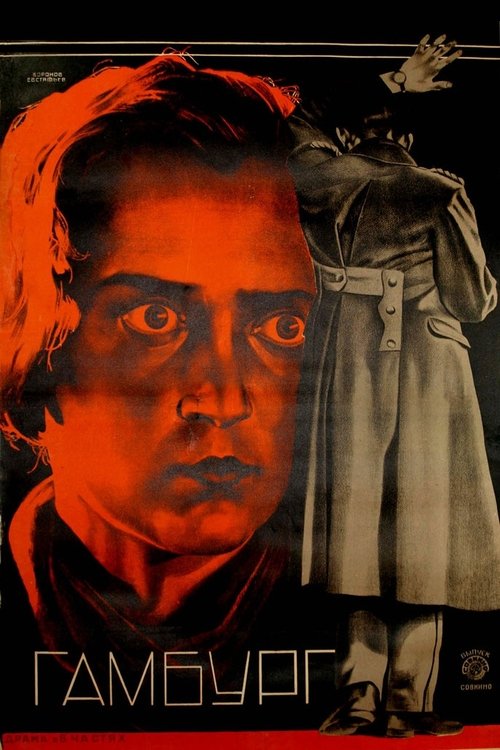
Germany, 1923. Workers, called to the struggle by the communist Niels Unger, seize the arsenal and turn every building into a fortress. The social democrat Buk does not fulfill Unger's order to blow up the bridge over the Elbe, so the Reichswehr troops enter the city. A bloody massacre begins. Nils Unger is arrested. Buk, who is associated with the punitive leader Meins, betrays the rebels during interrogations. A trial is scheduled for the rebels. To avoid political publicity during the trial, Nils Unger is declared insane, but manages to escape from the prison hospital. Once again, his call resounds through the streets of Hamburg: "Save your guns!"