Kit Guyatt
Editing
Known For
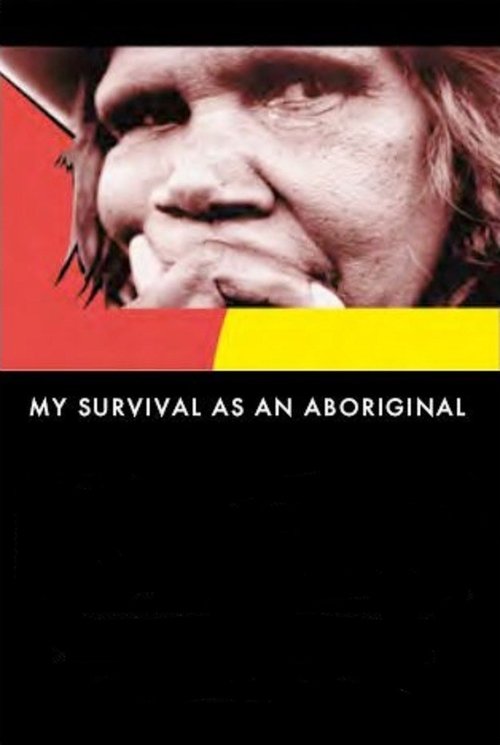
Essie Coffey gives the children lessons on Aboriginal culture. She speaks of the importance of teaching these kids about their traditions. Aboriginal kids are forgetting about their Aboriginal heritage because they are being taught white culture instead.
My Survival as an Aboriginal
A short observational account of one Saturday night in the mundane life of Stuart. He gets drunk, goes out to clubs,, searches for love and falls asleep unfulfilled on the floor of the club.
Satdee Nite
Clyde is a typical junior clerk in a public service office. He watches the budding friendship between two co-workers and he turns it into the permanent office joke. At the same time he plays out his own neurotic relationship with a bored and frustrated secretary. The cruel mass victimisation of the young lovers is carried to the annual office picnic. Office tensions are changed by the unfamiliar surroundings where the disappearance of the two lovers forces Clyde to re-examine his own shallow emotional development.
The Office Picnic
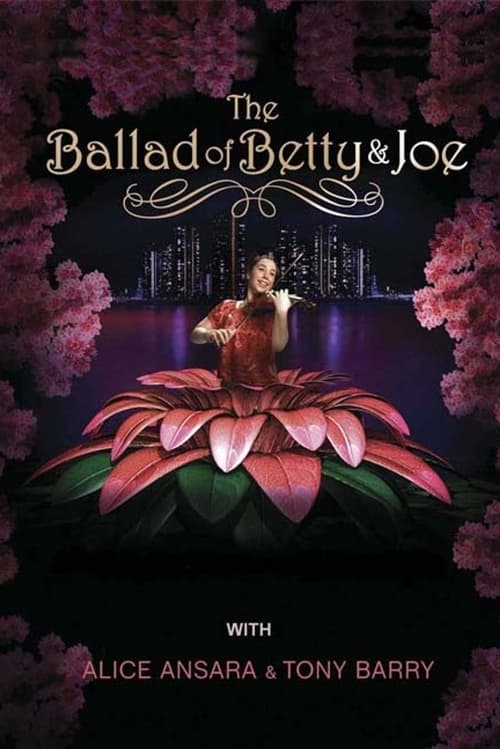
Every morning Betty tramps alone through the big city to join her fellow buskers in the pedestrian tunnel below, trying to earn a living. But her earnings are meager, and to make things worse, the new security guard, Joe, is trying to confiscate her fiddle. While Betty dreams of fame and fortune, Joe dreams of earplugs – something’s got to give!
The Ballad of Betty & Joe
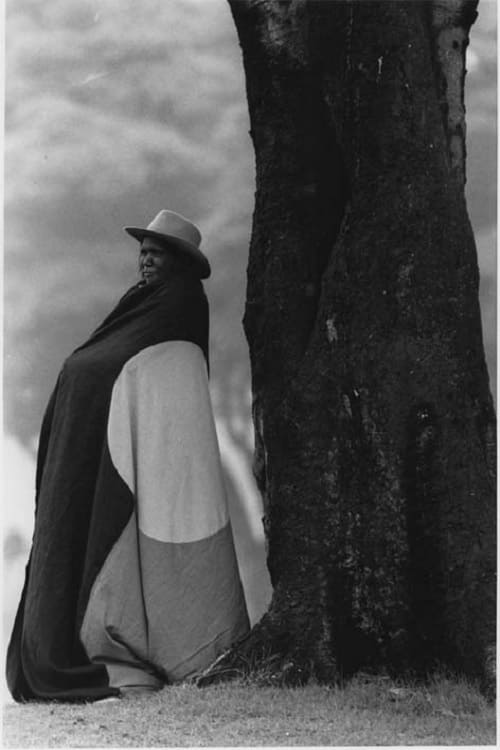
In her second film, MY LIFE AS I LIVE IT (1993), Essie Coffey returns to her home in Dodge City where she and the A-Team are running in the shire elections. Inter-cutting between 1993 and 1978, the film presents the fascinating contrasts of a society in transition. Some of the kids we met in the earlier film now have families of their own and are involved in education, art and sports. Others are drifting, trying to cope with alcohol and depression. Most significantly, community programs offer the possibility of dignity and self-determination. In this film, Essie shows us the Community Development Employment Program (CDEP) making a real difference. Although the CDEP has now come under attack from the Federal government, MY LIFE AS I LIVE IT portrays the CDEP as providing meaningful work and services to an impoverished remote community.
My Life As I Live It
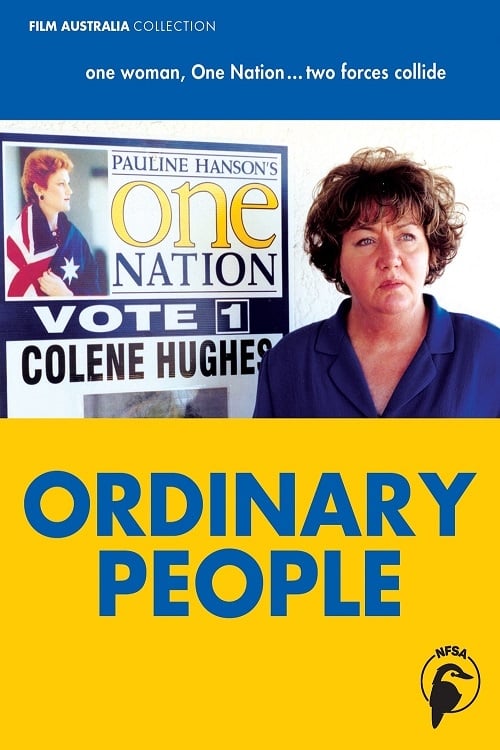
Far right and anti-immigration politics have been on the rise worldwide. In Australia, as in many other western countries, as Ordinary People was filming, a new political force began drawing on the discontent of those who felt excluded from the promised benefits of globalisation. This revealing documentary follows One Nation candidate Colene Hughes over two years and two elections as her idealistic fervour slowly turns to disillusionment. Initially for Colene and her supporters, One Nation seems to offer true democracy and a way of knocking the country back into shape. But when Colene starts to question the control of party leaders, the gloves come off and, at the party’s annual general meeting, the two forces collide.
Ordinary People
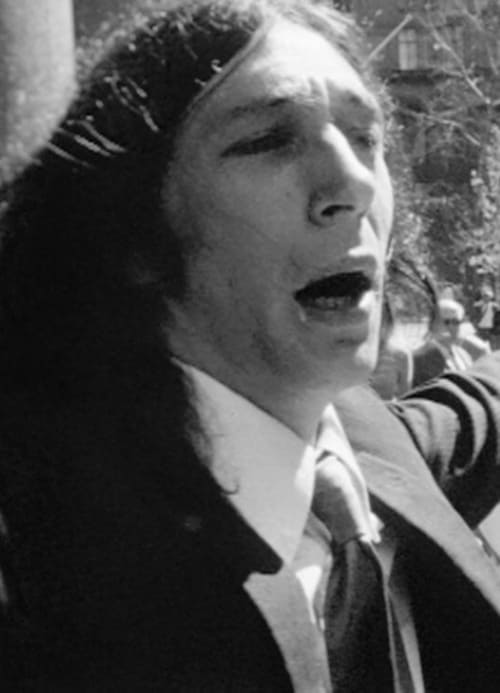
A fragmented film, largely following street performer George Shevtsov at the 1970 Vietnam Moratorium, the Odyssey Pop Festival at Wallacia in 1971, and street theatre sneezing for lunchtime crowds. The film then takes a darker turn, contrasting audio from a court case with footage of police.
Renegades: Fragments from a Diary of Three Years' Experience 1970-1973
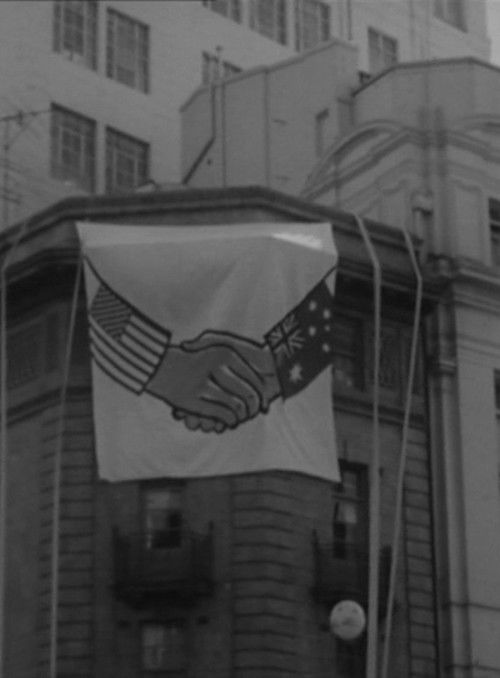
A short documentary on Lyndon Johnson's visit to Australia, and a denunciation of American imperialism in Vietnam.
President Johnson's Visit
A portrait of the actor, film teacher, critic, and legendary cinephile, John Flaus, in a unique film mosaic structured around cryptic crossword clues and solutions suggesting the content of the twelve sequences.
Flausfilm
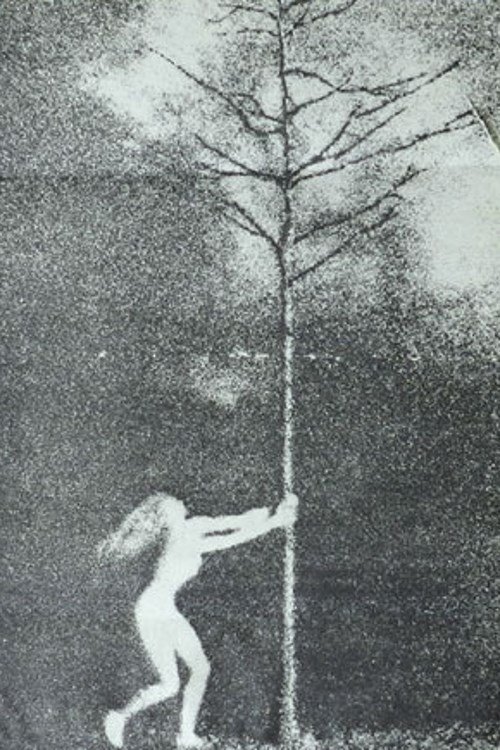
A lady flees her failing relationship
The Phallic Forest

An enquiry, at once lyrical and tragic, into the reality of (the inner Sydney suburb of) Balmain in 1969 - an historical, beautiful and ideally located residential suburb threatened with partial extinction by lack of government planning and foresight, and by indifferent to residents' interests. Peter King, 'The Australian'
Balmain
Shot around the 1968 Arts Vietnam protest—where artists gathered to oppose Australia’s role in the war—this experimental collage film splices festival footage with news imagery, photographs, commercials, and televised material to expose how Vietnam was “experienced” through media and to implicate the viewer in that mediation.