Miroslav Saic
Acting
Known For

A Czech medical television series that focuses on an emergency department. Each episode follows cases inspired by real-life stories and the cases of patients and healthcare professionals.
Blue Code
No description available.
Bakaláři
No description available.
Malý pitaval z velkého města
No description available.
Dobrodružství kriminalistiky
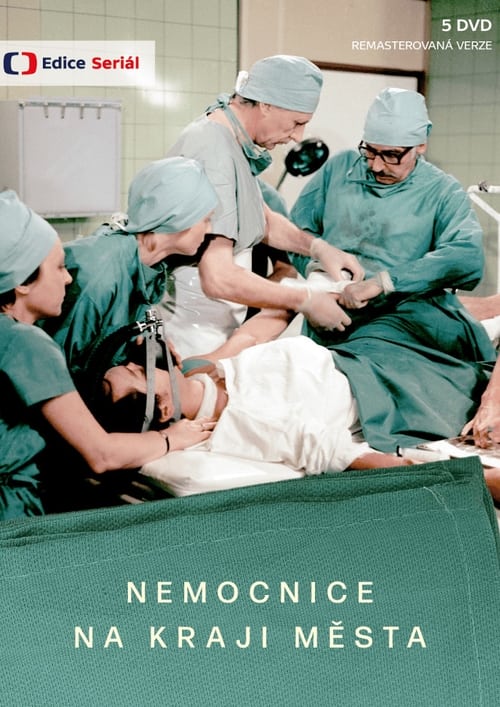
Hospital at the End of the City is a popular television series first released in Czechoslovakia in 1977, it featured an ensemble cast and received much viewer praise in central Europe. The series ran from 1977 to 1981 for a total of twenty episodes. The success of the series inspired the German television series The Black Forest Clinic.
Nemocnice na kraji města
No description available.
Úsměvy světa
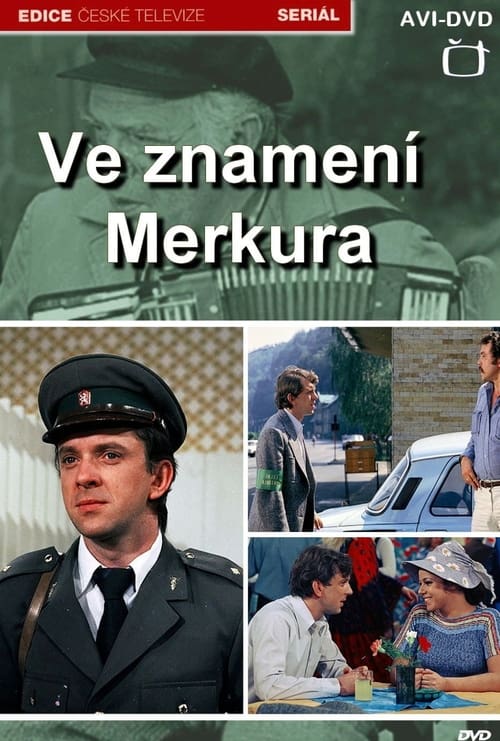
No description available.
Ve znamení Merkura
No description available.
Andersenovy pohádky
The journey of the Třeboň paddlers to the gold medal at the Olympic Games in Helsinki (1952).
Neklidnou hladinou
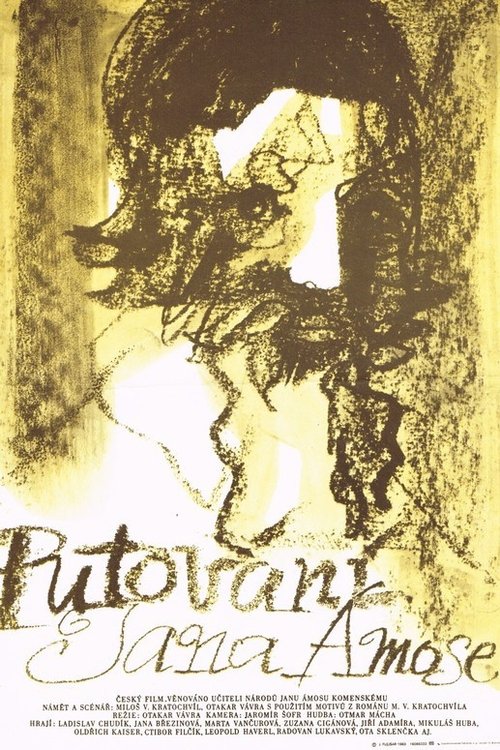
The distressing fate of the Czech great Jan Amos Komenský, forced to leave his homeland after the White Mountain disaster. It depicts his encounters with various European personalities of the 17th century - the Queen of Sweden, artists and scientists. It emphasises the hero's nobility, but also his inner resilience, which allowed him to overcome many personal and professional tragedies. The parable of The Labyrinth of the World and the Paradise of the Heart becomes part of the story. However, Comenius's concept is sculpturally lifeless and, in particular, the religious dimension is "erased" from it. The simplistic biography therefore does not avoid schoolboyish dryness.
Putování Jana Amose
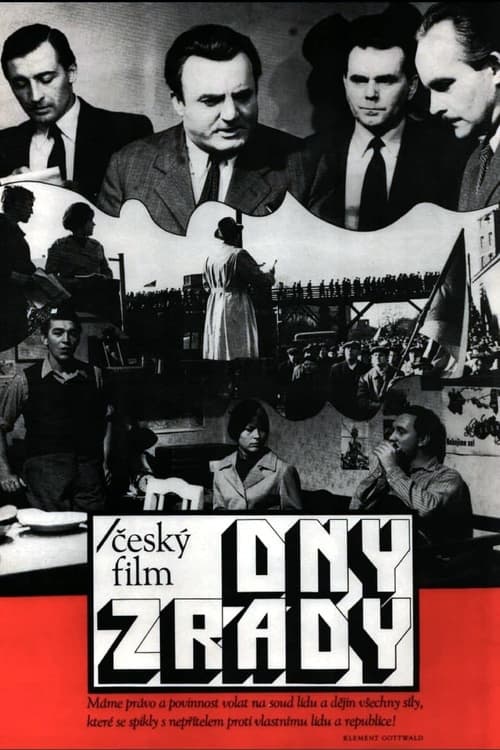
This feature film based on the events of 1938 is a chronicle of the futile efforts of the Czechoslovak president Edvard Benes (Jirí Pleskot), politicians and ordinary citizens, to save the independence and the territorial integrity of the state from the advance of Hitler's Germany. On the 29th of March 1938 the leader of the Sudeten Germans Henlein (Werner Ehrlicher) has a meeting with Hitler (Gunnar Möller). Hitler orders him to intensify pressure on the Czechoslovak government. On the 24th of April in Carlsbad, the Sudetendeutsche Partei (Sudeten German Party) decides upon eight demands that are unacceptable to the Czechoslovak President, since they would ultimately lead to the break-up of the Republic. Benes still shows a certain willingness to negotiate, and Henlein resents this. The Germans are determined to make further negotiations impossible through incidents and violence.
Days of Betrayal
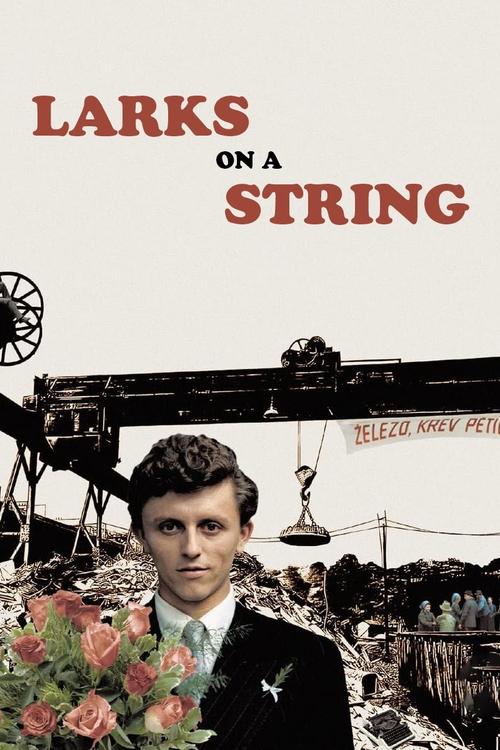
In post-WWII Communist Czechoslovakia, several characters considered bourgeois are sentenced to work in a junkyard for rehabilitation. Among them is a young man who pines for a female convict.
Larks on a String
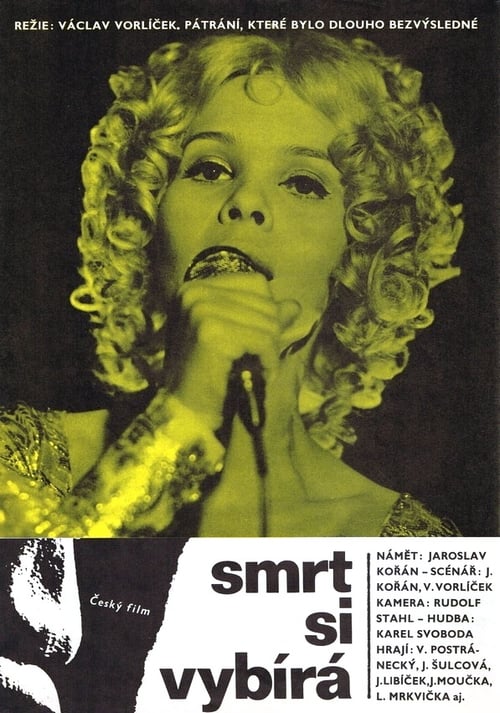
Radek Simek, the driver of a postal car, is shot dead on his regular route. The Investigators give up initial suspicions of robbery, because he carried no greater amount of money. Even questioning Honza Marek, another mail car driver, brings no result. When the circumstances are becoming more and more suspicious. Marek decides to track down the killer on his own.
Death Chooses
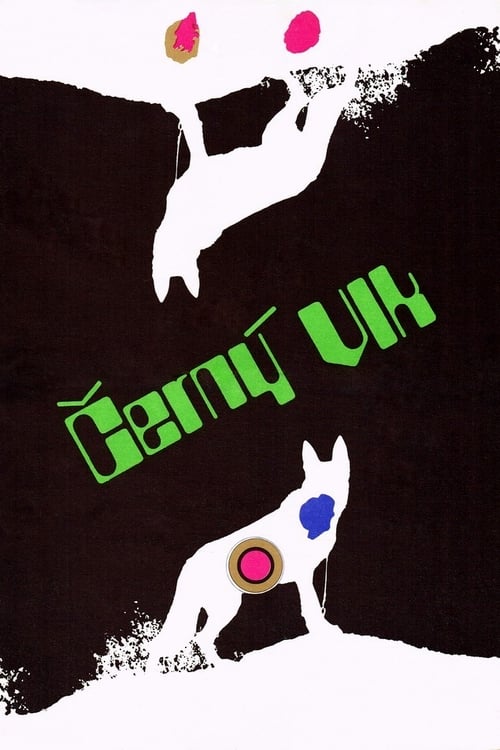
In the thick woods at the edge of the Bohemian Forest, two border guards are keeping watch - rifleman Kucera (Rudolf Jelínek) and dog handler Stencl (Josef Hajducík), whose sluggishness and clumsiness have won him the nickname Simpleton. The official army dog, the bitch Líza, picks up the scent of an alien dog on the German side - Black Wolf. She bites through her leash and runs away. Soon afterwards, the border boundary was interrupted. The two soldiers are wounded in the gunfire that follows, but Stencl's shot also hits the target and the intruder - an attractive woman in a black jersey - is dead. The investigation reveals that this agent knew someone among the local residents. The locals are all called in to identify the body but nobody admits to knowing the woman.
Black Wolf
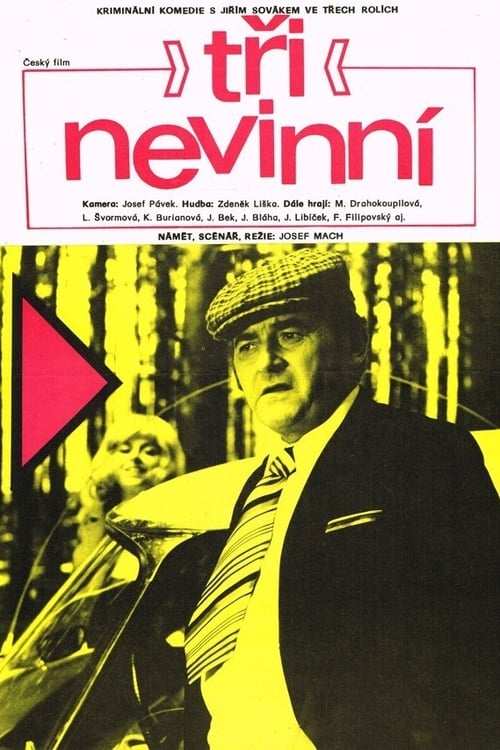
The car thief Halama, the shy groom Poupě, the divorcing jealous Pic and the mustachioed cinema projectionist Vlk are suspected of robbing the cinema box office. They are so similar, however, that the sharp-witted Public Security investigator Doll doesn't know them at all...
Tři nevinní
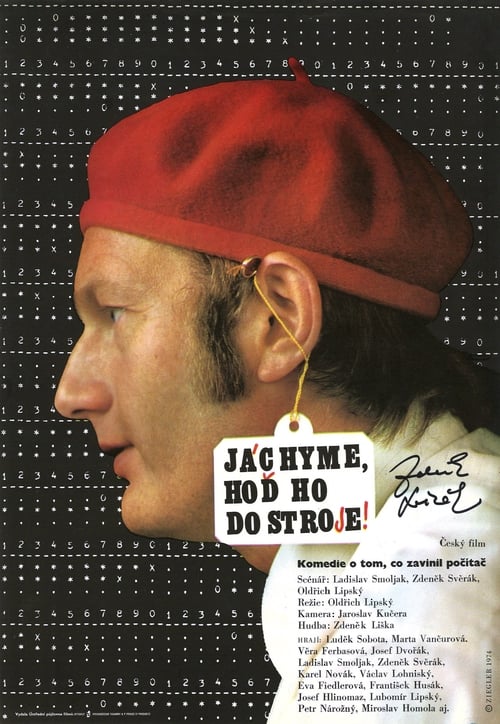
A sincere provincial young man, Frantisek Koudelka leaves to work in Prague. For the trip he buys a computer made horoscope with biorhythms charts, marked according to his date of birth, there are trappy, precarious, unsuccessful and even critical days and few successful days. The clumsy luckless person Frantisek has finally a guidance for his life.
Joachim, Put It in the Machine
No description available.
Mam’zelle Nitouche
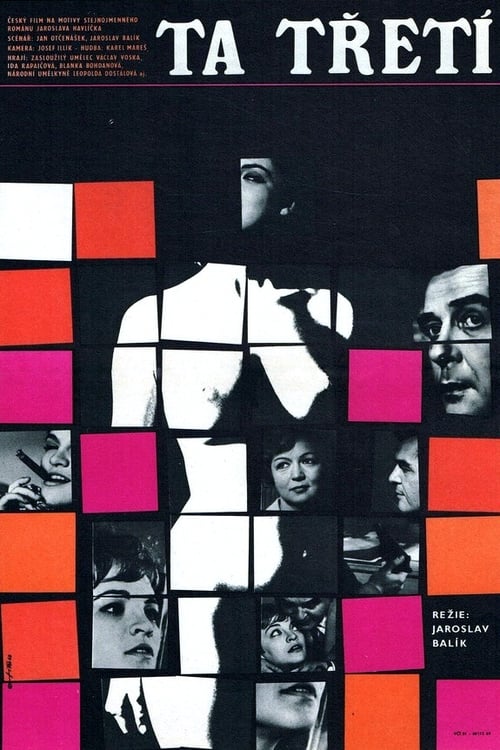
At the funeral of his schoolmate, the nearly-fifty-year old architect Jirí Mánek (Václav Voska) meets his former close acquaintance - physician Jarmila (Blanka Bohdanová). They both are still single. Jarmila has recently returned to Prague after years of work on the frontier. Jirí leaves for a business trip. As a conservationist, he is to grant permission for an adaptation of a Baroque château to office spaces. On the road, a pretty young hitchhiker named Eva (Ida Rapaicová) stops him. Eva is Slovak and her spontaneous behavior enchants Jirí. He thus does not mind making a short detour and takes Eva all the way to the luxurious cottage of her parents. A romance develops between the two people, so different in age and temperament.
Ta třetí
A dramatic story about the devastation of the environment and human character.
Uzavřený okruh
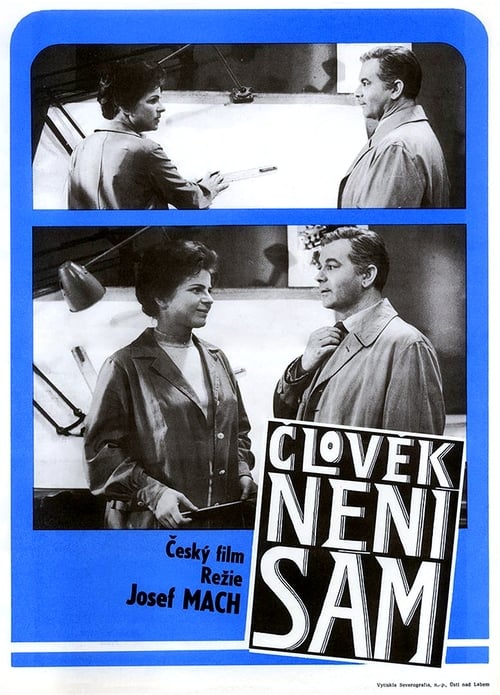
A dedicated chairwoman of the Communist Party of Czechoslovakia in cooperation with a StB major clears a politically immature researcher of the charge of aiding subversives...