FEEL IT.STREAM
?

Melchior Lengyel

Writing

Biography

From Wikipedia, the free encyclopedia. Lengyel was born Lebovics Menyhért in Balmazújváros, Hungary. He started his career as a journalist. He worked first in Kassa (Košice), then later in Budapest. His first play, A nagy fejedelem (The Great Prince) was performed by the Thalia Company in 1907. The Hungarian National Theatre performed his next drama A hálás utókor (The Grateful Posterity) in 1908 for which he received the Vojnits Award from the Hungarian Academy of Sciences, given every year for the best play. Taifun (Typhoon), one of his plays, written in 1909, became a worldwide success and is still performed today. It was adapted to the screen in the United States in 1914. His articles were often published in Nyugat (West), the most important Hungarian literary journal in the first half of the 20th century. During World War I, he was sent to Switzerland by the Hungarian daily newspaper Az Est (The Evening) as a reporter. His pacifist articles and other publications written in 1918 were also published in German and French papers and were collected in a book called Egyszerű gondolatok (Simple Thoughts). His story "The Miraculous Mandarin" (in Hungarian: A csodálatos mandarin), a “pantomime grotesque” came out in 1916. It is the story which inspired Béla Bartók, the famous Hungarian composer, to create in 1924 the ballet The Miraculous Mandarin. After World War I, Lengyel went to the United States for a longer stay and published his experiences in 1922 in a book Amerikai napló (American Journal). In the 1920s, he was active in the film industry. For some time, he was story editor at May-Film in Berlin. In 1929/30, he was co-director of a Budapest theatre. In 1931, he was sent by the Hungarian newspaper Pesti Napló (Pest Journal) to London as its reporter. The story of his Utopian novel A boldog város (The Happy City) came out in 1931; it was set in an American city that lay in the depths of a chasm created by the great Californian earthquake. He moved to Hollywood, California in 1937 and became a screenwriter. Some of his stories became worldwide successes, such as Ninotchka (1939), for which he was nominated for the Academy Award for Best Writing, Original Story, and To Be or Not to Be (1942). Lengyel returned to Europe in 1960 and settled down in Italy. In 1963, he received the Great Award of Rome for his literary works. After the Hungarian Revolution of 1956, Lengyel often visited Hungary and wanted to repatriate to his country. However, some weeks after his returning in 1974, he died in Budapest at the age of 94. The city library of Balmazújváros, his native town, was named after him in 2004. A complete list of Lengyel's works as well as the articles and references about him and his publications were compiled by one of the librarians on this occasion. Description above from the Wikipedia article Edwin Justus Mayer, licensed under CC-BY-SA,full list of contributors on Wikipedia.    
Known For

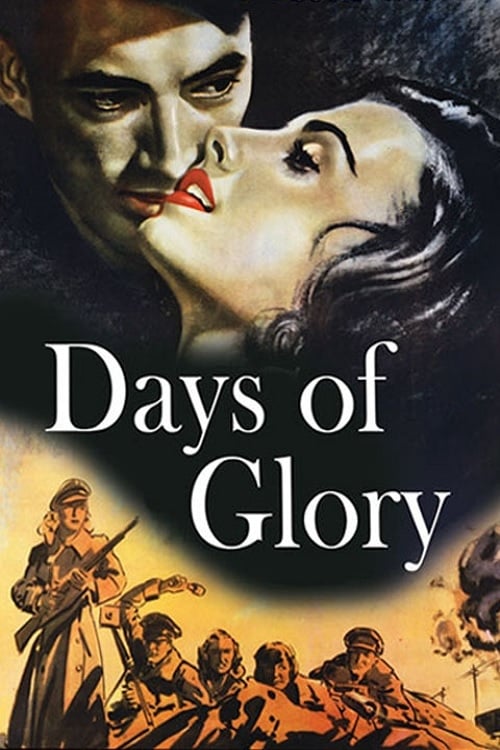
Days of Glory
5.8

A heroic guerilla group fights back against impossible odds during the 1941 Nazi invasion of Russia.

Days of Glory

1944
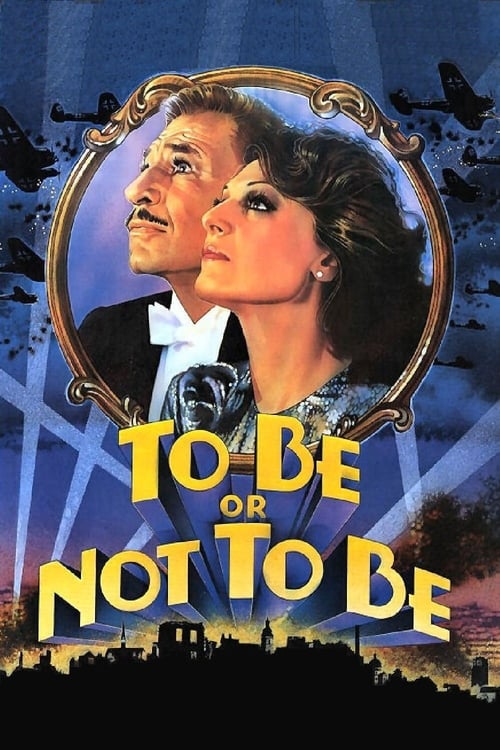
To Be or Not to Be
7.8

During the Nazi occupation of Poland, an acting troupe becomes embroiled in a Polish soldier's efforts to track down a German spy.

To Be or Not to Be

1942
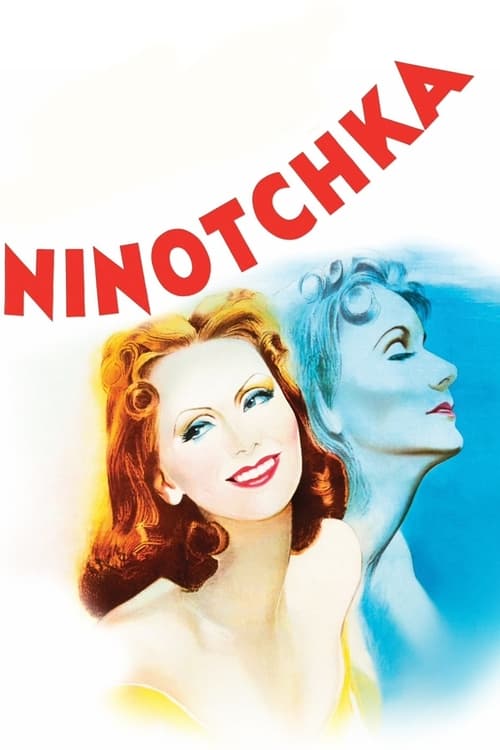
Ninotchka
7.5

A stern Russian woman sent to Paris on official business finds herself attracted to a man who represents everything she is supposed to detest.

Ninotchka

1939
To Be or Not to Be
6.7

A bad Polish actor is just trying to make a living when Poland is invaded by the Germans in World War II. His wife has the habit of entertaining young Polish officers while he's on stage, which is also a source of depression to him. When one of her officers comes back on a Secret Mission, the actor takes charge and comes up with a plan for them to escape.

To Be or Not to Be

1983
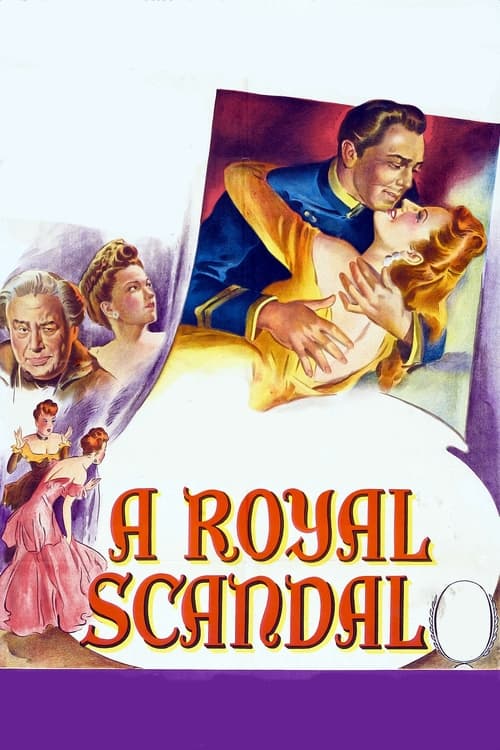
A Royal Scandal
7.0

Catherine the Great falls in love with an army officer who is plotting against her.

A Royal Scandal

1945
Silk Stockings
6.8

After three bumbling Soviet agents fail in their mission to retrieve a straying Soviet composer from Paris, the beautiful, ultra-serious Ninotchka is sent to complete their mission and to retrieve them. She starts out condemning the decadent West, but gradually falls under its spell—with the help of an American movie producer. A remake of Ninotchka (1939).

Silk Stockings

1957
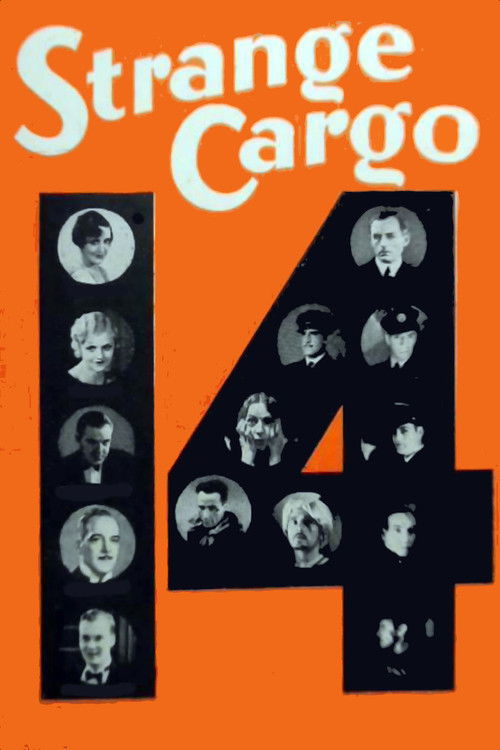
Strange Cargo
8.0

On board a yacht sailing from India to Britain, the owner of the vessel is murdered by one of the passengers. (This film was produced both in full sound and silent versions, the latter for theaters that had not yet been wired for sound.)

Strange Cargo

1929
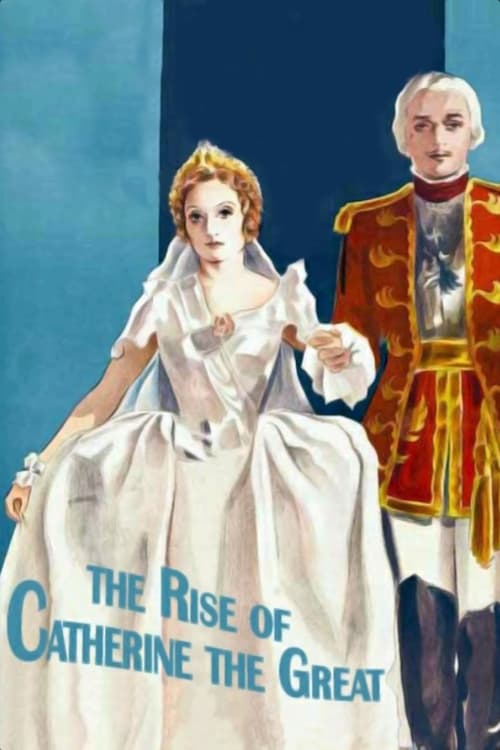
The Rise of Catherine the Great
5.8

The woman who will become Catherine the Great marries into the Russian royal family when she weds Grand Duke Peter, the nephew of Empress Elizabeth. Although the couple has moments of contentment, Peter's cruel and erratic behavior causes a rift between him and Catherine. Mere months after Peter succeeds his aunt as the ruler of Russia, a revolt is brewing, and Catherine is poised to ascend to the throne as the country's new empress.

The Rise of Catherine the Great

1934
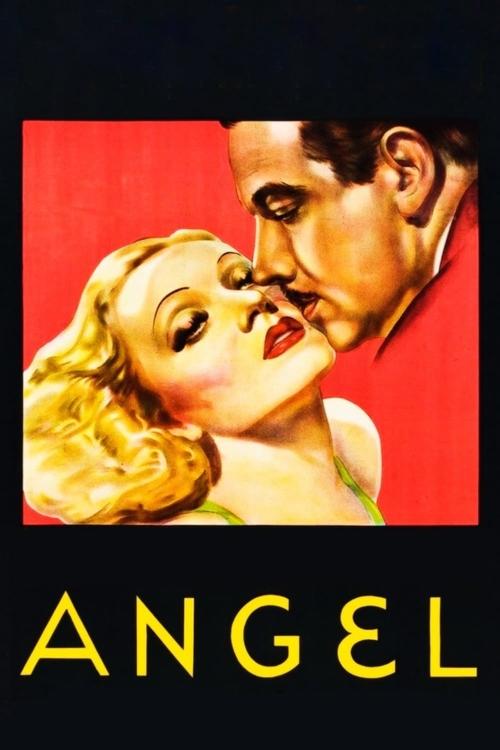
Angel
6.7

While vacationing without her busy British diplomat husband, a married woman falls for another man.

Angel

1937
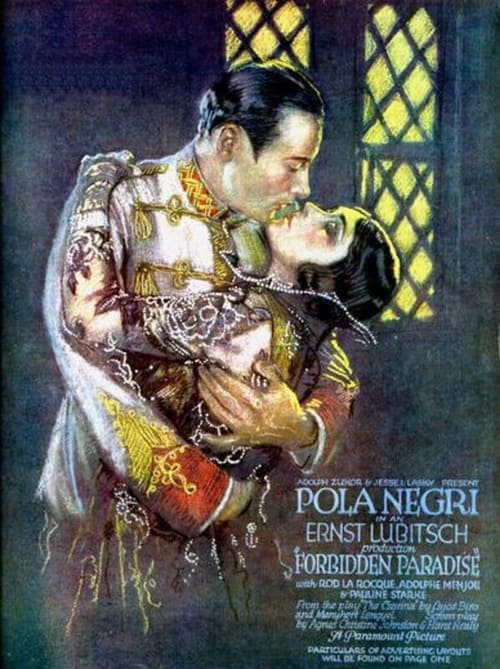
Forbidden Paradise
5.6

Alexei, a young officer, saves the Czarina of a small European kingdom from revolutionary conspirators and is rewarded with her love. Infatuated, he deserts his sweetheart, Anna, the Czarina's lady-in-waiting, only to discover that his Queen is far from true to him. Desperate, he joins the revolutionists and plots against her. The Czarina pleads that she loves only him, and he swears no harm will befall her. Meantime the chancellor nips the revolution in the bud, and the Czarina orders Alexei's arrest. But she causes herself such unhappiness in doing so that she releases him from prison, relinquishes him to Anna, and seeks solace in a new affair with the French Ambassador

Forbidden Paradise

1924
No image
9.0

A no-nonsense diplomat of the Soviet Union, Nina Ivanovna Ninotchka Yakushova arrives in Paris to ensure the sale of jewels seized during the Russian Revolution. Meanwhile, carefree bachelor Count Leon d'Algout attempts to intercept the valuables on behalf of their former owner, the Grand Duchess Swana. Despite their conflicting allegiances, the icy Ninotchka soon warms to Leon's charms, reluctantly going against her better judgment. A 1960 American television remake of the 1939 Greta Garbo film Ninotchka.

Ninotchka

1960
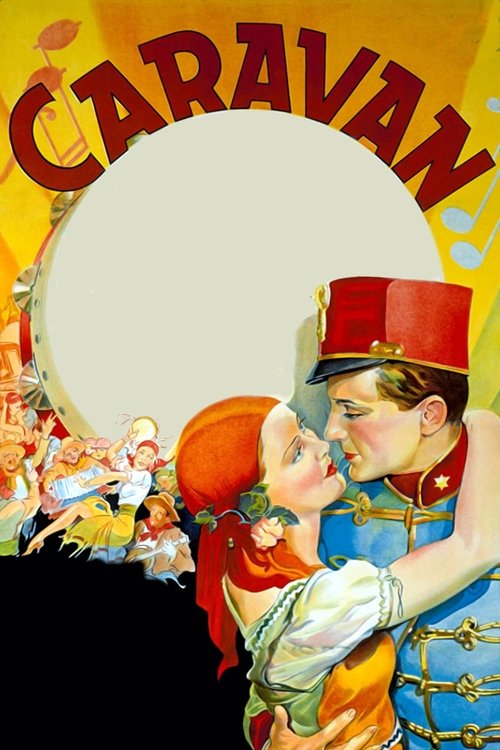
Caravan
6.5

A countess marries a Gypsy fiddler instead of a baron's son at harvest time in Tokay wine country, Hungary.

Caravan

1934
No image
6.3

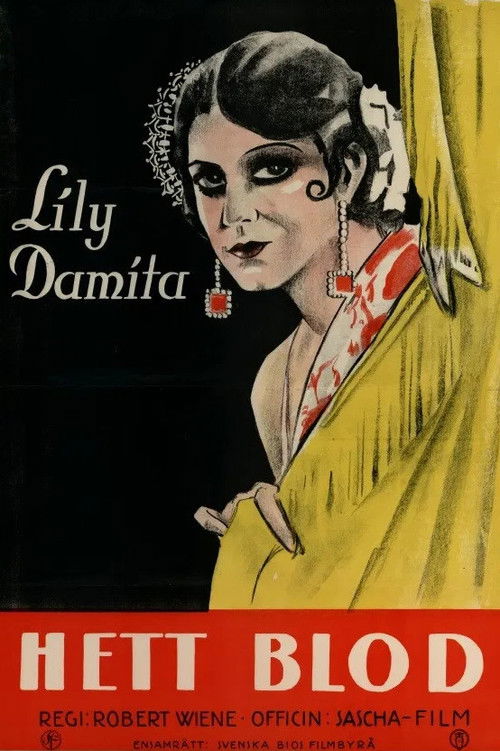
A Japanese doctor, on a secret mission to Paris for his country, becomes romantically involved with a cabaret singer at a Parisian nightclub. His entire mission is put at risk when he kills a rival for her love, a French journalist and blackmailer. (This film was a heavily re-shot 76 minute version of the 1933 film Typhoon but with a dramatically altered plot from the original where the Japanese are now portrayed as unsympathetic villains. The new version was approved by German censors and released in 1934 although its critical reception was poor. It is possible that Wiene, who had left for Budapest in 1933 following the Nazi rise to power, did not personally work on the new version). From Wikipedia.

Police File 909

1934
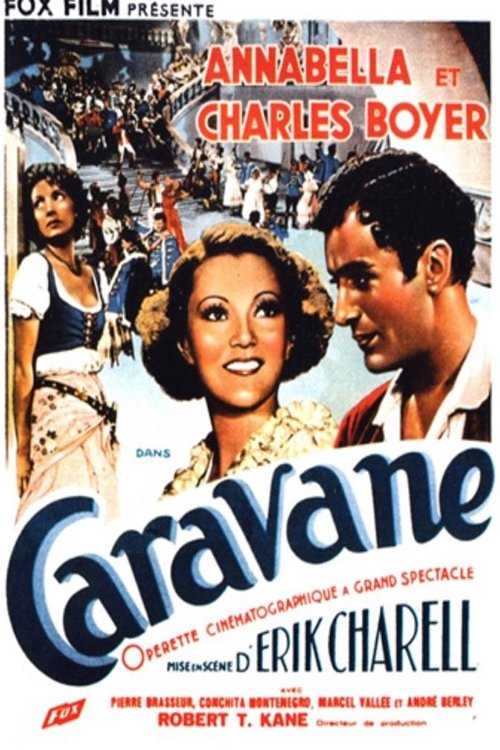
Caravane
10.0

Princess Wilma is forced to wed by midnight or lose her inheritance. She impulsively chooses gypsy vagabond Latzi, offering him a huge sum of money if he'll consent. Swallowing his pride, Latzi agrees to the marriage, but soon the coy Countess falls in love with young Lieutenant de Tokay, who is himself in love with Latzi's gypsy sweetheart Tinka. This is the alternate-language version of Caravan

Caravane

1934
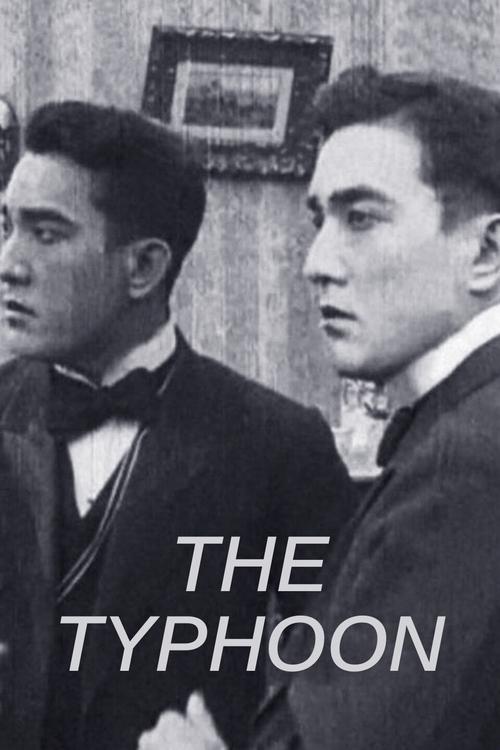
The Typhoon
N/A

Tokoramo, a Japanese diplomat on a mission to Paris, begins a love affair with Helene, a chorus girl, who subsequently rejects her American fiancé, Richard Bernisky. When the Japanese discover the affair, they try to force Tokoramo to end it, but Helene refuses to stop visiting him. One night, during one of her visits, Bernisky comes to Tokoramo's apartment and, while Helene hides, rebukes her to her lover. After Bernisky leaves, Tokoramo orders Helene out, but when he realizes his love for her, he calls her back. Suddenly, she rejects and insults him to the point that he strangles her. Tokoramo wants to confess his crime, but he must complete his work, and so his countrymen sacrifice a boy, Hironari, who pleads guilty to the murder and eventually is guillotined. In the end, Tokoramo also dies and his colleagues burn his valuable papers in order to protect Japan. -From the TCM.com Database, powered by the AFI.

The Typhoon

1914
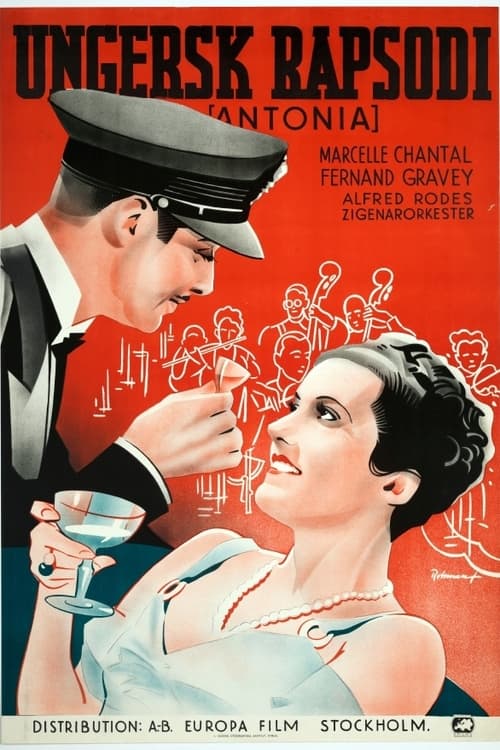
Antonia
7.0

The famous singer Antonia left the stage to marry a country gentleman. She goes alone one day to Budapest to see again the operetta which revealed her and outlines a flirtation with an aviator engaged to her niece. The presence of mind of the latter pleasantly closes the adventure.

Antonia

1935
No image
N/A

A Japanese doctor, on a secret mission to Paris for his country, becomes romantically involved with a cabaret singer at a Parisian nightclub. His entire mission is put at risk when he kills a rival for her love, a French journalist and blackmailer. (This film was later modified and released in 1934 as Police File 909. That new 76 minute version dramatically altered its plot from the original and the Japanese are now portrayed as unsympathetic villains. The new version was approved by German censors and released in 1934 although its critical reception was poor. It is possible that Wiene, who had left for Budapest in 1933 following the Nazi rise to power, did not personally work on the new version). From Wikipedia.

Typhoon

1933
No image
10.0

No description available.

The Gypsy Baron

1927
No image
7.0

No description available.

A táncosnő

1918
Die berühmte Frau
10.0

No description available.

Die berühmte Frau

1927