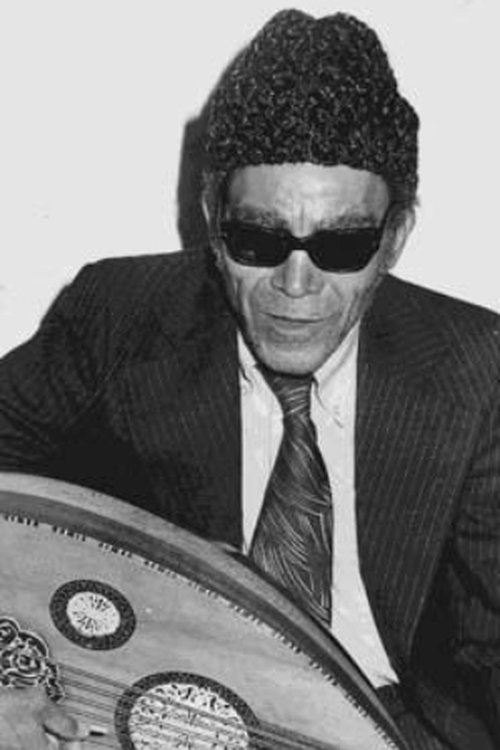
Sheikh Imam
Sound
Biography
Imam Mohammed Ahmed Issa (Arabic: إمام محمد أحمد عيسى), born July 2, 1918 in the village of Abu An-Numros (Gîza) and died June 7, 1995, was an Egyptian singer-songwriter. He was born into a poor family and was the first boy to survive after the death of seven of his brothers before him. He has a brother and a sister younger than him. At the age of 1, he became blind following poorly treated ophthalmia. In 1962 he met Ahmad Fouad Nadjm with whom he became friends. He worked with him until his death. After the Six-Day War in 1967, he began writing revolutionary songs and criticizing those responsible for the defeat, which earned him numerous stays in prison. He was only released after the assassination of Anwar al-Sadâte in 1981. In the 1980s, he was invited by the French Ministry of Culture to give concerts and toured Europe.
Known For
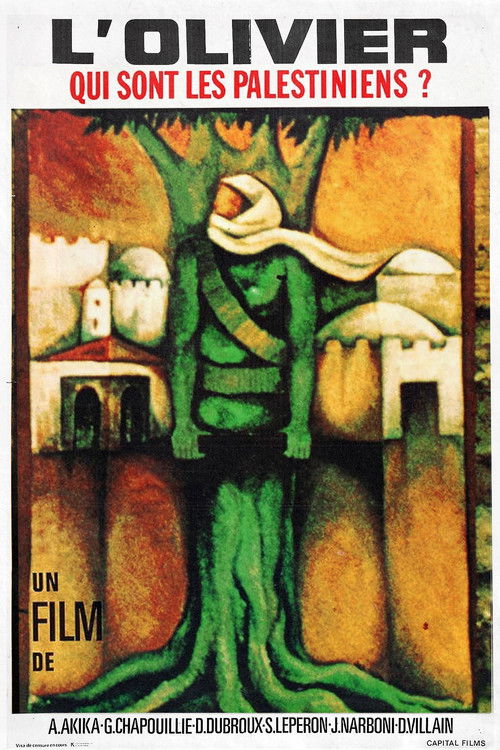
Filmed between 1973 and 1975, L’Olivier was produced by the Vincennes Cinema Group. This activist collective of teachers and filmmakers, formed on the occasion of this film, attempts to explain the Palestinian problem through interviews. The Olivier was one of the first films to attempt to give substance to what was still largely ignored in the West: the existence of the Palestinian people and their fight to recover their rights. L'Olivier responds to a concern: the already weak support of French public opinion for the Palestinian cause diminished following the Munich operation of 1972. Structured in such a way as to tell the Palestinian story and explain the state of the struggle at the time, the film appeals to global militant solidarity and, in particular, to European political commitments.
The Olive Tree
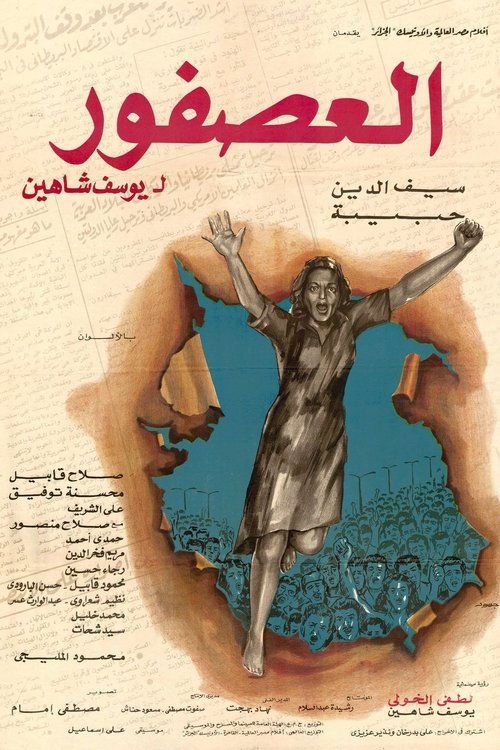
Set shortly before and during the Six Day War in June of 1967, The Sparrow follows a young police officer stationed in a small village in Upper Egypt whose inhabitants suffer from the harassment of a corrupt businessman.
The Sparrow
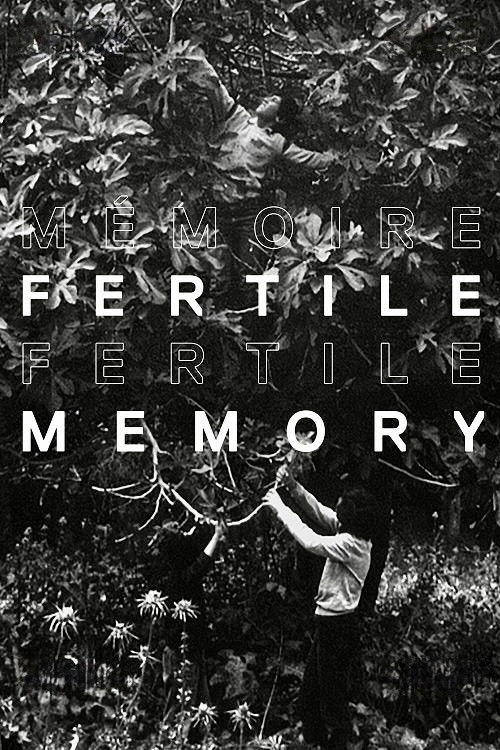
A portrait of two Palestinian women whose individual struggles both define and transcend the politics that have torn apart their homes and their lives. Farah Hatoum, a widow living with her children and grandchildren, and Sahar Khalifeh, a novelist from the West Bank.
Fertile Memory
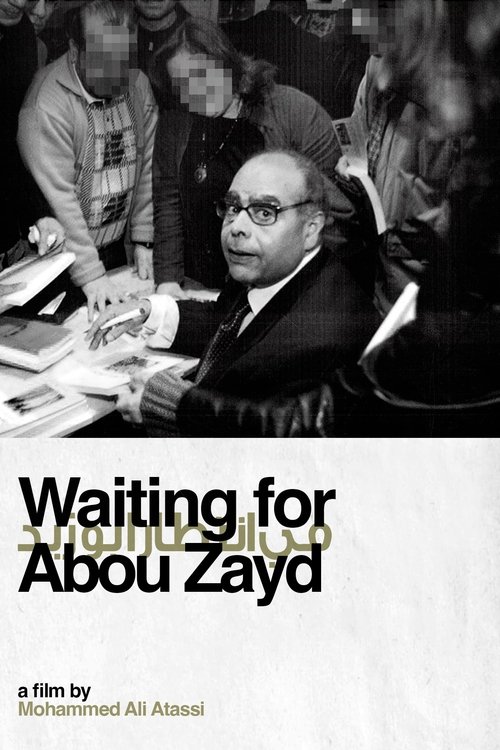
"Nasr Hamed Abou Zayd is not Godot, and the expectation promised by the title is misleading: this great gentleman is present in almost every shot. Who is he? An Egyptian Muslim theologian of international reputation, he has published exegeses of the Koran which led to his being condemned for apostasy. Exile, forced divorce from his wife Ibtihal Younes since his marriage was subject to annulment, separation from his son, such are the consequences of his writings. But Abou Zayd has not given up, residing in Leiden in the Netherlands, he continues, always on the road, to give conferences, to explain with great serenity his positions in public debates, on television, etc. C It is this particularly impressive dedication that Mohammad Ali Atassi's camera recorded over a period of six years.
Waiting for Abou Zayd
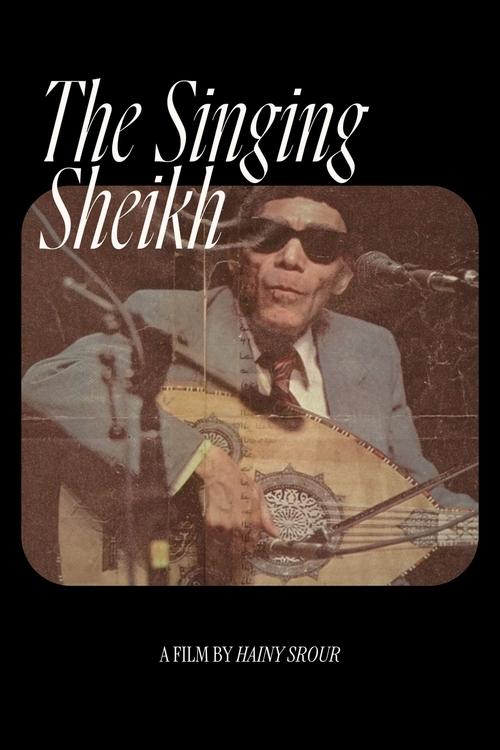
Sheikh Imam Mohammad Ahmad Eissa, born 1918, is famous throughout the Arab world for his folk songs indicting the ruling classes. Considered the voice of the oppressed, he is banned from state television and radio, and has been imprisoned numerous times, including in 1974 for the occasion of President Nixon’s visit. With scenes of Egyptian street life set to his often caustic musical criticisms of his native Egypt’s upper classes, the Sheikh’s message is that “If a beautiful thing is suppressed today, it will rise tomorrow.”