Directing
An allegorical tale, using cut-out animation of two people, male and female; their expulsion from Eden, their journey through life, and their ultimate fate in hell.
Revelers mingle, drink, and dance at a street carnival.
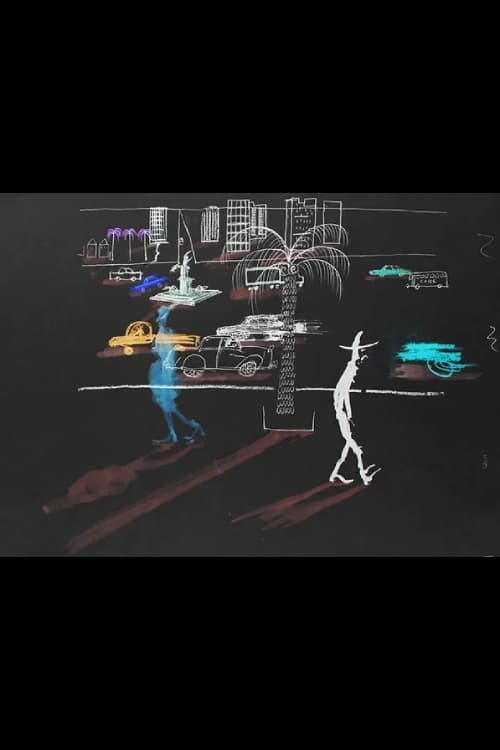
This film, set to Ponta de Lanca Africano (Umbabarauma) by Jorge Ben, was created to accompany Beleza Tropical: Brazil Classics 1, the first in a series of albums compiled by David Byrne to promote the unique music published by Brazilian artists during a repressive period of military rule in the 1970’s-1980’s. The aim was to visually invoke the album’s sensual and lyrical breadth and depth, and to subtly reflect the underlying social and political issues of that time.
A film commissioned and conceived by the artist Eduardo Paolozzi using drawings and photocopies provided by him. A non-narrative film focusing on Paolozzi's themes about modern man.
The film's goal is to convey the importance of multilateral nuclear disarmament in an apolitical and non-dialogue manner. The animation illustrates the consequences of nuclear escalation, including leaders locked in mutual mistrust, nuclear winter, and the ever-present skeletal spectre of war.
Liverpool Polytechnic BA graduation film. This non-narrative observational film is partly drawn from life, illustrating personal experiences of the 1981 Liverpool 8 uprising, (the ‘Toxteth riots’), and their aftermath.
This half-hour documentary was screened on Channel 4 in 1989. Charlie Gillett is in conversation with David Byrne and Susan Young. Gillett explores Byrne's interest in the music composed during Brazil's repressive political regime spanning the 1960's -1980’s, and Byrne's aim to introduce a wider audience to this music by compiling a series of albums featuring musicians from that era. Byrne asked Young to direct the animated film Beleza Tropical (Umbabarauma) to accompany the first of these albums. Young describes her approach to the making of the film and reflects upon this subtle and fascinating genre of music. The soundtrack features various artists from the album Beleza Tropical, Brazil Classics 1.