FEEL IT.STREAM
Carole Lombard

Carole Lombard

Acting

Biography

From Wikipedia, the free encyclopedia Carole Lombard (born Jane Alice Peters, October 6, 1908 – January 16, 1942) was an American film actress. She was particularly noted for her energetic, often off-beat roles in the screwball comedies of the 1930s. She was the highest-paid star in Hollywood in the late 1930s. She was the third wife of actor Clark Gable. Lombard was born into a wealthy family in Fort Wayne, Indiana, but was raised in Los Angeles by her single mother. At 12, she was recruited by the film director Allan Dwan and made her screen debut in A Perfect Crime (1921). Eager to become an actress, she signed a contract with the Fox Film Corporation at age 16, but mainly played bit parts. She was dropped by Fox after a car accident left a scar on her face. Lombard appeared in 15 short comedies for Mack Sennett between 1927 and 1929, and then began appearing in feature films such as High Voltage and The Racketeer. After a successful appearance in The Arizona Kid (1930), she was signed to a contract with Paramount Pictures. Paramount quickly began casting Lombard as a leading lady, primarily in drama films. Her profile increased when she married William Powell in 1931, but the couple divorced after two years. A turning point in Lombard's career came when she starred in Howard Hawks' pioneering screwball comedy Twentieth Century (1934). The actress found her niche in this genre, and continued to appear in films such as Hands Across the Table (1935) (forming a popular partnership with Fred MacMurray), My Man Godfrey (1936), for which she was nominated for the Academy Award for Best Actress, and Nothing Sacred (1937). At this time, Lombard married "the King of Hollywood", Clark Gable, and the supercouple gained much attention from the media. Keen to win an Oscar, at the end of the decade, Lombard began to move towards more serious roles. Unsuccessful in this aim, she returned to comedy in Alfred Hitchcock's Mr. & Mrs. Smith (1941) and Ernst Lubitsch's To Be or Not to Be (1942)—her final film role. Lombard's career was cut short when she died at the age of 33 in an airplane crash on Mount Potosi, Nevada while returning from a war bond tour. Today, she is remembered as one of the definitive actresses of the screwball comedy genre and American comedy, and ranks among the American Film Institute's greatest female stars of classic Hollywood cinema.

Known For

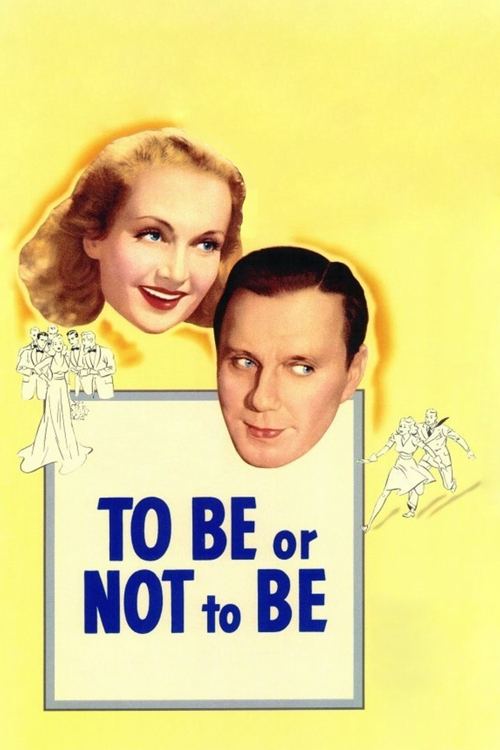
To Be or Not to Be
7.8

During the Nazi occupation of Poland, an acting troupe becomes embroiled in a Polish soldier's efforts to track down a German spy.

To Be or Not to Be

1942
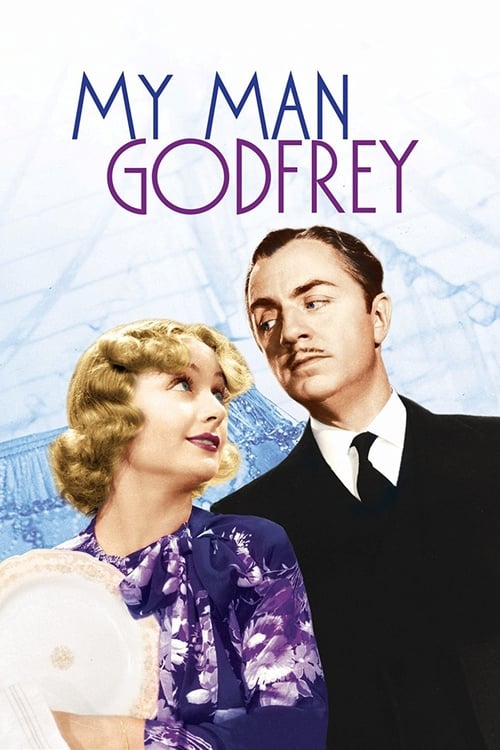
My Man Godfrey
7.6

Fifth Avenue socialite Irene Bullock needs a "forgotten man" to win a scavenger hunt, and no one is more forgotten than Godfrey Park, who resides in a dump by the East River. Irene hires Godfrey as a servant for her riotously unhinged family, to the chagrin of her spoiled sister, Cornelia, who tries her best to get Godfrey fired. As Irene falls for her new butler, Godfrey turns the tables and teaches the frivolous Bullocks a lesson or two.

My Man Godfrey

1936
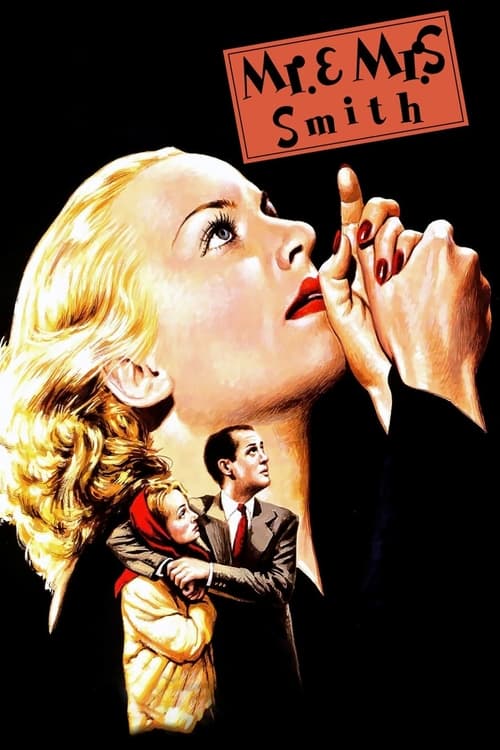
Mr. & Mrs. Smith
6.0

Happily married for three years, Ann and David Smith live in New York. One morning Ann asks David if he had to do it over again, would he marry her? To her shock, he answers, "No". Later that day, they separately discover that, due to a legal complication, they are not legally married.

Mr. & Mrs. Smith

1941
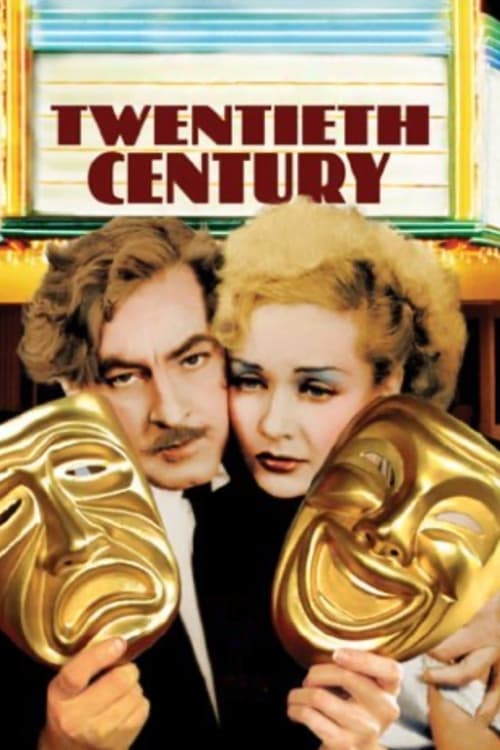
Twentieth Century
6.8

A temperamental Broadway producer trains an untutored actress, but when she becomes a star, she proves a match for him.

Twentieth Century

1934
The Eagle and the Hawk
6.7

The pilots of a Royal Air Force squadron in World War I face not only physical but mental dangers in their struggle to survive while fighting the enemy.

The Eagle and the Hawk

1933
Brief Moment
3.8

A high living society playboy marries a nightclub singer, and she soon realizes that, though they're genuinely in love, the husband's endless partying completely dominates and is destroying their marriage.

Brief Moment

1933
Brother, Can You Spare a Dime?
6.3

Period music, film clips and newsreel footage combined into a visual exploration of the American entertainment industry during the Great Depression.

Brother, Can You Spare a Dime?

1975
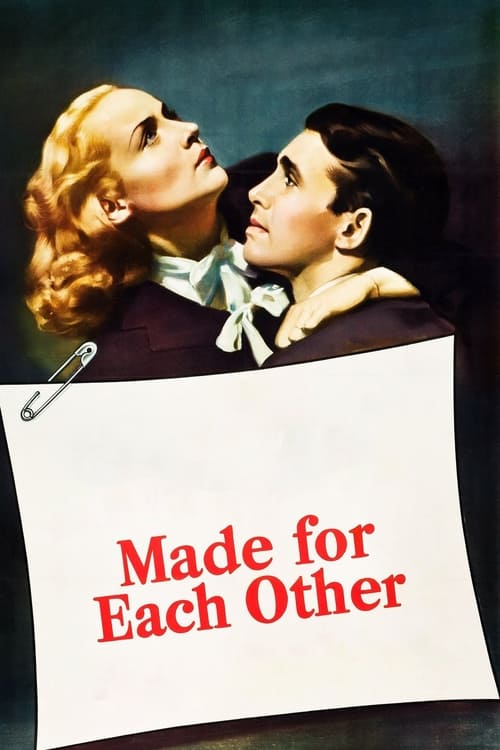
Made for Each Other
6.1

A couple struggle to find happiness after a whirlwind courtship.

Made for Each Other

1939
Nothing Sacred
6.3

When a small-town girl is incorrectly diagnosed with a rare, deadly disease, an unknowing newspaper columnist turns her into a national heroine.

Nothing Sacred

1937
That's Entertainment! III
7.0

Some of MGM'S musical stars review the studios history of musicals. From The Hollywood Revue of 1929 to Brigadoon, from the first musical talkies to Gene Kelly in Singin' in the Rain.

That's Entertainment! III

1994
White Woman
5.8

A nightclub singer marries the rich owner of a rubber plantation. When she returns with him to his estate in Malaysia, she finds out that he is cruel, vicious and insanely jealous. She and the plantation's overseer develop a mutual attraction, but are terrified at what will happen if her husband finds out.

White Woman

1933
Going Hollywood: The '30s
9.0

Robert Preston hosts this documentary that shows what people of the 1930s were watching as they were battling the Depression as well as eventually getting ready for another World War.

Going Hollywood: The '30s

1984
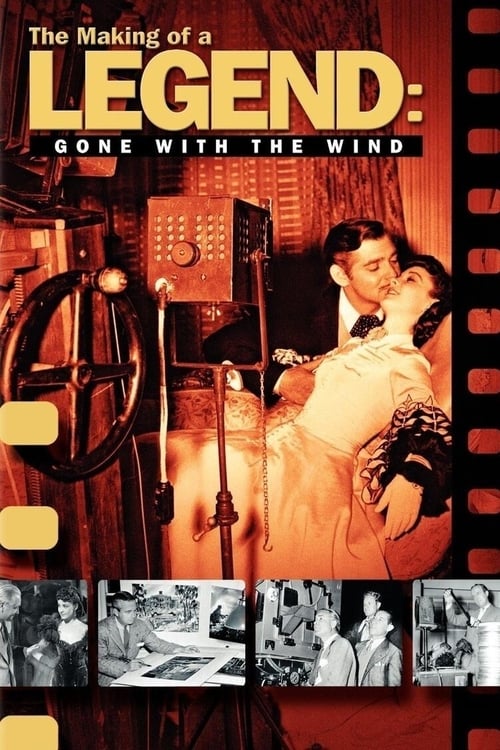
The Making of a Legend: Gone with the Wind
8.2

This documentary revisits the making of Gone with the Wind via archival footage, screen tests, insightful interviews and rare film footage.

The Making of a Legend: Gone with the Wind

1988
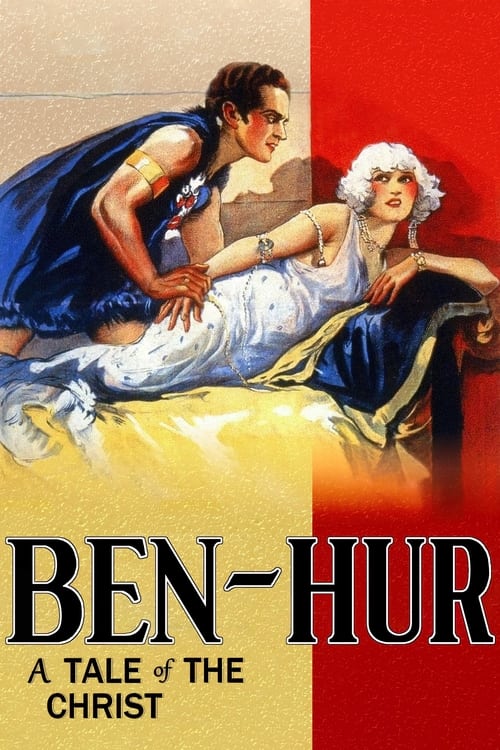
Ben-Hur: A Tale of the Christ
7.3

Erstwhile childhood friends, Judah Ben-Hur and Messala meet again as adults, this time with Roman officer Messala as conqueror and Judah as a wealthy, though conquered, Israelite. A slip of a brick during a Roman parade causes Judah to be sent off as a galley slave, his property confiscated and his mother and sister imprisoned. Years later, as a result of his determination to stay alive and his willingness to aid his Roman master, Judah returns to his homeland an exalted and wealthy Roman athlete. Unable to find his mother and sister, and believing them dead, he can think of nothing else than revenge against Messala.

Ben-Hur: A Tale of the Christ

1925
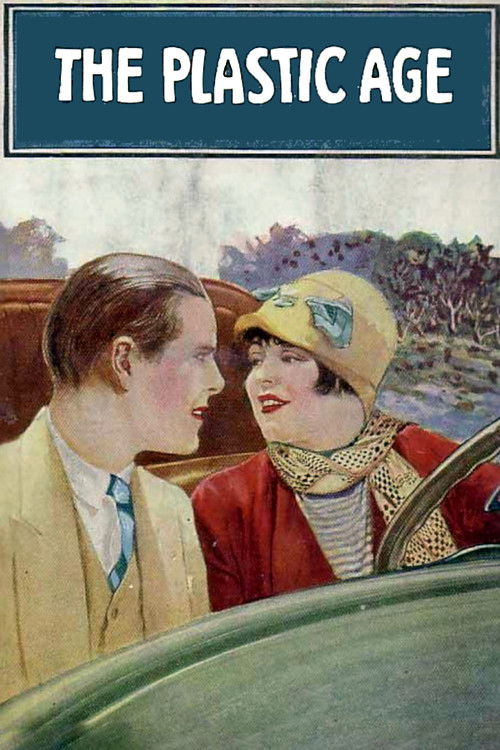
The Plastic Age
6.2

Hugh Carver is an athletic star and a freshman at Prescott College. He falls in love with Cynthia Day, a popular girl who loves to party, and finds that it's impossible to please her and still keep up with his studies and athletic training. Soon the two face some difficult decisions.

The Plastic Age

1925
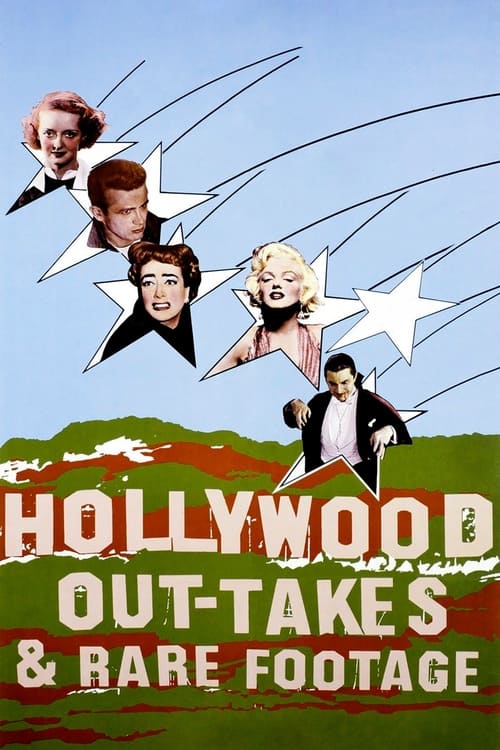
Hollywood Out-takes and Rare Footage
7.0

Out-takes (mostly from Warner Bros.), promotional shorts, movie premieres, public service pleas, wardrobe tests, documentary material, and archival footage make up this star-studded voyeuristic look at the Golden age of Hollywood during the 30s, 40, and 50.

Hollywood Out-takes and Rare Footage

1983
Oops, Those Hollywood Bloopers!
6.0

A collection of bloopers and outtakes from an enormous selection of Hollywood classic productions spanning from the 1930s through the 1980s.

Oops, Those Hollywood Bloopers!

1982
The Big Parade of Comedy
7.2

Film clips highlight the funniest scenes and brightest comic stars in MGM's history.

The Big Parade of Comedy

1964
Pretty Ladies
5.8

Maggie, a headlining comedienne with the Follies, takes a fall off the stage into the orchestra pit and lands on the drum of musician Al Cassidy. One thing leads to another, they fall in love and get married. Al becomes a famous songwriter and Maggie stays home and has children. One day Al is hired to write a big number for Selma Larson, one of the Follies' most beautiful stars, and falls for her.

Pretty Ladies

1925
Hollywood Goes to Town
7.0

This short shows how Hollywood gets ready for the world premiere of an "important" movie. The film celebrated here is Marie Antoinette (1938), which had its premiere at the Carthay Circle Theatre. We see the street leading to the theatre transformed to suggest a garden that might be seen in a French palace. This includes the placement of trees and other foliage, as well as large statues along the route. Grandstands are set up so fans can see their favorite stars as they arrive for the premiere. Finally, the proverbial "galaxy of stars" arrives in their limousines. Fanny Brice and Pete Smith make remarks at the microphone set up on the carpet outside the theatre.

Hollywood Goes to Town

1938