
Lee Soo-jung
Directing
Known For
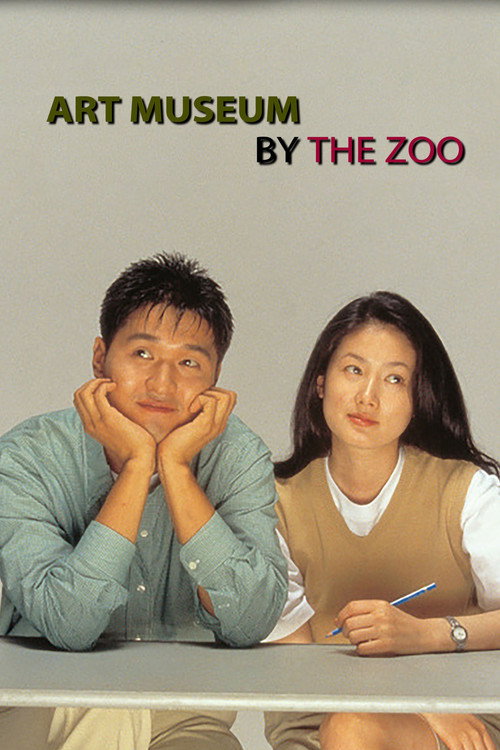
Through a misunderstanding, Chul-su arrives on the doorstep of Chun-hi. Having nowhere else to go, he forces her to allow him to stay until they can contact their mutual friend to solve the problem. Their initial contempt for each other gradually softens.
Art Museum by the Zoo
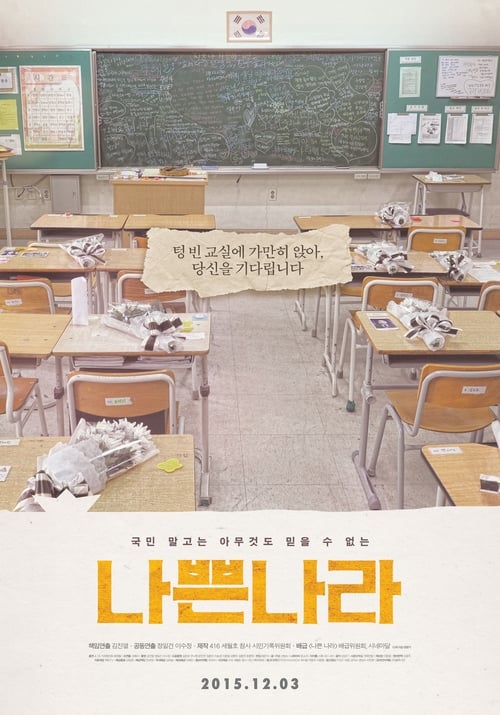
In April 2014, the entire nation of South Korea watched on television live as The Sewol capsized off the coast of Jindo. The tragedy left life-long wounds in the hearts of people whose family and friends had been among the 304 passengers killed. The majority of the victims were high school students on a school trip. Their parents were not even given the luxury of grieving, as they had to camp out in front of the Parliament, City Hall and the Presidential House, asking for only one thing - to know the truth about why their children had been left to die. But after more than a year, that truth has yet to be brought to light. This film is a documentation of the year-long struggle and painful soul-searching of people destined to be labelled as 'bereaved families' for the rest of their lives, as they come face to face with the naked face of their cruel country.
Cruel State
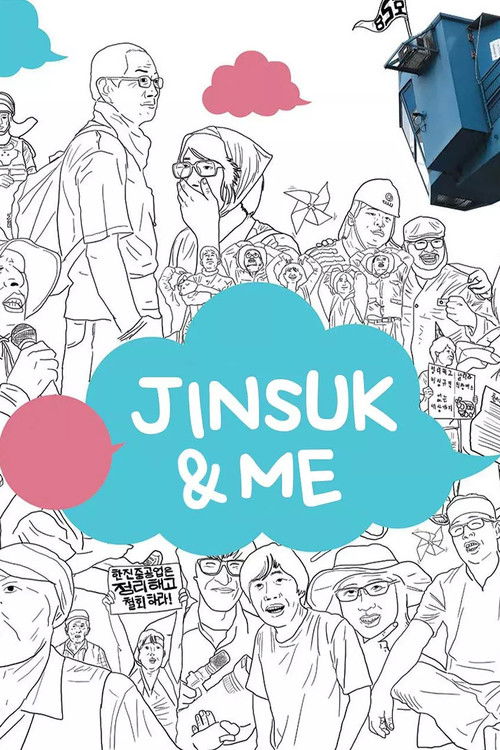
I have been pretty satisfied with my life before I got on the bus. When I do in June 2011, my whole life turns upside down. I am just a regular passenger at first. Like other people I was sorry, and felt obliged to help and care for other passengers. Then I begin to film these common heroes with my camera. Those who speak about hope, who provide it and get on the bus, Ms. Kim Jin-suk, and other crane laborers who risk their safety while demonstrating for their rights on high. She, while stationed insecurely on high, begins interacting with the world through Twitter and makes friends. Then I realize I really love her. Will we have her back safely?
Jinsuk & Me
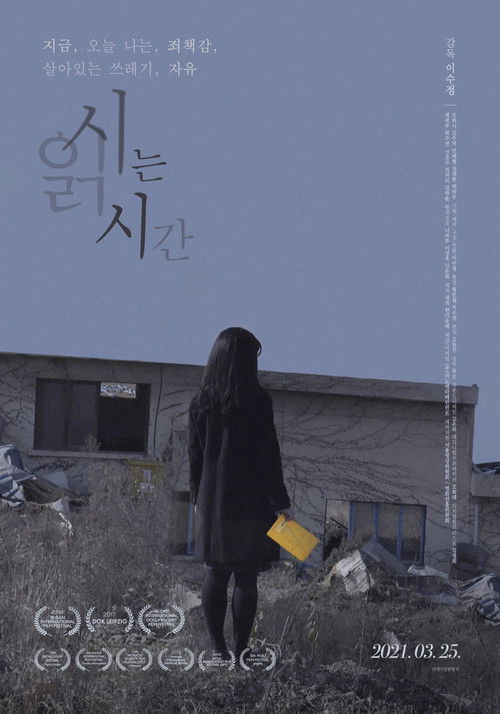
The experiences of five free-spirited individuals trying to break free from societal norms. Each narrative discusses creativity, mental health, labor activism and gender politics.
Time to Read Poems
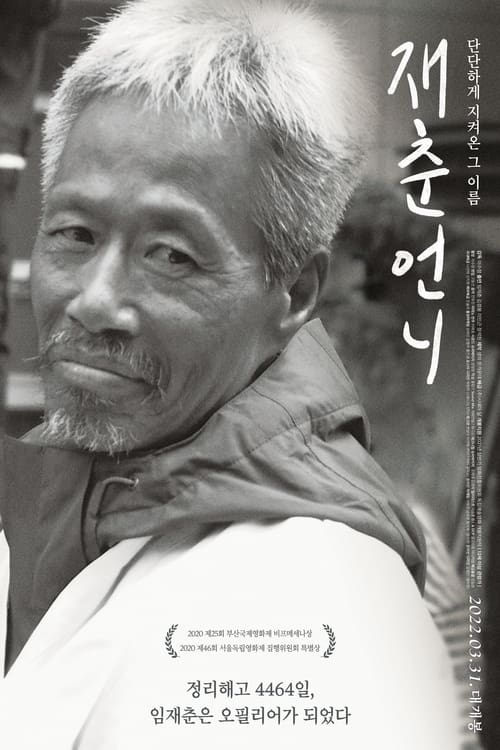
Lim Jaechun, who worked as a factory worker for 30 years and was suddenly laid off, spent 10 years in a tent as a sit-in. Director Lee Soojung calls her ‘sister J’. 10 years into the fight for reinstatement, Jaechun now writes, plays guitar, and sings while living in a tent. She says her personality has changed after 7 years of being laid-off from “originally timid” to being very lively. Sister J deals with a struggle for reinstatement, but it is actually a film about a single person, as stated in the title. This documentary brings artistic vitality to the ‘4,464 days’ Sister J spends on the site, with lines and music driven from the forms of the play into the cinema.
Sister J
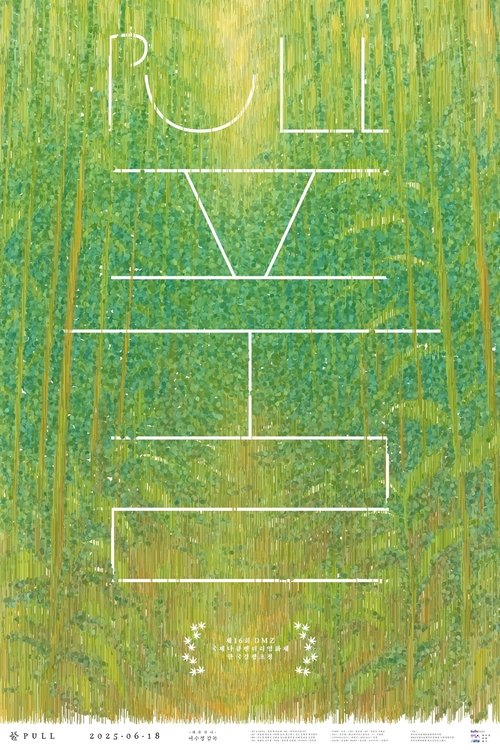
In an era defined by climate crisis and the ongoing coronavirus pandemic, a group of individuals embarks on a mission to sow the seeds of a controversial plant. They initiate their farming venture in Paju, near the border between North and South Korea, attracted by hemp's ecological benefits and its potential to foster peace. However, they soon face significant obstacles in a country where hemp is classified as an illegal drug. Those who require hemp for medical purposes, along with its advocates are criminalized as the plant itself is. In a nation that has declared a war on drugs, no one associated with hemp remains untouched by the shadow of illegality.
Pull
No description available.