FEEL IT.STREAM
André Cayatte

André Cayatte

Writing

Biography

André Cayatte (3 February 1909, in Carcassonne – 6 February 1989, in Paris) was a French filmmaker, writer and lawyer, who became known for his films centering on themes of crime, justice, and moral responsibility. Cayatte began his directoral career at the German-controlled Continental Films during the French occupation. Some of Cayatte's earlier films that addressed his characteristic themes include Justice est faite (Justice is Done; 1950), Nous sommes tous des assassins (We Are All Murderers; 1952), and Le passage du Rhin (Tomorrow Is My Turn; 1960). In 1963, he undertook a bold experiment in film narrative with a set of two films: Jean-Marc ou La vie conjugale (Anatomy of a Marriage: My Days with Jean-Marc) and Françoise ou La vie conjugale (Anatomy of a Marriage: My Days with Françoise). These two films tell the same story from two different points of view. His 1973 film, Il n'y a pas de fumée sans feu, won the Silver Bear Special Jury Prize at the 23rd Berlin International Film Festival. His younger brother was the film editor Paul Cayatte. Source: Article "André Cayatte" from Wikipedia in English, licensed under CC-BY-SA.

Known For

Les Rendez-vous du dimanche
6.0

A talk show presented by Michel Drucker

Les Rendez-vous du dimanche

1975
Le Grand Échiquier
8.0

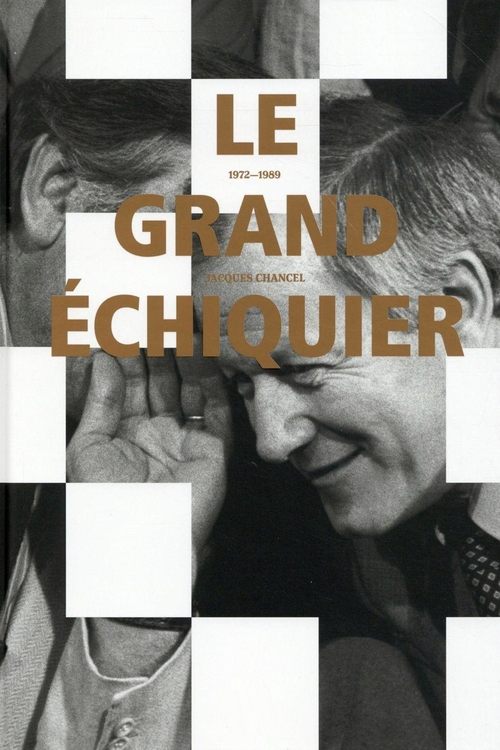
Le Grand Échiquier is a French variety television program created and presented by Jacques Chancel. It aired at 8:30 pm on the first channel of the ORTF from January 12, 1972 to July 12, 1972, then on the second color channel of the ORTF from September 1972 to December 1974, and finally on Antenne 2 from January 1975 to December 21, 1989. The program returned to France 2 on December 20, 2018 and is hosted by Anne-Sophie Lapix.

Le Grand Échiquier

1972
Discorama
8.0

No description available.

Discorama

1959
Cinépanorama
8.7

No description available.

Cinépanorama

1956
Reflets de Cannes
5.0

No description available.

Reflets de Cannes

1954
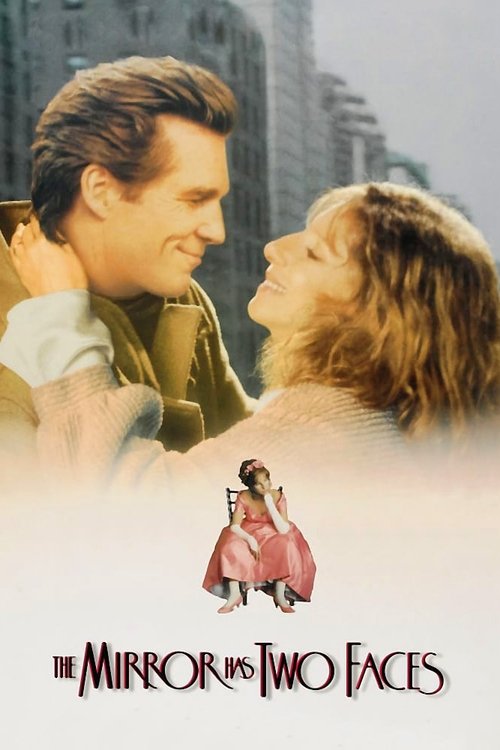
The Mirror Has Two Faces
6.7

Rose Morgan, who still lives with her mother, is a professor of Romantic Literature who desperately longs for passion in her life. Gregory Larkin, a mathematics professor, has been burned by passionate relationships and longs for a sexless union based on friendship and respect.

The Mirror Has Two Faces

1996
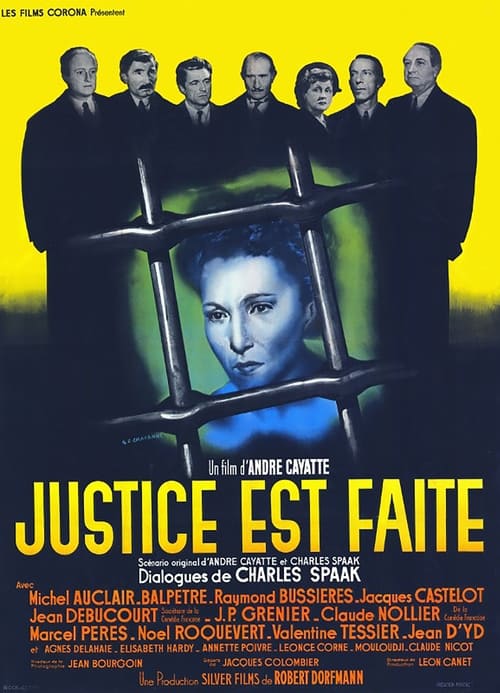
Justice Is Done
6.4

Elsa Lundenstein is accused of having murdered her lover. The jury discusses the case vividly. All members are somehow prejudiced because of personal life experience and subsequently each member reads something different into the presented facts.

Justice Is Done

1950
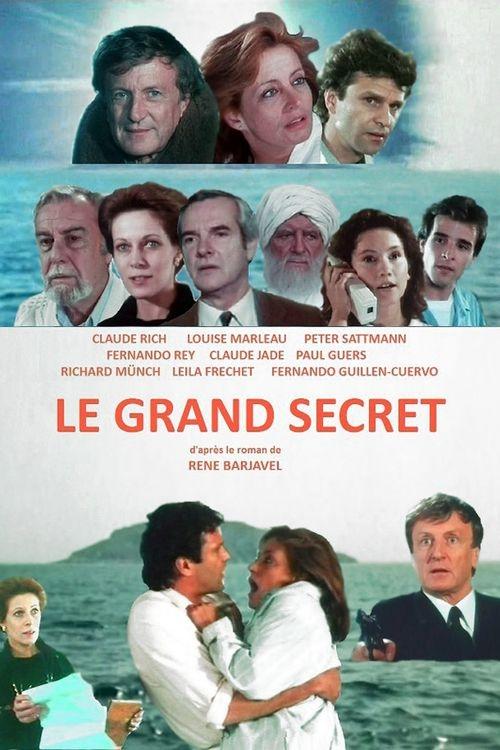
Le Grand Secret
7.0

A young woman searches for her biologist lover who disappeared after an Indian scientist made a discovery that could endanger humanity.

Le Grand Secret

1989
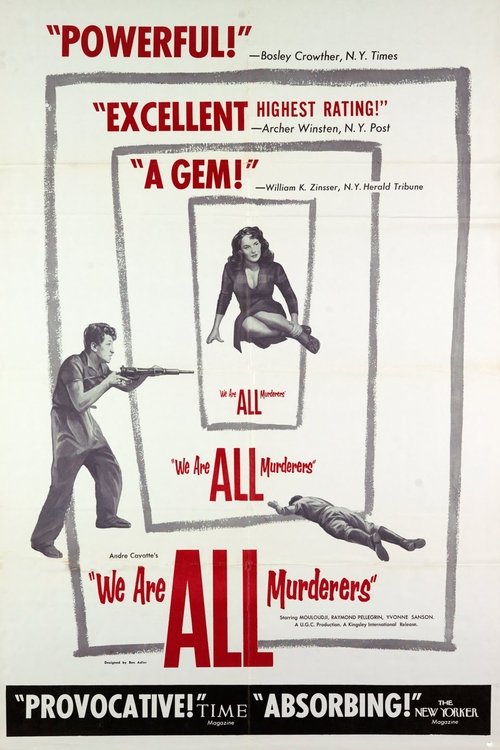
We Are All Murderers
6.7

Originally titled Nous Sommes Tout des Assassins, We Are All Murderers was directed by Andre Cayette, a former lawyer who detested France's execution system. Charles Spaak's screenplay makes no attempt to launder the four principal characters (Marcel Mouloudji, Raymond Pellegrin, Antoinine Balpetre, Julien Verdeir): never mind the motivations, these are all hardened murderers. Still, the film condemns the sadistic ritual through which these four men are brought to the guillotine. In France, the policy is to never tell the condemned man when the execution will occur--and then to show up without warning and drag the victim kicking and screaming to his doom, without any opportunity to make peace with himself or his Maker. By the end of this harrowing film, the audience feels as dehumanized as the four "protagonists." We Are All Murderers was roundly roasted by the French law enforcement establishment, but it won a special jury prize at the 1952 Cannes Film Festival.

We Are All Murderers

1952
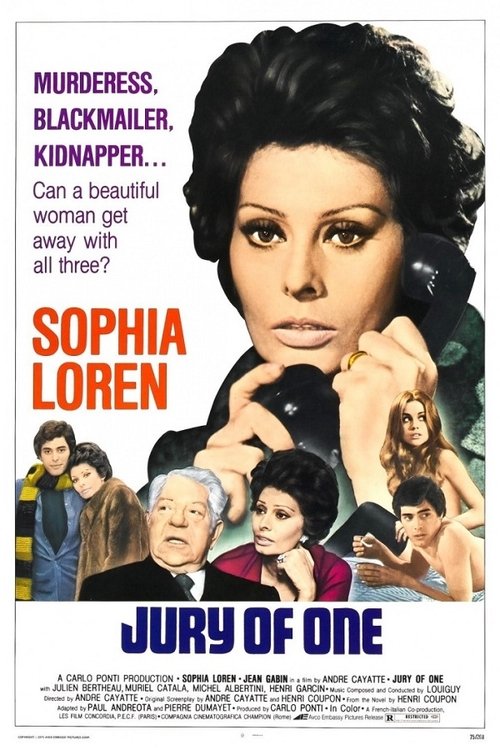
Jury of One
6.5

A desperate woman, whose son is on trial for murder, blackmails the judge and kidnaps his wife.

Jury of One

1974
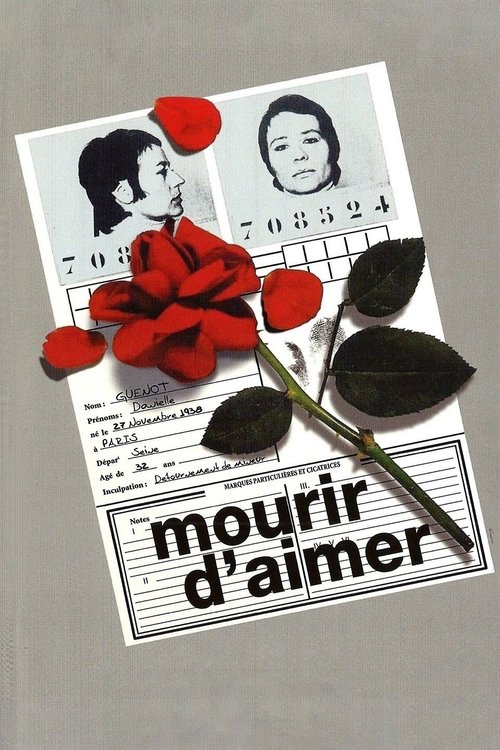
To Die of Love
6.4

A love story between a teacher, Danièle, 32 years and one of her students Gérard, 17 during the heated atmosphere of May 68. Danièle is a fiery young woman, very involved politically. Gérard's parents accuse Danièle of statutory rape and complain. Danièle is trapped and the drama begins...

To Die of Love

1971
Stormy Waters
6.8

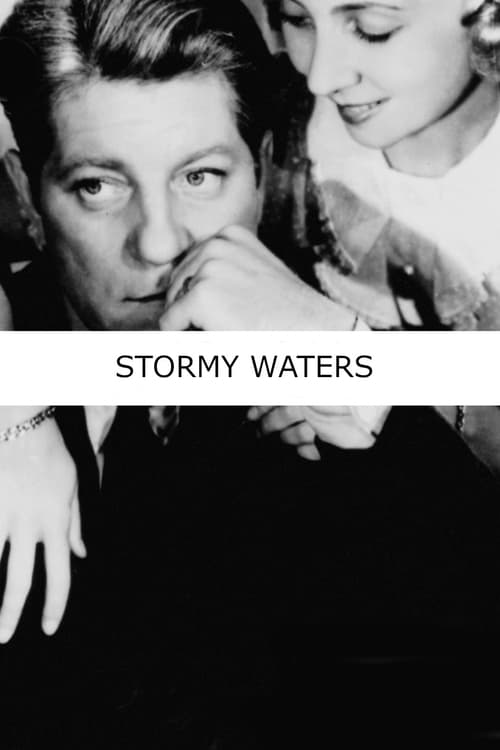
A married tugboat captain falls for a woman he rescues from a sinking ship.

Stormy Waters

1941
Risky Business
7.4

A teenage girl accuses her primary schoolteacher, Jean Doucet (Jacques Brel), of trying to rape her. The police and the mayor investigate, but Doucet denies the charges. Two other students come forward to reveal more of Doucet's misconduct – one confessing to be his mistress. Doucet faces trial and hard labor if convicted.

Risky Business

1967
An Eye for an Eye
5.8

In North Africa, an anguished husband tests the character of the doctor he believes is responsible for his wife’s death.

An Eye for an Eye

1957
Whims
6.4

Caprices tells the story of two young rich people. A famous actress poses as a poor florist, and a distinguished society man camouflages himself as forger and swindler. This game leads them to make close relations in a series of adventures.

Whims

1942
The Curtain Rises
7.8

1938, France, Paris, at the Superior Conservatory of Dramatic Art ("Conservatoire Supérieur d'Art Dramatique"). The first-year entrance exams are in full swing. Many applicants, few accepted. Isabelle (Janine Darcey) is one of the few chosen. She joins former students from the second and third years, including François (Claude Dauphin) and Cécilia (Odette Joyeux). They attend the drama class run by Professor Lambertin (Louis Jouvet). The young people, passionate and eager to become comedians, clash in tumultuous love affairs, because by dint of acting, they imagine that life is a farce. François, for example, is in love with Isabelle, who also loves him, but is pursued by Cecilia, his former mistress... "Put art in your life and life in your art!"

The Curtain Rises

1938
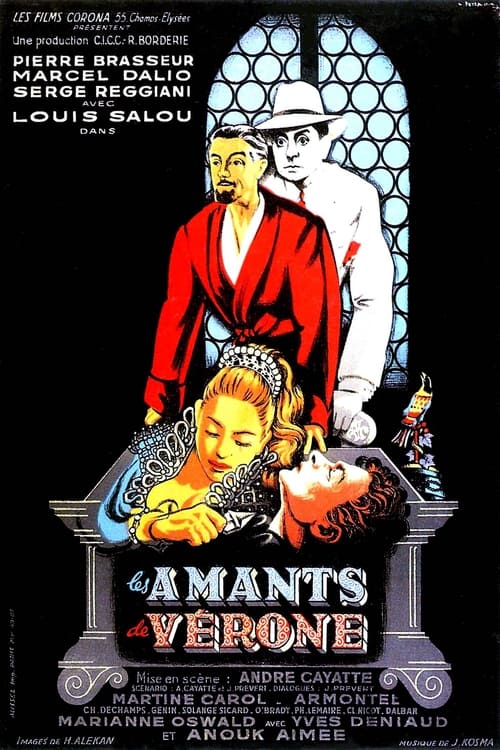
The Lovers of Verona
5.0

Angelo, a glass-blower from Murano, and Georgia Maglia, the pretty daughter of a fallen fascist magistrate, are chosen to be the stand-ins for the stars of a film version of "Romeo and Juliet" being shot on location in Venice and Verona. It is not long before they fall in love and their romance parallels that of Shakespeare's timeless heroes. Indeed their union is threatened by the schemings of Raffaele, the Maglia family's dubious tout...

The Lovers of Verona

1949
Return to Life
6.4

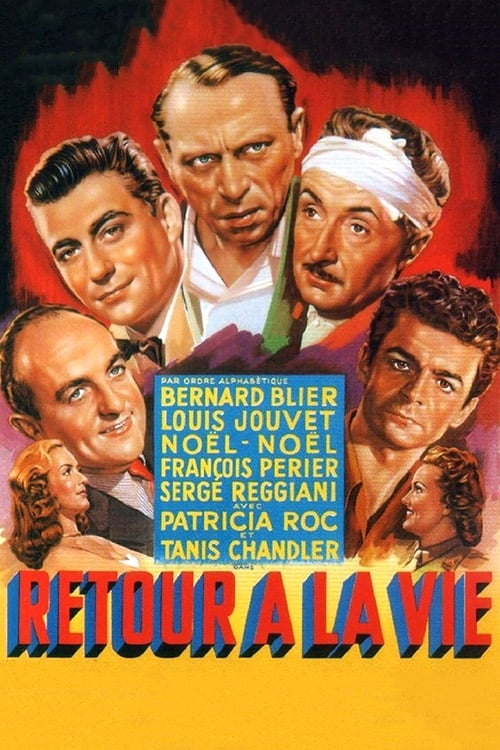
In France in 1946, the difficult return to civilian life of five deportees and prisoners of war after having lived through the hell of the Second World War.

Return to Life

1949
Shop Girls of Paris
7.1

The struggles of a small business owner come to light in this film by director André Cayatte. The proprietor of a fabric shop, M. Baudu faces stiff competition when a department store moves in across the street, the first of its kind in 1860s Paris. On top of the stresses associated with the rival retailer, Baudu’s niece and two nephews take up residence with him after recently being orphaned. The niece, Denise Baudu, sees the writing on the wall for her uncle’s business so she takes a job as a shop girl with his competitor and despite her success the decision does not register well with the family.

Shop Girls of Paris

1943
Katmandu
4.9

A rebellious socially-conscious man travels to Nepal to find his dead-beat dad. There, he meets Jane, a beautiful hippie girl hooked on drugs. He's forced to steal artefacts for his father's slimy employer to earn money to help Jane.

Katmandu

1969