Camera
Son of French director Jacques Becker and brother of French director Jean Becker.
In Montauban in 1944, Julien Dandieu is a surgeon in the local hospital. Frightened by the German army entering Montauban, he asks his friend Francois to drive his wife and his daughter in the back country village where Julien has an old castle. One week later, Julien decides to meet them for the week end, but the Germans are already occupying the village.
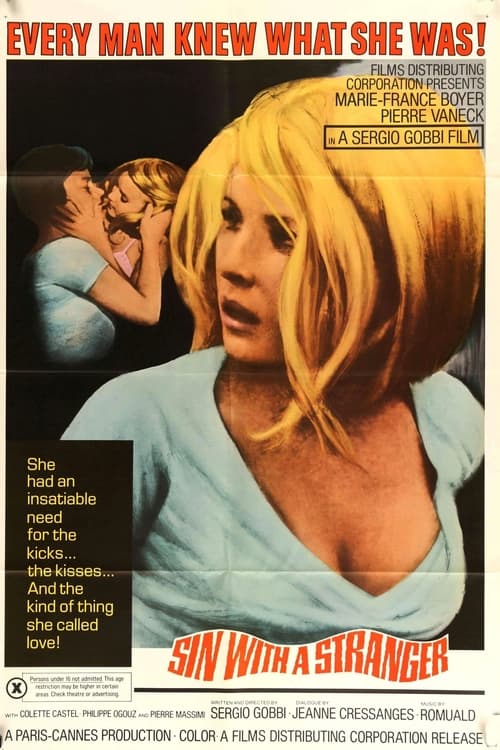
François, a journalist, is approached on the train home by pretty a blonde. She leaves at the same station as him and follows him until he ends up inviting her to his house.
Shortly after Elle Wieck moves to a small French village, she begins dating Pin-Pon, a quiet young mechanic who has grown obsessed with the beautiful newcomer. But Elle has her own reason for the relationship...
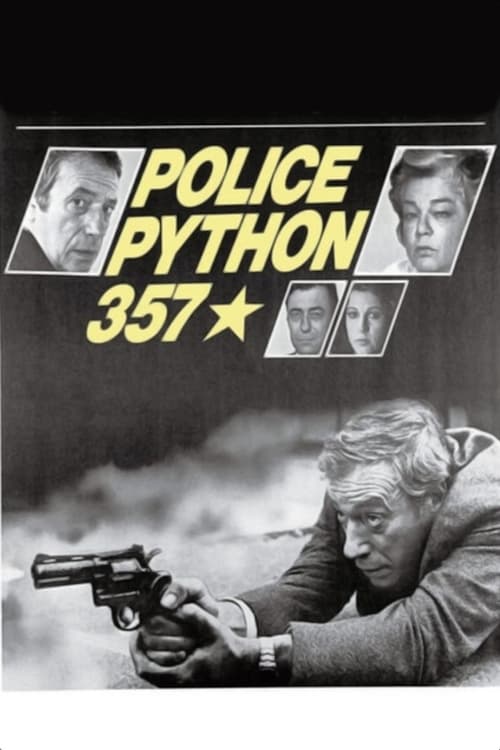
A methodical police inspector becomes entangled in a web of deceit after a murder investigation reveals disturbing connections to his own department. As suspicion tightens around him, he must outwit both the killer and the system to survive.
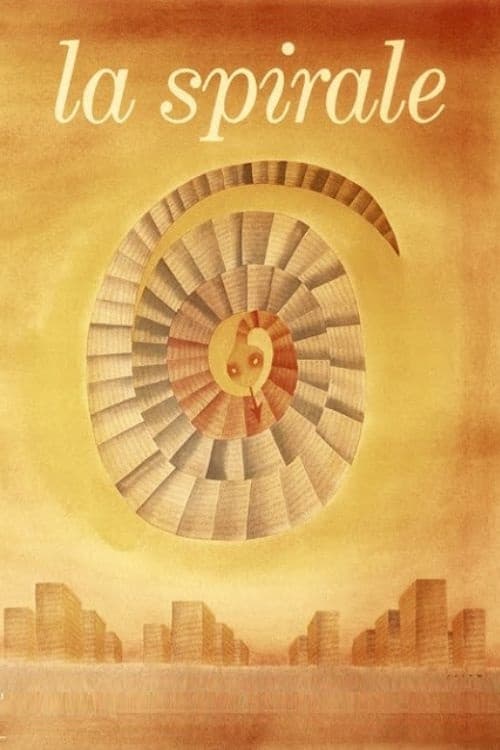
A man confronts his past during an experiment that attempts to find a solution to the problems of a post-apocalyptic world caused by a world war.
When Francois, a journalist, tours a big store for an article, he is chosen by the son of the newspaper's owner, Rambal-Cochet, as his new toy. Needing money and unwilling to quit his job, Francois agrees to this ridiculous assignment. Gradually befriending the spoiled boy, he induces him to play at making a newspaper, unveiling publicly the tyrannical way of life of the father. The powerful emotional climax we experience with the child astonishes both men.
Candid interviews of ordinary people on the meaning of happiness, an often amorphous and inarticulable notion that evokes more basic and fundamentally egalitarian ideals of self-betterment, prosperity, tolerance, economic opportunity, and freedom.
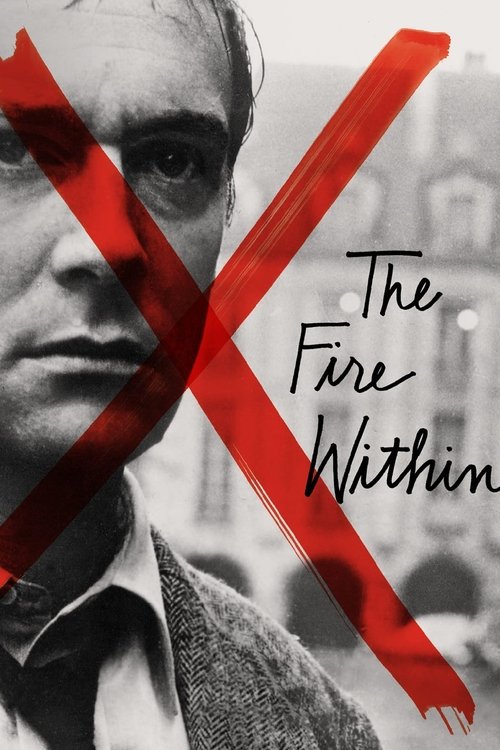
Depressed Alain Leroy leaves the clinic where he was detoxified. He meets friends, acquaintances and women, trying to find a reason to continue living.
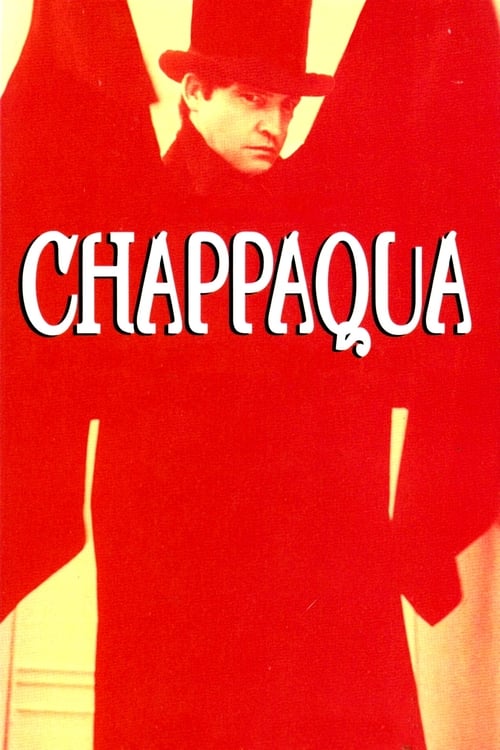
Semi-autobiographical story of Conrad Rooks, who travels to France to undergo a drug-withdrawal cure. Flashbacks to the beginings of psychedelia in San Fran. Though initially confusing, as Rooks blends drug-illusion with reality, and cuts color with black-and-white and monochrome tinted shots, "Chappaqua" is conventionally constructed with a beginning, middle, and end.
Documentary on the events provoked by the systematic attack of imperialism on the Popular Unity government in Chile, presided by Salvador Allende.
Marie has had a tough childhood ever since her mother Elisa committed suicide. She has spent most of her life in an orphanage and now makes a living as a small time criminal in Paris. Now she wants to unravel her past and find her father whom she blames for her mother's death.
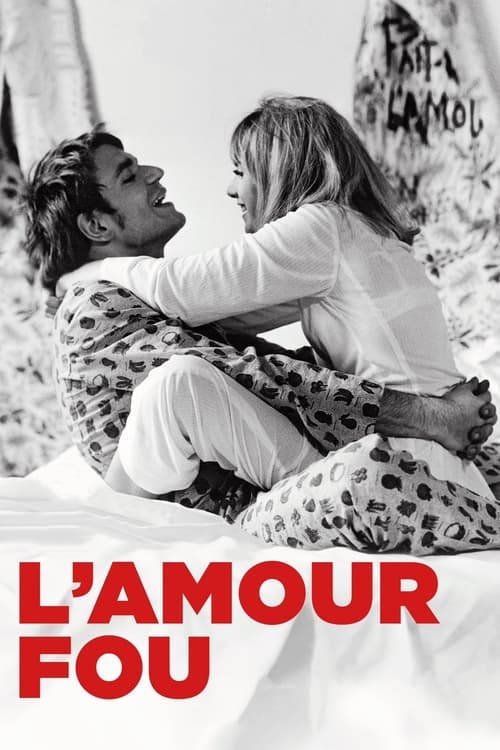
A troubled marriage is tested by the couple's involvement in a theatrical production of Racine’s Andromaque.
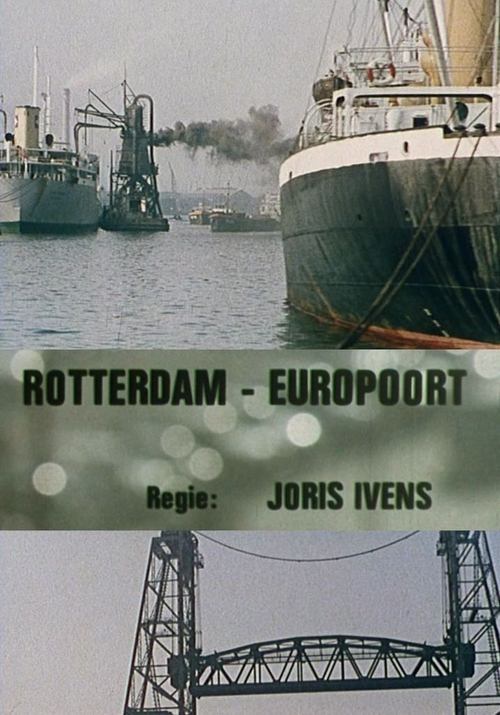
Instructional film about the (former) biggest harbour in the world, with a hybrid format. Well known Ivens themes are revisited, like The Flying Dutchman in the fiction part of the film, who returns to the modern day Rotterdam, that has recovered very well after the devastating bombardments in the second world war.
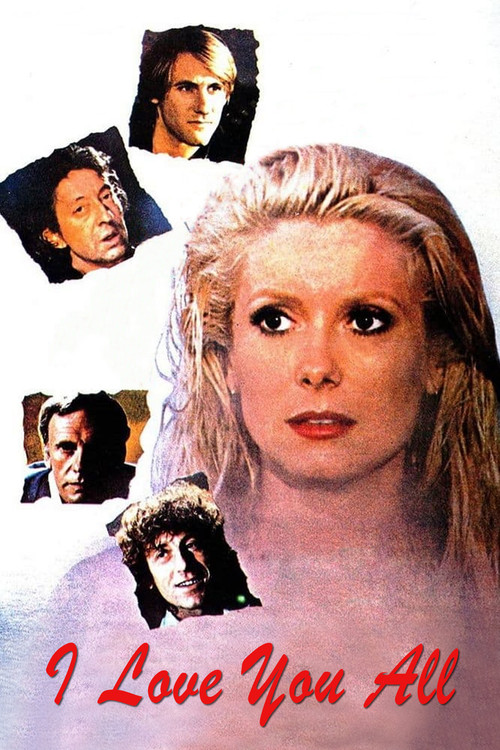
Alice invites her past two lovers and her current to Christmas dinner uniting them all in her house. In sentimental flashbacks she recalls the former times with each of them. While she reminisces, she also fixates on a new relationship that blooms and dies within the same calendar year leaving her to wonder if she's meant to be with anyone for any extended time.
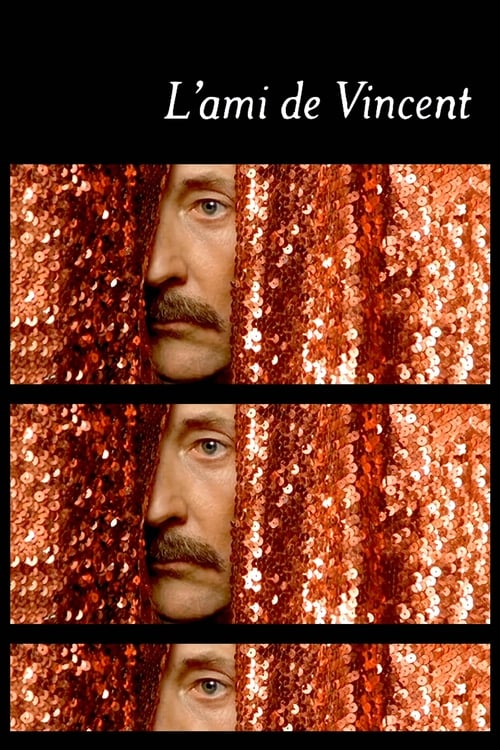
Vincent is the victim of an assassination attempt carried out by a young woman who wants to avenge her sister. Albert, the childhood friend of Vincent, wants to help and begins to investigate the woman, but he realizes that Vincent is perhaps not the person he seems to be.
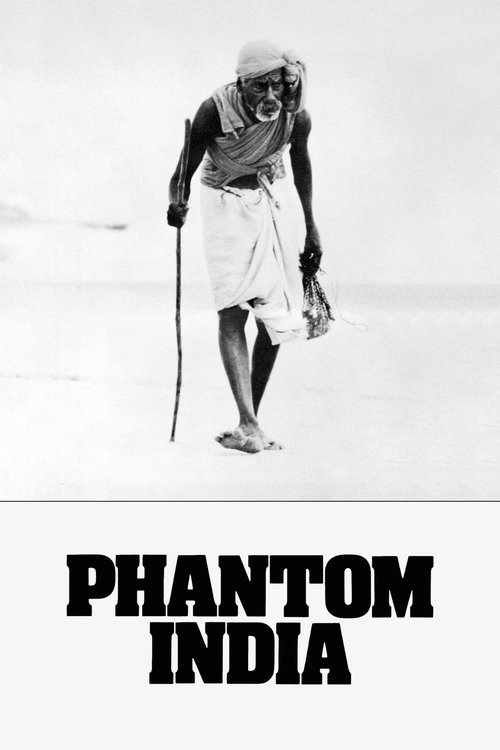
Louis Malle called his gorgeous and groundbreaking Phantom India the most personal film of his career. And this extraordinary journey to India, originally shown as a miniseries on European television, is infused with his sense of discovery, as well as occasional outrage, intrigue, and joy.
Marceau Léonetti, a competent and energetic officer stops by chance the son of an influential lawyer driving under the influence of alcohol. A few months later, the lawyer falsely accuses Léonetti as being violent and incompetent. As a result Marceau is transferred to a small police station, where he meets young and beautiful Jeanne. Soon they are faced with a tough investigation.
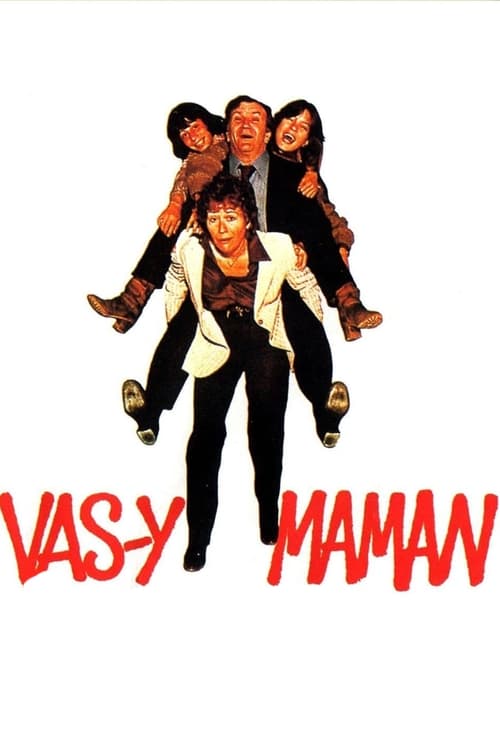
Tired of being a housewife, Annie wants to work. Between her professional life and her responsibilities as a parent, she can no longer cope. She decides to leave and starts writing a memoir of her life...
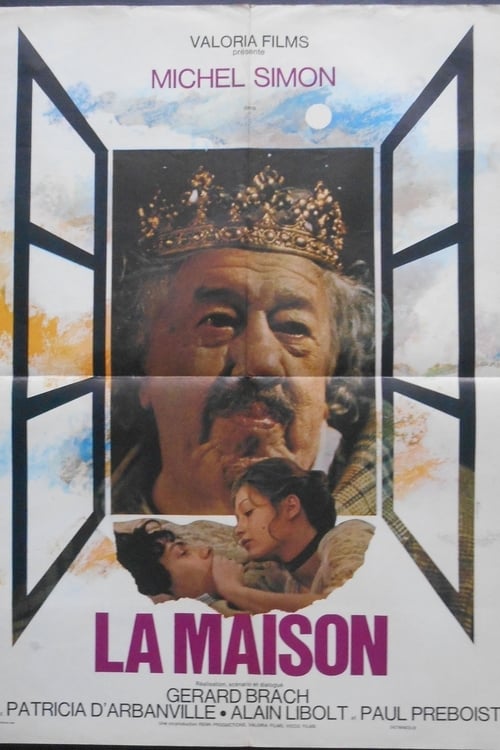
Former professor of natural history, Louis Compiegne lives in retirement in a big house, with Pascal, his faithful servant. The arrival of a young American student comes to disorder the quiet life of the pensioner.
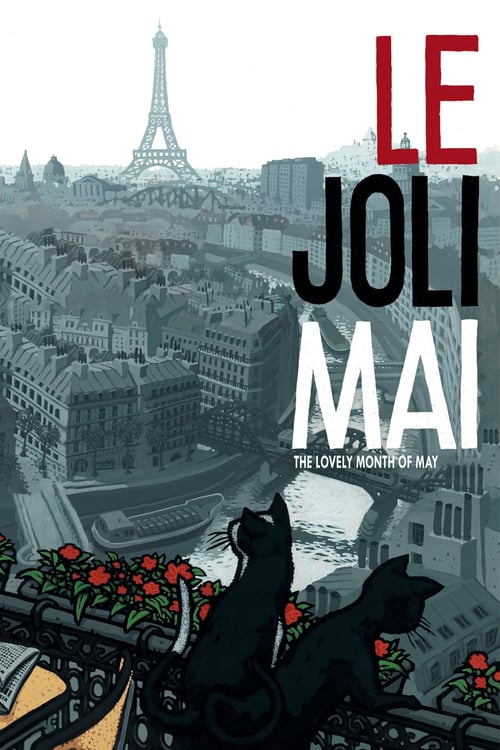
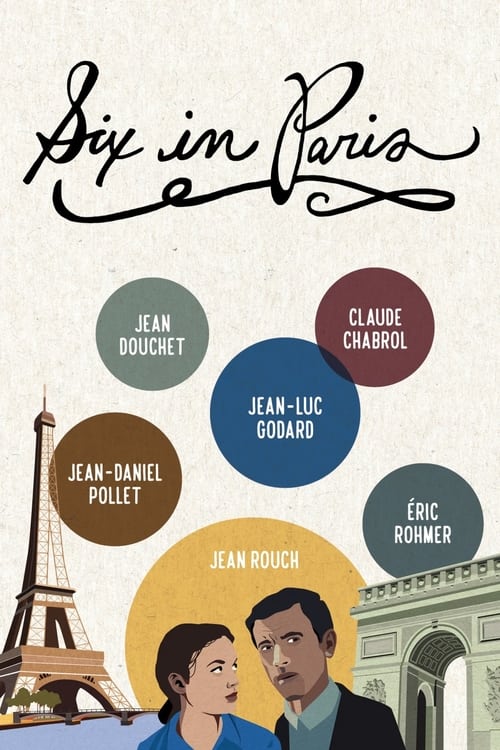
Six vignettes set in different sections of Paris, by six directors. St. Germain des Pres (Douchet), Gare du Nord (Rouch), Rue St. Denis (Pollet), and Montparnasse et Levallois (Godard) are stories of love, flirtation and prostitution; Place d'Etoile (Rohmer) concerns a haberdasher and his umbrella; and La Muette (Chabrol), a bourgeois family and earplugs.