Acting
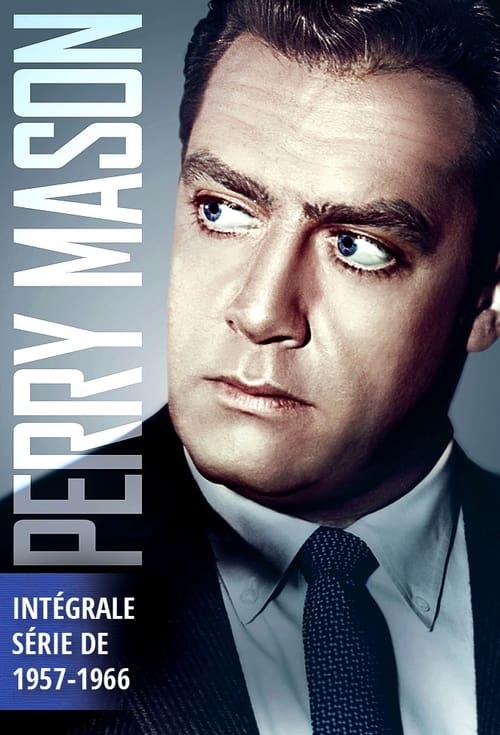
Le classique absolu de la série judiciaire. Les bases se posent dès le premier épisode : un avocat imperturbable, un sens implacable de la vérité et des enquêtes qui retournent chaque certitude. Chaque épisode commence par un accusé piégé par les apparences… et se termine par un coup de théâtre en pleine audience. Avec Della Street, précise et loyale, et Paul Drake, enquêteur redoutablement efficace, Mason navigue entre héritages piégés, mensonges familiaux, faux aveux et crimes maquillés. Ce charme rétro, cette tension des procès et l’intelligence des déductions rendent la série étonnamment moderne.
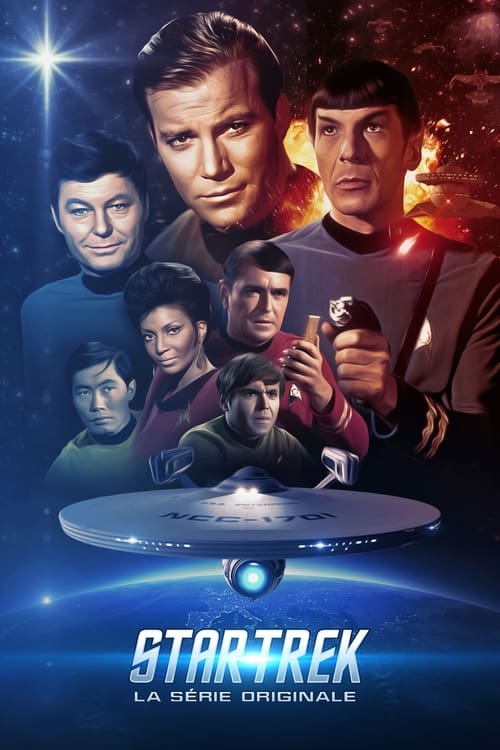
Cette série raconte les aventures vécues, au XXIIIe siècle, par James T. Kirk, capitaine du vaisseau Enterprise NCC-1701 et son équipage. Leur mission quinquennale est d'explorer la galaxie afin d'y découvrir d'autres formes de vie et d'enrichir ainsi les connaissances humaines.
Aucune description disponible.
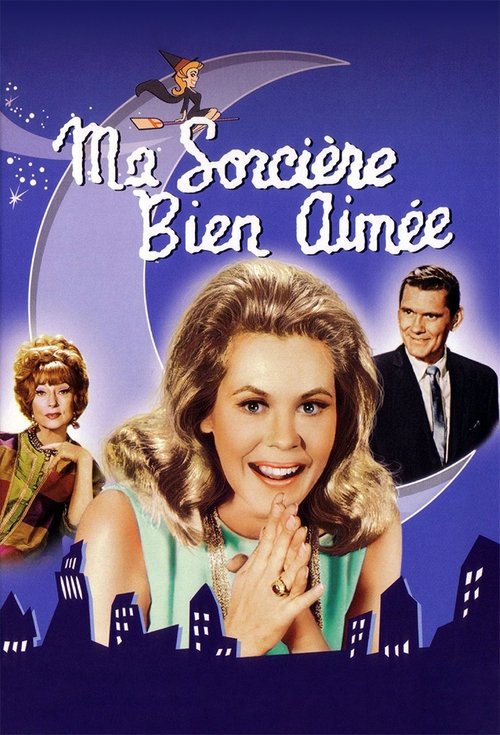
Quand la sorcière Samantha épouse l'humain Jean-Pierre, la vie quotidienne se transforme vite en une suite d'aventures loufoques et de quiproquos magiques.
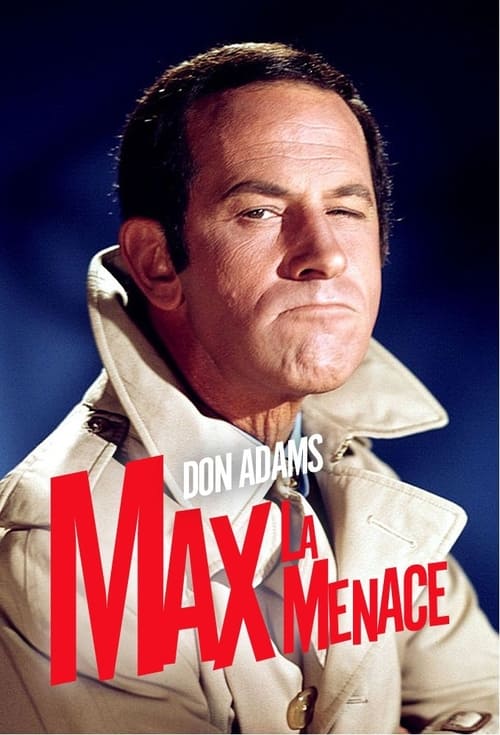
Max la Menace, l'agent 86, travaille pour CONTROL une organisation de contre-espionnage qui contrecarre tous les maléfiques projets de KAOS (on apprend lors de l'épisode 8 de la saison 2 que KAOS aurait été créée en 1904 à Bucarest), organisation visant à répandre le chaos. Max est aidé dans toutes ses missions par l'agent 99 ainsi que par l'agent K-13, un chien. Autre personnage intervenant dans tous les épisodes est le « chef » qui assigne ses missions à Max au début de chaque épisode. Max déjoue alors brillamment les plans de KAOS.
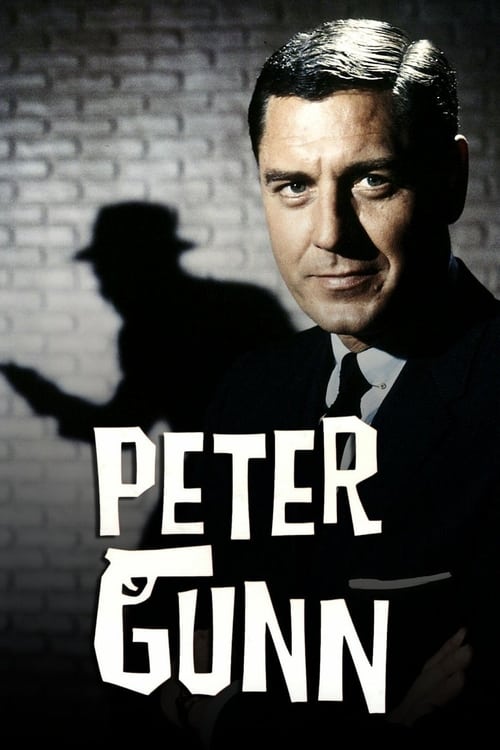
Peter Gunn, amateur de jolies femmes tout autant que de jazz, a quitté la police. Il est aujourd'hui un privé célèbre à Chicago. Une certaine Daisy Jane, tenancière d'une maison close de luxe, fait appel à Gunn pour qu'il retrouve Nick Fusco. Daisy est convaincue que celui-ci est l'auteur de l'assassinat de l'«Empereur des gangs», Julio Scarlotti, mais elle ne dispose d'aucune preuve. Elle prie donc le détective de faire la lumière sur cette affaire. Esprit frondeur, toujours prêt à secourir une belle femme, Gunn s'attelle donc à la tâche et commence son enquête. Comme à son habitude, il ne tarde pas à s'attirer les pires ennuis...
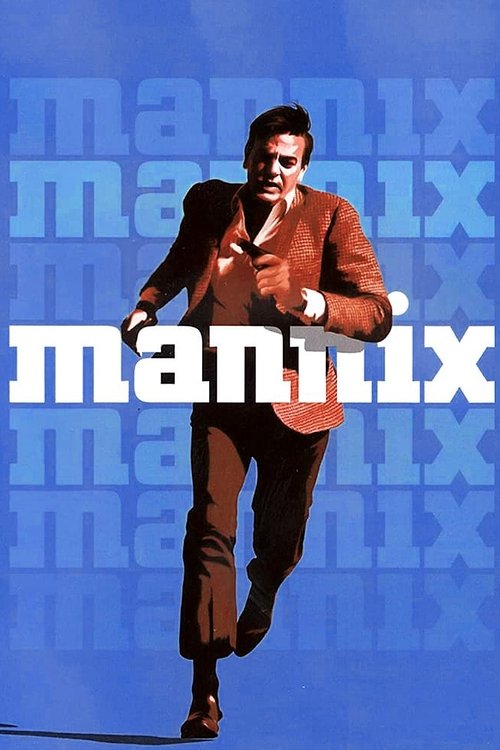
Joe Mannix est un enquêteur au service de la société Intersect. Dirigée par Lew Wickersham, cette agence peut toujours compter sur ses ordinateurs super puissants pour gérer les crises et obtenir des informations. Pourtant, Mannix, son meilleur agent, privilégie le terrain. Retrouver des personnes disparues, rechercher des objets volés ou démêler des affaires de corruption sont dans ses cordes. En raison de ses méthodes de vraie tête brûlée trop solitaire, le justicier au brushing impeccable entre très souvent en conflit avec son supérieur, dont la vision d’une affaire n’est jamais la même.
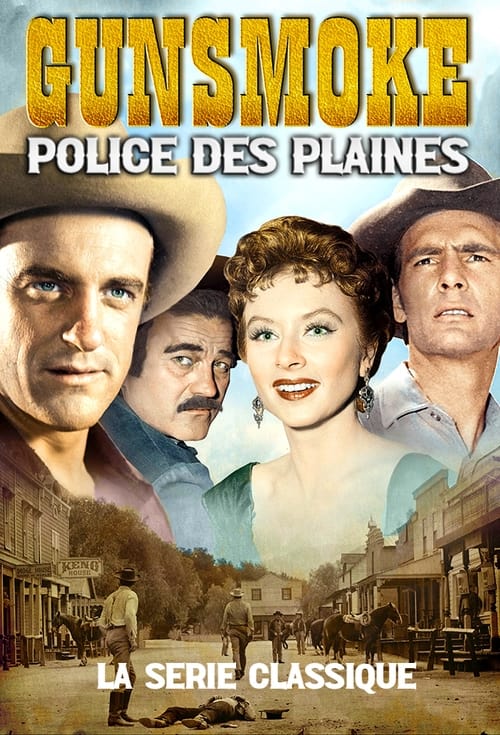
Gunsmoke est une série dramatique américaine de radio et de télévision créée par le réalisateur Norman MacDonnell et l'écrivain John Meston. Les histoires se déroulent dans et autour de Dodge City au Kansas, pendant la colonisation de l'Ouest américain. Le personnage central est le maréchal Matt Dillon, joué par William Conrad à la radio et par James Arness à la télévision.
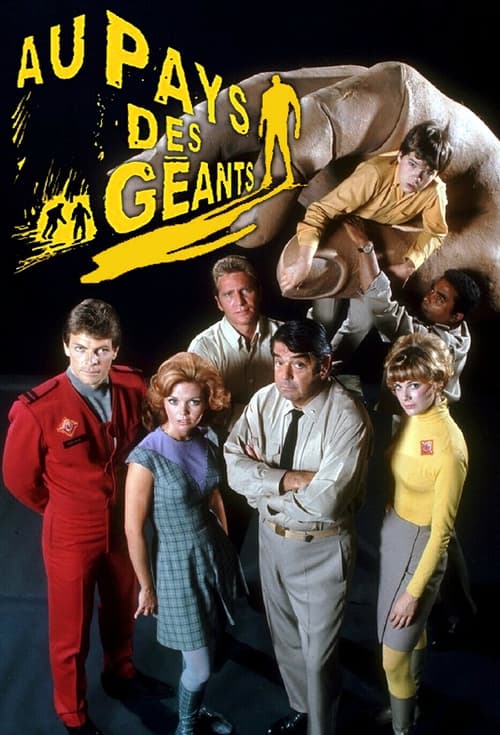
Lors d'un vol suborbital entre New York et Londres, trois membres d'équipage et quatre passagers sont projetés sur une planète semblable à la Terre, à la différence qu'elle est peuplée d'humains et d'animaux douze fois plus grands qu'eux. Tandis qu'ils tentent de réparer leur vaisseau endommagé afin de regagner la Terre, ils doivent faire face à la menace permanente que représentent les habitants de cette planète. Au pays des géants (Land of the Giants) est une série télévisée américaine en 51 épisodes de 48 minutes, créée par Irwin Allen et diffusée entre le 22 septembre 1968 et le 22 mai 1970 sur le réseau ABC. Au début des années 1970, la série a été diffusée en France sur TMC et sur RTL, et au Québec à Radio-Canada. Elle fut reprise 1993 sur Série Club.
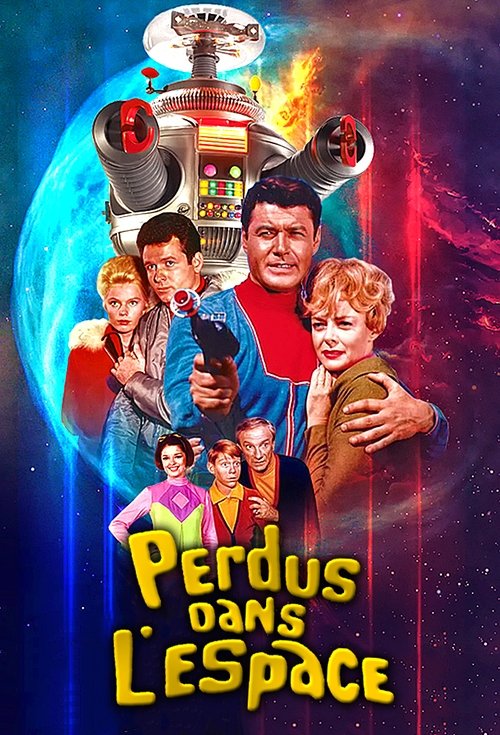
En 1997, alors que la Terre est surpeuplée, la famille Robinson a été choisie pour se rendre dans le système d'Alpha Centauri afin d'y fonder une colonie. Embarqués à bord du vaisseau Jupiter II qui a été saboté par le Docteur Smith, ils se retrouvent perdus dans l'espace…
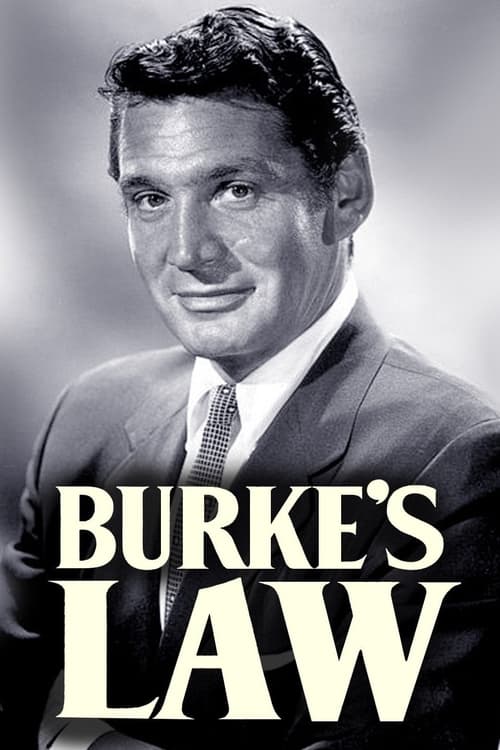
Cette série met en scène Amos Burke, capitaine de la brigade criminelle de Los Angeles et élégant milliardaire se déplaçant uniquement, avec chauffeur et secrétaire, dans sa Rolls-Royce Phantom V.
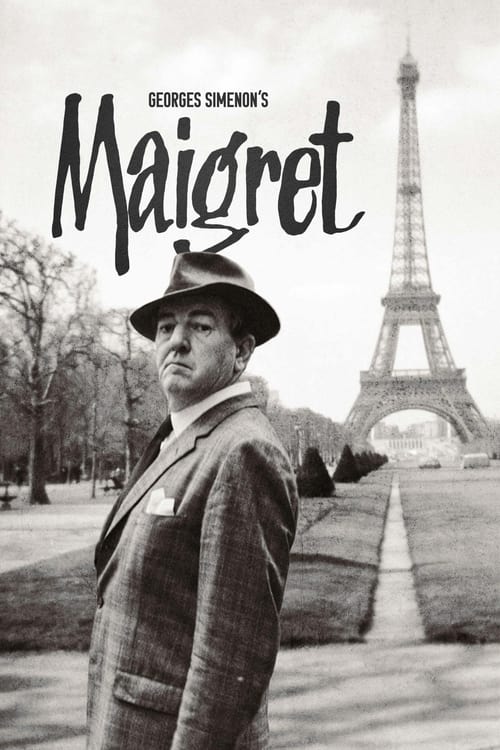
Maigret (titre original) est une série télévisée policière britannique, en quatre saisons et cinquante-deux épisodes (+ un épisode pilote), diffusée originellement de 1960 à 1963. Les enquêtes du commissaire Jules Maigret, basées sur les romans de Georges Simenon.