FEEL IT.STREAM
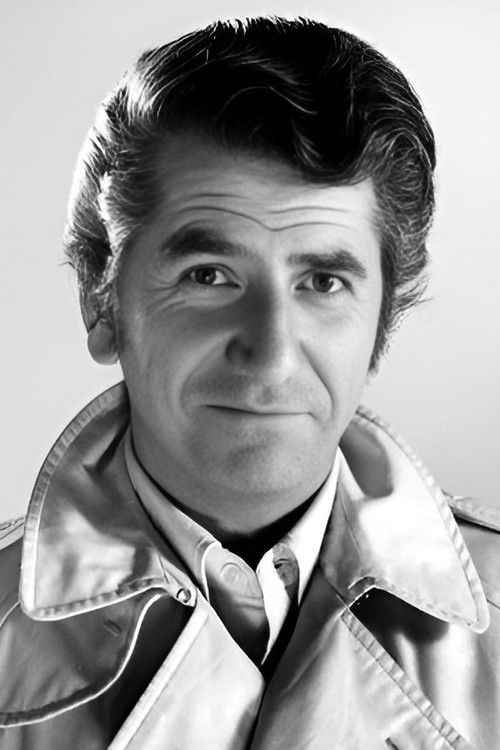
Daniel Gélin

Daniel Gélin

Acting

Biography

Daniel Yves Alfred Gélin (19 May 1921 – 29 November 2002) was a French actor. Gélin was born in Angers, Maine-et-Loire, the son of Yvonne (née Le Méner) and Alfred Ernest Joseph Gélin. When he was ten, his family moved to Saint-Malo where Daniel went to college until he was expelled for 'uncouthness'. His father then found him a job in a shop that sold cans of salted cod. It was seeing the shooting of Marc Allégret's film Entrée des artistes that triggered his desire to go to Paris to train to be an actor. He trained at the Cours Simon in Paris before entering the Conservatoire national d'art dramatique. There he met Louis Jouvet and embarked on a theatrical career. He made his first film appearance in 1940 in Miquette and for several years was an extra or played small roles in French films. He appeared with Jean Gabin and Marlene Dietrich in Martin Roumagnac (1946). He won his first leading role in Rendez-vous de juillet (1949). From that time, he went on to appear in more than 150 films, including Max Ophüls' films La Ronde (1950) and Le Plaisir (1952), Jacques Becker's Édouard et Caroline (1951), Sacha Guitry's films Si Versailles m'était conté (Royal Affairs in Versailles) (1954) and Napoléon (1955), Alfred Hitchcock's The Man Who Knew Too Much (1956), Jean Cocteau's Le Testament d'Orphée (1960), Le souffle au cœur (Murmur of the Heart) (1971), and La Nuit de Varennes (That Night in Varennes) (1982). He also wrote and directed one film, The Long Teeth, in 1952. Gélin was a leading man in French cinema during the 1950s, but his career declined with the coming of the New Wave. He worked in theater for several years, but later found new success on screen as a character actor. He appeared extensively in French films and television productions from the 1970s until his death, often playing cynical characters or grumpy old men. In 1946, Gélin married actress Danièle Delorme with whom he had a son, actor, director and producer Xavier Gélin. They divorced in 1954. While still married to Delorme, he had an affair with 17 year old model Marie Christine Schneider that produced a daughter, Maria Schneider. Due to his status as a married man, Gélin could not recognize Maria as his daughter. He visited the child several times but eventually severed his relationship with her mother. Maria Schneider and Daniel Gélin reconnected when she was sixteen and came to visit him. They remained in contact, although their relationship was irregular. Gélin was married to model Sylvie Hirsch from 1954 until their divorce in 1968. This marriage produced three children, Pascal (who died aged one year), Fiona , and Manuel, the latter two also becoming actors. In 1973, he remarried to Lydie Zaks with whom he had a daughter, Laura. Gélin died in Paris on 29 November 2002 of kidney failure. Source: Article "Daniel Gélin" from Wikipedia in English, licensed under CC-BY-SA 3.0.

Known For

Sacrée Soirée
5.7

No description available.

Sacrée Soirée

1987
Les Rendez-vous du dimanche
6.0

A talk show presented by Michel Drucker

Les Rendez-vous du dimanche

1975
Midi Première
9.0

Midi Première is a French variety show presented by Danièle Gilbert, directed by Jacques Pierre and broadcast from January 6, 1975 until January 1, 1982 on TF1. The program was generally broadcast between 12:15 p.m. and 12:55 p.m., then giving way to the 1:00 p.m. TV news. However, the broadcast schedule could change, depending on the guests, and the setting where the recording of the program was shot. Certain performances by artists who have become cult like the one where Ringo jostles with a demonstrator in interpretation (1977), that of Dalida with the title There is always a song with the soundtrack that does not start, twice, at the right speed (1978), Claude François and his Clodettes, who, in the provinces, are unable to join "the set" in order to interpret his song, the latter being taken by the crowd of delirious fans (summer 1977) . The group Supertramp performed there with the title "Dreamer" on March 8, 1975.

Midi Première

1975
Le Grand Échiquier
8.0

Le Grand Échiquier is a French variety television program created and presented by Jacques Chancel. It aired at 8:30 pm on the first channel of the ORTF from January 12, 1972 to July 12, 1972, then on the second color channel of the ORTF from September 1972 to December 1974, and finally on Antenne 2 from January 1975 to December 21, 1989. The program returned to France 2 on December 20, 2018 and is hosted by Anne-Sophie Lapix.

Le Grand Échiquier

1972
Numéro un
7.5

A French variety show.

Numéro un

1975
Maigret
7.8

The pragmatic, reserved and refined Maigret investigates murders in his singular unhurried manner and inevitably discovers the truth.

Maigret

1991
Cinépanorama
8.7

No description available.

Cinépanorama

1956
Arsène Lupin
7.8

Arsène Lupin is a French TV show which was co-produced with German, Canadian, Belgian, Dutch, Swiss, Italian and Austrian TV stations. It was only loosely based on Maurice Leblancs novels. Georges Descrières' portrayal of Arsène Lupin showed more similarity to Graf Yoster than to Maurice Leblanc's original. He behaved in the first place as a perfect gentleman who never got angry. He was always relaxed, because whatever could possibly had bothered him in daily life was taken care of by his butler. It wasn't questioned how he had come to his financial independence although the series sometimes discreetly implied that he was a professional criminal. Besides rescuing damsels in distress Lupin took on criminals, competing with their wit and intelligence. Either he stole paintings from rich people who had to be considered white-collar criminals or he acted as a detective who derailed criminal schemes. However, when he was attacked, he could defend himself effortlessly by using elegant jujutsu methods. Among the guest stars were German actors such as Günter Strack and Sky du Mont. Jean-Paul Salomé said in his commentary on the DVD version of his film Arsène Lupin he had like this series as a child. German TV, one the investors, would broadcast the show eventually between 18:00-20:00 o'clock because it was only allowed to show commercials within that very timeslot. For them to get a financial return on investment the show had to be appropriate for families and also for children who would watch it alone. Subsequently it was nearby to ask to defuse and flatten some of Leblanc's plots in order to avoid possible complaints that could force the station to broadcast the show beyond the "Vorabendprogramm".

Arsène Lupin

1971
No image
N/A

No description available.

Système 2

1975
Reflets de Cannes
5.0

No description available.

Reflets de Cannes

1954
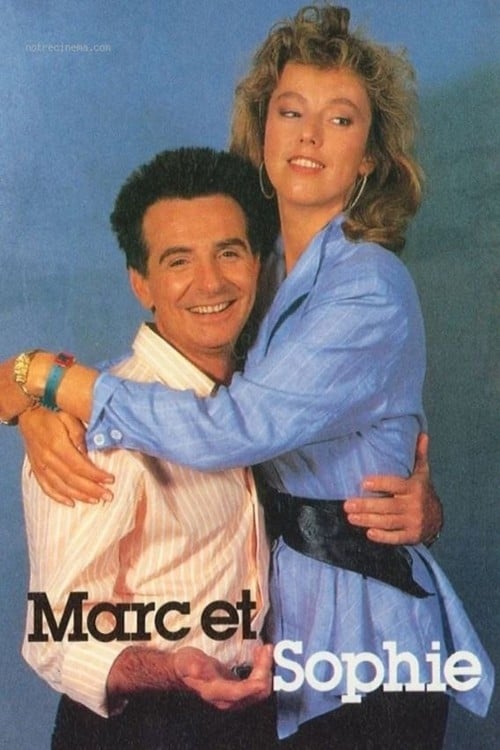
Marc et Sophie
5.9

No description available.

Marc et Sophie

1987
No image
7.3

No description available.

Der große Preis

1974
Les Nuls, l'émission
8.6

No description available.

Les Nuls, l'émission

1990
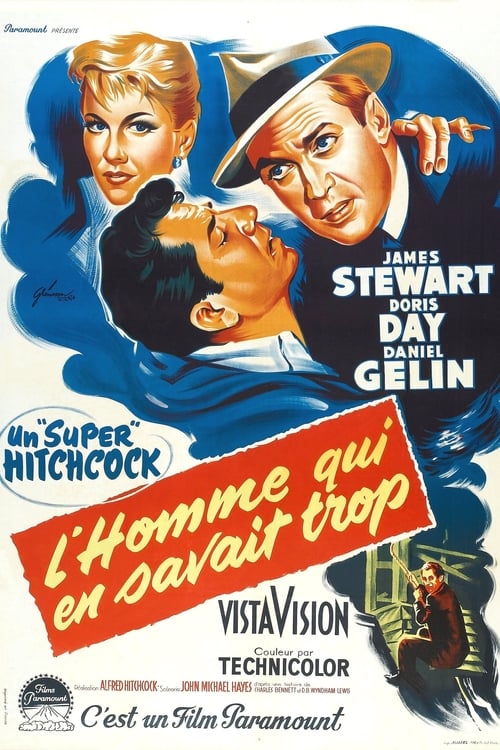
The Man Who Knew Too Much
7.4

An American doctor and his wife, a former singing star, witness a murder while vacationing in Morocco, and are drawn into a twisting plot of international intrigue when their young son is kidnapped.

The Man Who Knew Too Much

1956
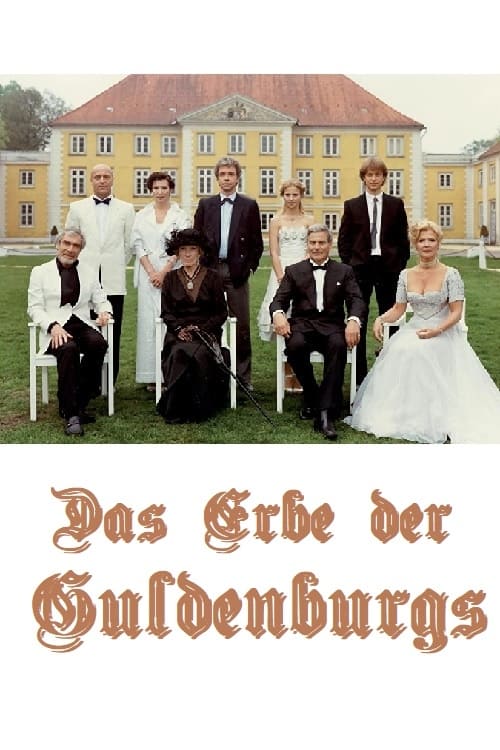
The Legacy of Guldenburgs
4.9

The life of the German noble family von Guldenburg.

The Legacy of Guldenburgs

1987
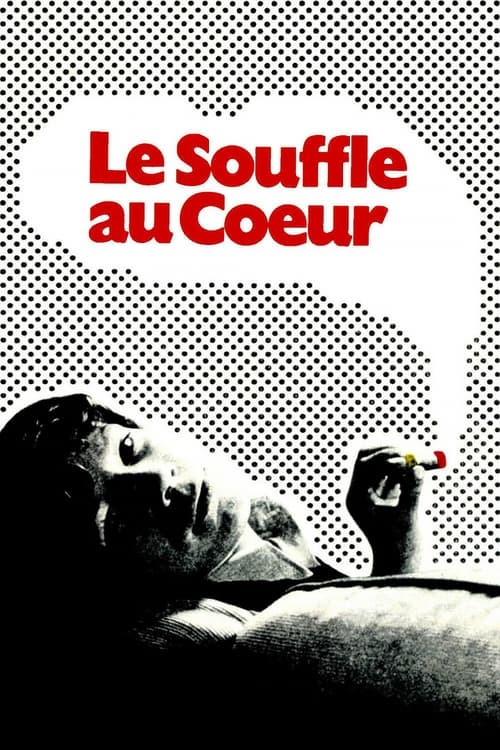
Murmur of the Heart
7.0

This loosely plotted coming-of-age tale follows the life of 15-year-old Laurent Chevalier as he stumbles his way over the burgeoning swell of adolescence in 1950s France. After having his first sexual experience with a prostitute and dodging the lips of a priest, Chevalier contracts a case of scarlet fever. When the fever leaves him with a heart murmur, Chevalier is placed in a sanatorium, along with his over-attentive and adulterous mother.

Murmur of the Heart

1971
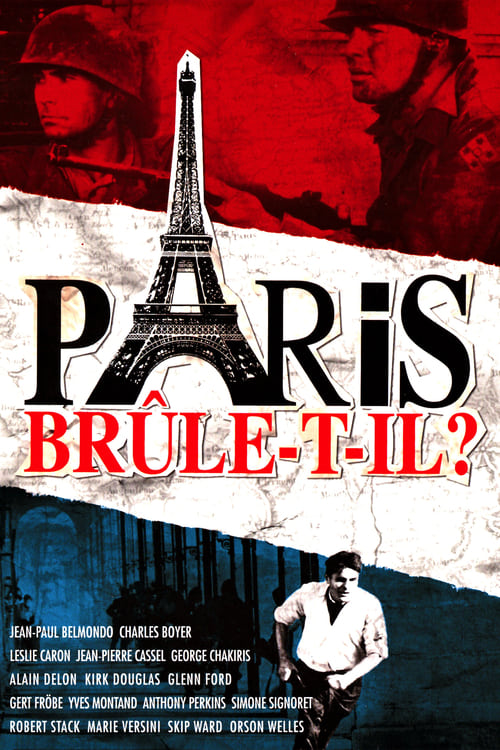
Is Paris Burning?
7.2

Near the end of World War II, Gen. Dietrich von Choltitz receives orders to burn down Paris if it becomes clear the Allies are going to invade, or if he cannot maintain control of the city. After much contemplation Choltitz decides to ignore his orders, enraging the Germans and giving hope to various resistance factions that the city will be liberated. Choltitz, along with Swedish diplomat Raoul Nordling, helps a resistance leader organize his forces.

Is Paris Burning?

1966
Fear City: A Family-Style Comedy
7.5

A second-class horror movie has to be shown at Cannes Film Festival, but, before each screening, the projectionist is killed by a mysterious fellow, with hammer and sickle, just as it happens in the film to be shown.

Fear City: A Family-Style Comedy

1994
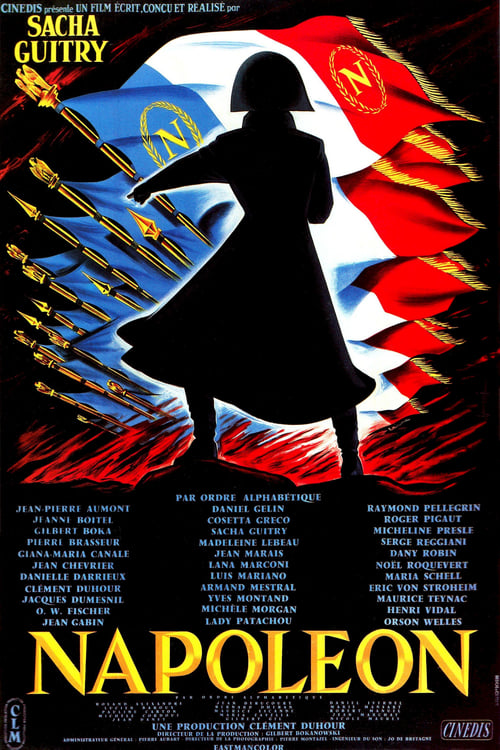
Napoleon
6.3

The film follows the life of Napoleon from his early life in Corsica to his death at Saint Helena. The film is notable for its use of location shooting for numerous scenes, especially at the French estates of Malmaison and Fontainebleau, the Palace of Versailles, and sites of Napoleonic battles including Austerlitz and Waterloo.

Napoleon

1955
Obsession
4.2

Two men become entangled in a torrid love affair with the same woman. Pierre is Miriam's longtime lover. John is desperately searching for clues about his past when he and Miriam have a fateful encounter in a Berlin train station. The allure of forbidden love becomes irresistible, and an intense love triangle is ignited. Who will Miriam choose? Who will walk away? For two men who desperately adore the same woman and for the woman who loves them equally...there is no easy way out.

Obsession

1997