Directing
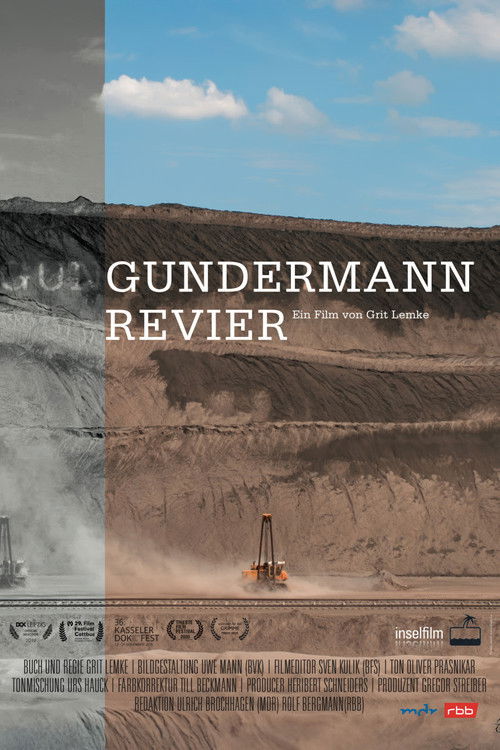
The Lusatian mining district and the former "socialist residential town" of Hoyerswerda form the backdrop for the biography of Gerhard Gundermann, rock poet, digger driver and "voice of the East". Global issues are concentrated in the region and in his work like in a burning mirror: home and industry, the end of work, utopia and individual responsibility.
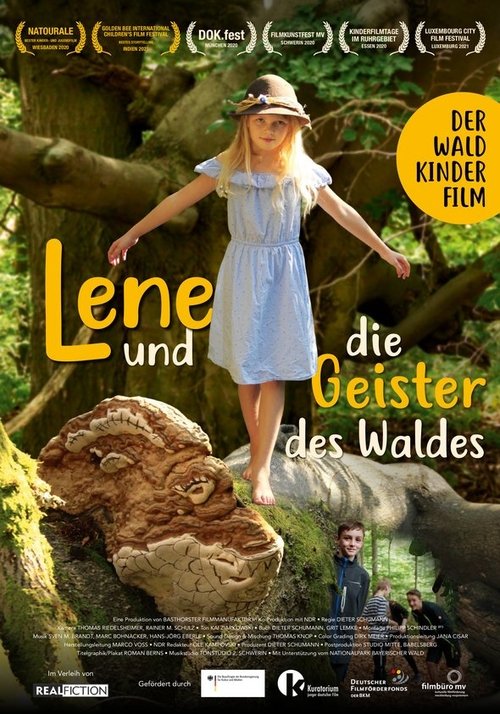
Summer vacation in the forest—7-year-old Lene from Mecklenburg isn't looking forward to it at all! Nothing but trees, mountains, and children who speak a language she finds strange: Bavarian! But then there's the story of Wald-Peter, who is said to be trapped in a "cave of sleeping souls," or that of the mysterious Wald-Ursel, whose soul lives on in the forest. Lene meets Forest Obelix and a cool young ranger, learns Bavarian rap, and discovers the best hiding places in the forest.
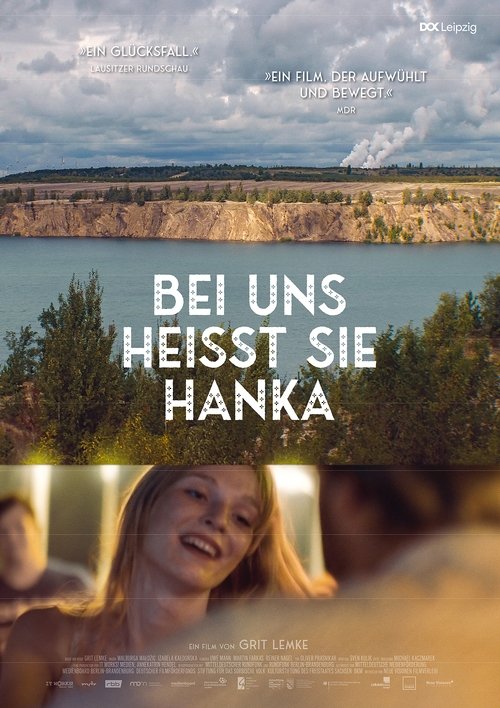
A green lawn like an unused carpet, encircled by a neat forest edge, in the background the steaming cooling towers of a coal power station – impressionistic camera images from Lusatia. They summarise in one pan how a used-up utilitarian landscape is trying to recultivate itself. Can ancient identity and language be re-discovered amid this strange artificiality? The director travelled through this region in search of her origins. She was born here, in Lusatia. This is her home and that of the smallest of all Slavic peoples: the Sorbs.