Directing
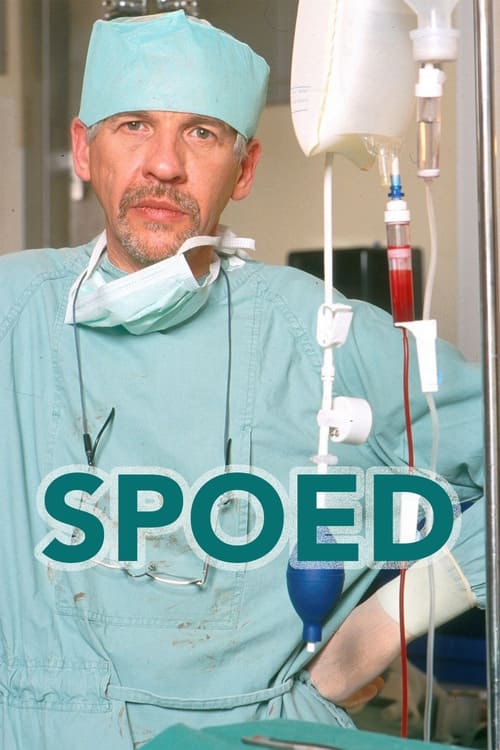
Spoed is a Belgian action drama TV series produced in the Dutch language in Belgium since 2000. The series is also shown on both Flemish/Belgian TV and Dutch TV. The series is directed by Johan Thiels and Guy Thys. The series has produced 217 episodes to date. It may be compared to the American TV programs ER or Chicago Hope.
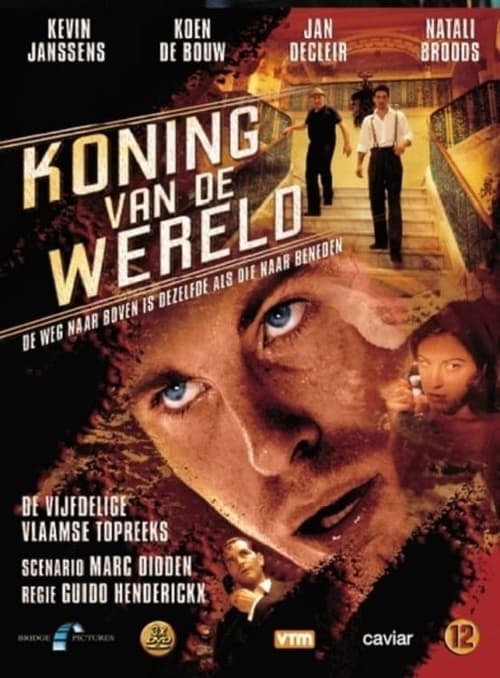
The story of Stan Vandewalle, who's on his way to becoming a sports hero. On his way to the top he encounters many challenges: keeping up appearances, easy women, alcohol, drugs and money... lots of money.
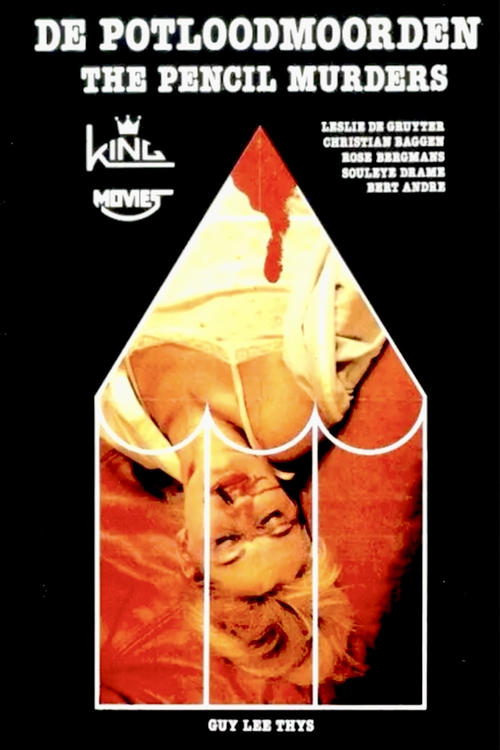
A policeman neglects his young, attractive wife because of his professional duties. Soon, he has to face the fact that she deceives him. It seriously complicates the case he is working on: attractive young women are brutally killed by means of a pencil rammed into their noses until the brain is pierced.
The story follows Vinaya, a nine-year-old boy who lives off his vivid imagination. His only companions are his beloved horse, Victor, and his grandmother. She frequently fills his head with dreams and legends about Sensei, a mysterious figure who allegedly crossed the mountains into a mythical land of fabled animals. When his grandmother passes away, Vinaya is left completely alone. He decides to embark on a journey across the world to find Sensei. Along the way, he teams up with a rough, nomadic drifter. This adventurous quest ultimately transforms into a universal tale of initiation into adulthood.
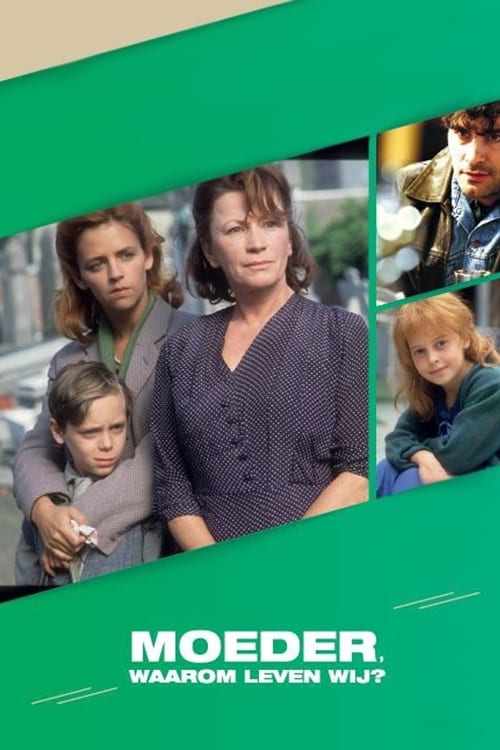
Netje grows up in a poor working-class family in Antwerp. She is the youngest of four children and the apple of her father's eye. Her mother, on the other hand, would rather not have had a fourth child. Netje does not have a happy childhood, and her future does not look bright either. But the harsh realities of life turn Netje into a strong woman who, despite all the setbacks, never gives up and continues to search for happiness.
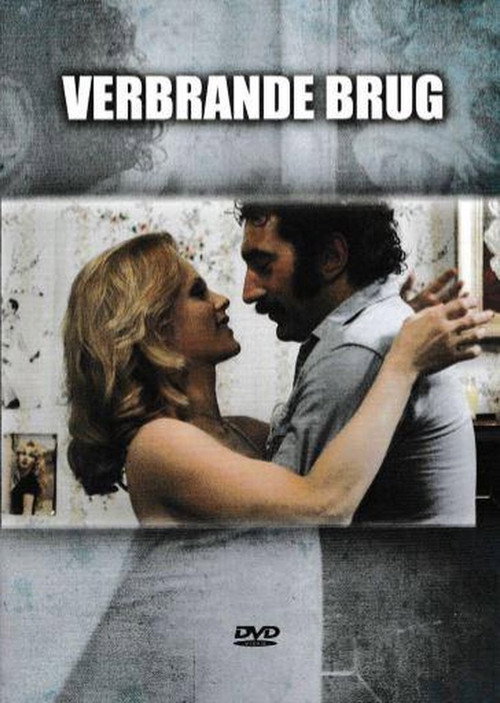
In the Belgian hamlet of Verbrande Brug, former lovers Monique and Louis reconnect at a carnival, stirring up drama with their current partners.
In a near future the world is split into two categories, the supporters of law and order on the one hand and the rebels on the other. Chico, a biker, who is to be conscripted into the army, is part of the second group. He soon runs away from a military hospital and, thanks to the help of a gang of motorcyclists, helps his friends to escape from prison. A violent confrontation with police forces ensues.
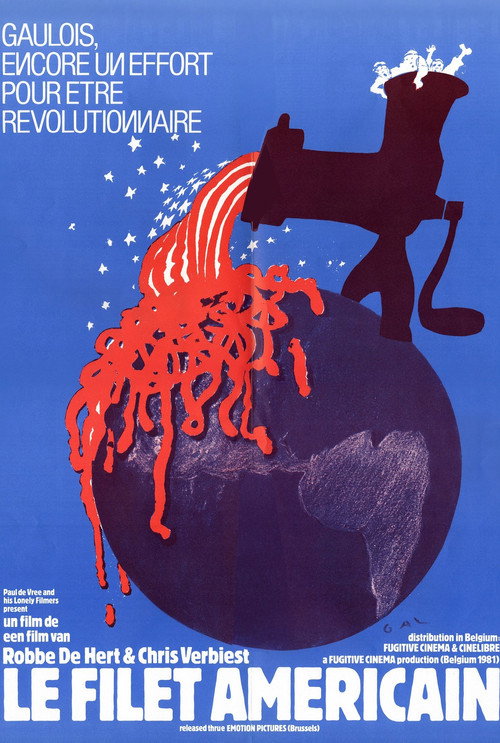
The documentary's legacy lies in its unapologetic fusion of agitprop and satire, a signature style of De Hert’s Fugitive Cinema collective. By juxtaposing Mandel’s economic theories with absurd military parades, the film exposes the contradictions of a society preparing for war while its social fabric decays. De Hert employs rapid montage, pop music, and street-level interviews to strip away the facade of state authority.Decades later, Le Filet Américain remains a vital historical document. It captures a specific era of Belgian polarization, marked by economic crises and the rise of the gendarmerie. The metaphor of the meat grinder endures as a powerful critique of how institutional systems compromise individual dignity for corporate profit.
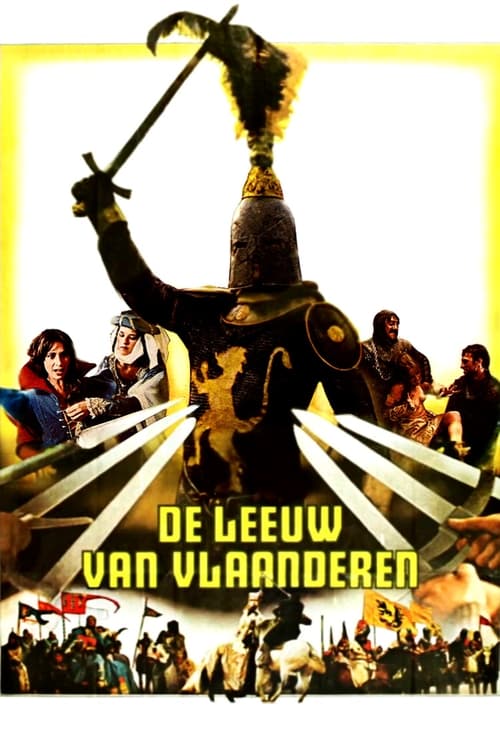
The story takes place in 14th-century Flanders, a region suffering under the oppressive and bloody occupation of the French King, Philip the Fair. Tensions between the arrogant French nobility and the proud Flemish guilds reach a boiling point. Following the bloody uprising known as the Bruges Matins, an armed conflict becomes inevitable.Without their imprisoned leader, Robert of Bethune—the "Lion of Flanders"—craftsmen, peasants, and local nobles unite. This leads to the legendary Battle of the Golden Spurs on July 11, 1302, near Kortrijk, where an untrained Flemish citizen army faces the elite French cavalry.
Three 'Bukowskian' torrid nights in the life of a man, Harry, in search of love. The first is as a youth, the second on the day of his high school graduation, and the third as a lonely, middle-aged man.
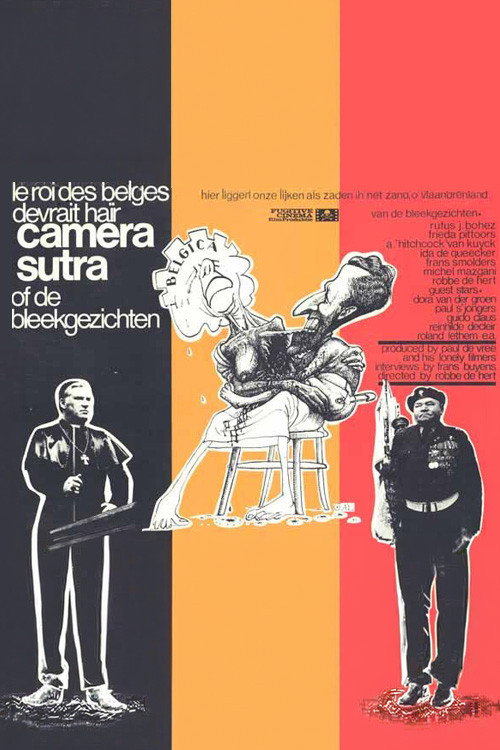
The Herts Camera Sutra or The Palefaces (1973) is a militant and visually fragmented critique of Belgian bourgeois society, blending documentary collage with semi-autobiographical fiction. De Hert attacks the distractions of nationalism, religion, and popular culture while exposing capitalism, social injustice, and postcolonial exploitation. The film’s second half shifts to a disillusioned group of rebellious youths, revealing the uncertainty and emotional paralysis behind revolutionary ideals. Both politically fierce and deeply self-questioning, the film captures the tension between radical ambition and powerlessness.
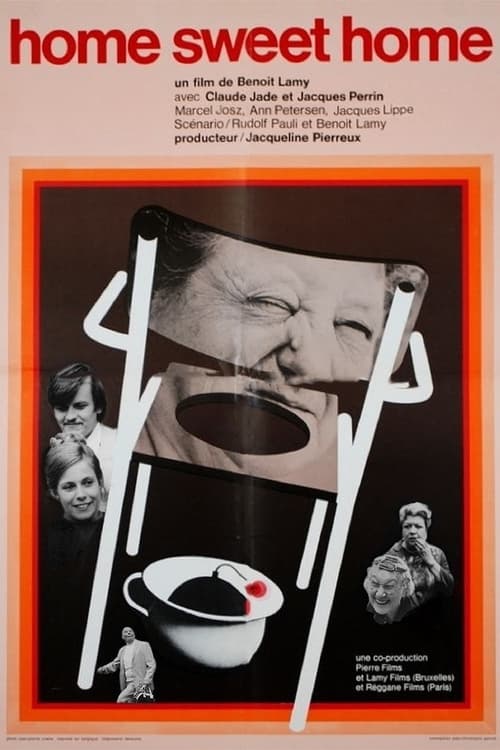
Jules, a rebellious septuagenarian, foments a revolt in his home ruled by quasi-military rules. He and his twenty supporters will oppose the management, the firefighters and even the gendarmes.
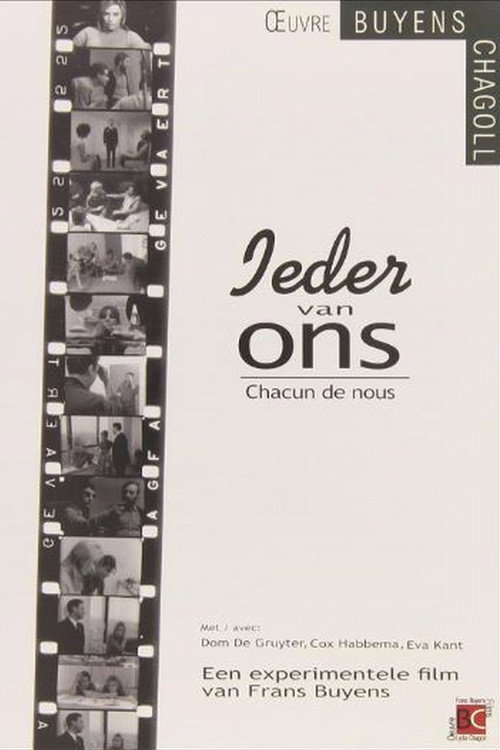
The deeply socially engaged documentary filmmaker Frans Buyens had long dreamed of making the transition to fiction filmmaking. The experimental Ieder van Ons was a first attempt in that direction. In essence, it was an inquiry film shot in a cinéma vérité style about appearance and reality in social commitment. With Ieder van Ons, Buyens wanted to jolt the viewer’s conscience and make them aware of the duty to face the truth and to act accordingly. To achieve this, he combined a fictional plot with documentary scenes. On the one hand, the film contains acted sequences about the awakening conscience of a ruthless political figure; on the other hand, Buyens himself appears before the camera to introduce several actors, their characters, and the situations in which they are about to become involved.
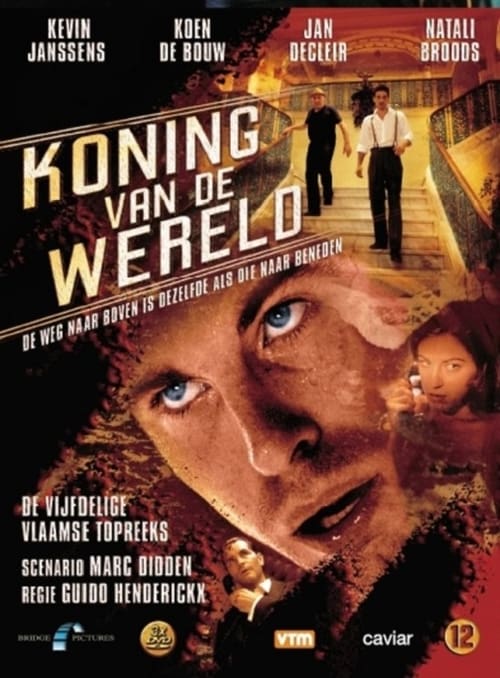
Cinema version of the 5 part TV series. During World War II, Stan Vandewalle saves boxing trainer Max from the bombed German war prisoners camp, and shoots two German soldiers while escaping. After the war, Stan resolves to put all his frustration over the death of his slow-witted brother Aloïs, who dreamed of becoming an opera singer, with his side-car against a farmer's truck in making come true Aloïs other dream, to see Stan becoming 'king of the world' as boxer.
Cinema Verité about Fons Noyens who cannot pay for the damages caused by an accident as his ensurance company had become bankrupt. We get to see the public auctioning of his household effects.
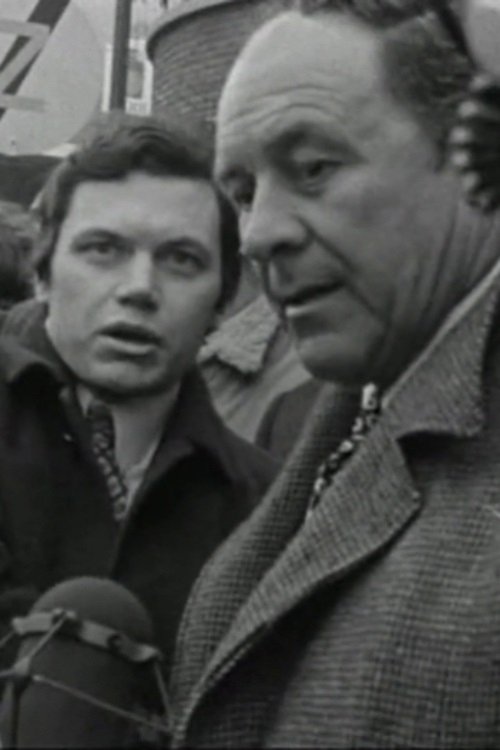
A documentary about cycling and the death of cycling world champion Jean-Pierre Monseré in 1971.
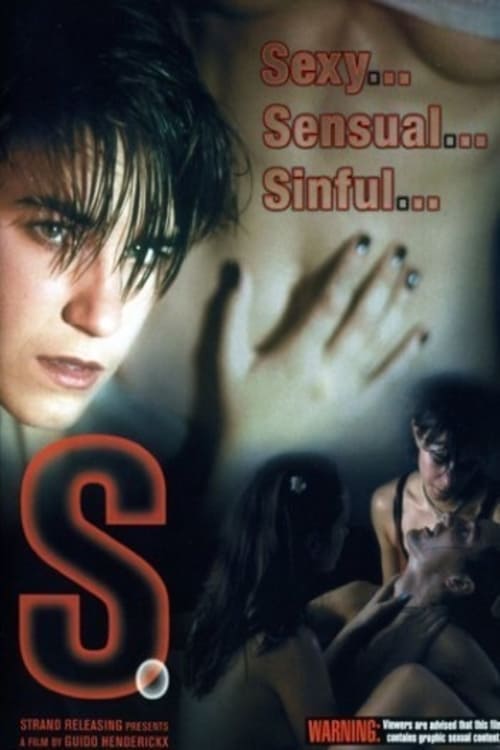
It's about a girl, S., who is dangling between Brussels and New York, boys and girls, love and hate, life and death. She has a mother, a father, a boyfriend and a girlfriend, but none of them are any good to her.
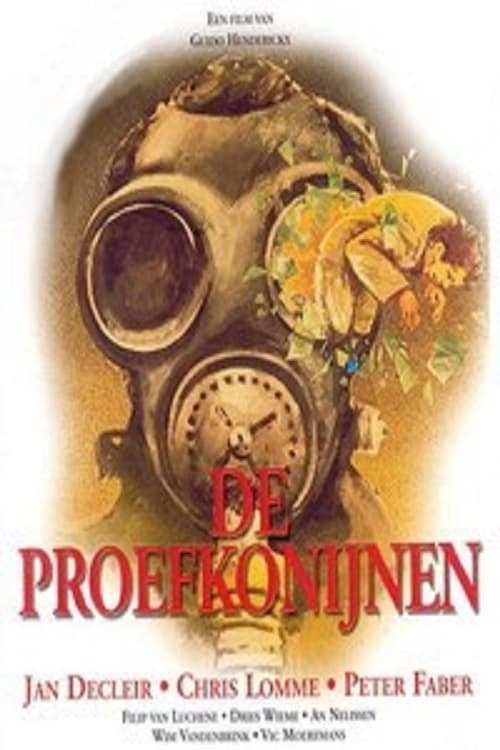
The men of Chemics International lead a quiet life. However, this is cruelly disrupted by an industrial accident in which a toxic substance is released. Some workers are killed; many others are irrevocably contaminated and may suffer permanent injuries. The management, government, press and unions do not react, seeing this as an unfortunate incident. When one of Herman and Jef's best friends also dies, they have had enough. Together they made an ultimate attempt to reveal the truth to the outside world.
A documentary about homosexuality.
No description available.