
Hafiz Rancajale
Directing
Biography
Hafiz Rancajale (Pekanbaru, 1971) is an artist, filmmaker, curator, and co-founder of Forum Lenteng. He graduated from the Jakarta Institute for the Arts (IKJ) and is currently the Chairman of Forum Lenteng and the Artistic Director of ARKIPEL.
Known For
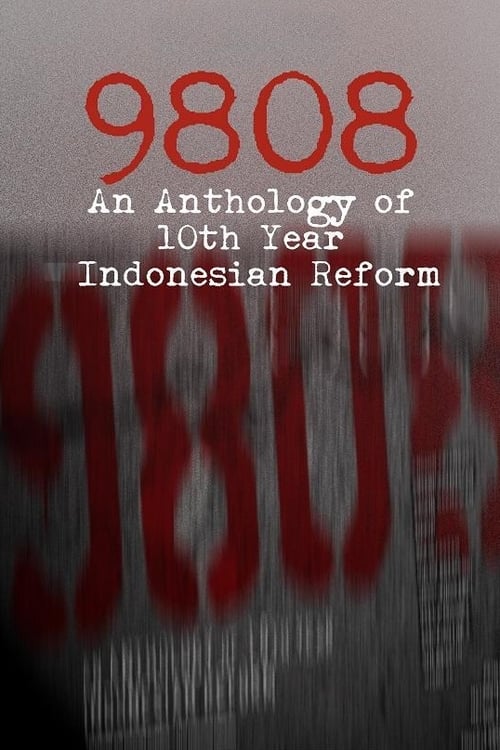
In May 1998 something happened in Indonesia that no one had thought possible. After persistent demonstrations, primarily by students, the repressive era of President Suharto came to an end. Many film makers from the present generation were closely involved in this revolution at the time. In this omnibus film, ten film makers look back on events.
9808: An Anthology of 10th Year Indonesian Reform
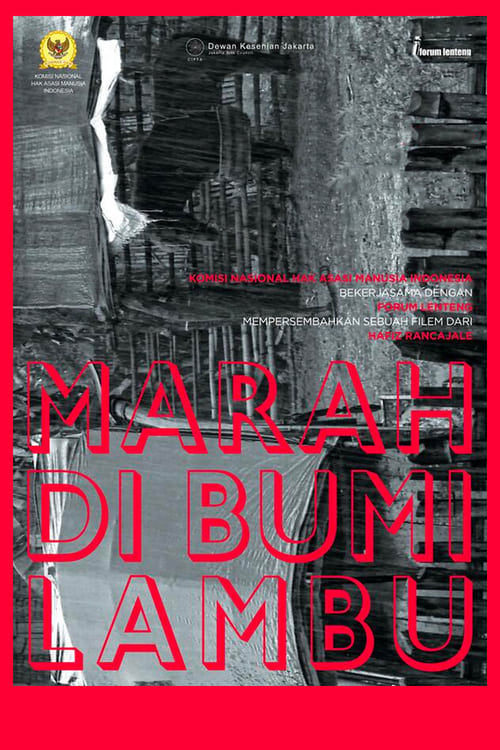
A story of the sacrifice of farmers in defending their land from the mining permit given by the local government to a big company in the district of Lambu.
The Raging Soil
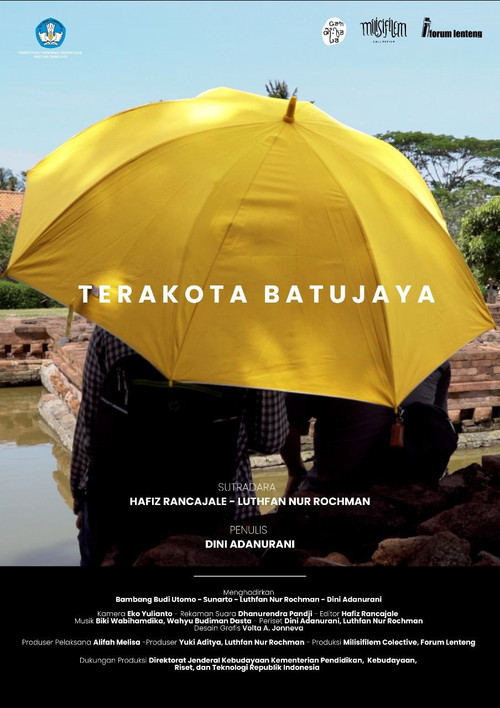
The Batujaya Temple in Karawang revolutionized the notion that terracotta buildings from the Hindu-Buddhist period came from a younger period than andesite. Sites stretching from prehistoric times to the 10th century are evidence of the archipelago's cosmopolitanism since the early century AD based on the Citarum River. The discovery and interpretation of it were also guided by Indonesian archaeologists, long after the colonial antiquities department had led archaeological missions in the past. This film is a poem for ancient terracotta, soil, archaeologists and the citizens of Batujaya today.
Terakota Batujaya
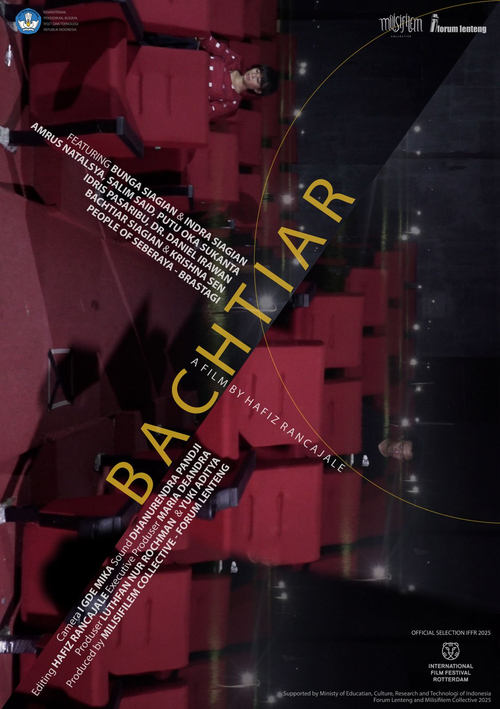
After over a decade in prison, little trace of filmmaker and member of the leading Communist cultural movement Bachtiar Siagian’s life and work could be found, but Hafiz Rancajale still searched. Alongside his colleagues, they revise his mis-slandered history.
Bachtiar

The Glebagan system was created to force farmers to rotate crops and convert some of their land from basic agricultural commodities to industrial raw materials. This system has changed the face of agriculture and shaped the sugar map in various regions in Indonesia. With psychogeographical documentary approach, the film shows the landscape of the sugar map in a village of Krembung region, tracing step by step the sugarcane plantations that occupy farmers' rice fields. It is an observation of a repeating cycle, interjected with past archival footage of sugarcane and people movements.
Sugar Map

A woman looks for traces of surveillance from the urban spaces around her, she uses a camera and takes pictures of things that she thinks are potential surveillance sites, but to understand more about what she is doing, she also positions herself as a surveillance by taking pictures of people, in the middle of her journey, the woman realizes that she is being followed by a man carrying a long lens camera.
I Watch You Watch Them
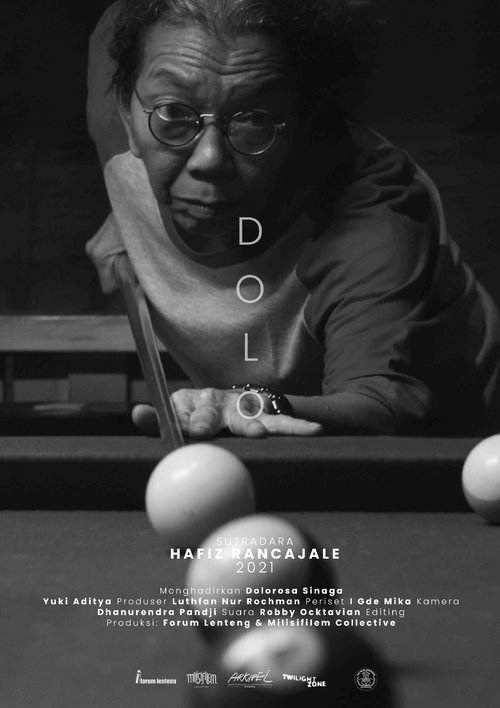
She is a teacher. She is a mother to young artists, a mother to activists of social and cultural movements. Indonesia has a long and unresolved historical wound, starting from the events of 1965, the silence of democracy and human rights activists, and the spread of identity politics. In the midst of it all, DOLO, a female sculptor opens the wounds of history through her sculptures.
DOLO
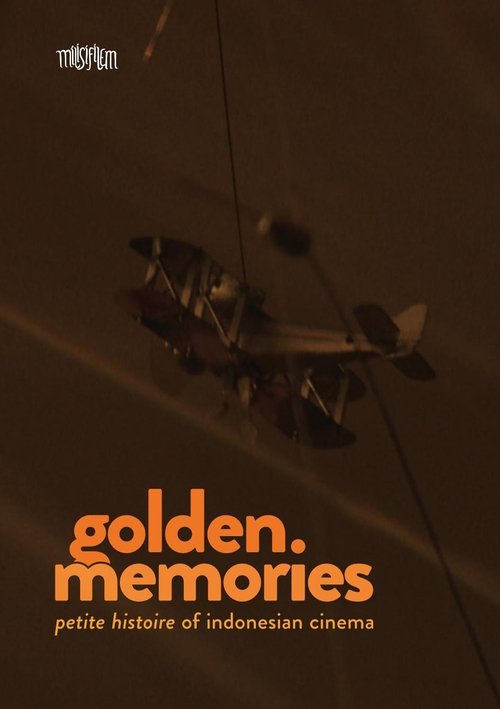
Going through a journey of three filmmakers trail tracing Indonesia’s family cinema. From Indonesia to the Netherlands and back, they met Kwee Zwan Liang Cinema and Rusdy Attamimi Cinema, to a whole other level of the journey that brought them to not only culture issues in the public cinema but also on aesthetics and the truth of family cinema from a generation to the ones to come.
Golden Memories (Petite Histoire of Indonesian Cinema)
Alam has an aspiration to become a soldier. But, he went to Jakarta because of economical difficulties. He wants to relief the burdens of his parent. Alam told stories about life, human dreams who fought for their survival in big city.
Alam: Syuhada
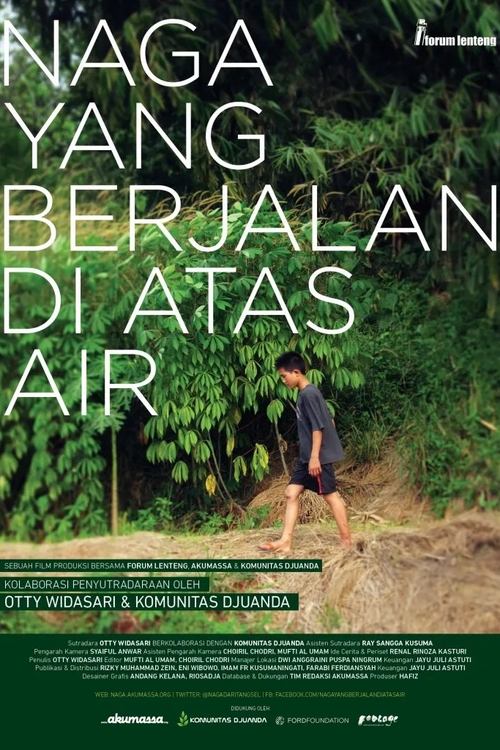
A small story from the border of Tangerang Regency and Bogor Regency. It was there that Kang Sui Liong, the temple guard, lived with his wife and children.
The Dragon Who Walks on the Water
"Life has given me time. However, I've never spent that time to really live." Jen is an ordinary guy with big dreams and hopes. But, time has passed him by. A lot has happened. What has Jen been doing for the past ten years? The political changes have not changed Jen's life that much. What happened then for him was just a vivid dream. That memory has turned into a "film" about an occasion that he had witnessed.
Meet Jen
This video essay depicts how the New Order represented the bloody events of 1965. Lubang Buaya (Crocodile Hole/Well) is a dark hole. Until today, the hole/well could never reveal the real truth. But the narratives in form of monuments, relief, dioramas, and the site itself; depicted that the events happened then were real. The events about how the betrayal of a common ideology was considered right.
Hole
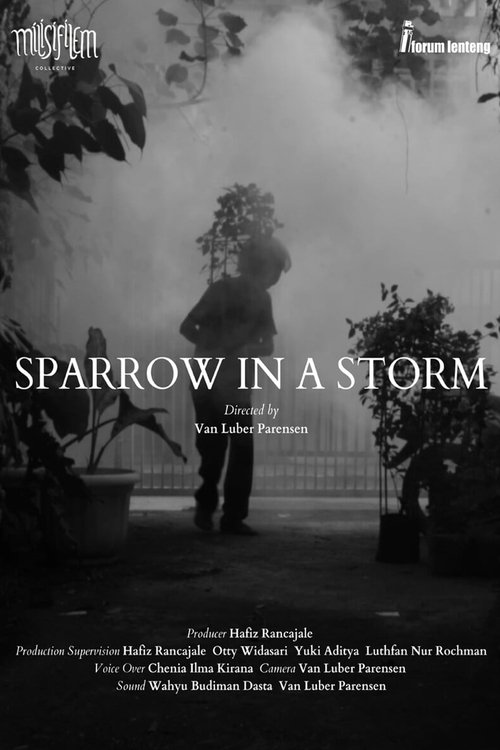
The voice of Miriam de la Croix’s letter covers the life of a botanist and her three children. The letter contains Miriam de la Croix’s compassion for the plight of the Dutch East Indies under European colonial rule, especially the Netherlands. The content of the letter became the background sound in the activities of a botanist in doing modern work and science with her three children that day, where modernity and science in the Indies actually came together with European colonialism.
Sparrow in the Storm
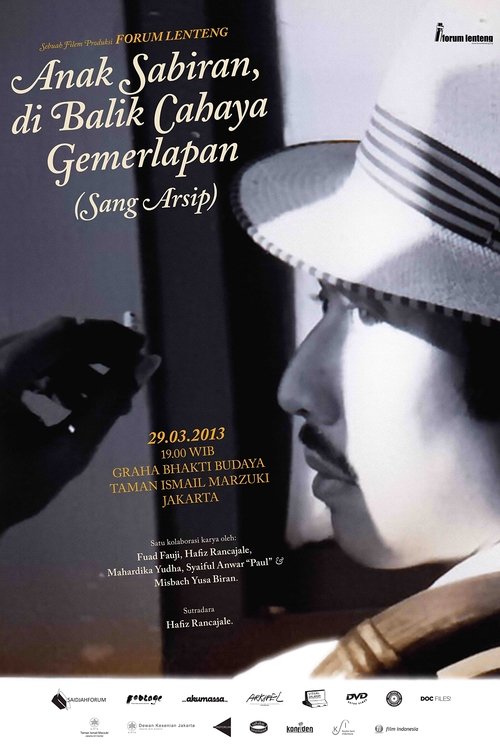
This film tries to read the idea of film archiving in the mind of Misbach Yusa Biran. A character who gave his entire life to preserve and reinterpret the discourse of film as a source of Indonesian film history. The archives stored are entirely in Sinematek Indonesia.
Behind the Flickering Light: The Archive
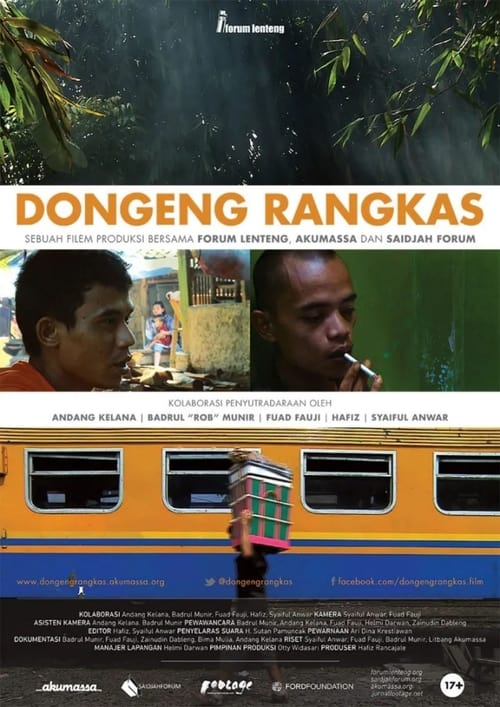
A piece of story which has been taken from two young men from Rangkasbitung – it’s a small town which has a distance 120 kilometers from the capital city of Jakarta. Kiwong and Iron have a profession as a tofu sellers. Kiwong sells tofu in the economy train of Rangkasbitung to Jakarta while Iron sells the fresh tofu in the traditional Rangkasbitung market. Those characters are portraits of young generation from post Reformation in 1998 where Indonesia was a country which had been reigned by military regime before, and turn to be a large democratic country in the world.
Rangkasbitung: A Piece of Tale
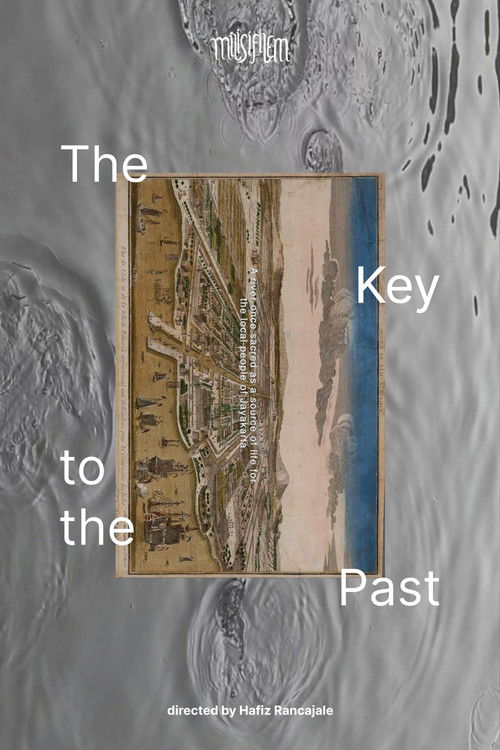
The Manggarai Water Gate is a silent witness, absorbing the traces of time that flow with it. It reflects the two eras of colonialism and independence, like a wound that never fully heals, like a current that never stands still. On its banks, two teenagers read the city from what is left behind: drifting trash, fragments of memories, and whispers of change.