Acting
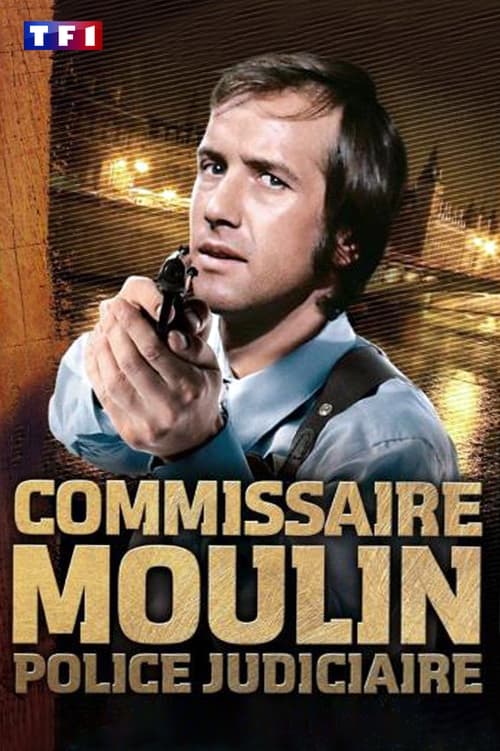
The series follows the adventures of lighthearted Jean-Paul Moulin, a police Commissaire, and his team as they solve crimes.
Arsène Lupin is a French TV show which was co-produced with German, Canadian, Belgian, Dutch, Swiss, Italian and Austrian TV stations. It was only loosely based on Maurice Leblancs novels. Georges Descrières' portrayal of Arsène Lupin showed more similarity to Graf Yoster than to Maurice Leblanc's original. He behaved in the first place as a perfect gentleman who never got angry. He was always relaxed, because whatever could possibly had bothered him in daily life was taken care of by his butler. It wasn't questioned how he had come to his financial independence although the series sometimes discreetly implied that he was a professional criminal. Besides rescuing damsels in distress Lupin took on criminals, competing with their wit and intelligence. Either he stole paintings from rich people who had to be considered white-collar criminals or he acted as a detective who derailed criminal schemes. However, when he was attacked, he could defend himself effortlessly by using elegant jujutsu methods. Among the guest stars were German actors such as Günter Strack and Sky du Mont. Jean-Paul Salomé said in his commentary on the DVD version of his film Arsène Lupin he had like this series as a child. German TV, one the investors, would broadcast the show eventually between 18:00-20:00 o'clock because it was only allowed to show commercials within that very timeslot. For them to get a financial return on investment the show had to be appropriate for families and also for children who would watch it alone. Subsequently it was nearby to ask to defuse and flatten some of Leblanc's plots in order to avoid possible complaints that could force the station to broadcast the show beyond the "Vorabendprogramm".
Ulysses and his crew struggle against the divine entities that rule the universe, the ancient gods from Greek mythology.
No description available.
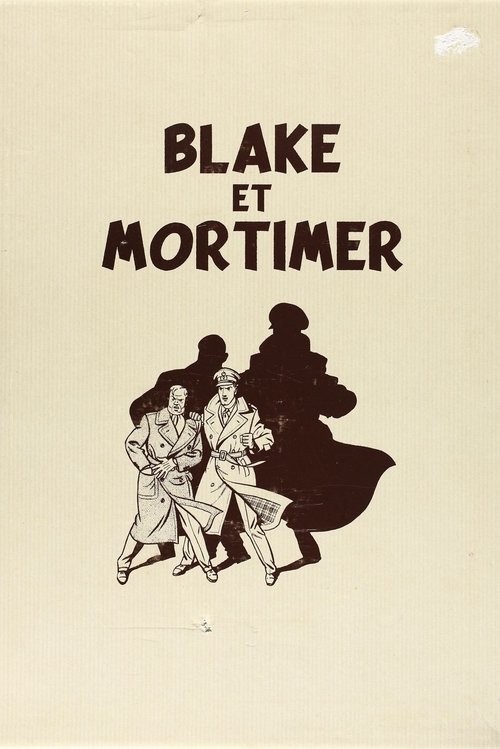
Blake and Mortimer is an animated television series, based on the Blake and Mortimer comic book by Edgar Pierre Jacobs. The series was directed by Stéphane Bernasconi, and produced by Ellipse, and shown in 1997. The first nine stories were used in this series, as well as four brand new stories, devised by the creators: The Viking's Bequest, The Secret of Easter Island, The Alchemist's Will, and The Druid. New writers, mostly connected to the production company as writers, dialogists or translators, were asked to come up with original plotlines which used the characters of Jacobs' stories, respected the magical/scientific Universe, but rang interesting changes.
Schulmeister, l’espion de l’empereur (Schulmeister, the Emperor's Spy) is a French historical adventure television series consisting of 13 episodes (1971–1974), inspired by the real life of Charles Louis Schulmeister, a famous spy in the service of Napoleon I. It alternates between historical facts and fiction, offering a fictionalized portrait of a cunning spy, loyal to Napoleon, and always ready to turn a situation to his advantage.
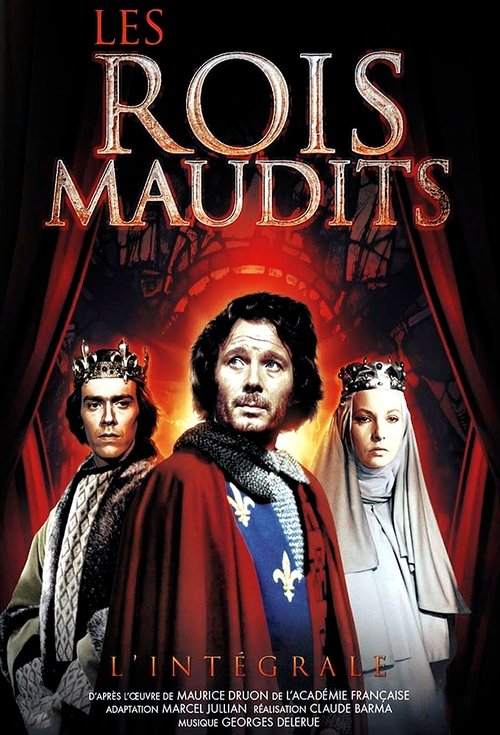
It is the start of the 14th century and Philip IV the Fair reigns supreme over France. His three sons would rule after him. Isabelle, his only daughter, is married to King Edward II of England. Under Philip's reign, France is great but its people are unhappy. Only one power dares to stand up to him: the order of the Knights Templar. When the last Grand Master of the Temple, Jacques de Molay, is burned at the stake, he curses Philip and so begins a dark period, full of blood and violence, death and tears ...
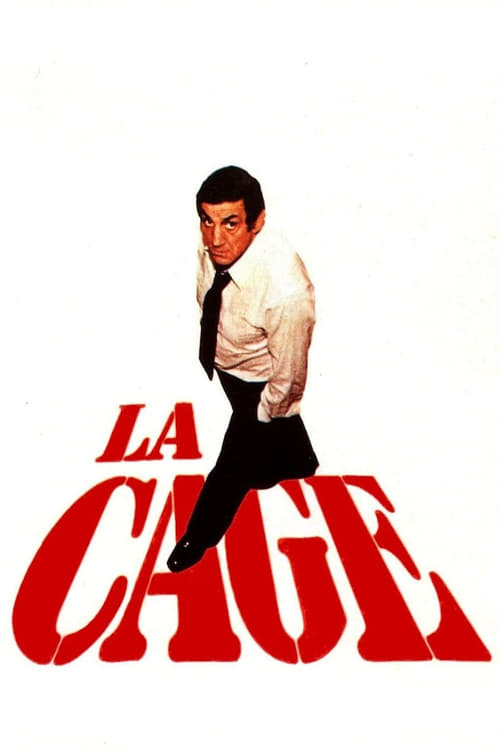
The story of a woman who is suddenly visited by her estranged ex-husband. The ex-hubby wants to buy her country house, which she received in the divorce settlement. Instead he finds himself locked in a cage in the cellar.
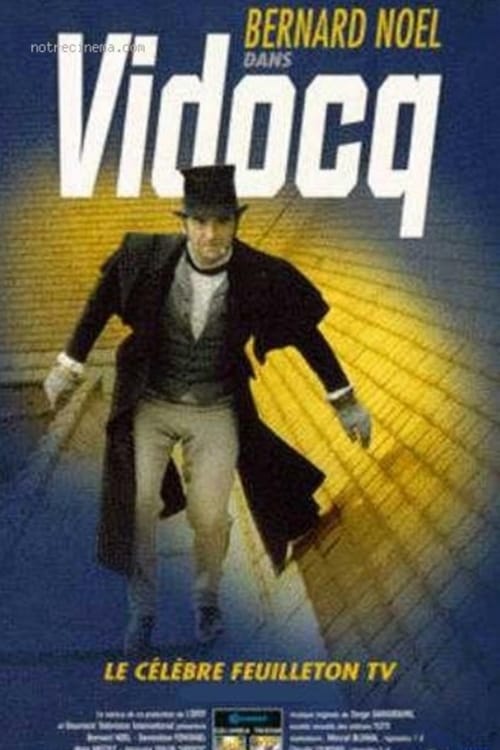
François Vidocq has been sentenced to eight years' hard labor for a crime he didn't commit. Escaped with the help of his faithful friends Desfossés and Fil de fer, the convict is pursued by his lifelong enemy: the policeman Flambart. Between scams and disguises, Vidocq initially leads an undercover life in 19th-century Paris. Eventually, the two men team up to fight criminals... And Vidocq succumbs to Annette's charms.
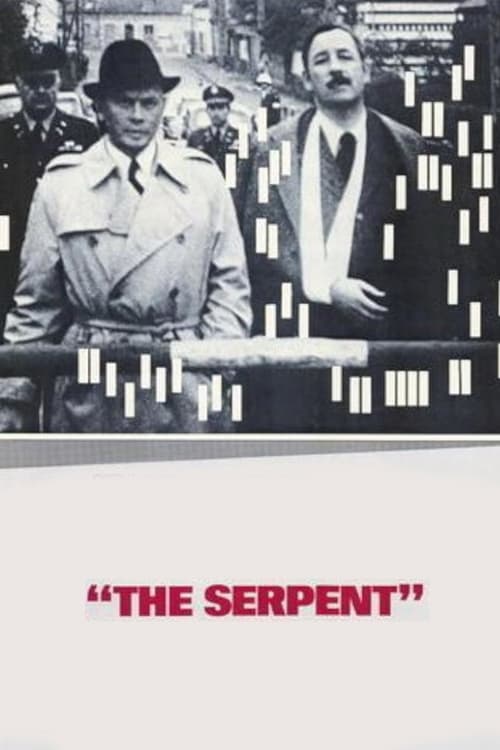
Vlassov is a Soviet spy who defects in France. He is whisked to the U.S, where Allan Davies takes over the case. After polygraph tests and cross-examinations, Vlassov names several Western European agents who are also spying for the Soviets. Davies wants to take the listed agents into custody; meanwhile, those on the list start dying under mysterious circumstances.
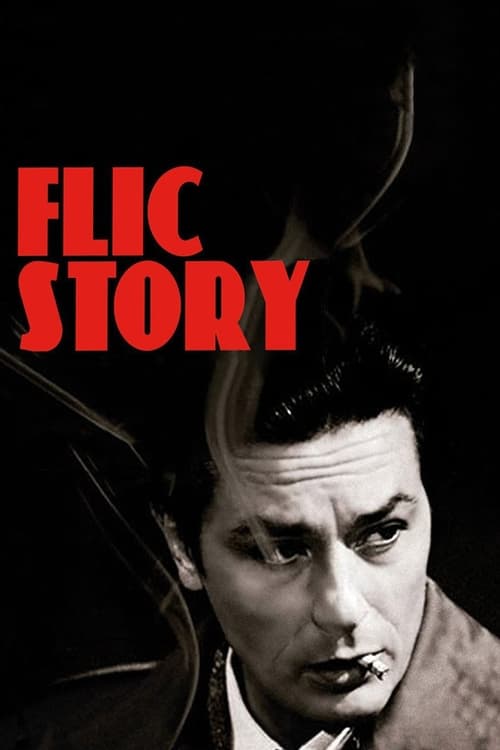
The film story depicts Emile Buisson, following the death of his wife and child, escaping from a psychiatric institution in 1947 and returning to Paris. Buisson, who three years later would become France's public enemy number one, begins a murderous rampage through the French capital.
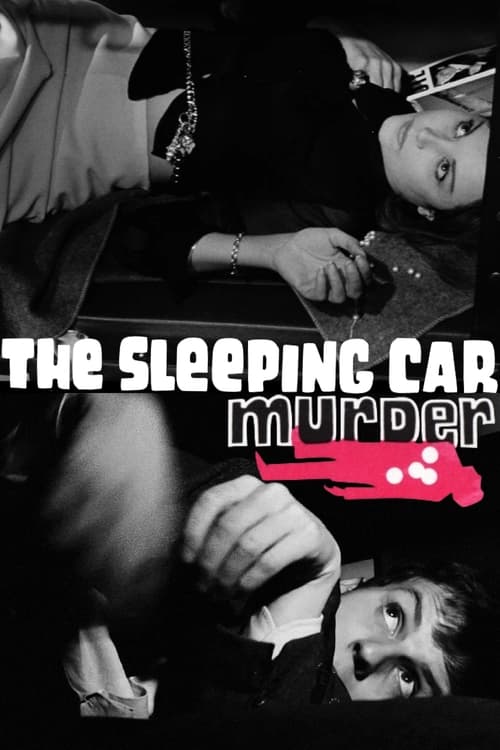
Six people travel by overnight train from Marseilles to Paris. When they arrive, one of them, a young woman, is found dead in a sleeping berth. The police, led by Inspector Grazzi, investigate the other five passengers, suspecting that one among them was responsible. However, as the investigation is stepped up, the others start turning up dead. It's up to the remaining two to solve the case, lest they become the next victims.
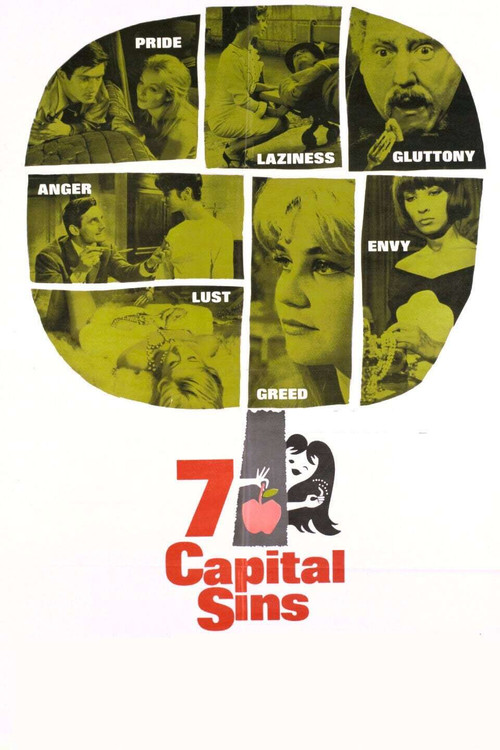
Seven directors each dramatize one of the seven deadly sins in a short film. In "Anger," a domestic argument over a fly in the Sunday soup escalates into nuclear war. In "Sloth," a movie star would rather pay someone to tie his shoe than bend over to do it himself, and he can't be bothered to accept a starlet's sexual favors. In "Gluttony," a peasant family on its way to the funeral of a relative who died from indigestion stops regularly to eat and drink en route, arriving in time to eat some more. In "Greed," a high-class prostitute refunds the price of a cadet's lottery ticket. In "Pride," an unfaithful wife finds reason to reform. And so on through lust and envy.
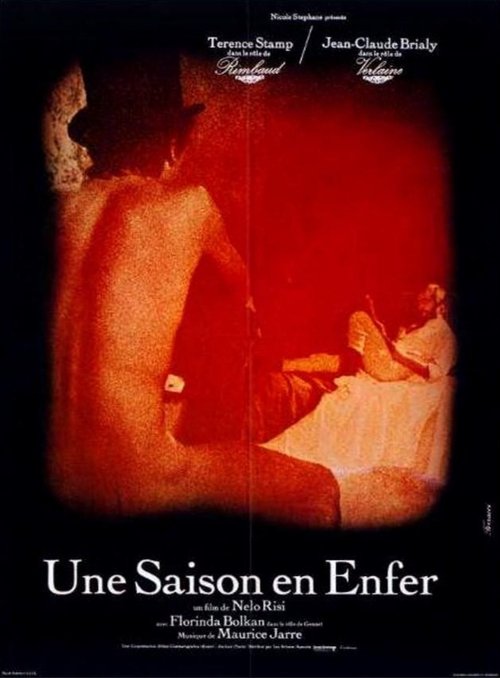
The tumultuous life of Arthur Rimbaud, the cursed poet, who completed his masterwork at the age of twenty, became an arms dealer and died at thirty-seven; and his passionate relationship with Paul Verlaine, full of wanderings, storms and falling out.
At the end of the 19th century, during a ball in Joinville, on the outskirts of Paris, Georges, a former delinquent working as a carpenter, meets Marie, a young woman connected to a criminal gang.
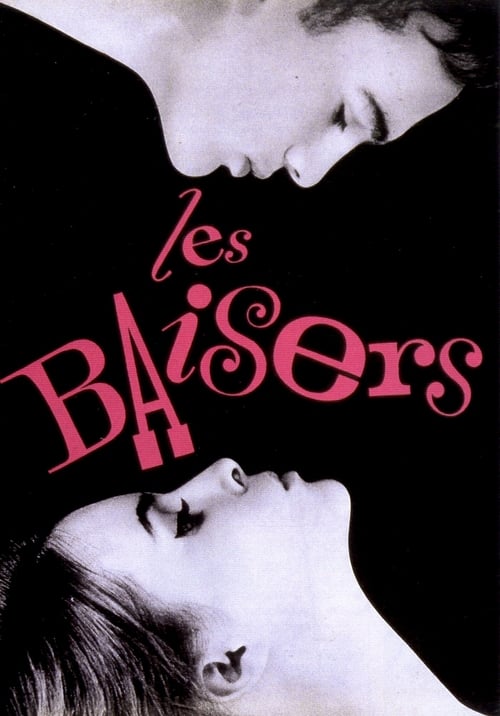
A portmanteau film in which the producer, instead of as usual using already well known directors with a commercial draw, allowed five new young directors to each have a crack at an episode about romance.
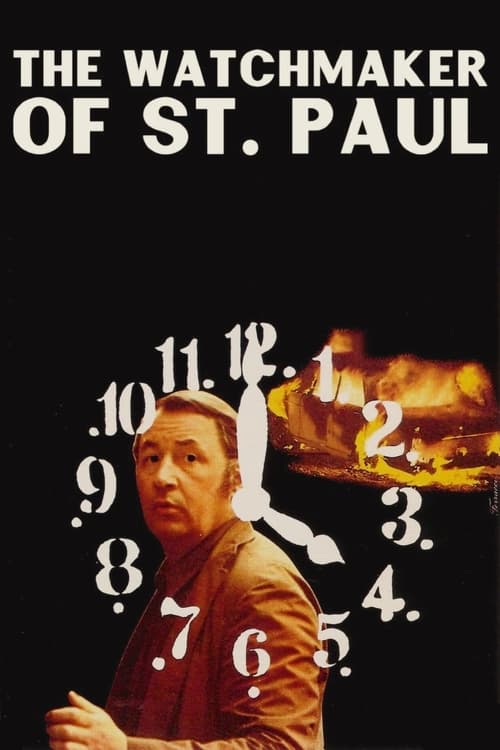
Michel Descombes is a watchmaker who lives in Lyon with his teenage son Bernard. When the police visit and inform him that Bernard has killed a man and is on the run with a girl, Michel realises that he knew far less about his son than he thought.
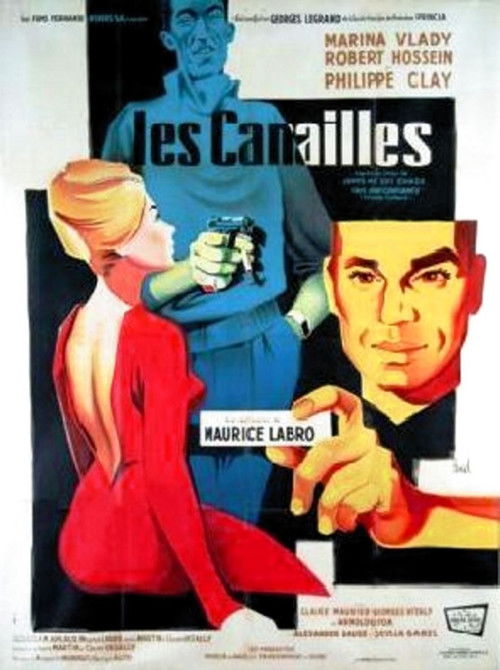
The director of the Rome office of an American news agency is seduced by his boss' daughter, who subsequently ends up dead at the foot of a cliff. Film adaptation of James Hadley Chase’s 1956 noir thriller novel You Find Him, I'll Fix Him.