Writing
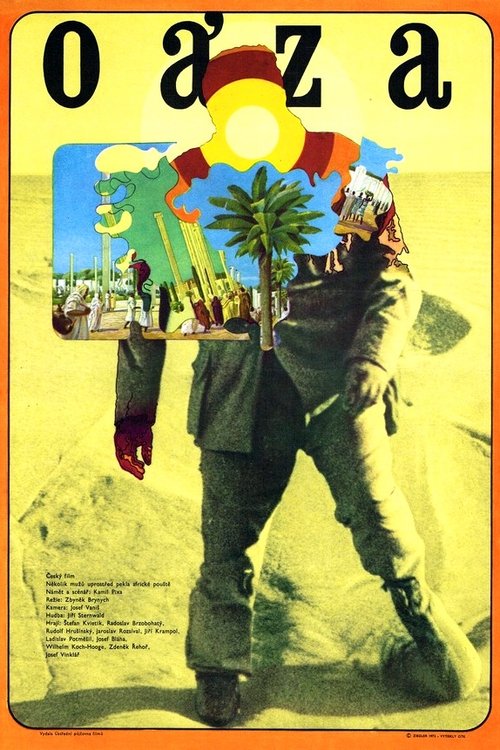
The year is 1943. The war is raging between the Germans and the Allies in North Africa. A truck with a Czech crew, Lieutenant Navara and six soldiers, escapes from the Foreign Legion fortress. Their aim is to reach the Allies and fight against Nazism. The truck is destroyed by a German army plane, which is hit by enemy fire in its turn. One Czech soldier dies in the attack, the driver is badly wounded, and Navara has serious burns on his face. The group has very little water and must reach an oasis that is 60 km away.
The husband and wife Ludva and Hedus Homolkas with their twins Péta and Máta and Ludva's parents - the granny and grandpa - arrive in the snowy Spindleruv Mlýn for a holiday. They promise to each other that they will not spoil the quite expensive holiday by quarrels. If somebody hurts the other one he/she will kneel as a punishment.
No description available.
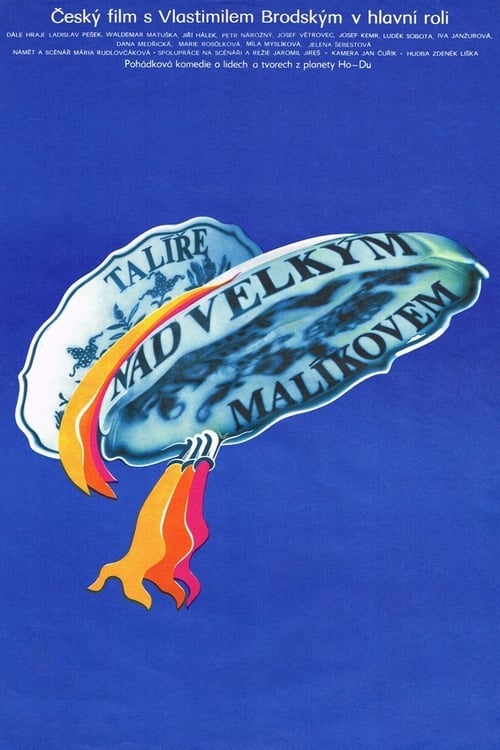
A model Communist village is visited by a flying saucer.
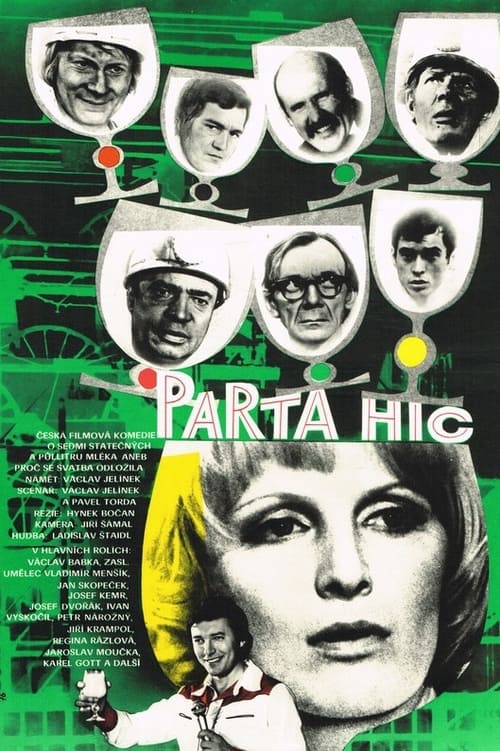
Energetic Dr. Alice Váňová becomes the pit doctor at Mír Mine and spearheads a silicosis prevention study requiring miners to drink milk regularly. The miners, led by a tight-knit group, stubbornly refuse public participation. Determined union chair Janeček resorts to psychological tactics and pressure campaigns to force their compliance, turning a health initiative into a tense battle of wills.
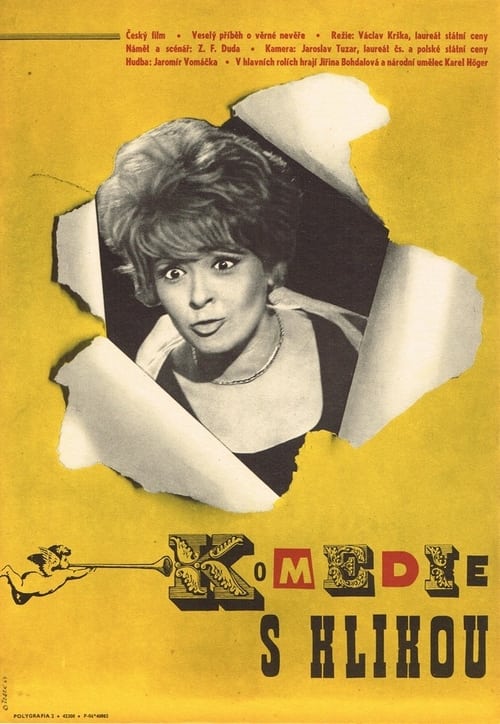
On the train to Prague, the bride-to-be Zuzana Vítová accidentally meets the clerk Dr. Karel Jánský. Upon arriving in Prague, it seems that Jánský follows the girl on her way from the station, but it turns out that the two of them have only a common journey. When Zuzana discovers that her fiancé Petr Klika is not at home and that she has lost the keys to his apartment, Dr. Jánský gallantly helps her and keeps her company until deep into the night...
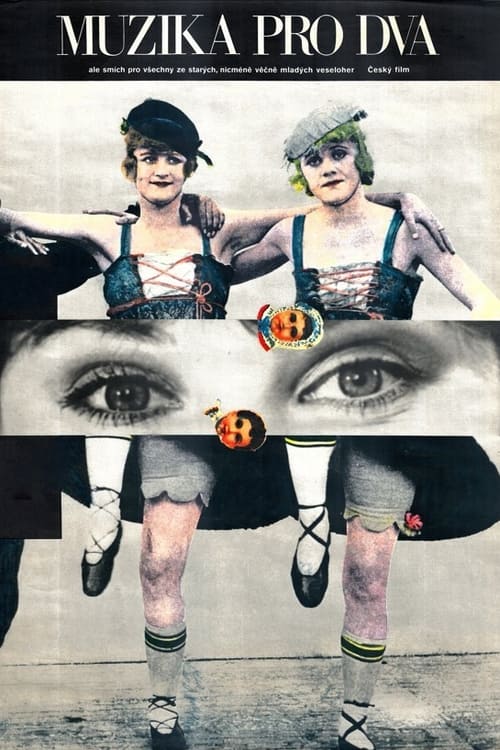
Dr. Lorenc selects excerpts from older Czech films for a symposium on laughter.
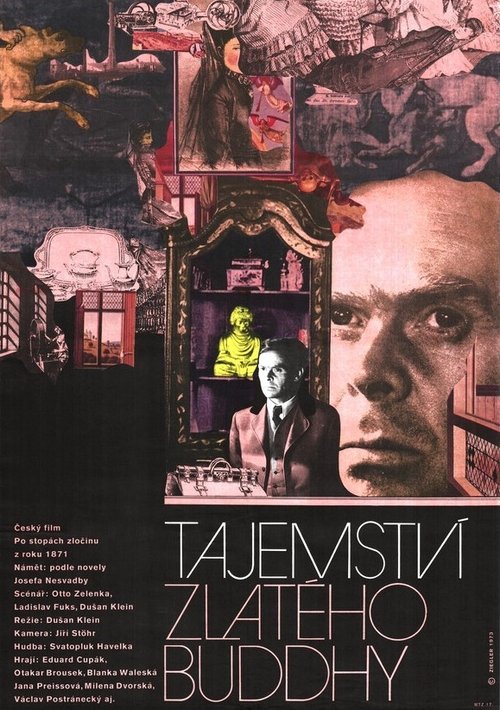
A crime story set in the second half of the 19th century. Krasl, a Prague schoolteacher, is searching for a statue of the Golden Buddha, which is supposed to contain compromising materials on the factory owner Riessig.
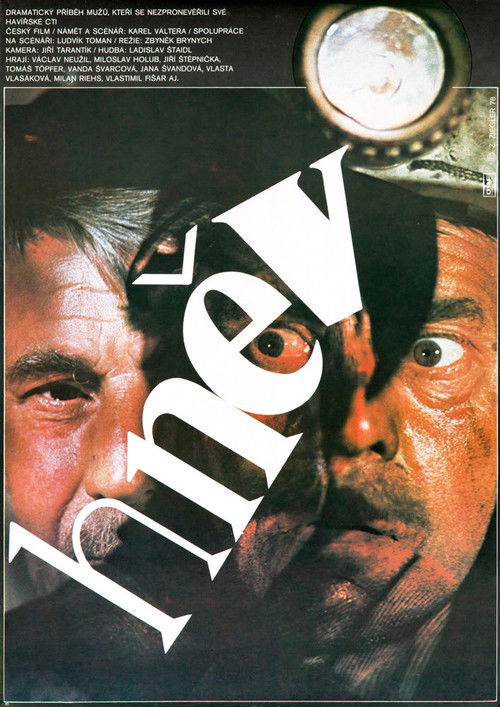
Sunday in September 1977, a celebration of the Miners Day. The old Hepnar is sitting at the cemetery and is recalling events from ten years ago. That time the representative of the ministry Barvír announced at the miners meeting that mining in the mines would decrease. He reasoned this decision by the fact the deposits of coal are almost used up. The boss of the mine and most of the miners protested. Barvír did not take their critical objections into account. He announced at the communist district meeting the closure of the business as the mine according to new economic principles did not prosper.
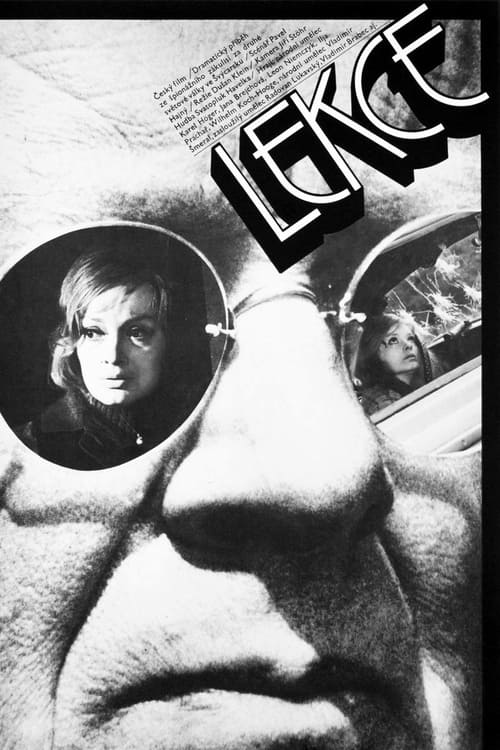
During World War II, a German university professor creates a spy ring that supplies the Allies with information about Nazi plans...
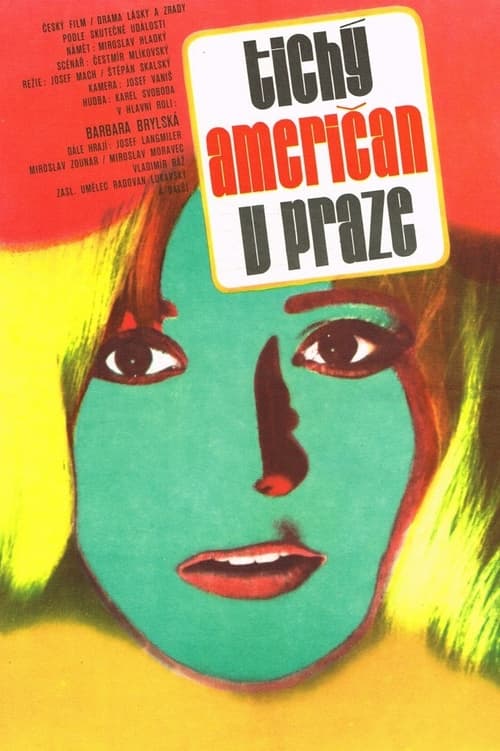
In the era of normalization, even seemingly buried agent stories came back. This one takes place in the immediate post-war years and tells the story of the discovery of a spy network that an American diplomat was spinning on Czech territory. He was unsuccessful: first, a close associate, who was proven to have collaborated with the Nazis during the war, committed suicide, followed by the intervention of the vigilant Security Service. However, the fleeing Americans were joined "in return" by a Czechoslovak agent... This naive adventure story could hardly be taken seriously. The book, which served as the basis for the film, was written based on actual events that took place in 1948.
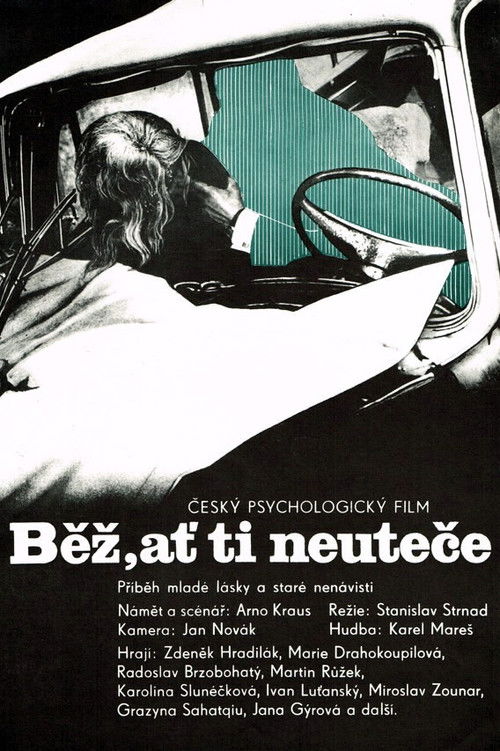
The film from 1976, a film that is exemplary in its devotion to the canons of normalised cinema, is the work of director Stanislav Strnad. He brought to life the script of an unusual author - the secretary of the SČDU, Arno Kraus - in this psychological drama. The protagonist of the story also has his cadre materials in order according to the requirements of the time - he is a worker director Kabát, who besides problems at the workplace also copes successfully with difficulties in his private life - a break-up with his wife.
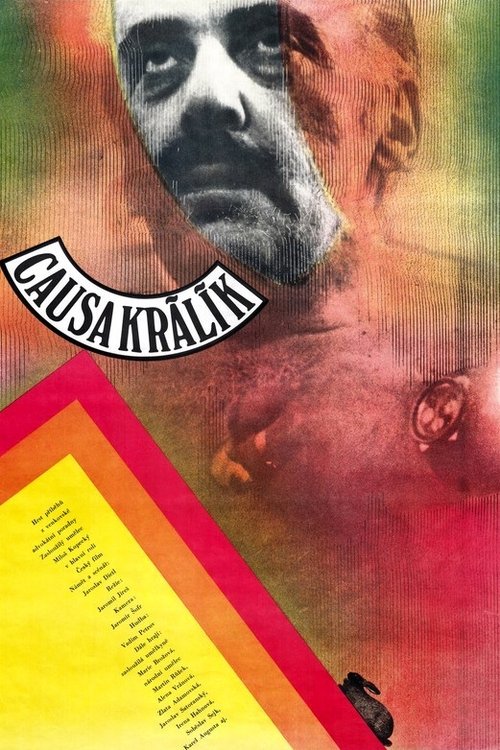
In an unusual, apolitical approach, director Jaromil Jires has fashioned a standard drama that features an older lawyer with failing health who goes to practice in the countryside. His series of odd court cases reveals more about the human condition than about law. In one of these litigations a wayward nephew has cheated his elderly aunt out of her savings. In court, the nephew insists the money was a gift, but his aunt explains she only gave him the money as a loan. Although the lawyer technically wins the case, everything of value seems lost in the meantime. His services are paid for in rabbits because the aunt has no currency, and in the end, the nephew cons his aunt into parting with her savings anyway. Other cases expose similar types of petty corruption.
This documentary-style story tells the story of an aspiring documentary filmmaker who is preparing a film about the history of glassmaking. He is honestly gathering information, slowly getting closer to an unknown and not always accessible environment, to people, whose actions he often doesn't understand because he misses their motivations... Shards for Eva is certainly not a skillfully wrought work, but it certainly impresses with its sense of at least partial capture of everyday reality.
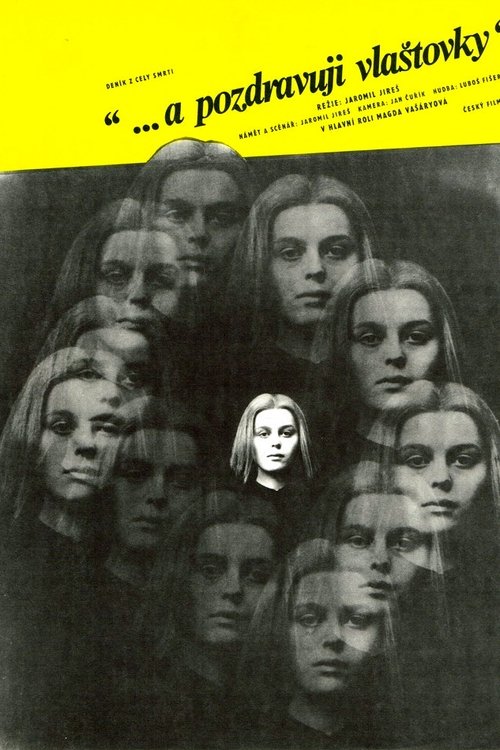
This film, chronicling the last days of Czech resistance fighter Maruska Kuderikova (played by Magda Vasaryova), is based on her diaries. Though she was tortured and eventually executed by the Nazis, her diaries indicate that she was optimistic for the humanity of her captors and did not by any means hate them. Told with simple dignity, this film makes clear why Maruska became a national hero.