Acting
Camille Zéhenne’s documentary L’Eden is an immersion into a night bar in Ajaccio, Corsica, where the regulars drink non-stop while the archangel (and patron) Tonio looks after them.
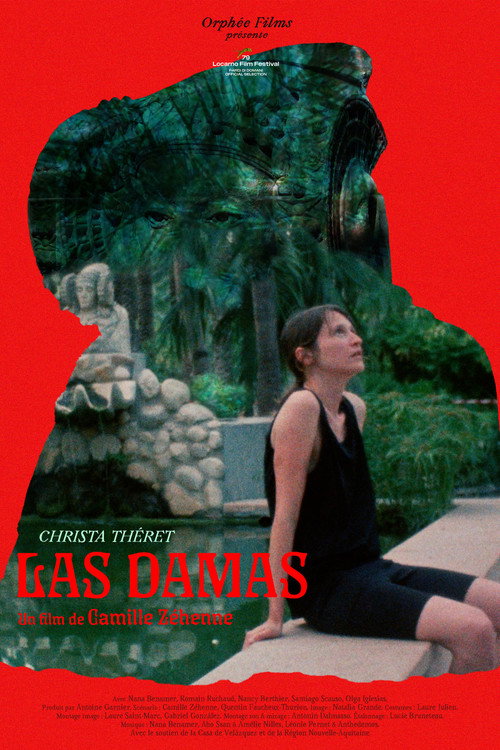
Alba, an artist-in-residence at the Casa de Velázquez, struggles to find her place in the world and in her own body.
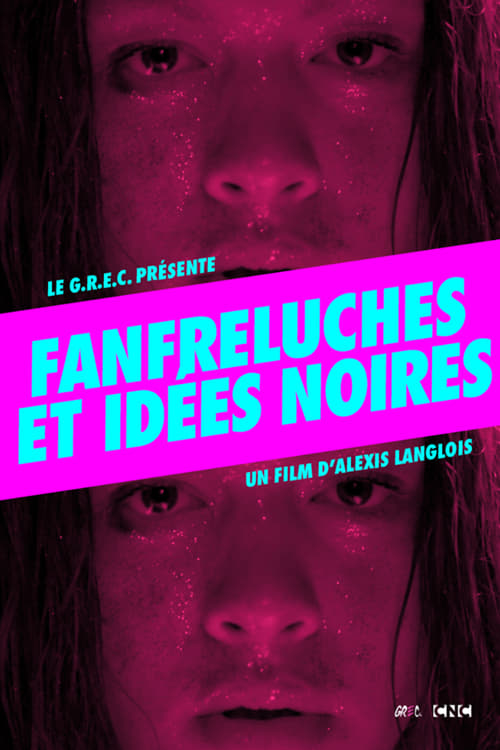
On a Sunday morning, a group of young revelers enter a large, vacated apartment. Tired drag queens mix with debauched grannies, drunken vagrants and shy virgins over the course of the morning.
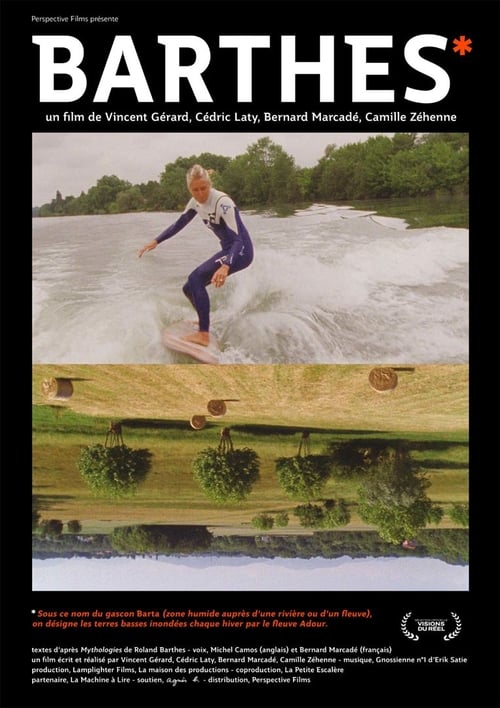
“There is no country but childhood's” said Roland Barthes in a lovely text simply entitled "The Light of the South Wes"t. This region that he had chosen from them all, Urt on the banks of the Adour, the village sheltering his mother’s house. He would often come here to rediscover his pleasure in writing: “The pleasure of these mornings in U.: the sun, the house, the roses, the silence, the music, the coffee, the work, the a-sexual calm, a break from aggressions.” It is here that he now rests in the same grave, close to the maternal breast.
No description available.
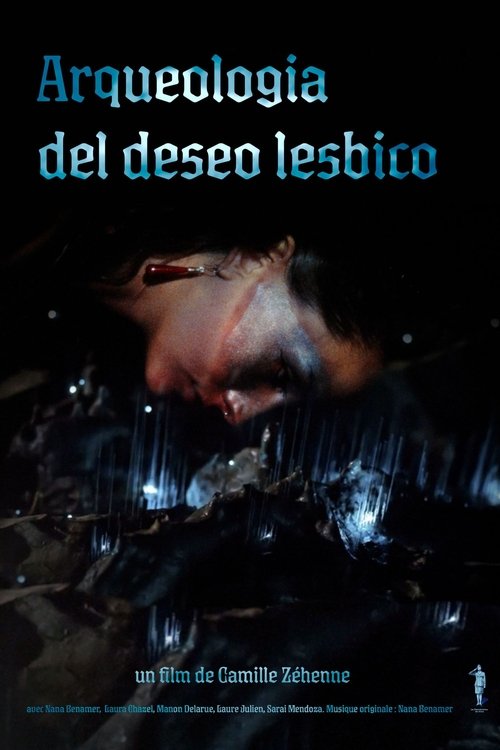
Inspired by experimental LGBTQIA+ cinema of the 1970s, this film explores the blossoming of lesbian desire through an aesthetic and dreamlike approach, from the sensuality of a statue to the repressed eroticism between women.