Mary Marquet
Acting
Biography
Mary Marquet (born Micheline Marguerite Delphine Marquet; 14 April 1895 – 29 August 1979) was a French stage and film actress. Marquet came from a family of artists: her parents were actors, an aunt was a star dancer at the Paris Opera, and another was an official at the Comédie-Française. She entered the National Superior Conservatory of Dramatic Art in 1913 and studied under Paul Mounet. She failed her final exams, but was immediately engaged in the company of Sarah Bernhardt, who was a great friend of the family. She went on play alongside her in The Eugene Morand cathedral. She became established with her role in L'Aiglon by Edmond Rostand, whose mistress she became from 1915 to his death in 1918. She made her film debut in 1914 in a silent film, Les Frères ennemis, which was never finished. Her first major film role was in Sappho, produced by Léonce Perret in 1932. After World War I, she joined the Comédie-Française in 1923 where she stayed for over twenty years, before moving to the boulevard Theatre. During the World War II, throughout the occupation, she sought the protection of German officers to protect her son who had told her of his intention to join the Resistance. The response was his arrest and deportation to Buchenwald concentration camp where he died aged 21. This was possibly the cause of her problems at the time of the Liberation when, due to her alleged relations with the enemy, Marquet was arrested and sent to Drancy and then to Fresnes. She was later released for lack of evidence. In the 1950s, she turned to poetry recital, while continuing her career in theater on the boulevards. She worked for ORTF in the Maigret episodes of Les Cinq Dernières Minutes and Les Saintes Chéries and in the television adaptation of Lucien Leuwen, the novel by Stendhal. Parallel to her acting career, as an antiquarian she ran a stand for many years at the Swiss Village, an important antique market in Paris where she demonstrated her skills as a saleswoman, mixing theatrical memorabilia with commercial interests. Among her most successful parts in over forty films, were her roles in, Landru in 1962, Claude Chabrol, La Grande Vadrouille in 1966 by Gérard Oury, and Casanova in 1975 by Federico Fellini. After these three minor parts she played important roles in La vie de château (1966) the mother of Philippe Noiret and the stepmother of Catherine Deneuve and the Le malin plaisir (1975) with Claude Jade and Anny Duperey. Mary Marquet and Victor Francen on their wedding day in 1934. Her first lover was Edmond Rostand around 1915, living together for three years. In 1920 she married Maurice Escande, the future director of the house of Molière, ending in divorce in 1921, before meeting Firmin Gémier, the director of the new Théâtre National Populaire, who was still married but whose wife was barren. In 1922, Marquet gave birth to their son. Before the death of Gémier in 1933, Marquet became the mistress of the president of the then Council, André Tardieu, in a semi-official liaison. Having broken up with Tardieu, she married Victor Francen. The couple separated after seven years together. Marquet died of heart attack at the age of 84 in her apartment in the Rue Carpeaux, She is buried in Montmartre Cemetery. Source: Article "Mary Marquet" from Wikipedia in English, licensed under CC-BY-SA 3.0.
Known For

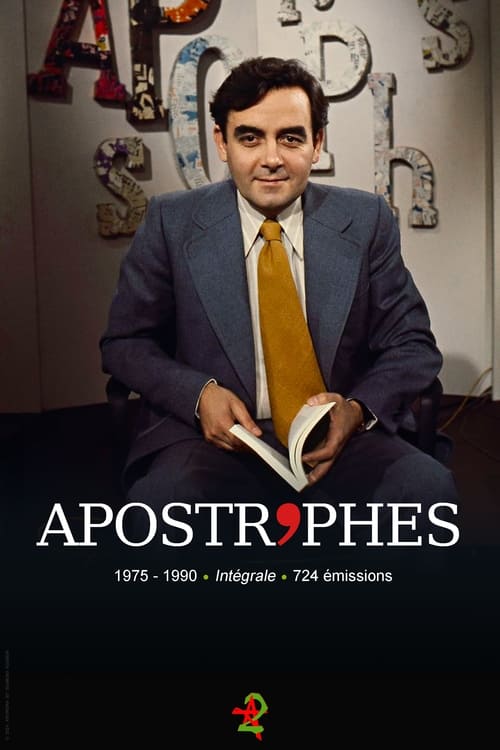
Apostrophes was a live, weekly, literary, prime-time, talk show on French television created and hosted by Bernard Pivot. It ran for fifteen years (724 episodes) from January 10, 1975, to June 22, 1990, and was one of the most watched shows on French television (around 6 million regular viewers). It was broadcast on Friday nights on the channel France 2 (which was called "Antenne 2" from 1975 to 1992). The hourlong show was devoted to books, authors and literature. The format varied between one-on-one interviews with a single author and open discussions between four or five authors.
Apostrophes

A French variety show.
Numéro un
No description available.
Midi trente
No description available.
Samedi soir

During World War II, two French civilians and a downed British Bomber Crew set out from Paris to cross the demarcation line between Nazi-occupied Northern France and the South. From there they will be able to escape to England. First, they must avoid German troops – and the consequences of their own blunders.
Don't Look Now... We're Being Shot At!

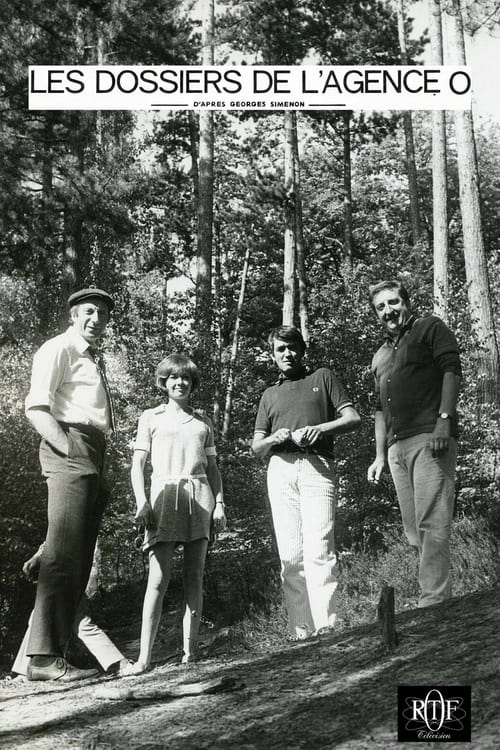
L’Agence O is a famous Parisian private detective firm. Its premises are located in the Passage Choiseul. In front, Torrence leads the shop. In fact, the agency's team is complemented by Émilie le Roux, Mademoiselle Berthe and Barbet, who scrutinize clients through a one-way mirror located behind the desk. Getting hold of a man disguised as an old lady, solving the mystery of the Prisoner of Lagny or discovering who is blackmailing the painter Tigrane Alban does not worry the experts at the O Agency. Les Dossiers de l’Agence O is a French-Canadian television series in thirteen episodes of approximately 55 minutes created by Marc Simenon and broadcast first in Quebec from December 14, 1967 to March 13, 1968 on Télévision de Radio-Canada, then in France from March 11 to June 3, 1968 on the first channel of the ORTF.
Les Dossiers de l'Agence O

No description available.
Un curé de choc

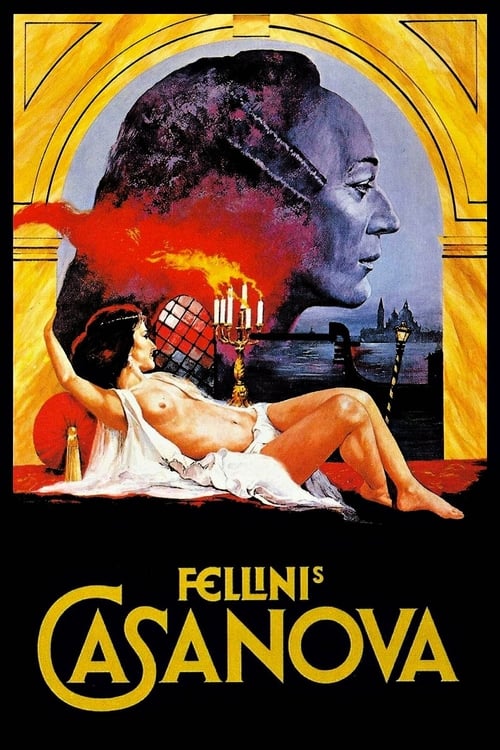
Imprisoned for practicing black magic, writer and adventurer Giacomo Casanova escapes and wanders Europe, using his fluid sexuality to find his place in life amid a variety of eccentric and strange characters.
Fellini's Casanova

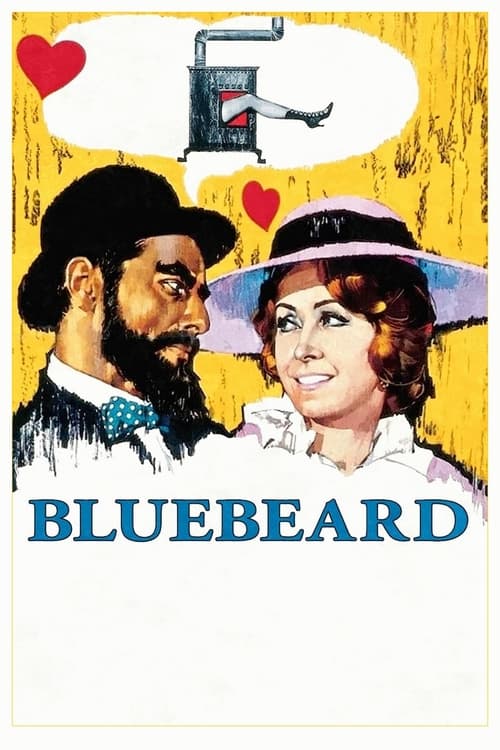
Paris, France, during the First World War. While thousands of soldiers die every day on the battlefields, Henri Landru, a seemingly respectable furniture dealer, married and father of four children, relentlessly feeds his own sinister factory of death.
Bluebeard

A shy bank employee unexpectedly invites a young woman to a café, leading to a one-night stand. When he shares this with his disillusioned friend, the writer helps him navigate a dazzling social ascent.
Love at the Top

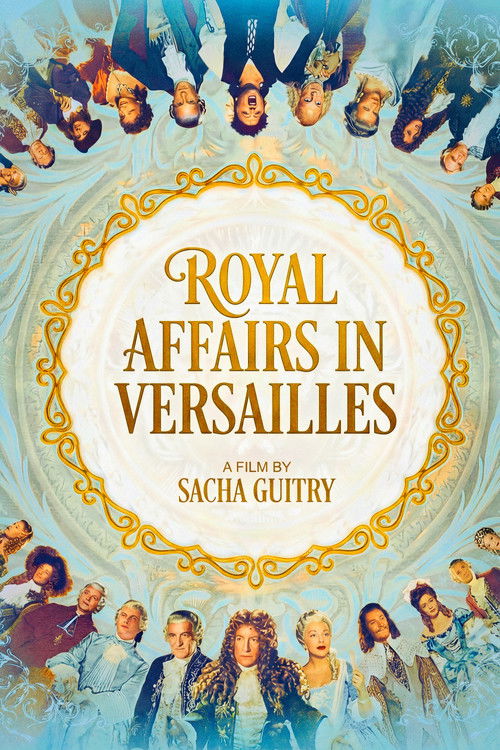
Witty narration follows the history of Versailles Palace; founded by Louis XIII, enlarged by autocratic Louis XIV, whose personal affairs and amours, and those of his two successors, are followed in more detail to the start of the Revolution, after which the story is brought rapidly up to date. A huge cast plays mainly historical persons who appear briefly.
Royal Affairs in Versailles

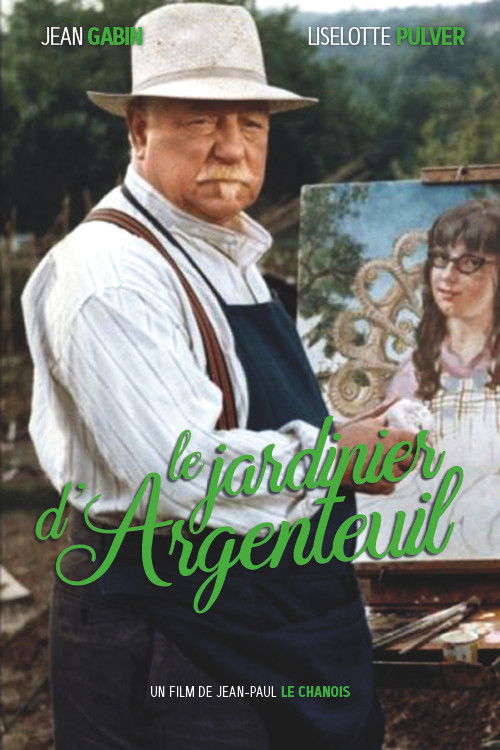
Tulipe, is an old man who lives alone in an old railway carriage in the Argentueil region of Paris. His main passions are gardening and oil painting, but he also has a secret source of income. His godson discovers that Tulipe is actually a master forger, producing perfect copies of 10 franc notes. His godson’s girlfriend sees this as an opportunity to get very rich – but she must persuade Tulipe to forge 500 franc notes. Assuming Tulipe’s agreement, his godson and his girlfriend buy an expensive new car and luxury villa in provincial France – but there is a cruel turn of fate in store for them when Tulipe strikes up a friendship with a millionaire playboy.
The Gardener of Argenteuil

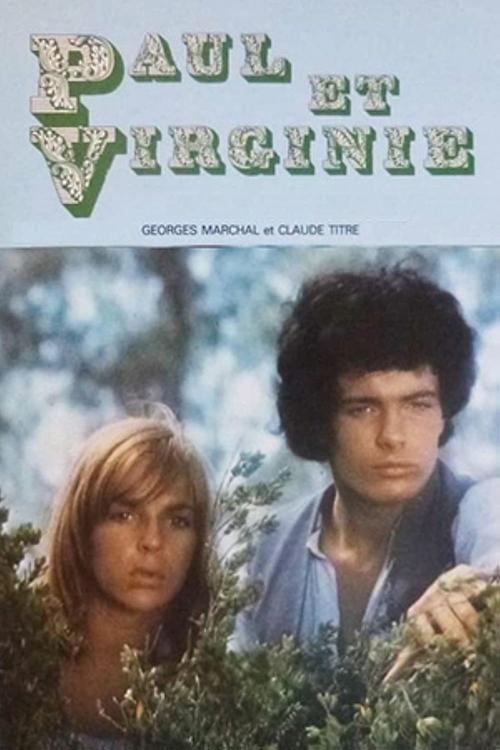
No description available.
Paul et Virginie

No description available.
Lucien Leuwen

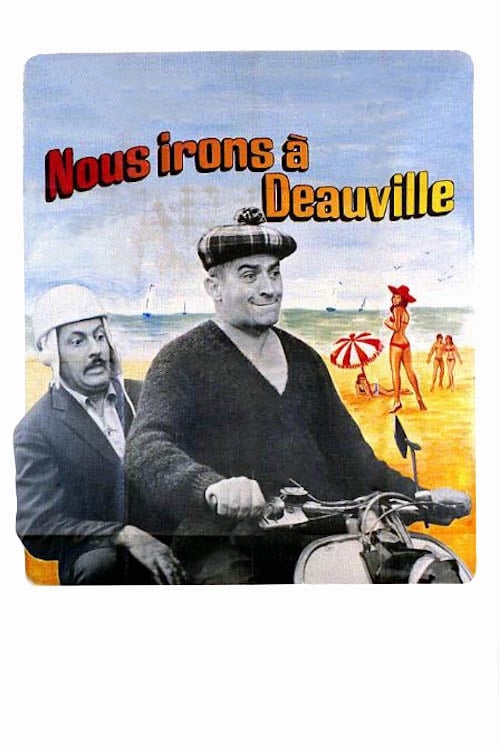
Comical adventures of two pairs of friends during their stay in Deauville, Normandy.
We Will Go to Deauville

In the countryside near Normandy's beaches lives Marie, unhappy. It's 1945, she's married to Jérôme, a somewhat fussy milquetoast, diffident to the war around him and unwilling to move his wife to Paris, where she longs to live, shop, and party. A German outfit is bivouacked at Jérôme and Marie's crumbling château because its commanding officer is pursuing Marie. She's also eyed by a French spy working with the Allies as they plan D-Day. He woos her (posing to the Germans as her brother) and, in his passion, forgets his mission. Heroics come from an unexpected direction, and Marie makes her choice.
A Matter of Resistance

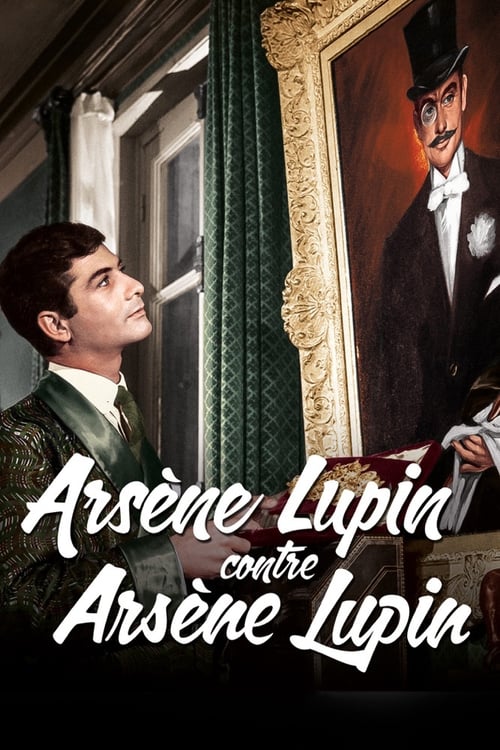
André Laroche, an industrialist, has just passed away. Face to his grave, as he is being buried, Anne de Vierne, the wife of a magistrate, confesses to her son François that Laroche was in fact Lupin and that he is his natural child. But he is not the gentleman thief's only offspring! Lupin had indeed another son by a housemaid, Gérard Dagmar, a dancer, magician and - occasionally - burglar. Which complicates the task of François who, to respect the last wishes of the testator, has gone in search of the treasure of Poldavia. For he keeps finding Gérard on his way and his efforts are constantly thwarted by his half-brother. Will Gérard prevent François from becoming the worthy successor to their father or will the two young men decide to join forces? That is the question.
Arsène Lupin vs. Arsène Lupin

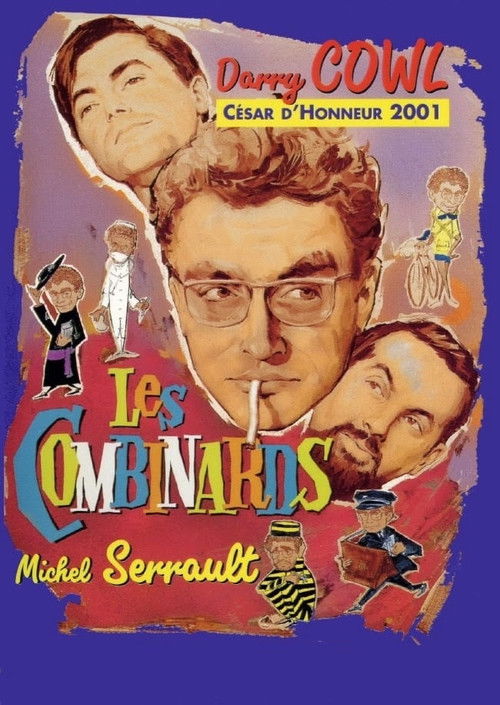
Léo and Claude, two penniless friends turned con artists, answer matrimonial classified ads to trap women. But one of the friends soon finds his own game turned against him.
Les Combinards

Yves Tréguier, a young orphan, escapes from a reform school in Brittany to join "Dédé la Glace" in Paris, an old-timer with whom he has a sincere friendship. The love of Zette, a young girl he has met, and the benevolent friendship of Father Blain, the bistro owner, give him the desire for regular work. "Jo le Grec", a pimp jealous of Dédé's friendship with Yves, seduces Wanda, a prostitute he loves, and shoots Dédé dead. Blain prevents him from doing the same to Yves, and shoots him in turn. Yves can live an honest life with Zette and the baby she's expecting.
Law of the Streets

A young girl dies in an accident just before her wedding. But when her sister starts to look into it, she discovers the truth about her.