Claude Durand
Editing
Biography
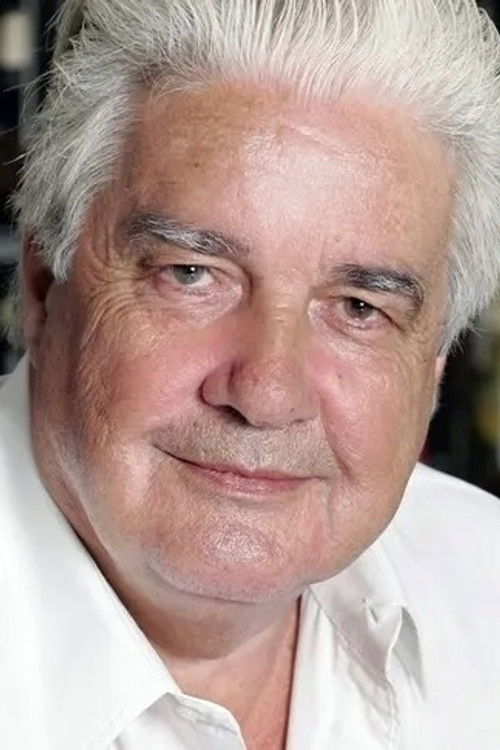
Claude Durand (1938–2015) was a French publisher, translator and writer. He worked in the French film industry editing films, and occasionally writing and directing. He published leading authors such as Solzhenitsyn and Houellebecq, and together with his wife Carmen, he translated the standard French edition of Gabriel Garcia Marquez's novel One Hundred Years of Solitude. As a writer, he won the 1979 Prix Médicis for his novel La Nuit zoologique. As Solzhenitsyn's literary agent (Editions Fayard) since 2003 he acted as an intermediary with "Moscow" when Edward Ericson Jr. and Daniel Mahoney were preparing The Solzhenitsyn Reader. A substantial part of the notes (remarks) on the Journal of the Red Wheel are of his hand. Source: Article "Claude Durand" from Wikipedia in English, licensed under CC-BY-SA 3.0.
Known For

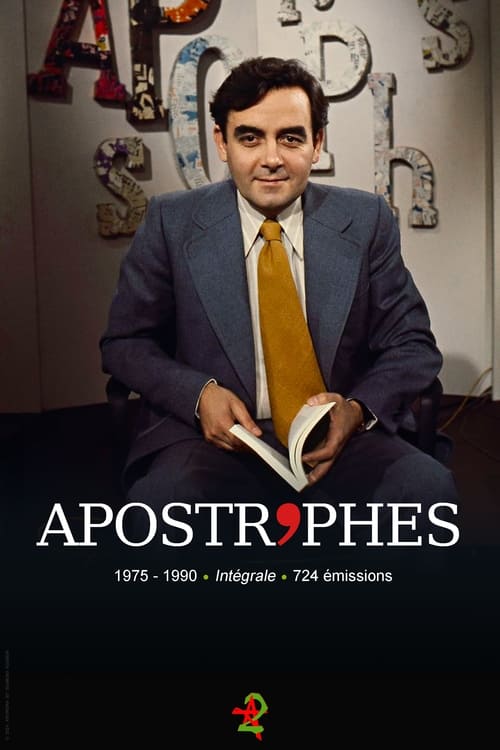
Apostrophes was a live, weekly, literary, prime-time, talk show on French television created and hosted by Bernard Pivot. It ran for fifteen years (724 episodes) from January 10, 1975, to June 22, 1990, and was one of the most watched shows on French television (around 6 million regular viewers). It was broadcast on Friday nights on the channel France 2 (which was called "Antenne 2" from 1975 to 1992). The hourlong show was devoted to books, authors and literature. The format varied between one-on-one interviews with a single author and open discussions between four or five authors.
Apostrophes

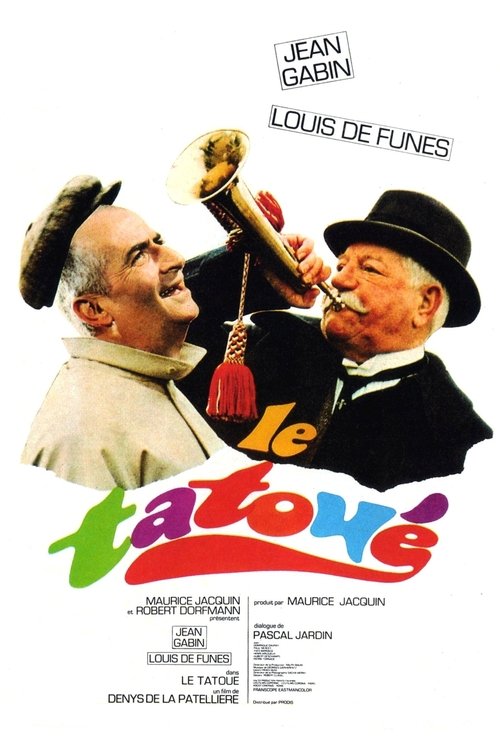
An art dealer wants to buy a Modigliani, which is tattooed on the back of an old soldier.
The Tattoo

In June 1940, during the Dunkirk evacuation of Allied troops to England, French sergeant Julien Maillat and his men debate whether to evacuate to Britain or stay and fight the German troops that are closing-in from all directions.
Weekend at Dunkirk

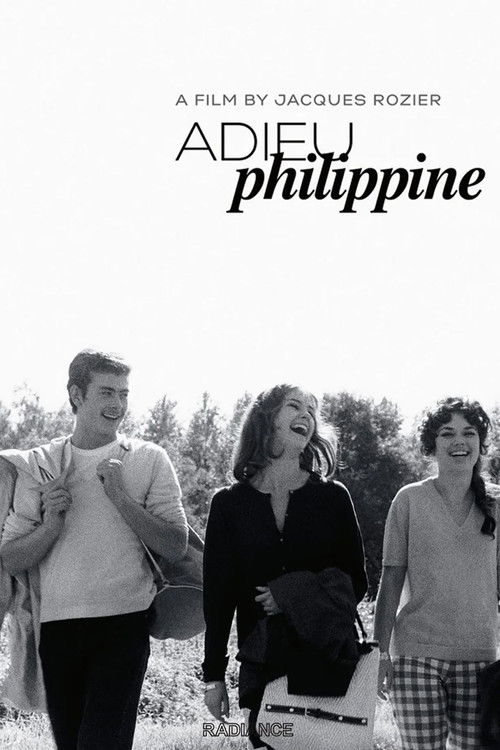
Michel is a young technician in the fledgling TV industry and is due for military service in two months at the time of the Algerian War. Juliette and Liliane are inseparable best friends, and aspiring actresses, who hang around outside the TV studio. Michel invites them in to watch, flirts with them both, and dates them separately and together. When Michel goes on a holiday to Corsica, just before he is drafted, the girls follow.
Adieu Philippine

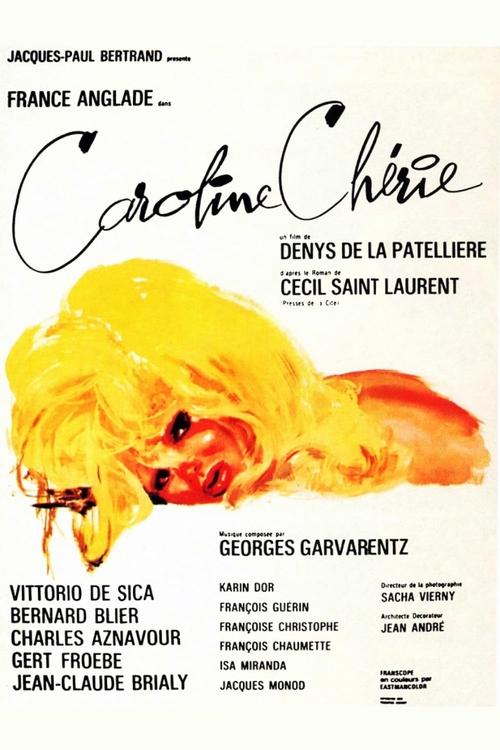
Against the backdrop of the French revolution, young Caroline tries to reunite with her first love, despite her arranged marriage to an older politician.
Dear Caroline

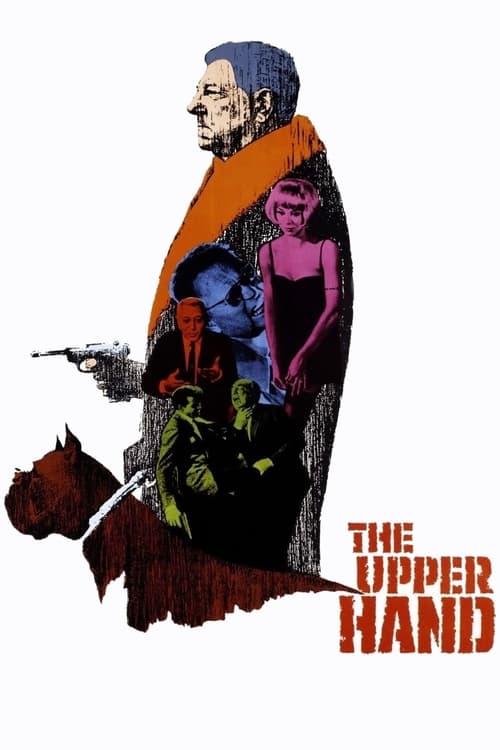
In Paris, a gold smuggler is at war with other local gangsters who want piece of the action. Then the mob shows up and makes things worse. And an undercover US Treasury Department agent is trying to infiltrate the smuggling business.
The Upper Hand

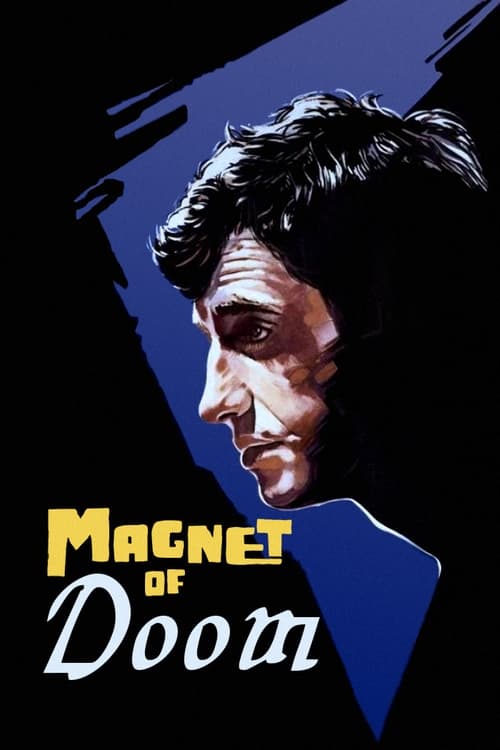
Young boxer Michel Maudet is sacked by his manager after a series of match defeats and is forced to look for a new job. He is engaged as secretary to a millionaire named Ferchaux who is in a hurry to flee the country when he discovers he has been implicated in a high-profile fraud.
Magnet of Doom

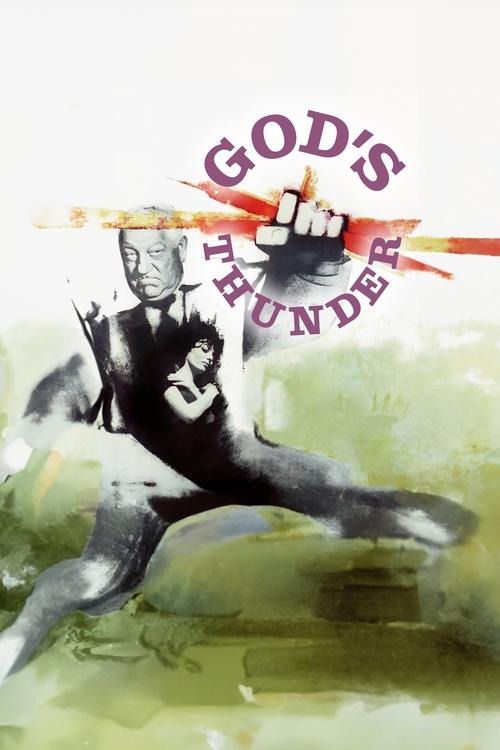
Veterinarian Léandre Brassac lives with his wife Marie on a remote estate. One day, he decides to shelter a young woman with no bearings.
God's Thunder

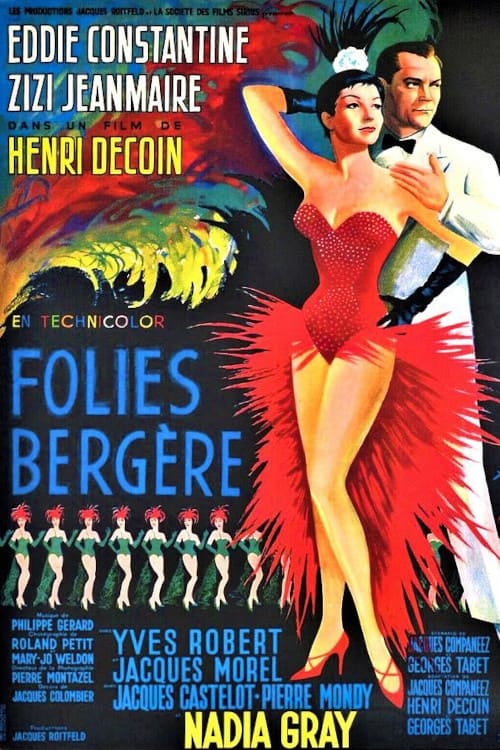
A GI on furlough attends a Folies-Bergères show. He falls in love with a dancer, Claudie, the star of the theater.
An Evening at the Music Hall

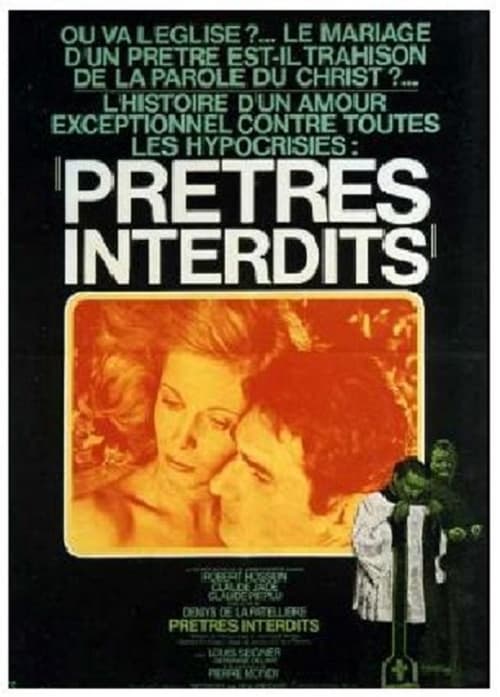
No description available.
Prêtres interdits

A truck driver ventures into the Moroccan desert to retrieve a stolen truck, facing danger, bad luck, and uneasy alliances. Chaos builds to a climactic showdown.
Greed in the Sun

Spies from several countries try to find out what secrets are hidden in the mind of a young amnesiac girl who has appeared in Paris.
The Blonde from Peking

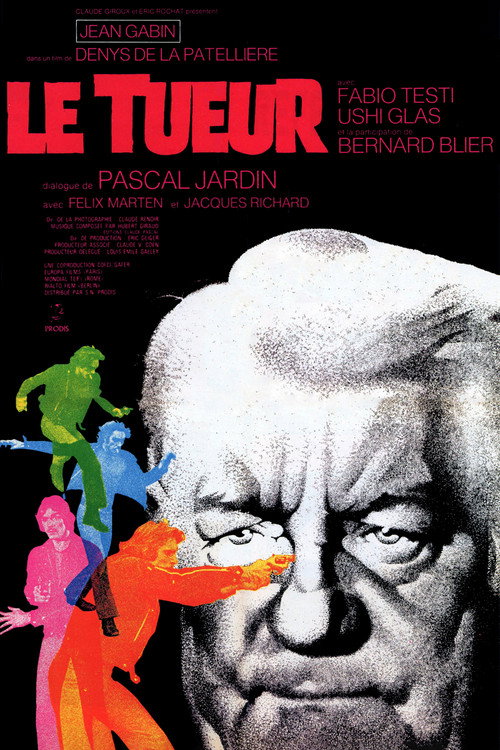
Whilst being transferred to a psychiatric hospital, a ruthless serial killer Gassot makes a break and goes on the run. He arrives in Marseilles, intending to escape abroad. Here, he falls for a young prostitute, Gerda.
Killer

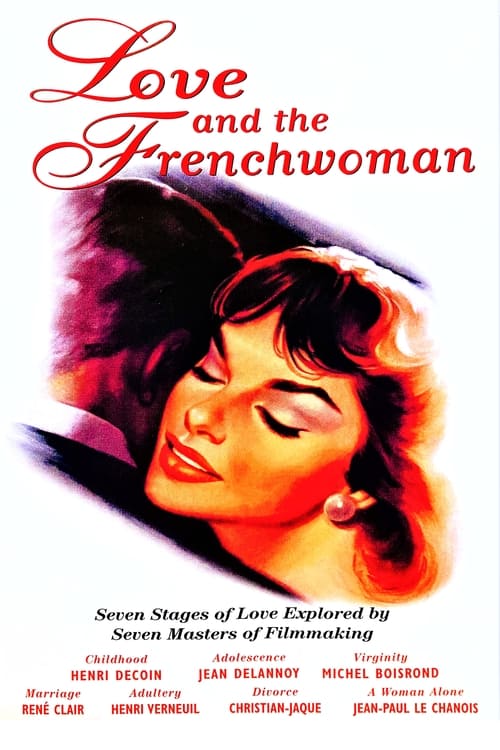
The seven stages in the life of the modern Frenchwomen are disclosed by seven directors in a witty way: 1 - Childhood, 2 - Adolescence, 3 - Virginity, 4 - Marriage, 5 - Adultery, 6 - Divorce, 7 - The Single Woman.
Love and the Frenchwoman

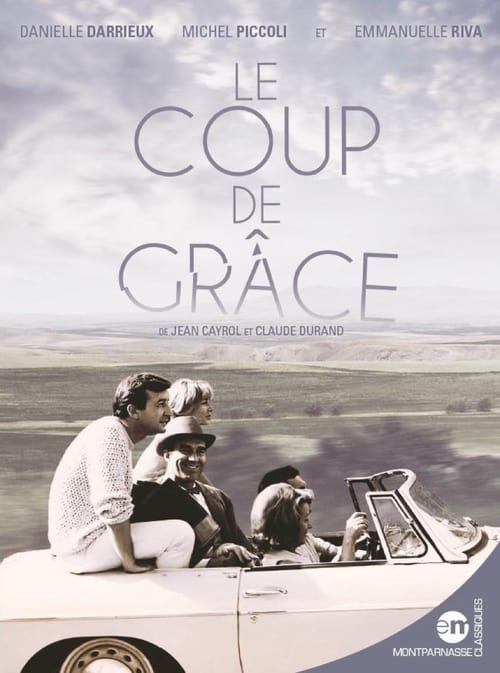
During WWII, Bruno gave away many people to the Gestapo. Now, 25 years after, with a new face given by plastic surgery, he is back and becomes friend with his victims' relatives and friends...
Le Coup de grâce

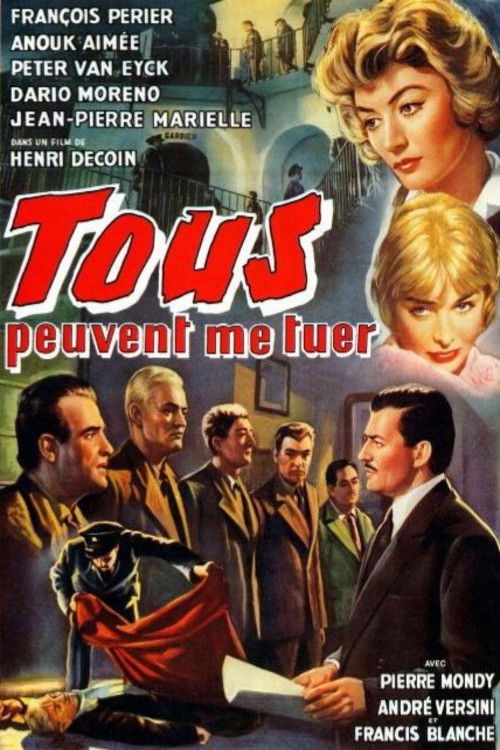
The holdup of the bank is a success. All happened according to plan. Now, Cyril Gad and his four accomplices must secure an alibi. What better place than a prison cell? As a result the five gangsters have themselves arrested on minor charges and start waiting until they are released. Unfortunately three of them die mysteriously, another one is openly murdered. The only man still alive, Tony, is scared. Easy to understand why...
Anyone Can Kill Me

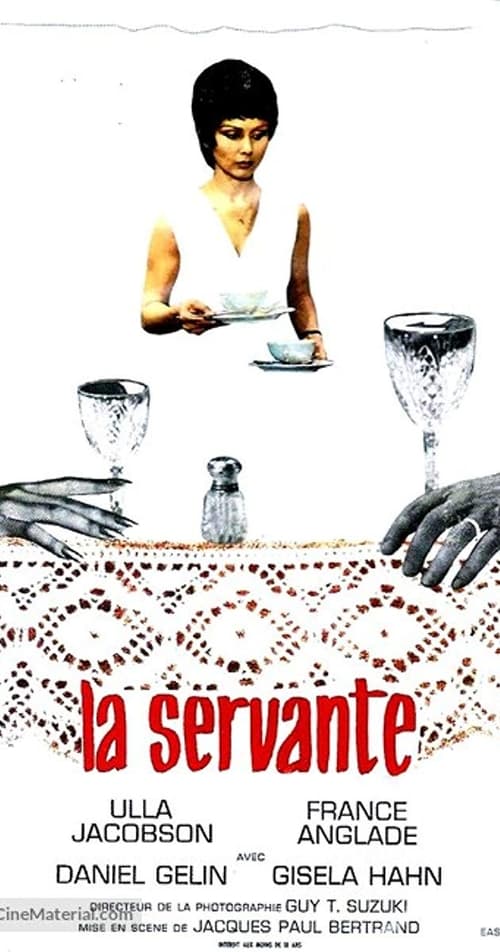
18-year-old small town Aline arrives in Paris and is employed as house servant in Robert and Ulla Marbois' home. Robert takes a fancy towards Aline and they begin an affair.
The Servant

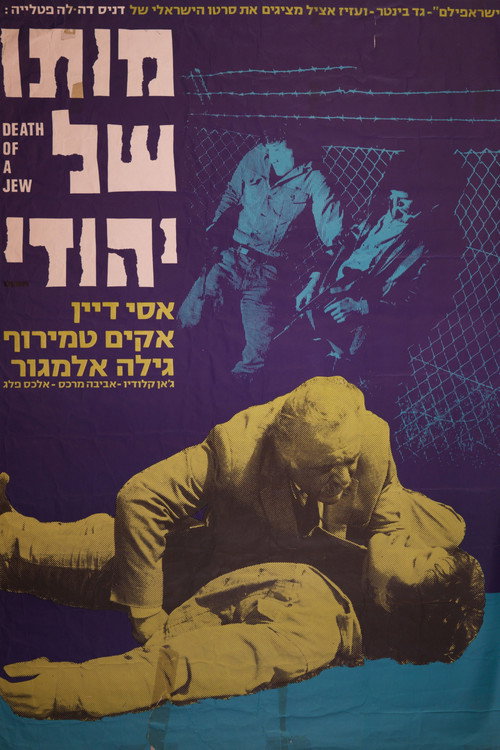
A confrontation between two enemies. One is a young, captured Israeli agent and the other an older Arab inspector who tries to get the agent talk by making him regain his desire to live.
Death of a Jew

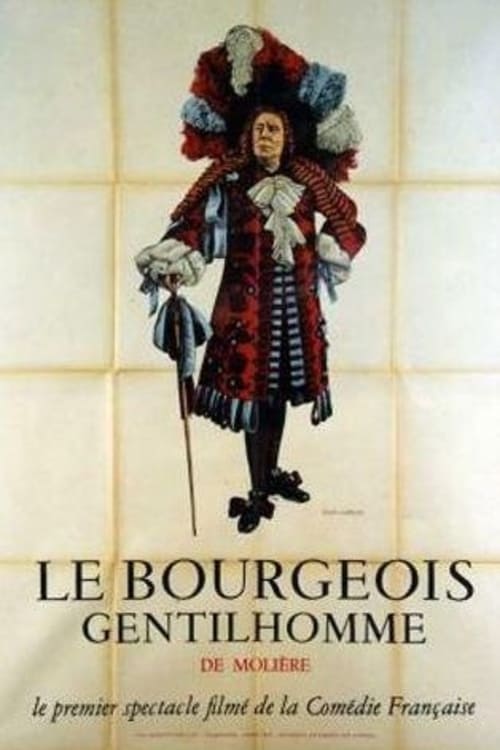
M. Jourdain is a cloth merchant who wants to become a gentleman, learning dance, music, fencing and philosophy. Mme Jourdain is worried about Dorante's expenses and prefers her daughter Lucile to marry Cléonte. The two young men's servants use subterfuge to get M. Jourdain to accept Cléonte as son-in-law. They fake the arrival of the Grand Turk's son in Paris, and, in an Oriental ballet, confer upon M. Jourdain the title of Mammamouchi, his daughter marrying the son of the Grand Turk, who is none other than Cléonte in disguise.
Would-Be Gentleman

The duel between Pierre Péan and Edwy Plenel revisits some of the great moments of French political life and tells the story of more than 30 years of journalism in France. From distrust to attack, from revenge to caricature, the two icons of French journalism, Pierre Péan and Edwy Plenel, have always been at war. Everything opposes them: their working methods, their vision of the profession and even their way of being. Pierre Péan has always worked alone, in secret, while Edwy Plenel was looking for his place in the collective, heading for the upper echelons of the media... In the 1980s, both men became stars of journalism. In the 1990s, with his best-selling investigations, Péan invented his own independent business model, while Plenel became editor of Le Monde. Their exceptional careers have changed the way news is reported in France