Directing
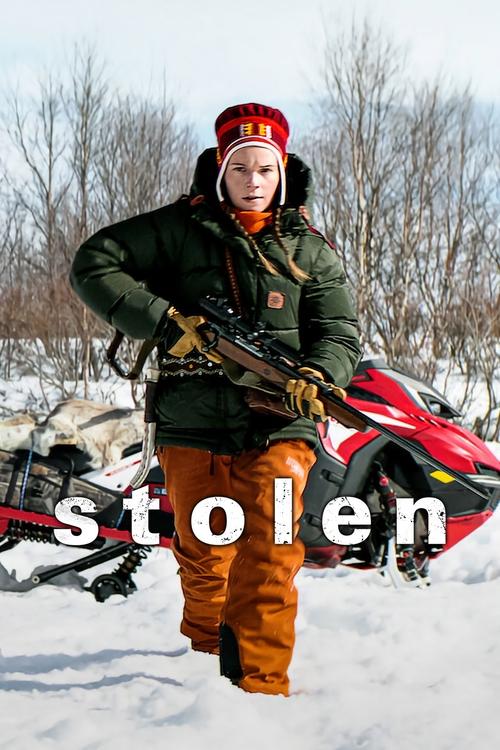
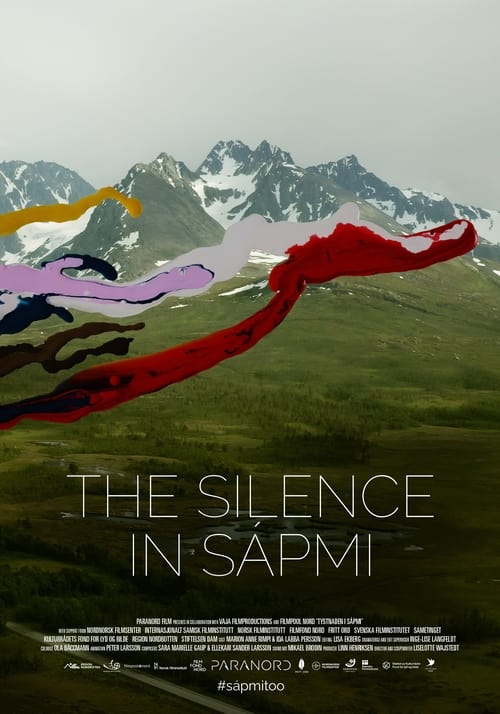
A young woman struggles to defend her Sámi heritage in a world where xenophobia is on the rise, climate change is threatening reindeer herding, and young people choose suicide in the face of collective desperation.
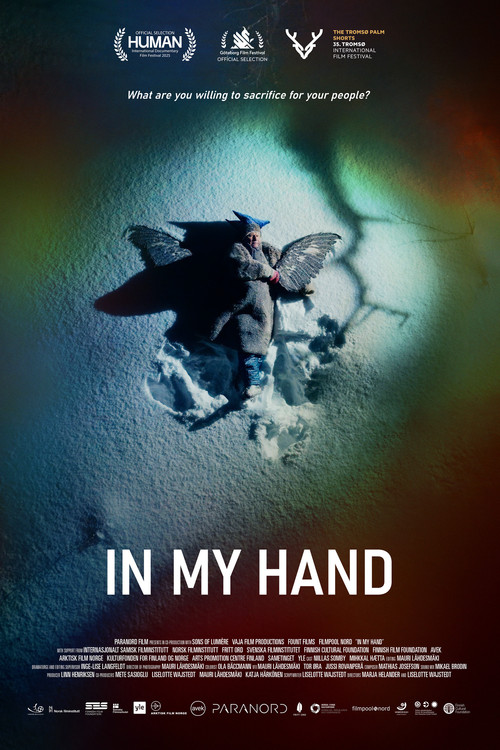
An exploration of the personal and historical struggles of the Sámi people, navigating imprisonment, protests, and surreal encounters, providing a unique insight into one man's extraordinary journey.
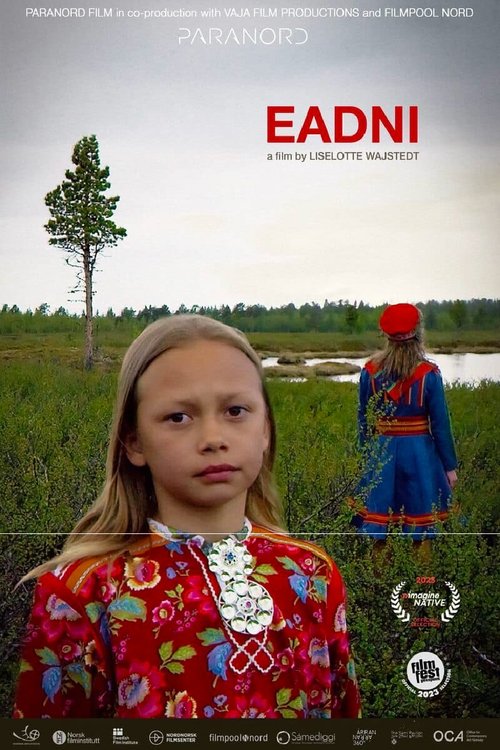
“Háldi”, a forest creature, she is a part of the egotistical system, that may lure children into the woods. Why? Eadni, which means mother, is a multi-layered visual saga that provokes thought. Focusing on Háldi, the whole story is a creation story with the hope that we will protect nature and ensure that the eternal cycle continues. The never-ending saga of the essence of life.
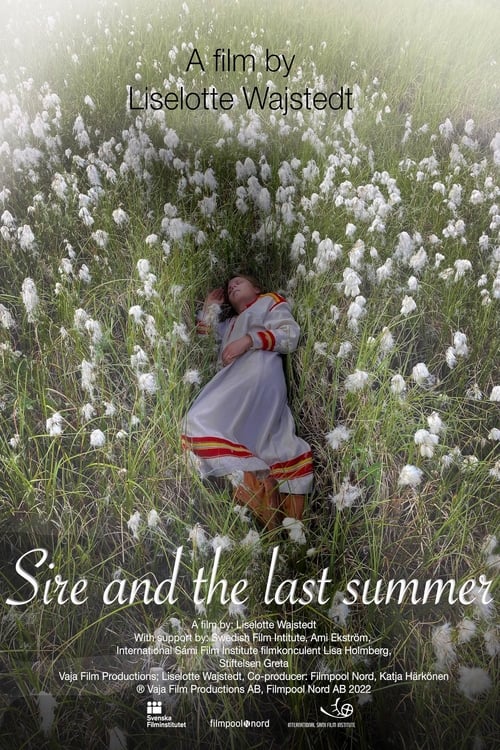
The year was 1916, we follow Sire’s everyday life, until her final moments. We are a part of her little world and get to see how big that little world can be. How rich it’s in emotions, sounds and memories. Sire reminds us of life, not death. She was my Máttaráhkku, great-grandmother, and my grandfather was 10.
A documentary about abuse and mental illness among young people in Sapmí.
When corona pulls in over Sweden, she wants to go home to her family in Kiruna. But all unnecessary travel is discouraged and the Prime Minister asks for common sense. A text message dissolves the knots in a personal and reflective film about a time that divides friends and families.
Liselotte Wajstedt creates a tender narrative about her grandmother. She examines a personal history and discovers connections to her own life. The work also reflects several profoundly universal questions and ideas about life. Liselotte Wajstedt sews a white kolt for her grandmother using the sewing machine she inherited from her. Along the hem she has printed a row of images from the grandmother’s life, which are then joined together, piece by piece.
Armed in a Kolt and with a summer's course in the lingo the director intends to take her place among the people she belongs to. It's an exciting trip filled with expectations and fear of rejection.
This film is about Kiruna, the first girl born there. The city’s founder Hjalmar Lundbohm named her Kiruna and decided that the first girl of every generation in that family should bear that name. Kiruna’s life fell short, dying at 26 from cancer, only a week after her godfather Hjalmar Lundbohm. The film follows Kiruna’s granddaughter Britt-Inger Kiruna who tells this story and has Kiruna’s grave restored, while reflecting on the role that Kiruna Church, built between 1909 and 1912, has played for Kiruna as a city.