Writing
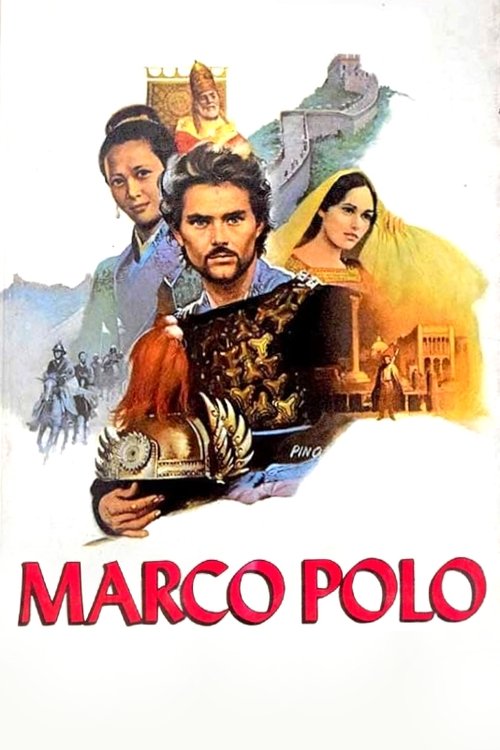
The life of the 13th-century Venetian explorer who sought to connect the civilizations of China and Europe through trade.
Dramatizes the Birth, Life, Ministry, Crucifixion, and Resurrection of Jesus Christ, largely according to the Holy Bible's New Testament Gospels.
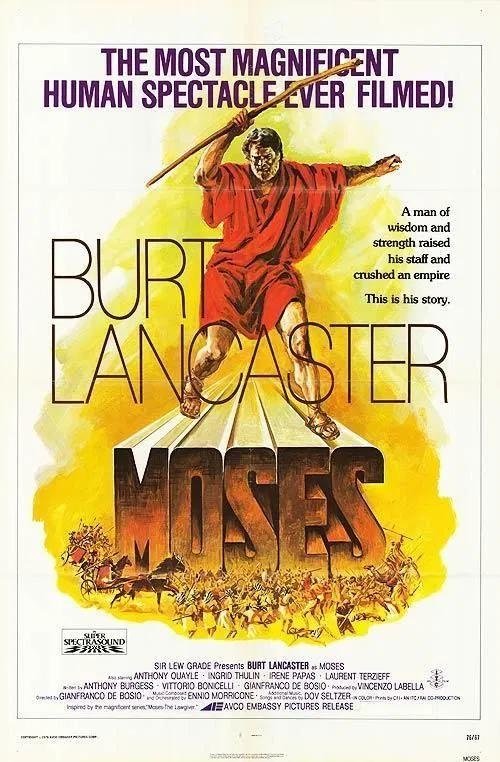
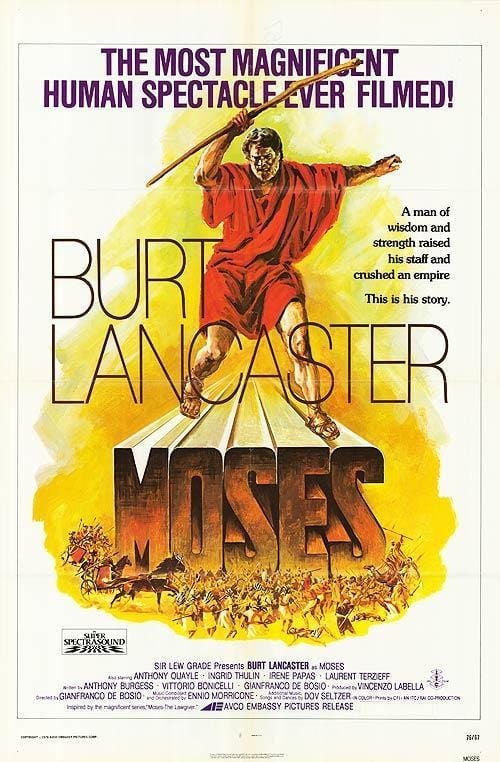
The Story of the Exodus or freedom of Hebrews from Egypt is told in a perspective which highlights Moses' efforts to persuade first the stubborn Pharaoh Merneptah, who was his adopted cousin, to release his work force of slaves. Then, once free and in the wilderness en route to the Promised Land, Moses must prove to be a pious and patient leader or lawgiver to a people who still think they want more out of him or God. For 40 years, Moses must carry on this load and challenge for God and Israel.
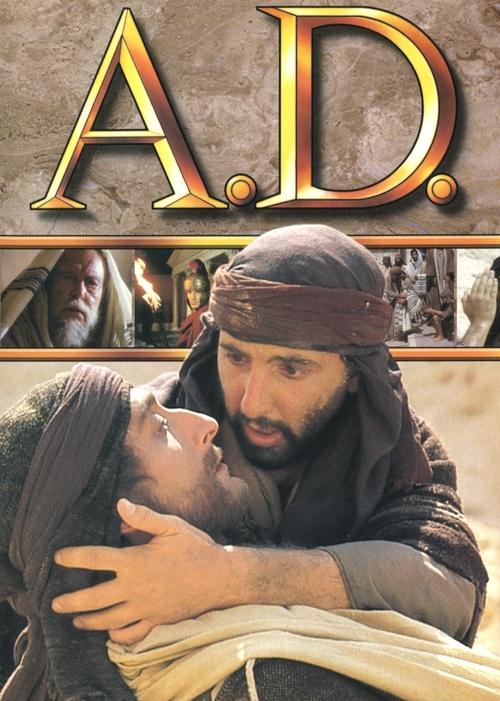
A.D. is a 1985 television drama miniseries created and written by Vincenzo Labella and Anthony Burgess, based on Burgess' historical novel The Kingdom of the Wicked. The five-part serial is considered the third and final part of a trilogy, preceded by Moses the Lawgiver (1974) and Jesus of Nazareth (1977). Set just after Jesus' Crucifixion, the lives and adventures of His disciples are explored, and events in Rome during the reigns of Emperors Tiberius, Caligula, Claudius and Nero.
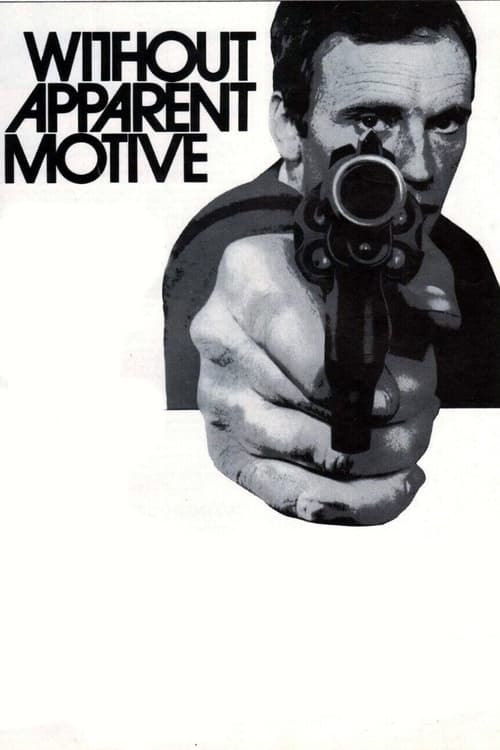
A series of murders is committed in Nice on the French riviera. The commissaire Carella is in charge and tries to find a missing link between all these murders.
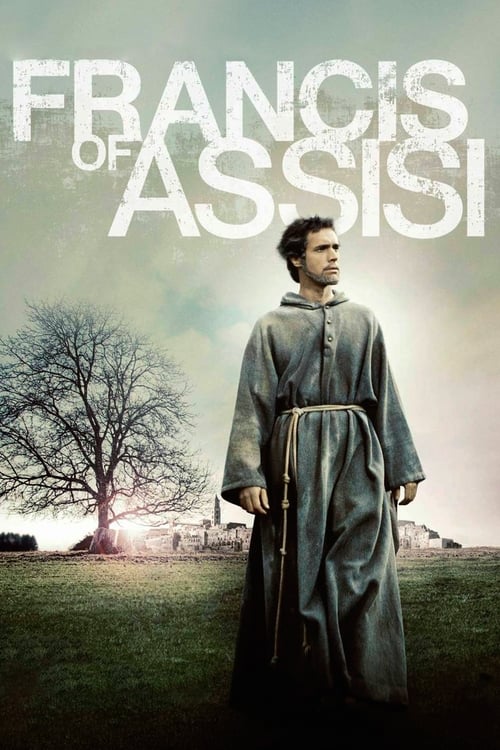
In 13th century Italy, Francis Bernardone, the son of an Assisi merchant, renounces a promising army career in favor of a monastic life and starts his own religious order, sanctioned by the Pope.
The epic story of Moses, who led the Israelites out of slavery, parted the Red Sea and received the Ten Commandments on Mount Sinai. This is the edited-down version for theatrical release.
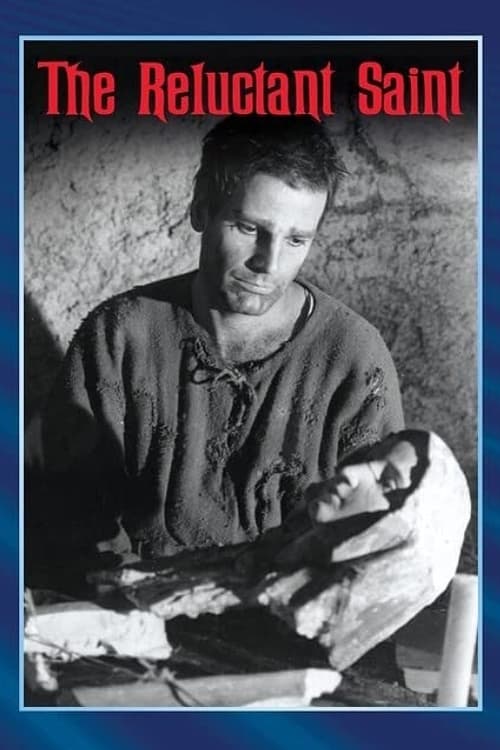
Cupertino, Italy, 1623: A simple-minded and clumsy young man joins a Franciscan order as a hired hand, overcoming his intellectual and social challenges with a pure heart and a simple faith. God performs a miracle through him, quite literally raising him to sainthood.
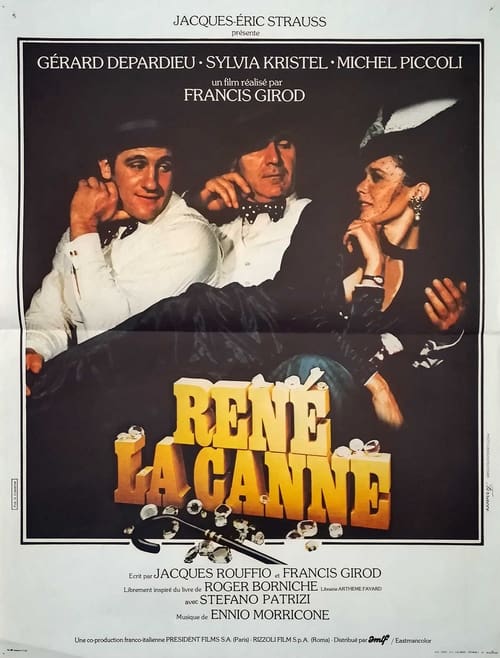
"René la Canne" was the second collaboration between Francis Girod and Ennio Morricone, coming after "Le Trio Infernal" (1974) and before "La Banquière" (1980). His film is an adaptation of a story by Roger Borniche about the gangster René Girier and relates the fantastic adventures of a flamboyant mobster (René/Gérard Depardieu) and a maverick police inspector (Fernand la Sournoise/Michel Piccoli), through the 1940s.
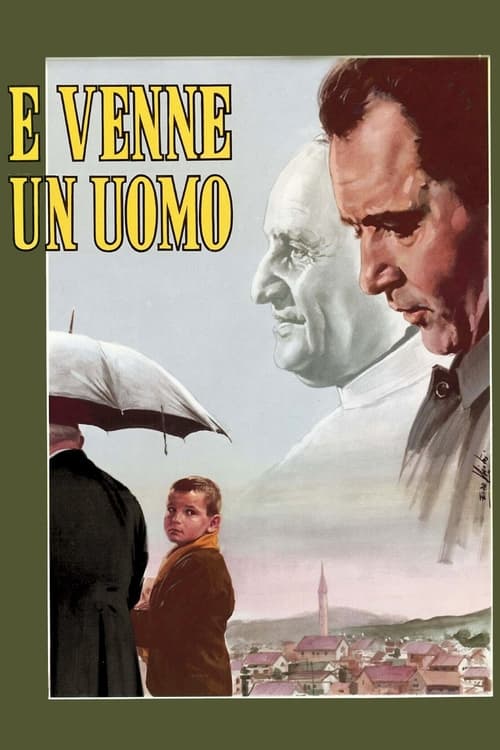
Based on the diary Pope John XXIII kept between the ages of 14 and 18, his lifelong concern for tolerance, the underprivileged, and world peace is told. Rod Steiger, in the central role, acts as "intermediary" between the Pope and the audience, interpreting John's words, thoughts and actions. Steiger visits the actual places in which John lived, recreating the conditions, environment, and forces that affected his development. Through this unusual technique, we are brought close to an extraordinary man - one who's able to win the love of many people of all faiths.
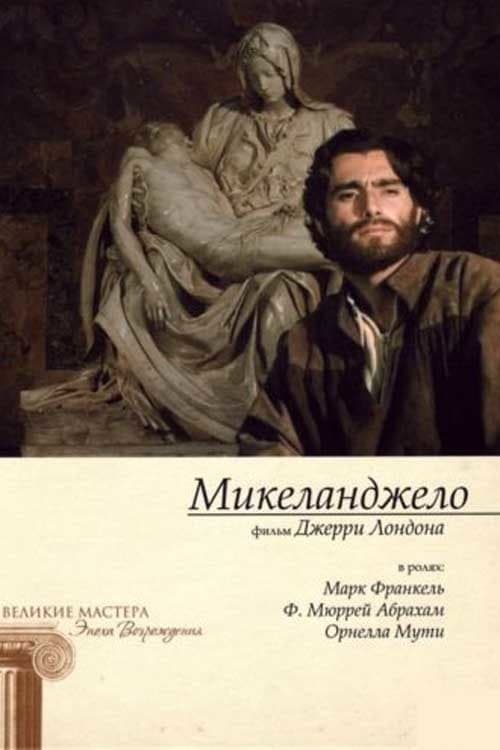
At the turn of the sixteenth century, Michelangelo (Mark Frankel), Raphael (Andrea Prodan), and Leonardo Da Vinci (John Glover) create their masterpieces, while dealing with religious persecution, political turmoil, and the discovery of America.
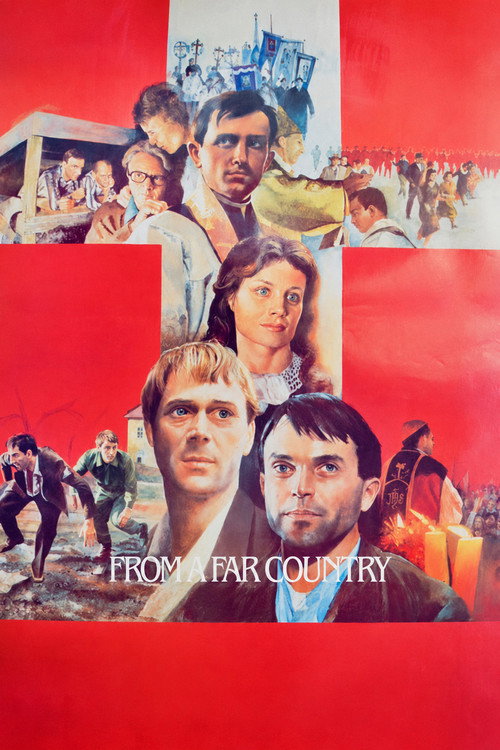
This heroic story follows the life of Karol Wojtyla, a Polish Roman catholic who ascends the throne of St. Peter as Pope John Paul II. As a young boy, Karol is a bright and talented student. Archbishop Sapieha recognizes the very special, moving qualities Karol possesses and encourages him to consider the priesthood. Although determined to study Polish literature, Karol turns to the church; he is ordained and studies in Italy, France, and Belgium. Torn by fear and repression in post-Stalin Eastern Europe, Karol becomes a poisonous thorn in the communists' side. His deer reverence and commitment return him to Poland as Pope John Paul II.
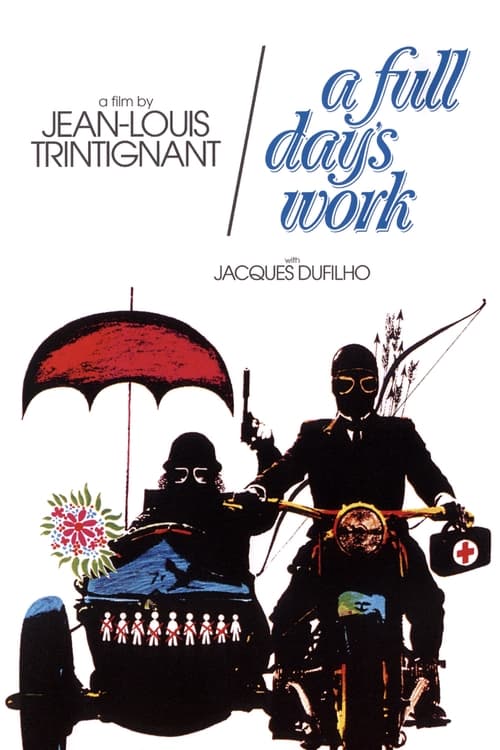
A father plans to kill in the same day the nine members of the jury who condemned his son to death.
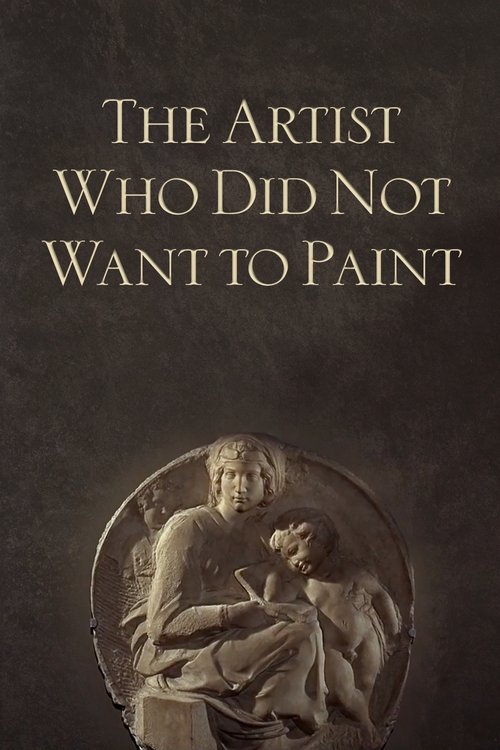
This short, a prologue to the feature film The Agony and the Ecstasy (1965), focuses on Michelangelo’s life and his many famous frescoes and sculptures. After a short visit to Caprese, where the artist was born, and the town where he first studied his craft, we see many of his most important works. They include the Madonna of the Stairs, completed at age 15; the statues of the Medici Tombs; and his two most famous Biblical figures: David and Moses.