Lee Daw-ming
Directing
Known For
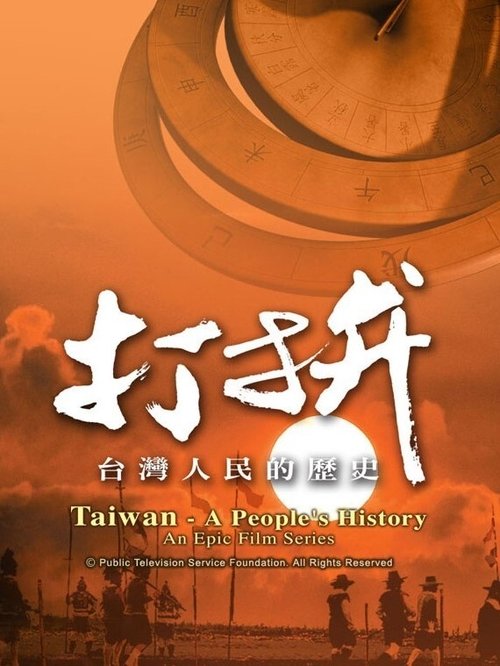
"Taiwan: A People's History" is a Taiwanese documentary directed and written by Fu Changfeng, starring Zhang Han, Zhu Luhao, and Qian Demen. From the perspective of the Taiwanese people, the film depicts the historical context of Taiwan's economic transformation, social development, and cultural transitions, from ancient times, the Spanish and Dutch colonial period, the Japanese colonial era, and the Republic of China. The production team recreated events such as Zheng Chenggong's landing at Luermen in Donggang, Yilan, and other places. Former Public Television Service Chairman Wu Fengshan stated that the work aims to convey the historical educational value of the "striving" spirit [1-2]. The program interprets the course of Taiwan's history from the perspective of Taiwanese people, allowing the people living on this land to better understand their own cultural roots.
Taiwan: A People's History

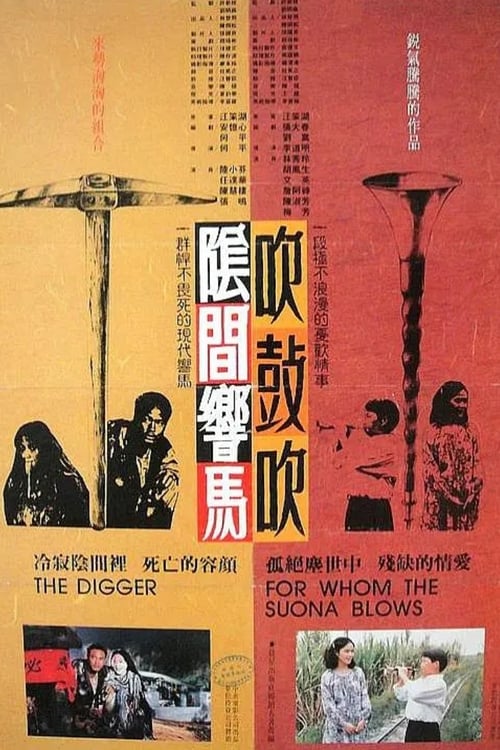
After his wife dies during childbirth, Ku-cheng leaves his children behind in their rural village while he finds work on a construction site in the city. He develops a relationship with a widow but despite their intimacy, he refuses to remarry.
A Drifting Life
No description available.
The Digger The Suona Player
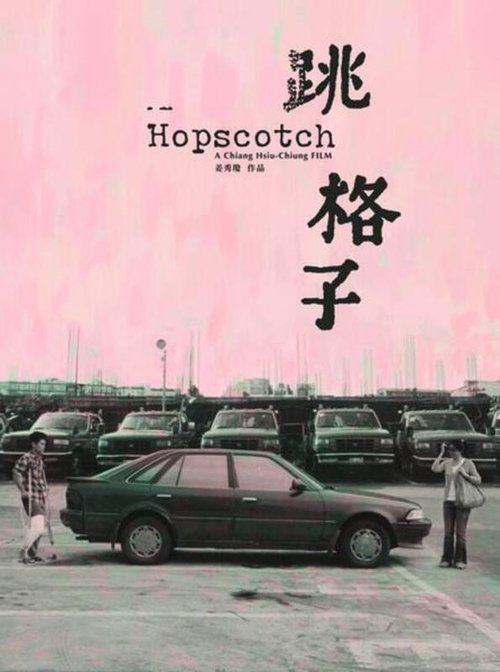
Zong is a tow truck driver. He makes a living by towing away cars parked in the prohibited areas everyday. However, he feels his work is full of complaints made by the car owners. Lian, an art teacher, has a gift to see the distinct things in this chaotic world. She always feels guilty for her occasional illegal parking. One day, Lian and Zong encounter each other, and Lian's pure and simplicity turns Zong’s “emotion switch” on...
Hopscotch
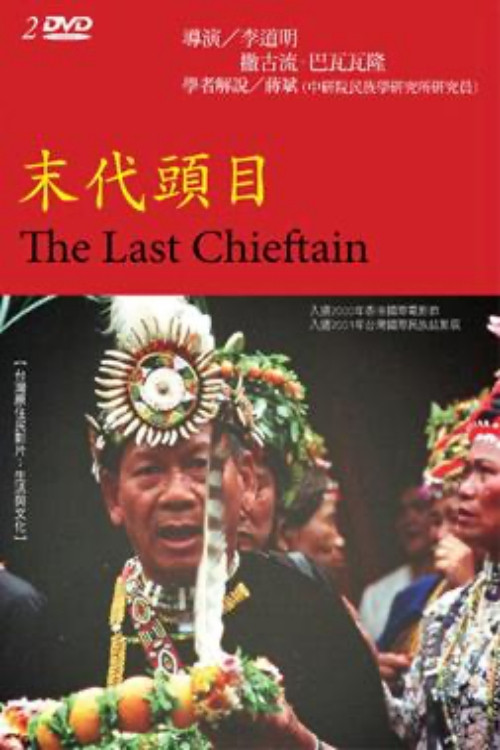
The film explores the leadership system in lives of chiefs such as Rangalu who was sworn in as the Head of Santiman District, Taiwan, which consists of 10 villages with the population of 70,000, most of whom are indigenous Paiwan. The Paiwan people live in the mountain area of southern Taiwan. Their rich oral traditions and cultural traits are revealed in this unique film. The two director, Daw-ming Lee and Sakuliu Pavaavalung, exchange their views on political and economic issues.
The Last Chieftain
Based on the story of “Pangu Separates Heaven and Earth,” The Beginning of the Universe starts with the time when the universe was a chaotic mass of air. After the great divide, Pangu’s body becomes the sun, the moon, the stars, the mountains, rivers, trees and grass.
The Beginning of the Universe
No description available.
Beyond the Killing Fields: Refugees on the Thai-Cambodian Border
No description available.
Voice of the People
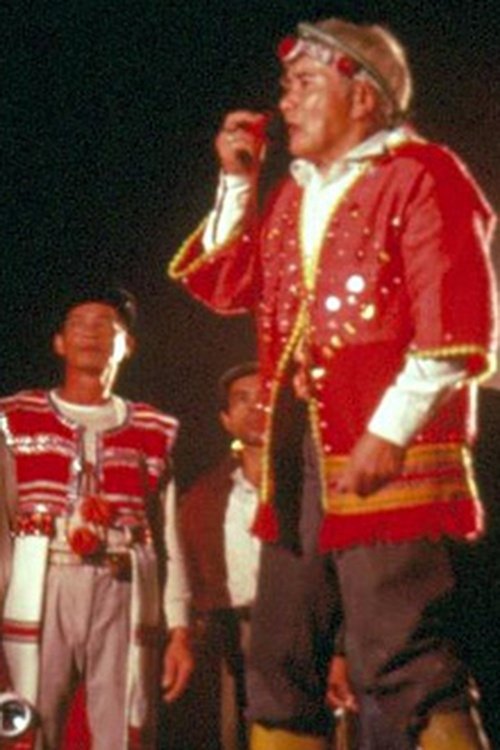
The Pasta’ay, which means "the festival of the legendary little people," is a significant ritual held every other year in the Saisiat aborigine group in Taiwan. Every ten years, they hold the Great Ritual. This film focuses on the Great Ritual in 1986. It tries to convey the Saisiat people’s affection for and belief in the legendary little people. At the same time, the film brings into light Saisiat people’s ambivalence towards tourist invasion, and their dilemma of being caught between tradition and modernization. Structured by the Pasta’ay songs’ movements, the film breaks down to 15 chapters. It carefully juxtaposes the visual with the aural elements, which are conveyed in the conceptual dichotomy between “the real” and “the artificial.”
Songs of Pasta'ay

A documentary of an indigenous artist Pavavalung Sakuliu, who devotes himself to the cultural renaissance of the Paiwan culture, which is endangered throughout the past century when modern economy was introduced to Taiwan by the Japanese colonial government in 1895 and by the Nationalist government which took over Taiwan in 1945.
Sakuliu
No description available.
博盛,這孩子
A letter with no receiver, connected two lonely souls from different ages and different countries. 9 years old Kageyama Kota from Japan wrote a letter to “Dear Mr. X” in school writing class, which was sent out by his mischievous classmates. To his surprise, “Dear Mr. X” wrote back.
Dear Mr. X

There are more than 320 thousand migrant workers legally hired in Taiwan, among them more than half are from Thailand. To these migrant workers, working abroad in Taiwan is a risky gamble. If they win, they can pay back large amount of brokerage fee and earn some money to support their families. The three Thai workers from northeastern Thailand in this film, however, weren't so lucky. The electronic factory that they'd been working was suddenly closed down. The owner of the factory simply said that he could not afford to pay the salaries of the 100 domestic workers and 100 migrant workers. The Thai workers were eventually deported back to Thailand after fighting futilely for their rights with other migrant and domestic workers. Their dreams of earning money were totally shattered. Some of them were deeply in debt. Would they give up their hopes in earning money from working abroad because of their bad experiences in Taiwan?
Shattered Dreams
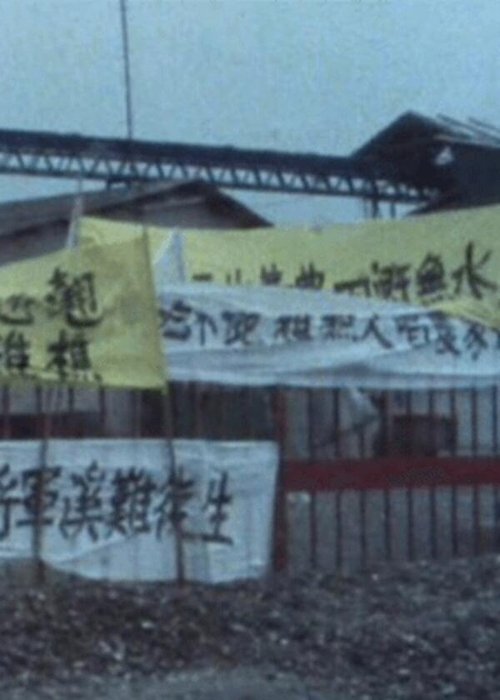
Following the lifting of martial law in 1987, Taiwan entered democratisation as grassroots movements flourished. Proposed by director Lee Daw-ming and funded by the Public Television Service, the film interviews key figures shaped by the Lukang Anti-DuPont Movement. Intended for broadcast, the film was suppressed by authorities and finally screened at the 2002 Taiwan International Documentary Festival.