Antonio Marchi
Writing
Known For
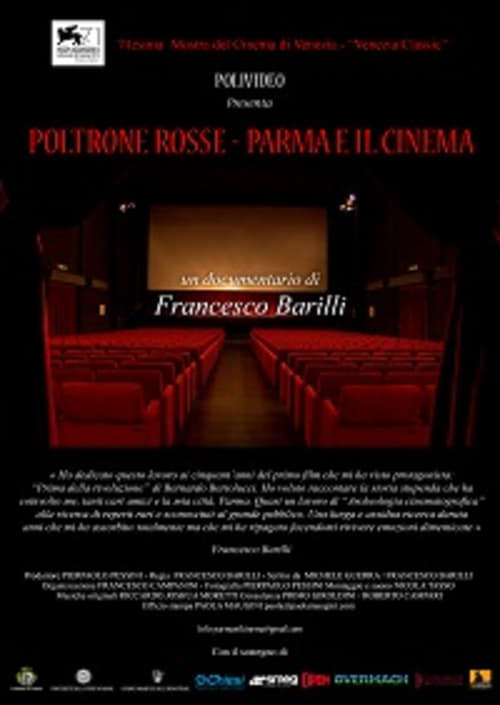
The relations between Parma and cinema were so strong for almost the whole of the twentieth century that this city became an early laboratory of ideas and theories on cinema and a set chosen by some of the greatest Italian authors and beyond. Furthermore, a considerable number of directors, actors, screenwriters and set designers were born in Parma who have made their way internationally, testifying to the fact that in this small city in Northern Italy there was a decidedly cinematic air. Red armchairs takes up the thread of this story, wondering why, unique among the Italian provincial cities, Parma has given so much to the cinema, accompanying the viewer on a journey backwards that from the first projections of the Lumière cinema reaches the ultramodern experience of new multiplexes. During this journey we will meet the characters who created the conditions for this diffusion of cinematographic culture in Parma.
Red Chairs - Parma and the Cinema
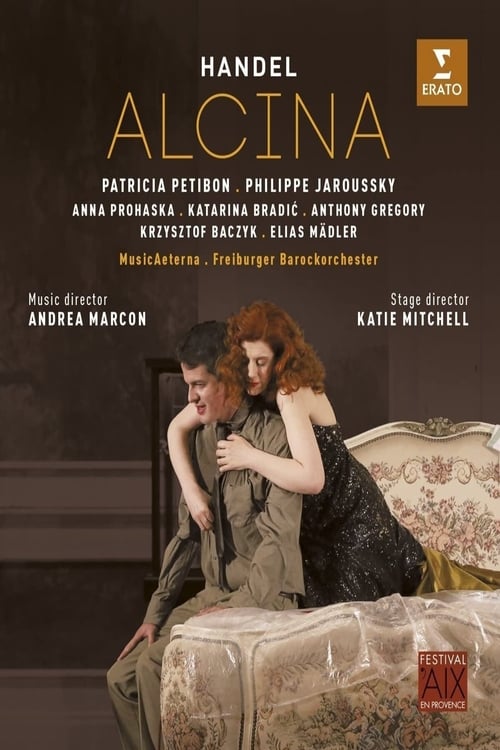
Philippe Jaroussky as Ruggiero is in thrall to Patricia Petibon as the sorceress Alcina in Katie Mitchell’s virtuosic production of Handel’s opera from the 2015 Aix-en-Provence Festival, described by Bachtrack as “a night of a thousand delights”. Conducted by Andrea Marcon, this was, in the words of Opera News, “musically … a performance of the highest festival level”. The production of Alcina, by the British director Katie Mitchell, was welcomed by the Financial Times as “meticulously executed …, rich in detail, consummately polished”. As the New York Times wrote: “It involves a huge sorcery machine for turning people into animals (or whatever). And Ms. Mitchell works magic of her own onstage, constantly showing the enchantresses Alcina and Morgana alternating between glamorous public personas and their ‘real life’, older, private selves …There are also bits of simulated sex, mingling genders and suggesting, among other things, inventive new ways to hit high notes.”
Handel: Alcina

Donne e soldati was an example of a ‘decentralised’ production, far from Rome, something that for the most part Italian cinema didn’t fully succeed in achieving until the 1990s. . In many ways the film, which is both Picaresque and anti-heroic, was too far ahead of its time, and it is often considered the precursor to Monicelli’s L’armata brancaleone. This time out, Ferreri takes the reins as producer of the ill-fated undertaking (the two directors will never make another film); however, Donne e soldati, apart from marking Ferreri’s estrangement from Italian cinema for a number of years, today appears to display earthy and carnivalesque elements that will subsequently influence certain aspects of the Milanese director’s vision.
Women and Soldiers
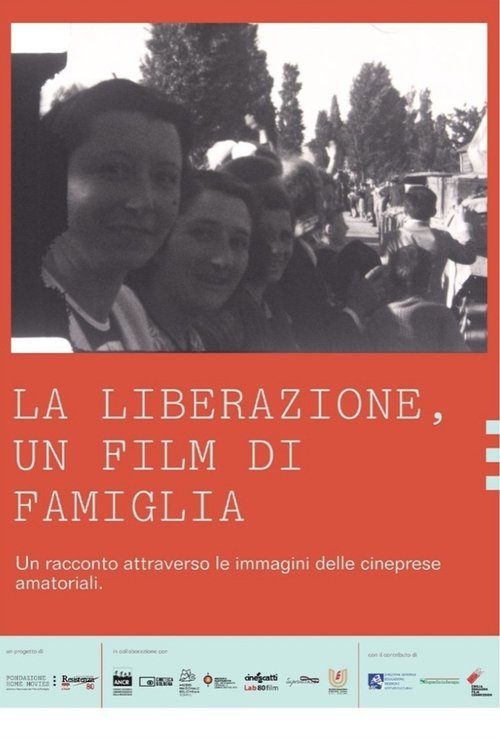
A collective archive film, made with the contribution of unpublished images from some of the main archives of different territorial origins, between Lazio, Piedmont, Liguria, Lombardy and Emilia Romagna. A journey through time and space: through small cameras, partisans, soldiers, priests and "ordinary citizens" felt the need to document for future memory - and, in some cases, at their own risk - History "as it happens", but also the long waits and daily life that intersect with the events of the two-year period 1943-45. And then the Liberation: the arrival of the Allies, the joy, the dances and finally it's time to get married.