Kei Kumai
Directing
Biography
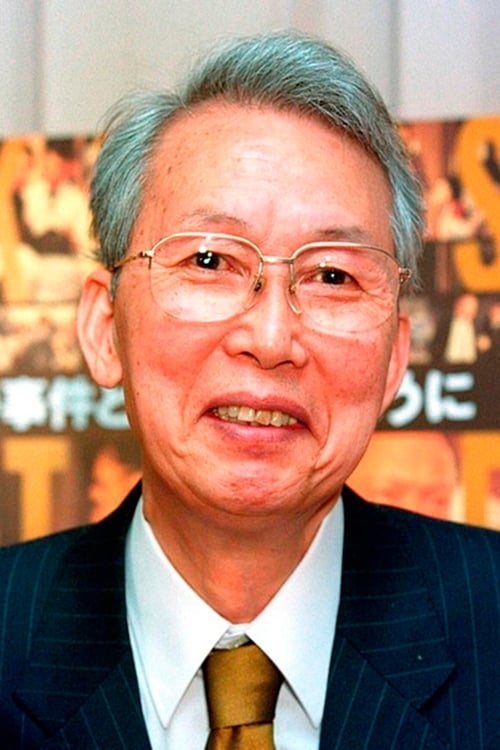
Kei Kumai (熊井 啓, Kumai Kei, 1 June 1930 – 23 May 2007) was a Japanese film director from Azumino, Nagano prefecture. After his studies in literature at Shinshu University, he began work as a director's assistant. He won the Directors Guild of Japan New Directors Award for his first film, Nihon rettō, in 1965.[2] His 1972 film Shinobu Kawa was entered into the 8th Moscow International Film Festival.[3] His 1973 film Rise, Fair Sun was entered into the 24th Berlin International Film Festival. Sandakan No. 8 received widespread acclaim for tackling the issue of a woman forced into prostitution in Borneo before the outbreak of World War II. The film was nominated for the Best Foreign Language Film at the 48th Academy Awards.
Known For

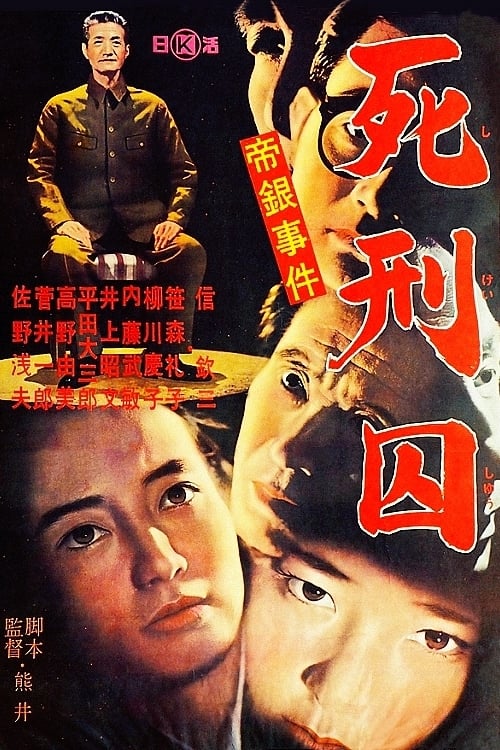
The president of the Japanese National Railways is found dead during a period in which train service is plagued by numerous layoffs, strikes and shutdowns. The government says that the president was murdered; the police claim it was a suicide. A quizzical reporter follows the case for years, but the basic question remains unanswered: was the victim killed by members of the burgeoning Communist movement in Japan, or was the death stage-managed by the authorities in hopes of discrediting the Communists?
Willful Murder

A young journalist interviews an elderly woman about being forced into prostitution in Borneo at a brothel called Sandakan No. 8.
Sandakan No. 8

O-Shin is a young brothel worker who, one night, helps a young samurai escape from his pursuers. Against the warnings of her fellow workers, particularly Kikuno and the brothel's owner, O-Shin falls in love with the samurai.
The Sea Is Watching

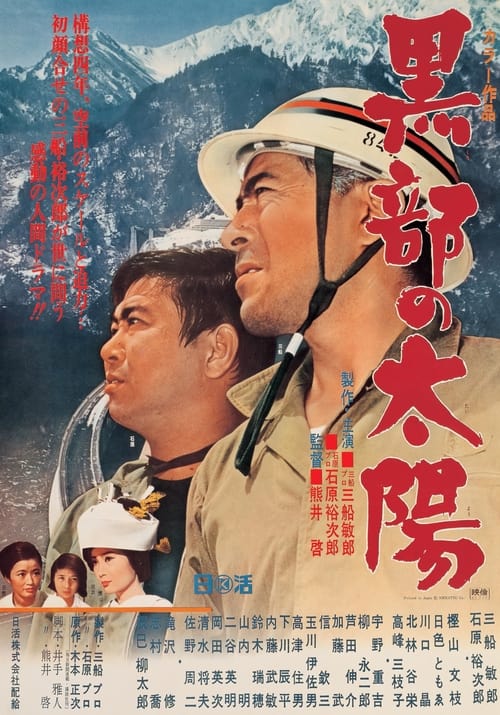
Kitagawa is an engineer charged with construction of a gigantic tunnel through the Japan Alps for the transportation of equipment in the building of the massive Kurobe Dam. The tunnel crosses an earthquake fault and Kitagawa is beleaguered not only by cave-ins and flooding, but by strife between management and the workers's union. Adding to Kitagawa's stress is the knowledge that as his attention is pulled inexorably toward the tunnel construction, his youngest daughter is dying from leukemia.
The Sands of Kurobe

Two interns and a nurse are interrogated by American MPs for their involvement in an atrocity during the war: the vivisections of a downed American air crew.
The Sea and Poison

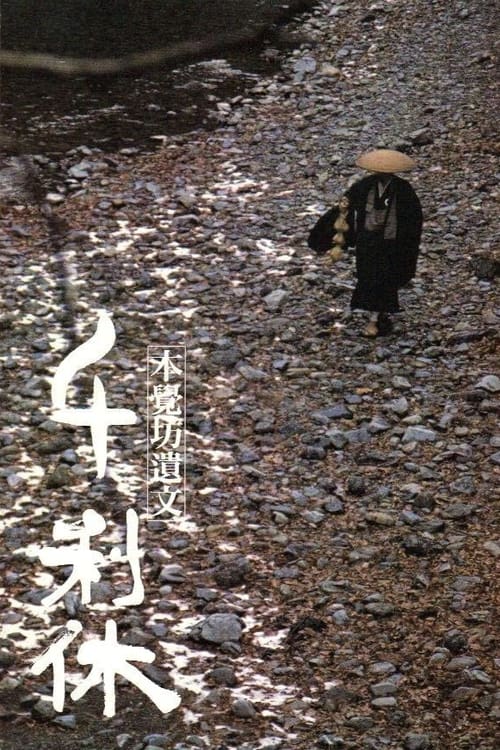
Years after the death of legendary tea master Rikyu, his disciple Honkakubo attempts to resolve the mystery of the master's death.
Death of a Tea Master

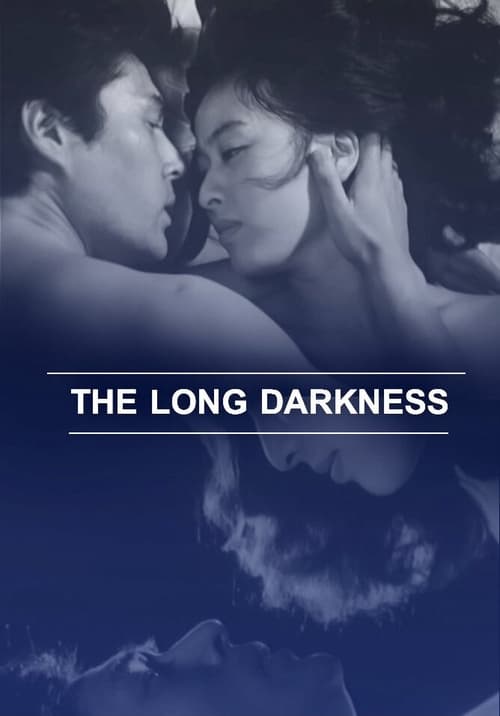
The relationship between Tetsuro, a university student from a disgraced, burdened family, and Shino, a waitress supporting her impoverished relatives. The couple decides to marry despite the significant emotional and social hardships each faces, viewing their love as a means to overcome the shame and despair inherited from their pasts.
The Long Darkness

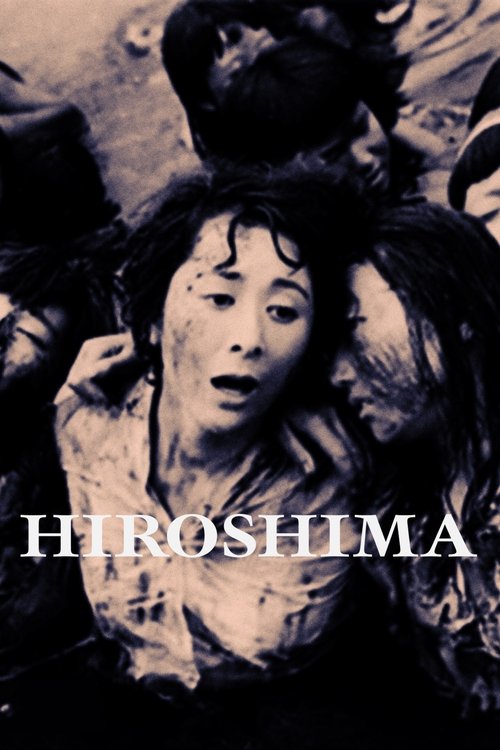
Historical fiction about the aftermath of the atomic bombing of Hiroshima, Japan, on 6 August 1945, and its effects on various civilians, especially children, of that city.
Hiroshima

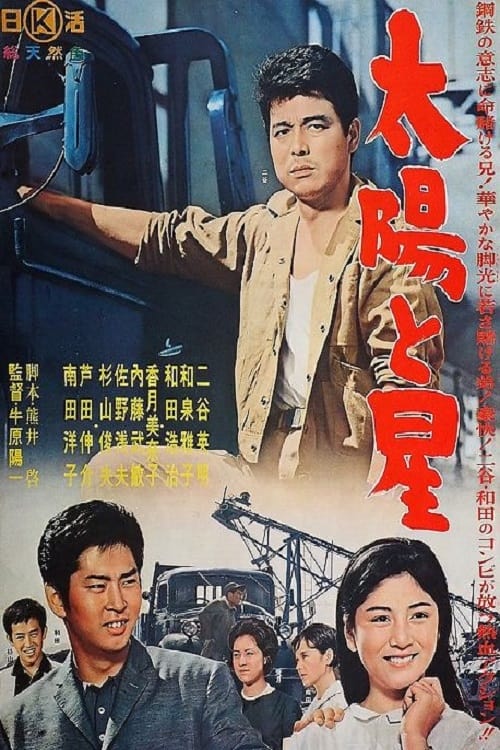
1962 Japanese movie
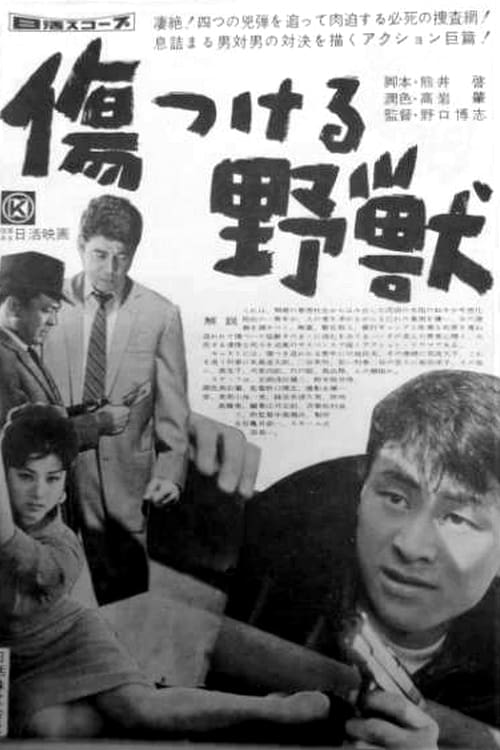
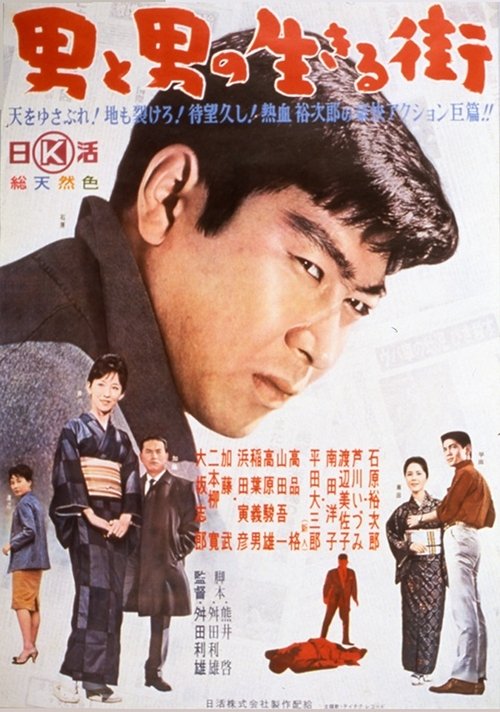
Otoko to otoko no ikiru machi

Mitsu works in a factory and has a crush on Tsutomu, a young man she met on the Tokyo streets. One day the two go out, and after some deception, Tsutomu manages to have his way with her. Coming from a broken home, he is frightened by love, so he cruelly allows her to wake up alone. A month passes and a more grown-up Tsutomu returns. The lovers joyously reunite and move in together. All is blissful until both notice a strange sore on Mitsu's arm. The doctors diagnose it as leprosy. Without telling Tsutomu, Mitsu checks into a leper sanitarium. Hanging out with society's pariahs gives her much insight. She discovers the old lepers to be wonderful people. In turn, Mitsu becomes their source of joy and renewed hope. Still, she misses her Tsutomu. One day, the doctors inform her that they erred and that the sore is not leprosy. Happily she heads back to her true love until she realizes with a guilty pang that to return to him would mean unhappiness for her newfound friends
To Love

When a US army sergeant is found drowned in Tokyo Bay, an investigation is launched to determine how and why he lost his life. The investigation uncovers a black market scheme involving counterfeit money, murder, and conspiracy.
A Chain of Islands

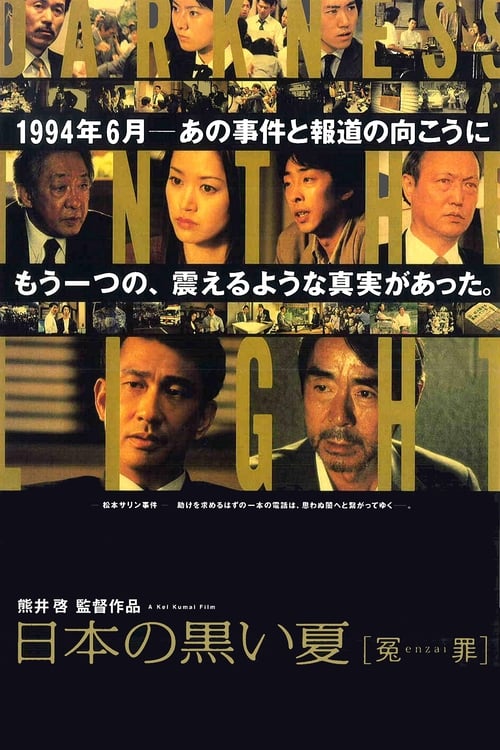
A middle-aged salaryman with a typical family, living quietly in a provincial city (Matsumoto, Nagano Prefecture), wakes up one morning in the summer of 1994 to find himself the prime suspect in the biggest mass-murder case of the decade.
Darkness in the Light

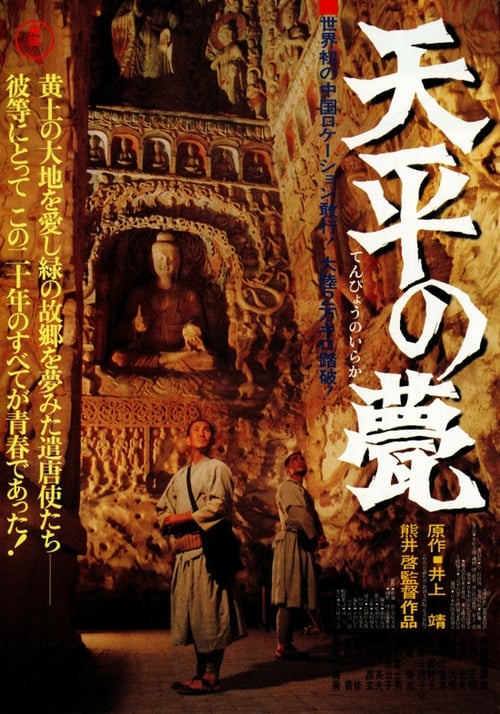
Set in Japan's Tenpyou era (729-749 CE), four young monks are sent to China to study Buddhism and bring a high priest back to Japan with them. The film tells the tale of the four monks' youth and the life and times of the high priest Ganjin.
An Ocean to Cross

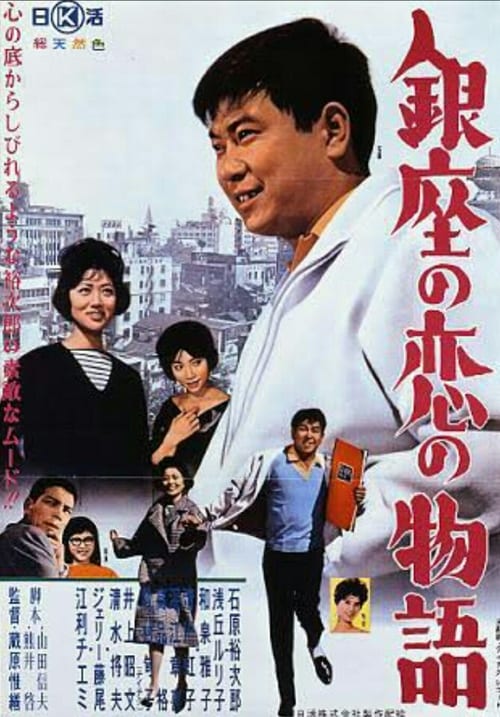
Hanjiro is a struggling painter that shares a tiny apartment in the back streets of Ginza with his jazz pianist friend who works at a bar. When he and his sweet heart, Hisako decide to get married, Hanjiro is faced with a tough decision. Needing to buy a ticket back home to tell his mother the good news, he compromises his creative principles for love and sells his portrait of Hisako. Hisako heads to the station to see him off, but gets hit by a car...
Love in Ginza

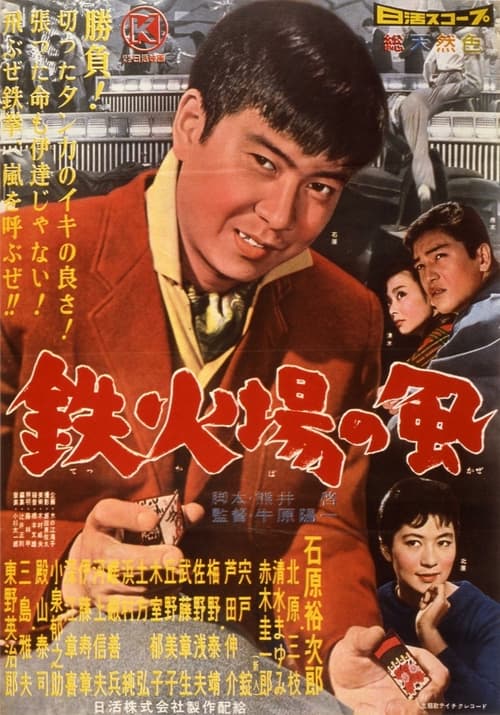
A 1960 crime film
The Cards Will Tell

A film set in Nagasaki examining prejudice against atom bomb victims.
Apart from Life

Sen Rikyu is a ceremonial tea master who advises warlord Hideyoshi in sixteenth-century feudal Japan. His daughter, the beautiful Lady Ogin, has an unrequited love for Lord Ukon, who has angered Hideyoshi by becoming a Christian convert. Ogin's father Rikyu also displeases Hideyoshi by opposing the warlord's plan to invade China and Korea. When the animalistic Hideyoshi is rejected by Ogin, he threatens her and her father with arrest and worse.
Love and Faith

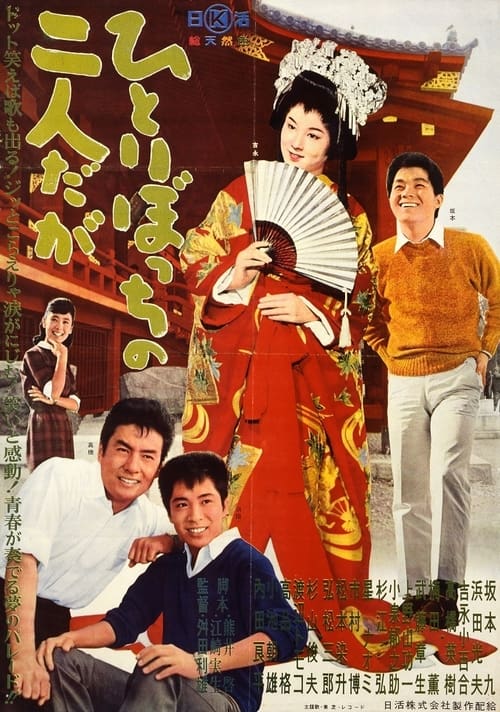
1962 Japanese movie
Hitoribotchi no futari daga

Though a farmer and his fellow villagers in this Japanese film resist the effort to turn the unspoiled region in which they live into a land development, they are ultimately unsuccessful.
Rise, Fair Sun

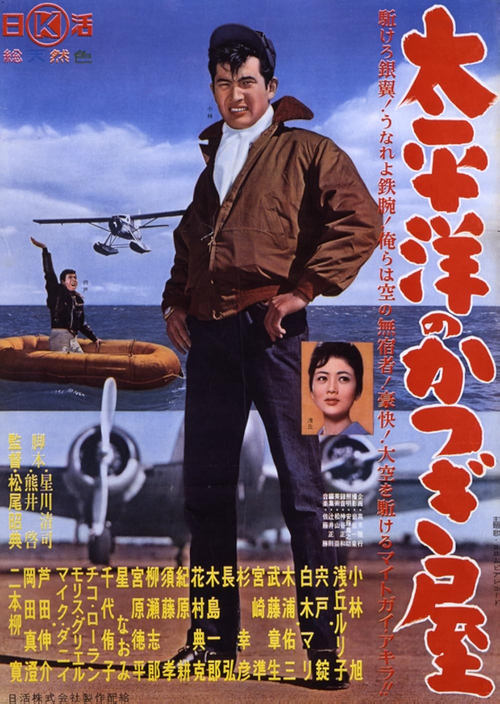
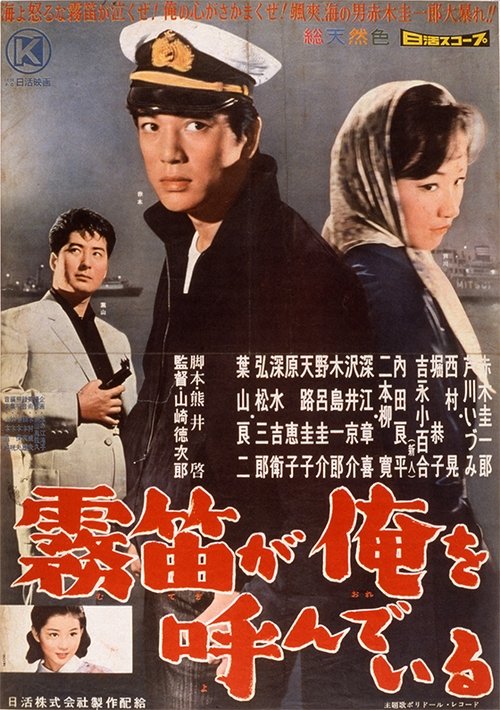
Tetsuji Tachibana was fired as a pilot after Jim gave false testimony in an accident caused by Captain Jim's intoxication. Only Junpei Nambu, the editor-in-chief of “Kokuikai” (Aviation World), was on Tetsuji's side. Tetsuji questions Jim, but Jim refuses to tell him anything, and the atmosphere turns sour. At that moment, Yosuke Sugie, a former classmate of Tetsuji's at the Civil Aviation College, enters the office.