Acting
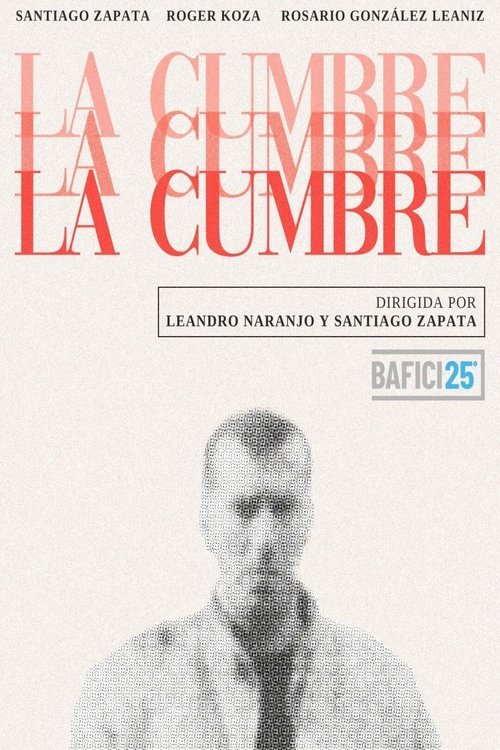
A young policeman is assigned to non-operational tasks and forced to move to La Cumbre, where on his first night, he witnesses a crime. Now he needs to recover elements that could compromise him, so he gets involved in a search his new boss, Commissioner Fontana, is also part of.
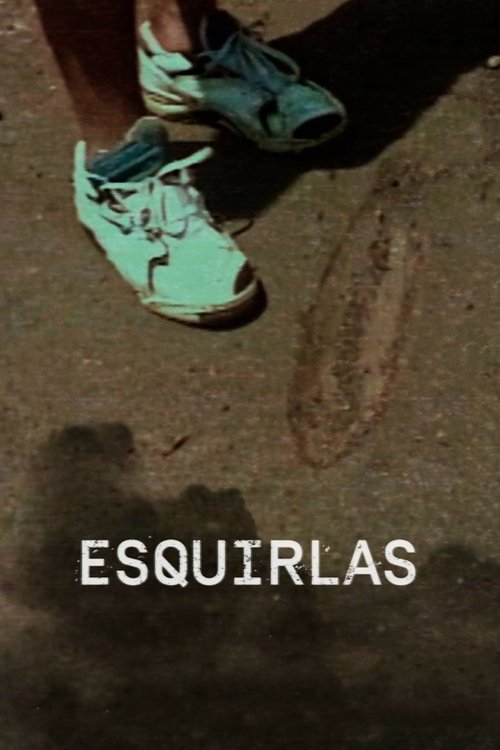
On 3 November 1995, the Rio Tercero Military Factory exploded in Cordoba, prompting thousands of projectiles to fire and spread in the surrounding villages, in a tragedy that would leave seven dead and hundreds injured and affected. At the time, Natalia Garayalde was a twelve-year-old girl who lived with her family near the place, and he was still playing filming with the video camera her father had bought, when she recorded the immediate moments of the burst, while her family escaped the explosions, as well as the daily activities of the village in the days and weeks that follow. Twenty-five years later, that material captured from a girl's candid and surprised gaze it becomes a thoughtful and painful testimony about the family, the destruction of a city, the traces of horror, the sinister truth about the case.
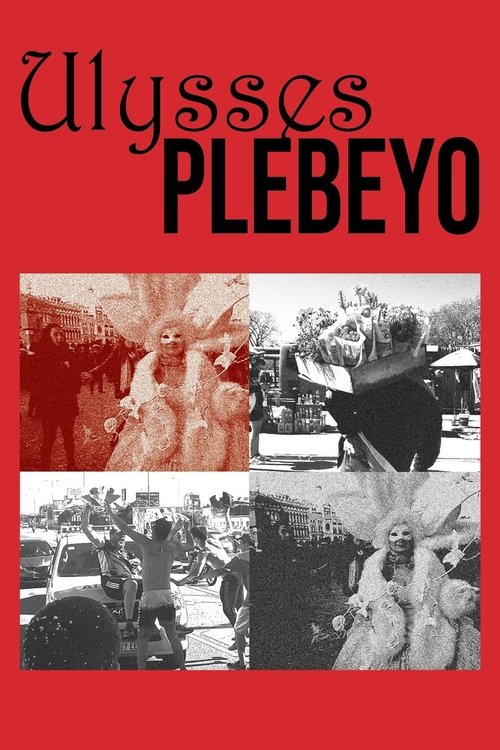
Reality, glowing with anxiety, is dissected and reconstructed through editing to generate blocks of pure image-sound through a precarious camera that, for several years, travels incessantly from the confines of underdevelopment to the heights of European prosperity. From a working-class neighborhood in Buenos Aires to St. Mark's Square in Venice. From prison to the plains.
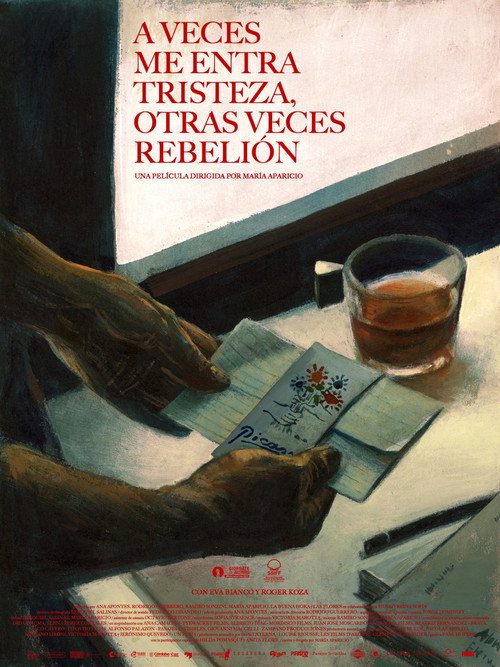
Eva is just passing through Madrid. She spends her days there alone: she doesn't know anyone and isn’t particularly interested in getting to know new people. The city is therefore an unfamiliar place where she wanders aimlessly, her curiosity somewhat dampened. But one afternoon, at the Reina Sofía Museum, a man approaches her. His name is Dante and he is an Argentine historian researching labor struggles in his country and the career of Juan Bialet Massé.
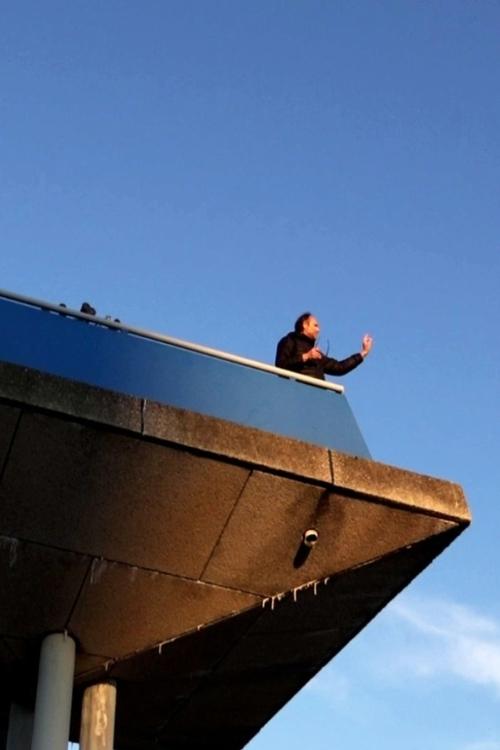
Roger Koza goes back to Hamburg after the pandemic and looks for his old friend Elmar.
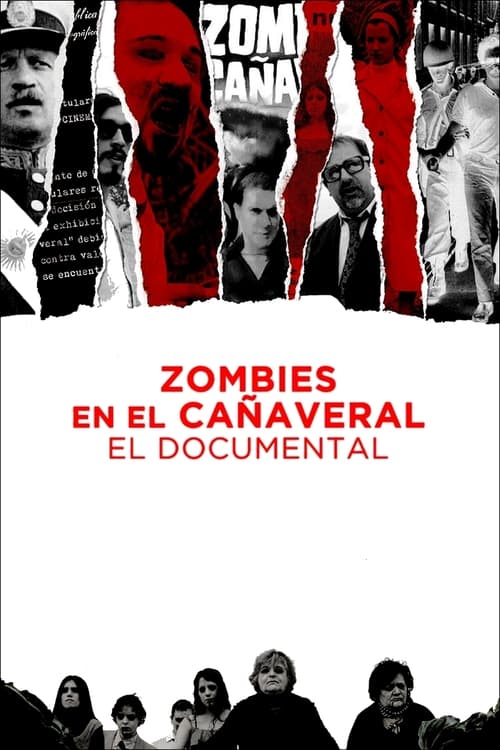
Tucumán, Argentina, 1965. Three years before George A. Romero's Night of the Living Dead was released, director Ofelio Linares Montt shot Zombies in the Sugar Cane Field, which turned out to be both a horror film and a political statement. It was a success in the US, but could not be shown in Argentina due to Juan Carlos Onganía's dictatorship, and was eventually lost. Writer and researcher Luciano Saracino embarks on the search for the origins of this cursed work.
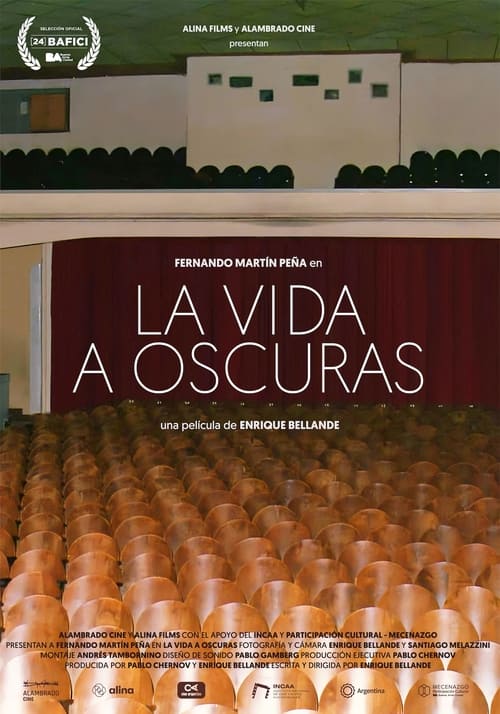
It is an approach to the figure of Fernando Martín Peña, but it is also a film about cinema, about a transcendental movement in its history, its spaces and rituals.