FEEL IT.STREAM
Kinuyo Tanaka

Kinuyo Tanaka

Acting

Biography

Kinuyo Tanaka (田中 絹代 Tanaka Kinuyo, 29 November 1909 – 21 March 1977) was a Japanese actress and director. Tanaka was born in Shimonoseki, Yamaguchi Prefecture, Japan. She became a leading actress at seventeen years old, appearing in Heinosuke Gosho's An Embarrassing Dream in 1927. She proceeded to take leading parts in, among others, Yasujirō Ozu's I Graduated, But... in 1929, Gosho's Aiyoku no ki in 1930, and in 1931, Japan's first talkie, The Neighbor's Wife and Mine, directed by Gosho. She had a close working relationship with director Kenji Mizoguchi, having parts in 15 of his films, including leading roles in The Life of Oharu (1952), Ugetsu (1953) and Sansho the Bailiff (1954). Their working relationship ended when Mizoguchi countered a recommendation from the Directors Guild of Japan for the Nikkatsu studio to hire her as a director. Despite this, the production of her second film as director went ahead, but Tanaka never forgave Mizoguchi, and the reasons for his behaviour are unclear. She also played Noboru Yasumoto's mother in Akira Kurosawa's Red Beard (1965). For her portrayal in Kei Kumai's Sandakan N° 8 she won the Best Actress Award at the 25th Berlin International Film Festival in 1975. Her last screen appearance was in 1976 in Kei Kumai's Kita No Misaki. Tanaka was the second Japanese woman who worked as a film director, after Sakane Tazuko (1904‐1975). Her first directing job was on the film Love Letter in 1953, and she made five further films in that role.
Known For

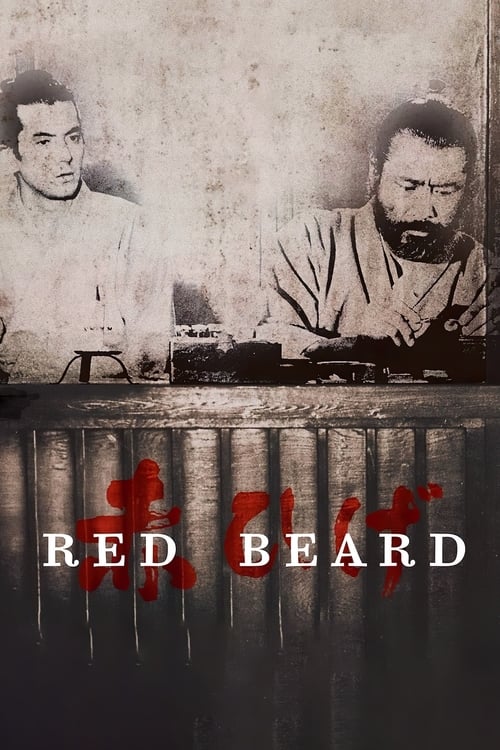
Red Beard
8.1

Aspiring to an easy job as personal physician to a wealthy family, Noboru Yasumoto is disappointed when his first post after medical school takes him to a small country clinic under the gruff doctor Red Beard. Yasumoto rebels in numerous ways, but Red Beard proves a wise and patient teacher. He gradually introduces his student to the unglamorous side of the profession, ultimately assigning him to care for a prostitute rescued from a local brothel.

Red Beard

1965
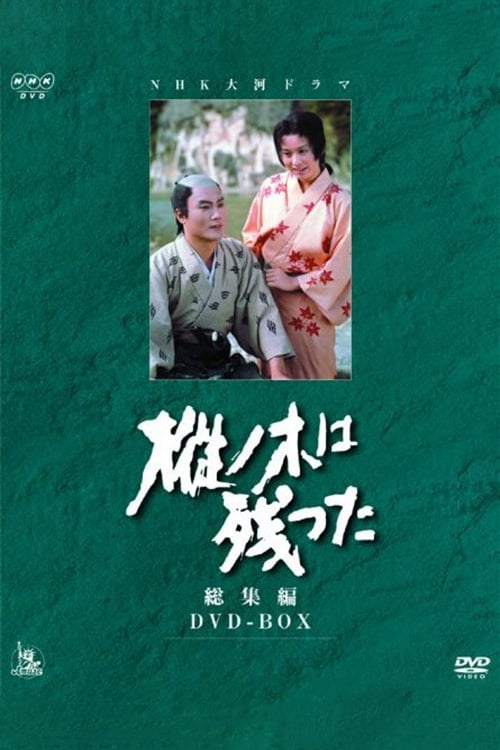
Mominoki wa Nokotta
N/A

Depicting Date clan’s internal strife that occurred during a peaceful Edo period governed by the 4th Tokugawa shogun.

Mominoki wa Nokotta

1970
Sansho the Bailiff
8.1

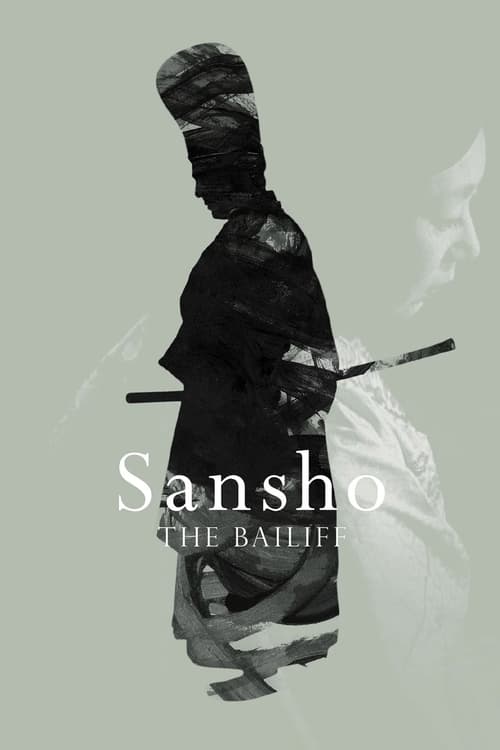
In 11th-century feudal Japan, following the exile of an idealistic governor, his wife and children are separated by slave traders; the children, Zushio and Anju, are sold into brutal servitude under the cruel bailiff Sansho.

Sansho the Bailiff

1954
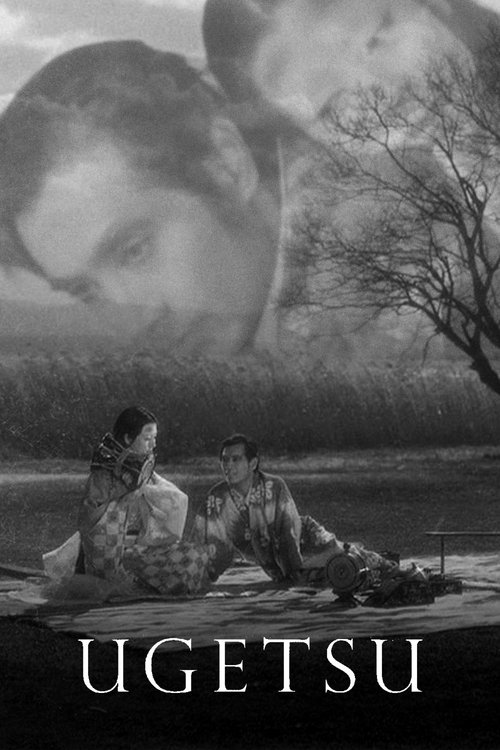
Ugetsu
8.0

In 16th century Japan, peasants Genjuro and Tobei sell their earthenware pots to a group of soldiers in a nearby village, in defiance of a local sage's warning against seeking to profit from warfare. Genjuro's pursuit of both riches and the mysterious Lady Wakasa, as well as Tobei's desire to become a samurai, run the risk of destroying both themselves and their wives, Miyagi and Ohama.

Ugetsu

1953
Sandakan No. 8
7.7

A young journalist interviews an elderly woman about being forced into prostitution in Borneo at a brothel called Sandakan No. 8.

Sandakan No. 8

1974
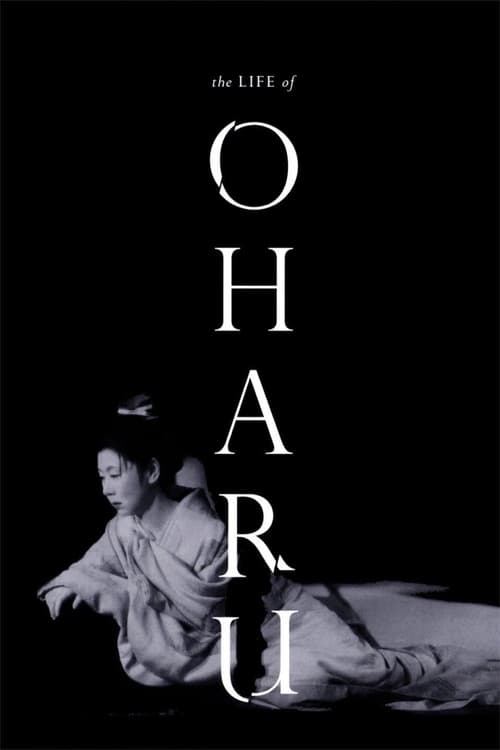
The Life of Oharu
7.7

During the Edo Period, a noblewoman's banishment for her love affair with a lowly page signals the beginning of her inexorable fall.

The Life of Oharu

1952
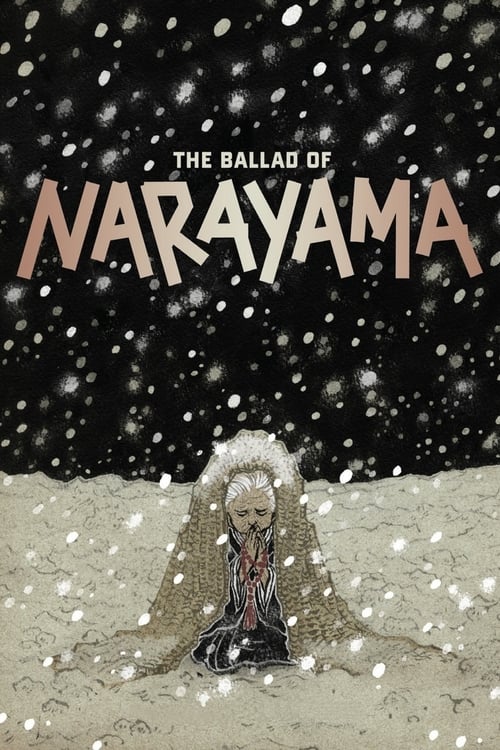
The Ballad of Narayama
7.5

In a remote village where food is scarce, elders who reach the age of 70 are carried by their children to the top of a nearby mountain to die in solitude. Orin, a vibrant 69-year-old grandmother, has accepted her fate — but struggles to prepare the rest of her family for the ritual.

The Ballad of Narayama

1958
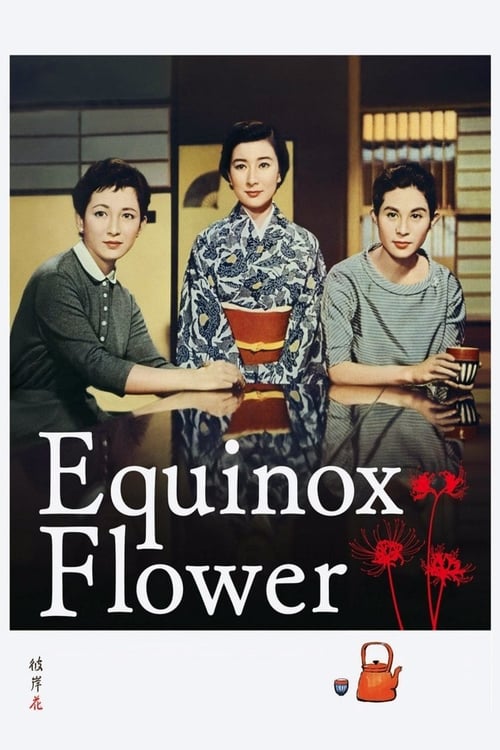
Equinox Flower
7.4

Wataru's outwardly liberal views on marriage are severely tested when his daughter declares her love for a coworker and is adamant to live her own way, instead of agreeing to an arranged marriage. Outwitted by his female relatives, Hirayama stubbornly refuses to admit defeat.

Equinox Flower

1958
Lullaby of the Earth
6.4

The story of an orphan girl, brought up in naive, rustic innocence by an elderly relative, who is suddenly exposed to the brutality, greed and deceptiveness of the outside world when her grandmother dies.

Lullaby of the Earth

1976
Dragnet Girl
6.7

A gangster tries to find redemption with the inadvertent help of an innocent shop girl and his jealous girlfriend will do anything to keep him.

Dragnet Girl

1933
The Three Treasures
5.5

The legend of the birth of Shintoism. In Fourth Century Japan, the Emperor's son Ouso expects to succeed his father on the throne, but Otomo, the Emperor's vassal, prefers Ouso's stepbrother, and conspires to have Ouso die on a dangerous mission he has contrived. But Ouso prevails in the mission and returns to his father's castle under a new name, Prince Yamato Takeru. Otomo plots to have the Prince sent into even greater danger, but Otomo is unaware that the gods have favored the Prince and the outcome is far from what any of them expected.

The Three Treasures

1959
Her Brother
7.1

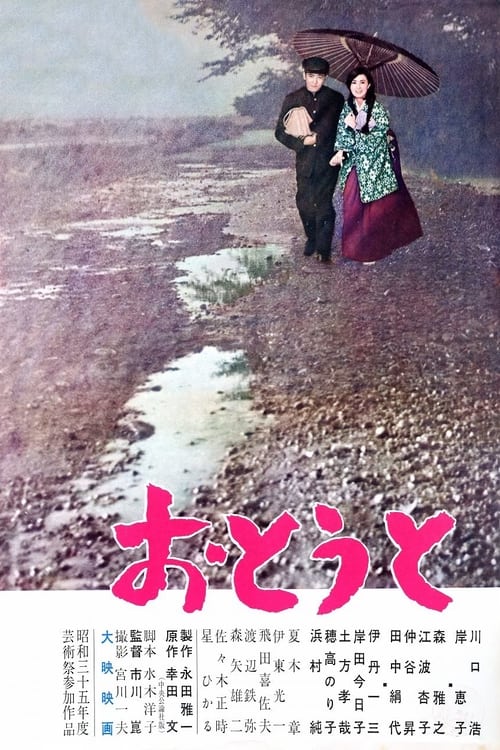
Set in 1926 when Japanese tradition was much stronger, this drama looks at the inner workings of a small family, especially the relationship between a sister and brother.

Her Brother

1960
Brother and Sister
6.3

The eldest daughter of a rural family Mon returns home from Tokyo pregnant after an affair with a college student Kobata, which causes a scandal that will threaten the marriage prospects of the younger sister San, in her cash-strapped family. The ill-tempered eldest brother Inokichi decides to take on the role of disciplinarian, with harrowing results.

Brother and Sister

1953
The Munekata Sisters
7.1

Setsuko is in an unhappy marriage to Mimura, an unemployed, alcoholic engineer. She had always been in love with Hiroshi but both failed to propose when Hiroshi left for France a few years ago. But now he's back and Mariko tries to reunite them, although she too is secretly in love with Hiroshi.

The Munekata Sisters

1950
Mother
7.0

A teenaged girl witnesses her widowed mother's attempt to sustain her family.

Mother

1952
Love Under the Crucifix
7.0

A tea master and his daughter Ogin are both Christians in feudal Japan. Ogin falls in love with a married feudal prince who shares her faith. When the Shogun bans Christianity, the situation worsens.

Love Under the Crucifix

1962
A Hen in the Wind
7.1

Tokiko patiently awaits her husband's return from WWII when her four-year old son falls ill. She takes him to the doctor but has no means of paying, so she resorts to prostitution. A month later, her husband returns to find his desperate wife, who tells him the truth. Together, they must deal with the consequences.

A Hen in the Wind

1948
Ginza Cosmetics
6.5

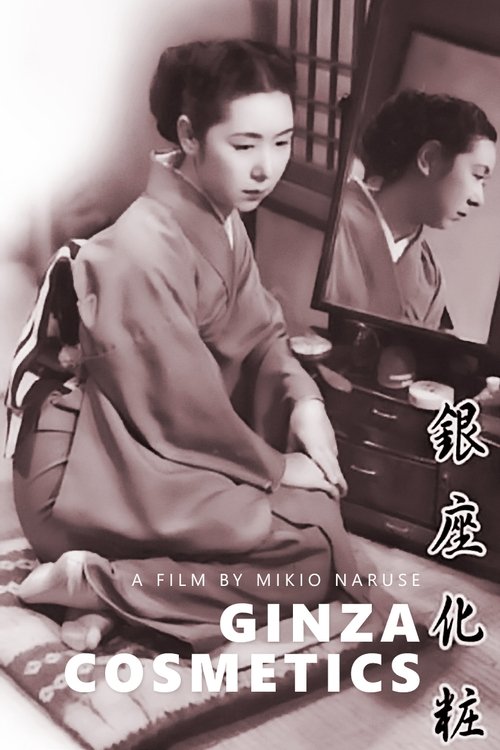
A few days in the life of a quiet geisha, single mother of a smart young boy, in the lively Tokyo quarter of Ginza. A woman devoted to others' needs, she'll end by taking part herself in one of the many disguises of Ginza.

Ginza Cosmetics

1951
Flowing
7.2

Otsuta is running the geisha house Tsuta in Tokyo. Her business is heavily in debt. Her daughter Katsuyo doesn't see any future in her mother's trade in the late days of Geisha. But Otsuta will not give up. This film portraits the day time life of geisha when not entertaining customers.

Flowing

1956
Women of the Night
7.1

In early post-war Osaka, three women—war widow Fusako, her Korean expat sister Natsuko, and Kumiko, Fusako's sister-in-law—descend into prostitution, all for their individual reasons.

Women of the Night

1948