Acting
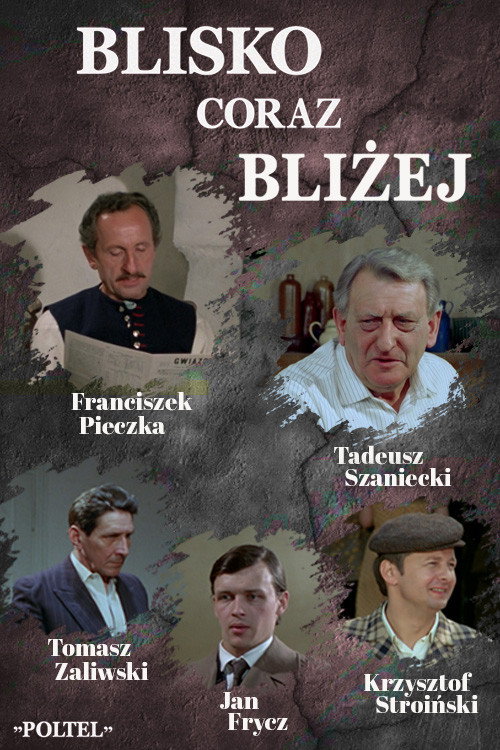
The story stretches from 1863 to 1945. Its main characters are representatives of the Pasternik family, who live in the fictional village of Wielowice near Pszczyna. The protagonist of the first three episodes is Franciszek Pasternik, the following parts tell about the fate of his many children and even more grandchildren. The viewer follows their history against the backdrop of great changes and historical events that influenced the lives of Silesian Poles. So there is the Kulturkampf, Prussian rugi, the revolution of 1905, World War I and the Silesian Uprisings.
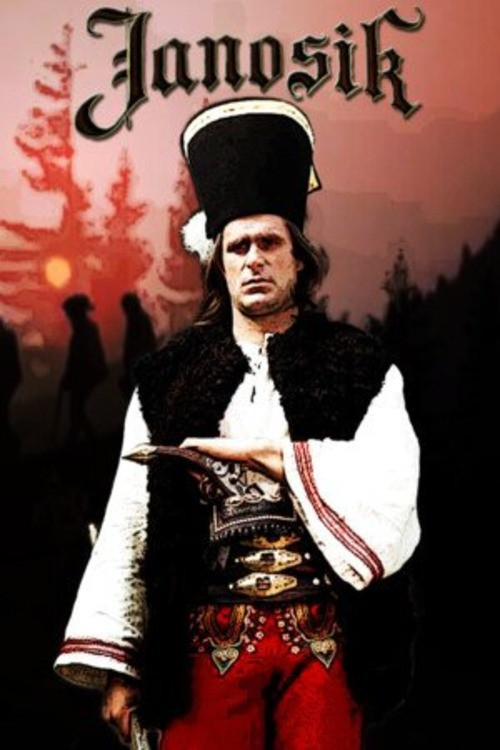
Janosik was a television series that aired in Poland in 1974. It is about a famous Polish highlander outlaw who in folk legends steals money and goods from the rich and helps out the poor. The series was directed by Jerzy Passendorfer. There are 13 1-hour episodes.
No description available.
A deserter returns to his hometown and, with the help of his father, hides in the mountains.
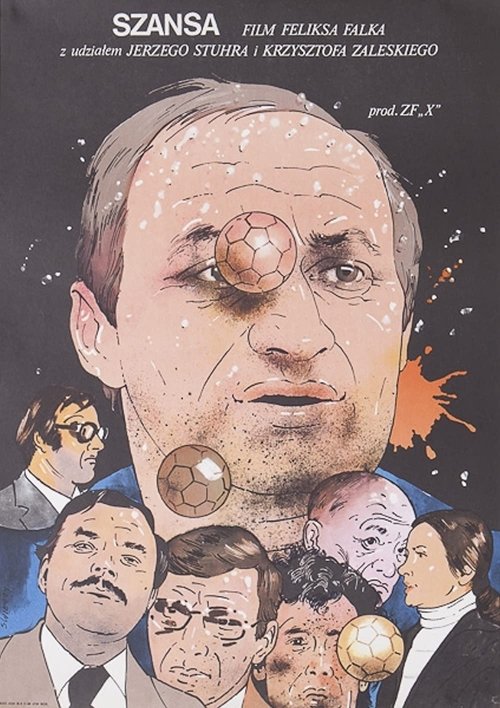
A new PE teacher arrives at a neglected provincial high school and turns it around with a handball team—until his obsessive control, blackmail, and abuse drive a student to attempt suicide.
Andrzej, who lives in the lowlands, comes to Zakopane. He rents a carriage and orders himself to be taken to the Strążyska Valley.
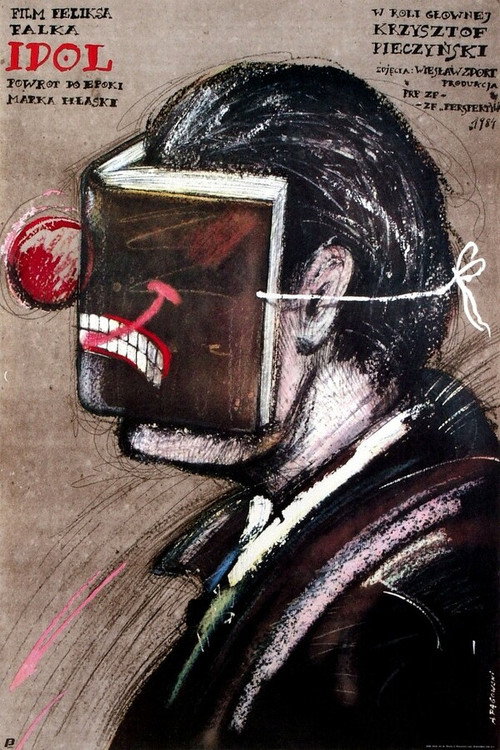
In 1969 a young writer decides to write an essay on a well known Polish writer, who had to leave the country in the 50's, later living, working and dying in exile. He slowly assembles the character and even the exterior appearances of his idol until his own identity tragically disappears.
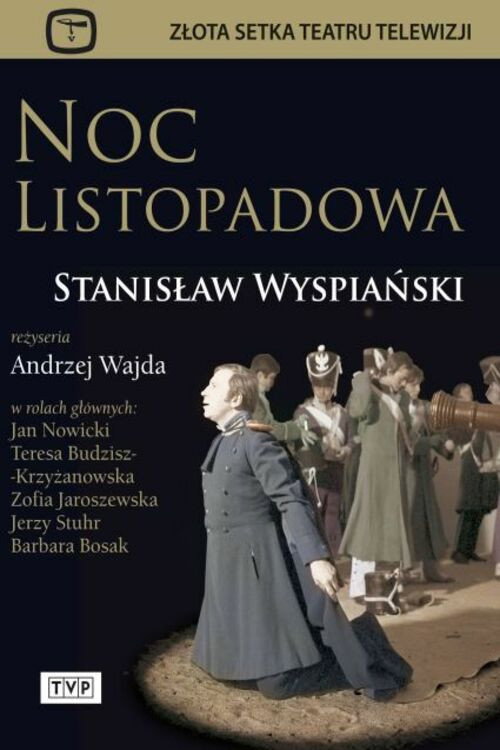
Television play adaptation of Wajda's stage play of Stanisław Wyspiański's November Night. The drama takes place on two levels - historical and metaphorical. The first one is almost a chronicle of several hours of the uprising - it shows the drama of the attitudes of Poles at the beginning of the armed struggle, in confrontation with the attitude of Grand Duke Constantine, the Tsar's deputy in Poland. The second one presents the world of gods playing out their arguments. Man becomes a plaything in their hands, but it is he who experiences his fear, heroism and hope.
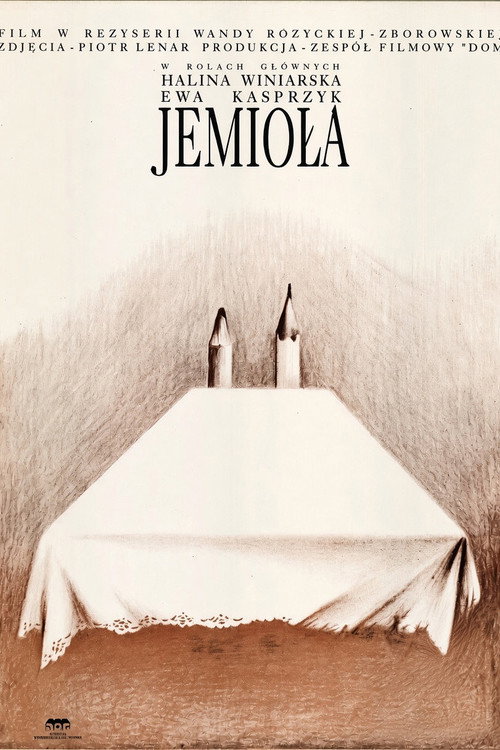
Zofia and Julia, a mother and daughter, share a home but inhabit two completely different worlds. Zofia, a refined woman of society who seems to have been left behind in another era, is utterly detached from reality. Julia, a pharmacist and herbalist, leads a quiet, ordinary life. Dependent on her daughter for even the simplest aspects of everyday life, Zofia cannot function without her. Though Julia is increasingly weary of living with her mother, she cannot bring herself to break the bond between them.
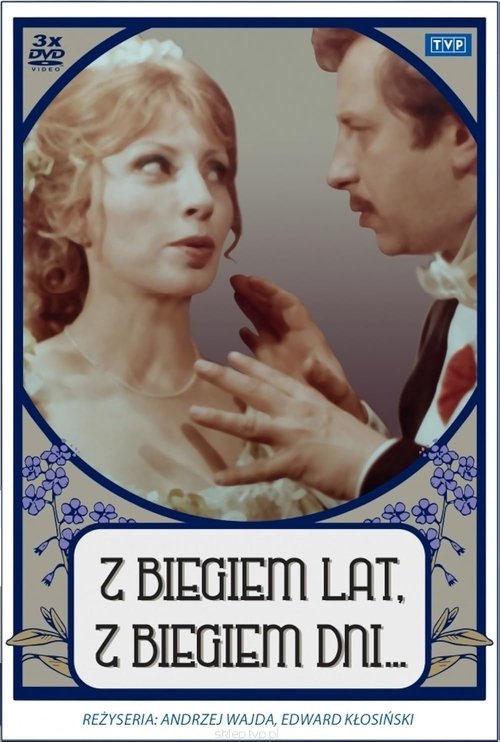
Created to mark the 60th anniversary of Poland's regained independence, Andrzej Wajda's acclaimed seven-hour stage production As the Years Go By, As the Days go By... follows two Kraków families between 1874 and 1914.
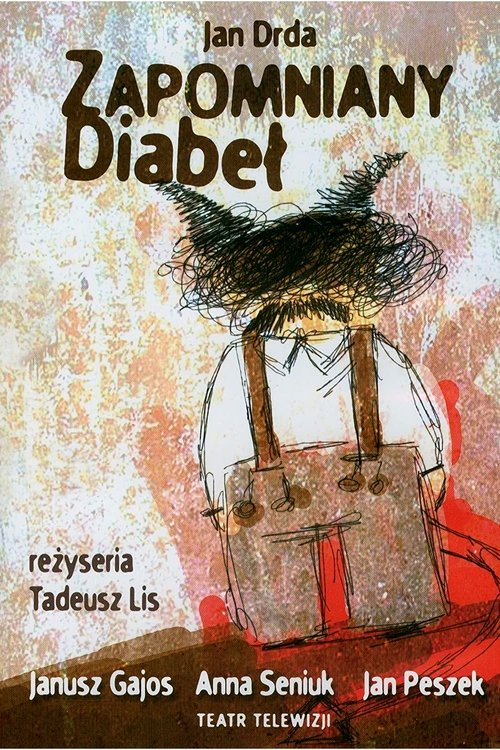
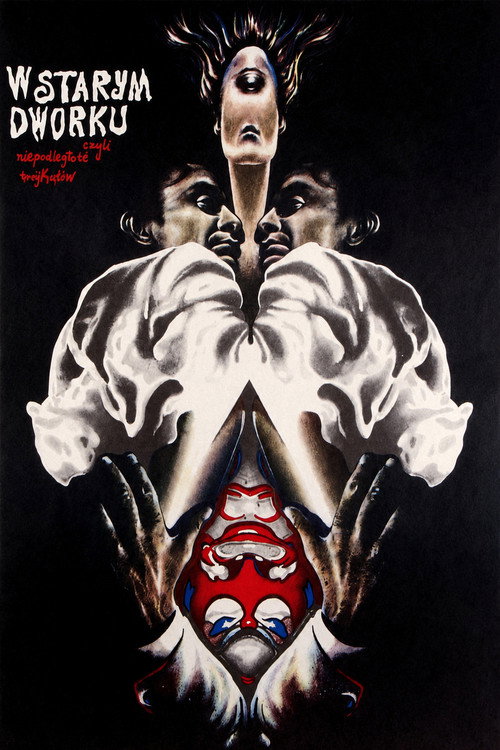
In a country house at the turn of a century live a family of eccentrics. Anastasia, the beautiful mistress of the manor, enjoys the amorous attentions of her stepson Blarney so openly that her husband Diapanasius takes out his shotgun and shoots her. The rest of the family accepts her end as a matter-of-fact, and soon - her return as a voyeuristic ghost who interferes with their love lifes. Anastasia has a posthumous son Tadeusz, "born" by clambering out of the tree trunk. Anastasia seduces him too, and drives another men so crazy that they kill her another couple of times. Finally, Tadeusz, the arch-rebel, leads a mob on a raid of the old manor.
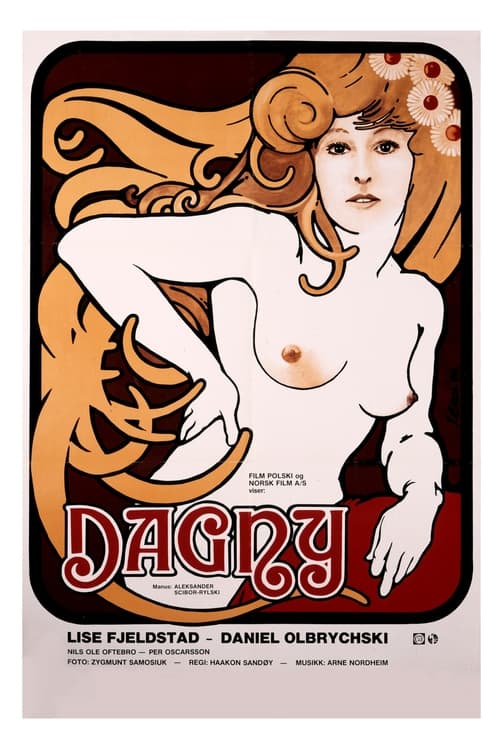
Dagny Juell was the doctors daughter who left Kongsvinger for Berlin to study music, and became famous painter Edvard Munchs mistress and model. Than she ran into August Strindberg. They had a brief affair but after a couple of weeks Dagny left him for Stanisław Przybyszewski.
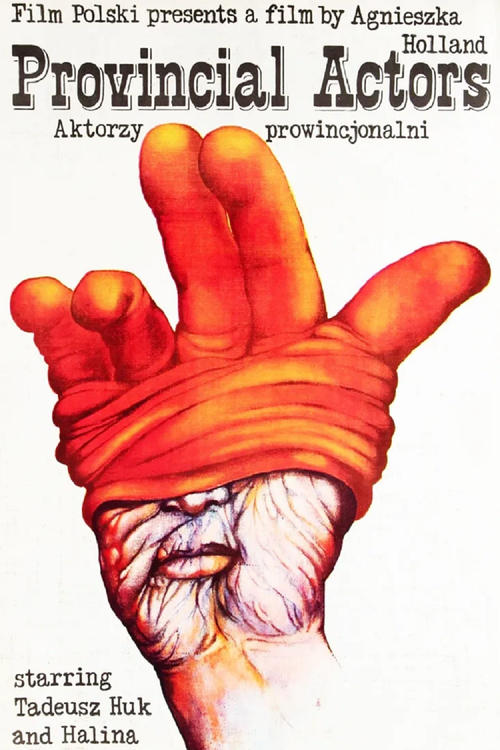
The film is set in a small town near Warsaw, to which a young and coming director comes to produce a classic play (Wyspianski "Wyzwolenie") with a modern vein. Everyone in the production gets his usual stereotypical role, but the aging idol of the ensemble senses opportunity to give the performance of his life. For young director everything is already set. The leading man, however, is not giving up and is trying to restore the role according to his view. His wife listens to his fears, complaints and frustrations, while resigning herself to a fading career in a puppet theatre.
During World War 2 Polish skiers take up a fight against the Germans and become couriers, delivering mail to Budapest.
The young Kuriata takes the position of the secretary of the City Committee in Grodów, where a corrupt clique ruled for many years. Kuriata begins to introduce competent people to managerial functions, which is enthusiastically received by workers who want changes for the better.
Young residents of a town near Poznań are getting ready to fight the Germans.
Poland gained its own version of Sesame Street in 1996 on TVP2. It was one of the few countries in Europe that did not translate the famous Sesame Street songs. This version does a lot with their own traditional music. The Muppets remain the main attraction, but now they speak Polish, have Polish names, and interact with actors playing Polish characters, including a grandfather whose bushy mustache makes him look like Poland's anti-communist hero and former president, Lech Walesa.
In spring of 1954, thanks to amnesty, Marcin Nowak - a political prisoner - get released from prison and tries turn his life back to normal
Residents of the village of Wadlewo celebrate a double wedding, where a fight between Wojtek and Bartek takes place.