Keja Ho Kramer
Directing
Biography
Keja Ho Kramer, born in 1974, California lives and works in Paris. Studied photography at The School of Visual Arts in NY, video and film at Le Fresnoy studio National des arts Contemporains in Roubaix, France. She has apprenticed and collaborated with such artists and filmmakers as Stephen Dwoskin, Kasper Toeplitz, Sarkis, Boris Lehman, Myriam Gourfink or Robert Kramer; She has been working in video since 1998 and shows in international film festivals as well as galleries and museums. Among her latest videos: I'll be your eyes you'll be mine (2006, made with Stephen Dwoskin), Mechanical Nights (2007), Molecular Black (2007, collaboration with Myriam Gourfink)
Known For
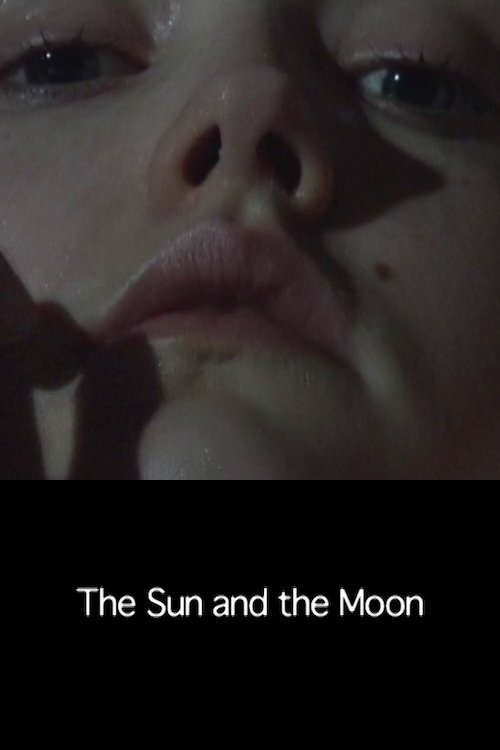
'The Sun and the Moon, a film fairy tale, is about two women’s terrifying encounter with ‘Otherness’ in the form of a man, abject and monstrous, and for them to either to witness, accept or partake in his annihilation. All are caught in their own isolation and are fearful of the menace that has to be met. The film, as a personal interpretation of Beauty and the Beast, enciphers concerns, beliefs and desires in seductive images that are themselves a form of camouflage, making it possible to utter harsh truths.'
The Sun and the Moon
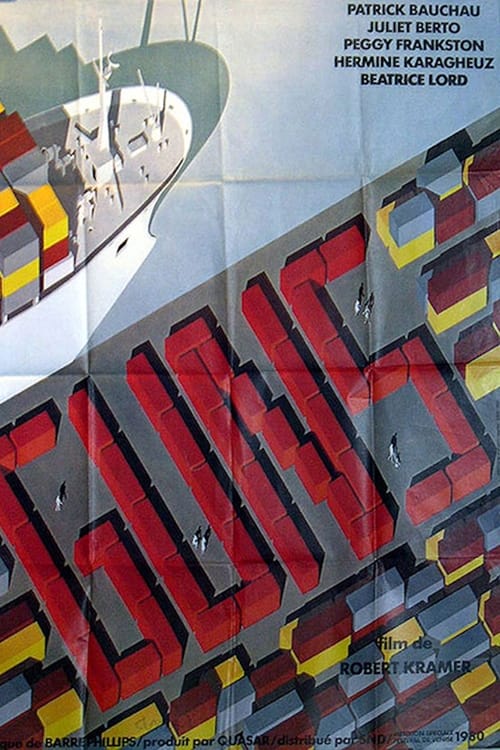
The film concerns a group of disparate types who support themselves by running guns to the Arabs. On the surface, it would seem that these characters are bad guys. In fact, the guns are to be used by a resistance group who hope to continue shipping oil to the West, despite the despotic curbs imposed upon fuel shipments by their leaders.
Guns
Seeking in the archives of Robert Kramer, a detective, Keja Ho is looking for her deceased father. His ghostly presence haunts her search and motivates the singular dialogue between her family memories and friends.
I'll be Your Eyes, You'll Be Mine
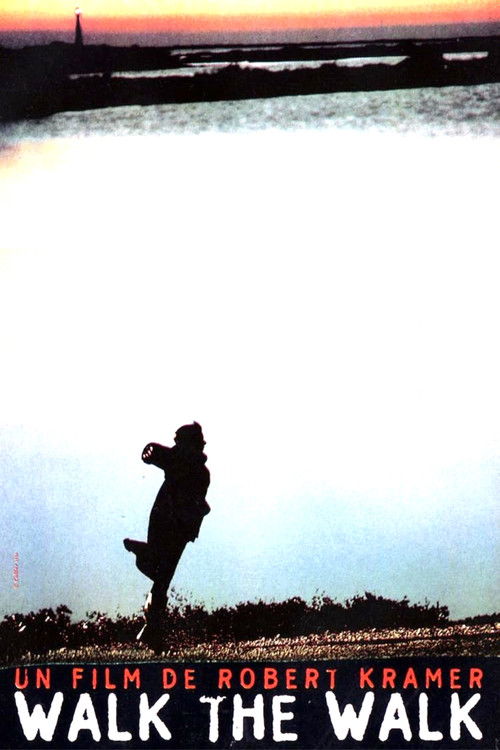
I saw this happen: Raye left home. Why? To see what was waiting for her out there. Europe! It didn't matter where she went, the Mediterranean coast, Strasbourg, Zurich, Berlin, she's young. Then her father, Abel, left. Perhaps he wanted something else to happen to him. Things began to happen on the ship, but Odessa is where it really began. So Nellie was left there alone. Maybe she couldn't have said it, but that's what she needed. I mean, to be alone with herself. That's why she sent Raye and Abel away. So without moving, with everything around her moving very fast and also in the microscope which is her work, Nellie had her own trip to make. As for this kind of travelling, that's what each of us did. I know, I was there.
Walk the Walk
The story by JG Ballard « The Concentration City* », written in 1967 is the story of a boy living in an over populated densely built city where the architecture influences the inhabitants way of being. He is looking for “free space” to build a machine that will allow him to soar and fly, bird wings and open space, things which disappeared in the evolution of the urban sprawl. This story offered a way of getting into the city and imagining San Paulo. The main character is scouting the territory for openings in the vista of buildings, looking : as does the camera-eyes in the silent video The sky is my ceiling.
Τhe Sky Is My Ceiling
A short film made by Keja Kramer in 2008. Duration: 29 minutes.
The Beast Notes
In his adulterous relationship with a young woman, a mature writer confuses romantic passion with inspiration whilst engaged in the writing of a long-awaited novel. The two try to cultivate the space of their love while preserving their respective partners. The conflict between passion and inspiration inevitably invades the livelihoods of the love quartet.
Killer of Beauty
In her previous video, Molecular Black, we saw a choreography by Gourfink and Toeplitz as the basis for an investigation into the colour of digital black. In Mechanical Nights, the fairytale The Little Mermaid by Hans Christian Andersen is used as a basis to move from resemblance to abstraction in the pixel concept.
Mechanical Nights
Seeing through the camera's lens when form disappears for the fleeting moment when something that was not there reveals itself. Color is visual sound. Composing for the eyes a dimension of color's subtle vibration. The subtle appearance of its' invisible frequency.
Dazzling Shadows
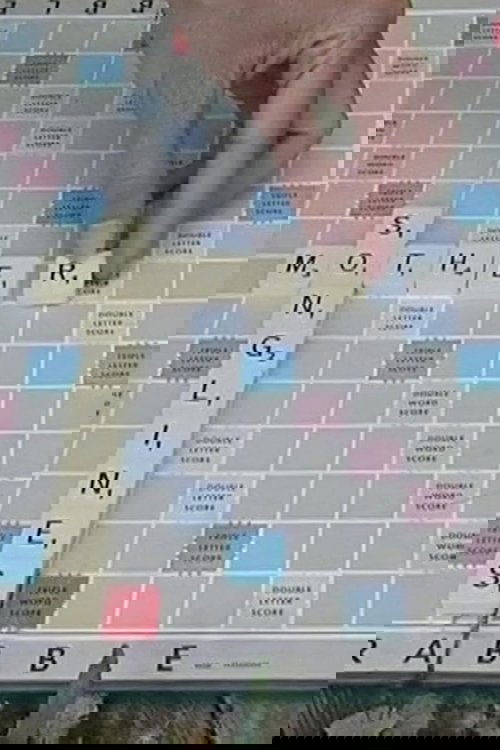
BEAUTIFUL MONSTERS forms a complement this film by crafting an intimate portrait of Erika Kramer: time together in the lush, overgrown garden of the stone house on the Seine, casual conversations between games of Scrabble, tarot card readings, acoustic resonances and drawings. An expansive cosmos unfolds between daughter and mother: from memories of Keja Ho’s birth in 1974 to a playful initiation into the irrefutability of death. (Volker Pantenburg)