
Peter Treherne
Directing
Biography
Peter Treherne is an artist-filmmaker who creates ethnographic fantasies with rural communities. His work has been exhibited in galleries and museums internationally including the Institute of Contemporary Arts in London, Haus der Kulturen der Welt in Berlin and Centre Wallonie-Bruxelles in Paris. He is regularly funded by Arts Council England. He has recently completed Matter of Britain, which documents an English country village’s quest for the Holy Grail. The artwork combines recordings of agricultural work across the four seasons with community performances of the Arthurian Wasteland mythology. Peter was founder and director of the Slow Film Festival, an organisation dedicated to sharing durational art with rural audiences. As director, he collaborated with the British Council and MUBI to exhibit work from artists including James Benning, Babette Mangolte and Kevin Jerome Everson. He remains a trustee of the organisation.
Known For

Over the course of five minutes condensation on a camera lens evaporates revealing a nostalgic image within the pixelations of the digital camera. The lens was refrigerated for an hour before filming beside a lit stove. As the lens heats up, the condensation steadily disperses. The camera was set to record at 409600 ISO.
A Sentimental Piece in High ISO
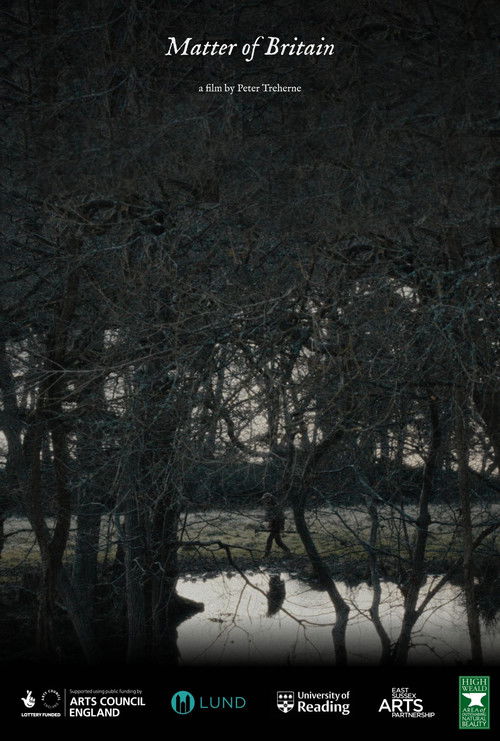
Matter of Britain is an ethnographic fantasy which documents an English country village’s performance of the Holy Grail myth. In that myth, King Arthur’s knights quest for the Holy Grail in order to heal their wasted land. The performance took place over 12 months from 2023 to 2024 in multiple locations across the parish of Mayfield, East Sussex. Over 300 members of the community took part as questing knights, angelic choirs, guiding anchorites and tempting devils. The work was supported by an Arts Council England Project Grant, the Lund Trust, High Weald AONB, East Sussex Arts Partnership, the University of Reading and the Museum of English Rural Life.
Matter of Britain
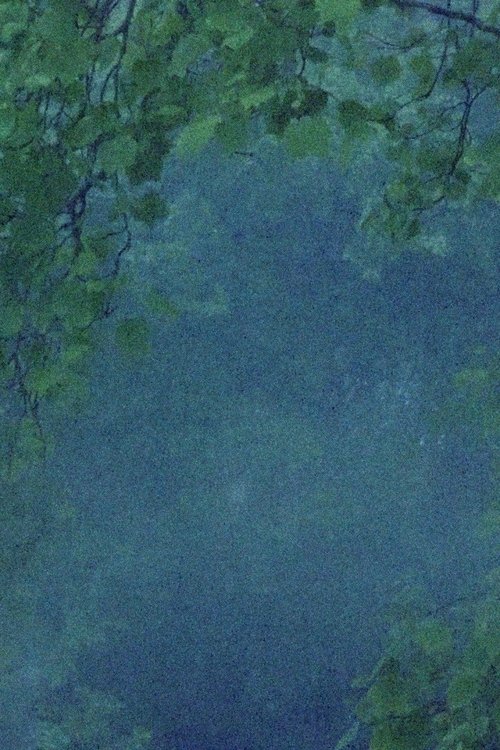
A bed-bound woman's year passes as a day: her time is no longer measured by the increments of a clock but by the quality of weather outside her window. Objects emerge and merge in the gloom; the old woman dissolves and reforms. Her muteness, her glaucomas and her inactivity render things indeterminate. By naming objects, animal and phenomena we reduce and delineate them, and so separate ourselves from the world around us. Shot at ISO 409,000 the image is granulated by pixelation and noise and any discreteness an object or thing might possess is confused by the digital processes of the camera.
The Names of Things
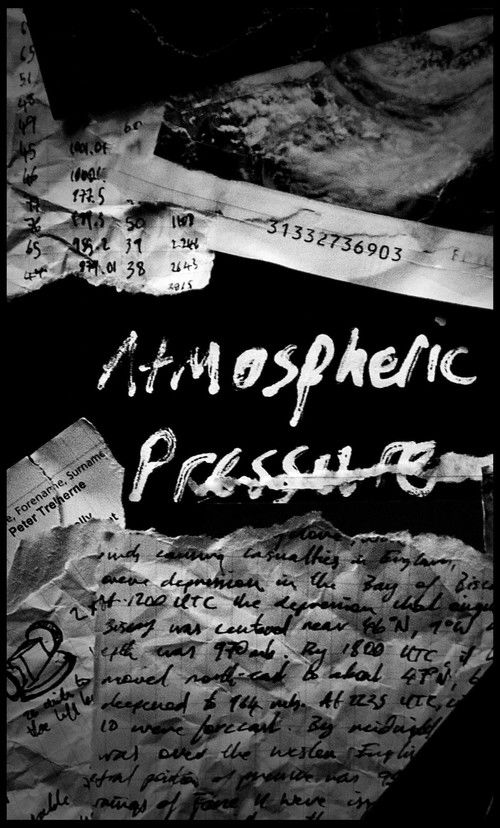
Cows enter a milking parlour in the early morning. As their milk is sucked away, a cataclysmic storm builds on the horizon. Under the onslaught of wind and rain, summer disappears. A meteorologist investigates the bizarre shift in the weather. He follows his equipment through the dark and wintry landscape and arrives at the farm where the cows were milked, but nothing remains of the animals. He begins a more precise investigation, but the results are inconclusive. In such miserable and remorseless weather, how can he measure reality?