Valeriano López
Directing
Known For
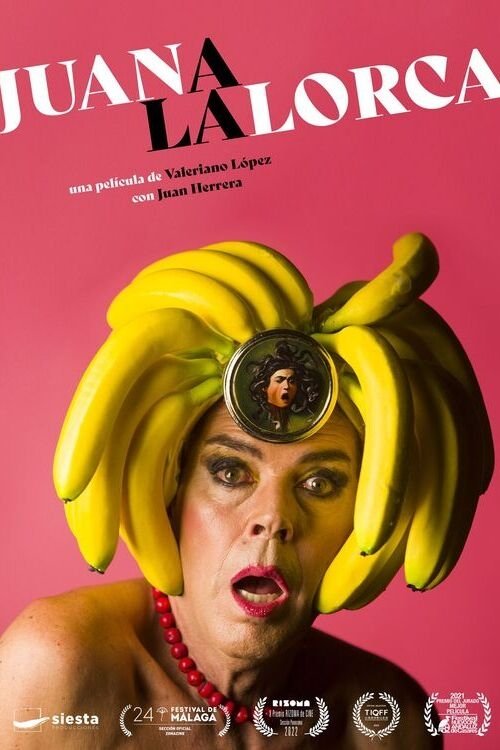
The transformist artist Juan Moreno, to put it another way, a gypsy from Sacromonte, is struggling at an extraordinary vital crossroads. He had always hated Federico García Lorca for his stereotypical view of gypsies, but he has had a strange dream that revolves around his poem Son de Negros en Cuba. From this experience he begins to feel inexplicably identified with the poet's work… So much so that he ends up acquiring a new and explosive personality: that of Juana la Lorca. With this nom de guerre, he will embark on a path of no return full of incidents, but also of shocking revelations that will shed light on the life and death of Federico García Lorca. With this singular and irreverent work, Valeriano López humorously vindicates the homosexual dimension of the most rebellious Federico García Lorca, at the same time he makes a ruthless satire of Lorca's clichés and of the "industry" built on the poet's legacy.
Juana la Lorca
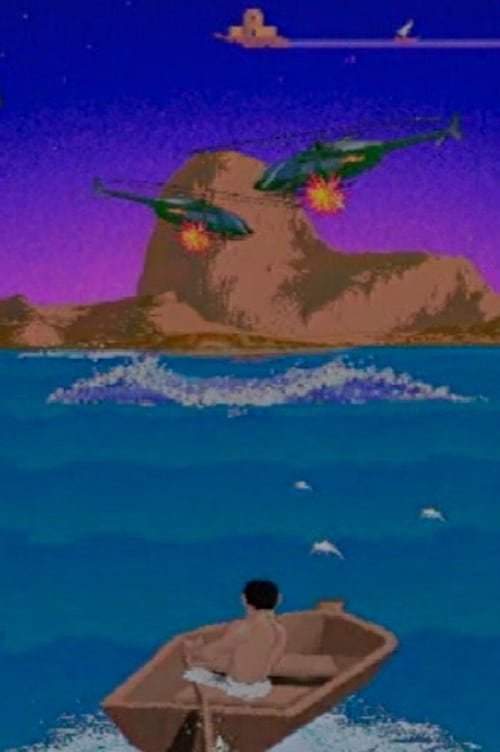
Estrecho Adventure (“estrecho” refers to the Gibraltar strait) analyses immigration coming from northern Africa’s coasts and the visual format he adopts to do so is that of videogames. The first part of the video focuses on Abdul, who must overcome a series of obstacles in order to cross the border -the Strait of Gibraltar-, and enter the Europe of his dreams. In the second phase of the game, once in Spain, he collects vegetables in southern Spain’s greenhouses in order to obtain the prize: his residence permit. -laboralcentrodearte.org
Estrecho Adventure
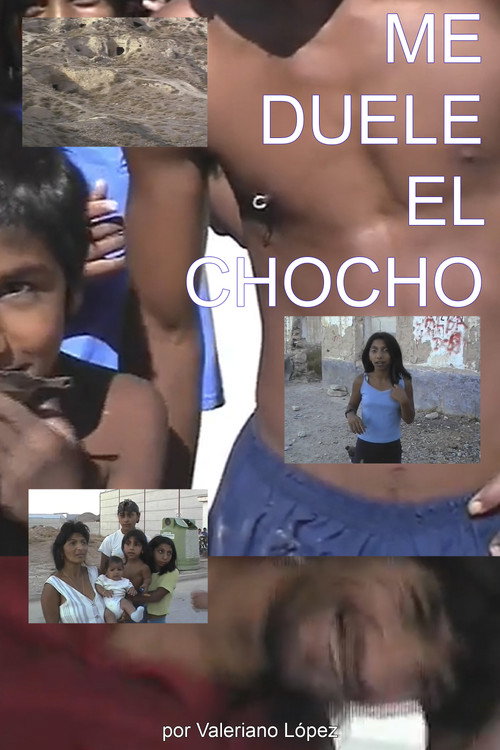
Produced in collaboration with residents of the Las Cuevas neighbourhood in his home town (Huéscar). Valeriano is the non-gypsy who seeks their cooperation by inviting them to say Unamuno’s famous phrase before the camera – “Spain pains me” – which sums up the enlightened and sceptical spirit of the Generation of ’98, with the intention of extrapolating that phrase to a context of social exclusion that comes to an end when a Romani woman, with a great deal of transgressive humour, and at the same time natural due to the absence of bourgeois norms in this community, transfers Unamuno’s sentiment from the public to the personal by uttering, amidst the laughter of those around her, the phrase that gives the video its title and which shifts the crux of Spain’s problem to the very heart of her community, at which point disco music bursts in whilst the camera pans across the caves dug into the earth, where the natural actors of this work dwell.