Camera
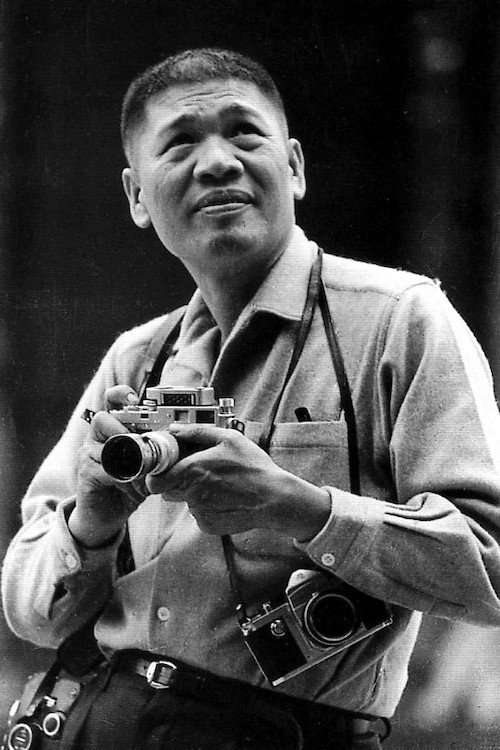
Deng Nan-guang (鄧南光, 1907–1971), Chang Tsai (張才, 1916–1994), and Lee Ming-tiao (李鳴鵰, 1922–2013) are regarded as three of the most important prewar-generation photographers in Taiwanese photographic history, collectively known as the “Three Musketeers of Photography”. Directed by Chang Chao-Tang (張照堂), this documentary revisits their artistic trajectories, photographic styles, historical contexts, and contributions to the development of documentary photography in Taiwan. Particularly valuable are the interview segments featuring Chang Tsai and Lee Ming-tiao themselves, which preserve rare firsthand testimonies from two pivotal figures in early Taiwanese realist photography.
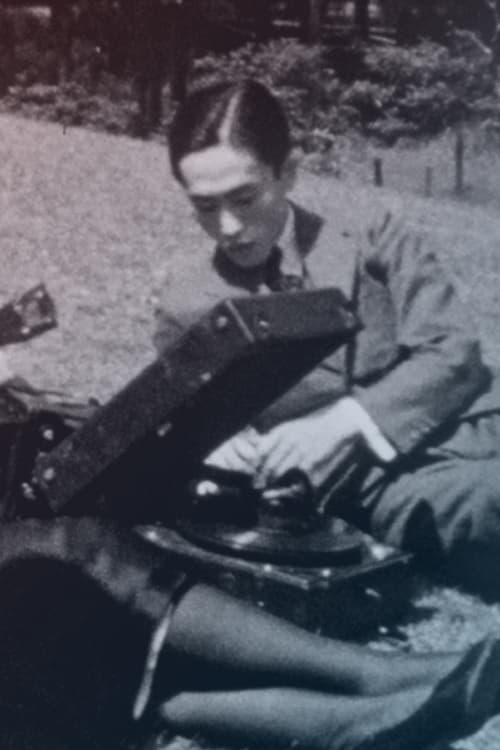
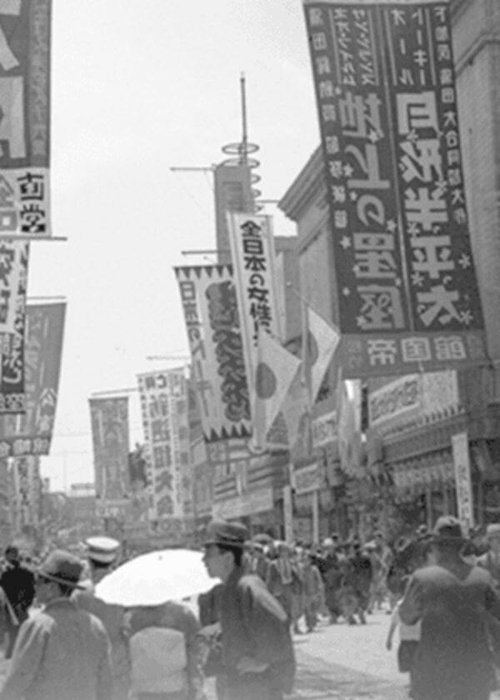
Deng Nan-Guang’s 57-minute collection of intimate home-style videos, filmed between 1935 and 1941, captures an overlooked side of Taiwanese life under Japanese occupation. The films depict ordinary people enjoying life, gathering together, sporting, and observing traditional customs in a variety of settings, including parks, in the countryside, and by the sea. The films serve as a well-preserved time portal to a bygone era, offering a glimpse of life in Taiwan under colonial rule in the lead up to the Second World War
Collection of home movies which was shot by Deng Nan-guang, the well-known photographer, during 1930-1940s.
Photographer Deng Nan-guang captured with his 8mm camera the lives of Japanese women and their daily routine: fishing abalone, catching fish, and harvesting rice.