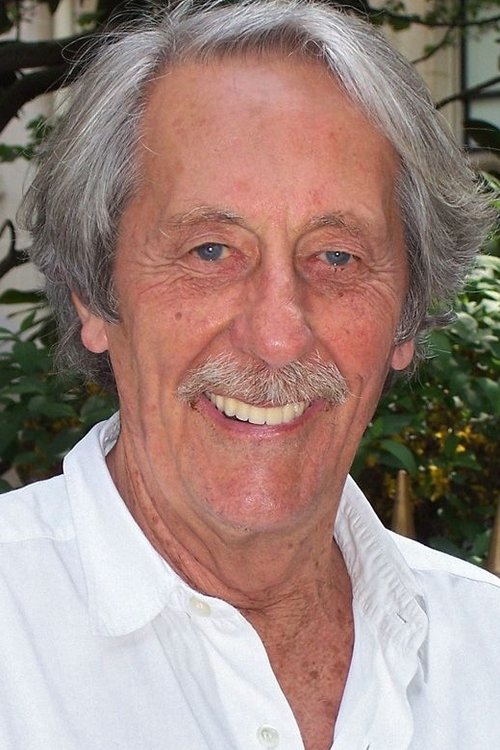
Jean Rochefort
Acting
Biography
Jean Raoul Robert Rochefort (29 April 1930 – 9 October 2017) was a French actor. He received many accolades during his career, including an Honorary César in 1999. Rochefort was born on 29 April 1930 in Paris, France, to Breton parents. Jean Rochefort was not born in Dinan, but his parents were living there. He was educated at the Lycée Pierre Corneille in Rouen. Rochefort was nineteen years old when he entered the Centre d'Art Dramatique de la rue Blanche. Later he joined the Conservatoire National. After completing his national service in 1953, he worked with the Compagnie Grenier Hussenot as a theatre actor for seven years. There he was noted for his ability to play both drama and comedy. He then became a television and cinema actor, and also worked as director. After some supporting roles in Cartouche, Captain Fracasse and in Marvelous Angelique, Rochefort played his first big role with Annie Girardot as his wife and Claude Jade as his daughter in Hearth Fires in 1972. In this drama, he starred as a man who leaves his family for ten years before returning. In this film he played at 41 years old a father of adult children (the young Claude Jade was already 23). To appear older, he grew a moustache, his trademark, which he later removed only once, in 1996 for Ridicule. Four years after Hearth Fires he was the leading star of the midlife crisis comedy Pardon Mon Affaire as a man who risks his married life with Danièle Delorme for an affair with Anny Duperey. Thanks to the success of this film, Rochefort became very popular. In 1972, he starred opposite Pierre Richard as Chief of Counter-Espionage, Louis Toulouse, in the Yves Robert comedy Le Grand Blond avec une chaussure noire, a role he reprised in the 1974 sequel Le Retour du grand blond, also directed by Robert. In 1998, he starred as "Fernand de Morcerf" opposite Gerard Depardieu in the mini-series Le Comte de Monte Cristo. In the eighties, he became the narrator of the French version of Welcome to Pooh Corner, replacing Laurie Main. This made him popular with children at the time and Disney hired him to record several audio versions of their classic movies. In the 1990s, he returned to comedy with Les Grands Ducs where he played alongside two other actors of his generation with a similar career, Philippe Noiret and Jean-Pierre Marielle. He was set to play the lead role in The Man Who Killed Don Quixote, after being found as "the perfect Quixote" by director Terry Gilliam. Rochefort learned to speak English just for the part. Unfortunately, amongst other production problems, he began suffering from a herniated disc. Unable to film for months, production was cancelled. A documentary, Lost in La Mancha, was made about the failed production. In 1960, he married Alexandra Moscwa, with whom he had two children: Marie (1962) and Julien (1965). With actress-filmmaker Nicole Garcia, he also had a son Pierre. Through his second marriage with Françoise Vidal, he had two children, Louise (1990) and Clémence (1992). ... Description above from the Wikipedia article Jean Rochefort, licensed under CC-BY-SA, full list of contributors on Wikipedia.
Known For
No description available.
Champs-Elysées

No description available.
Vivement dimanche
Marcello Mastroianni, Isabelle Adjani, Alain Delon, Martin Scorsese, Woody Allen... the biggest stars in cinema were welcomed by Christian Defaye on his show Spécial cinéma. Between intimate confessions from actors and immersion in the world of the greatest filmmakers, Christian Defaye took viewers on a journey into the fascinating world of cinema for nearly thirty years.
Spécial cinéma

A talk show presented by Michel Drucker
Les Rendez-vous du dimanche
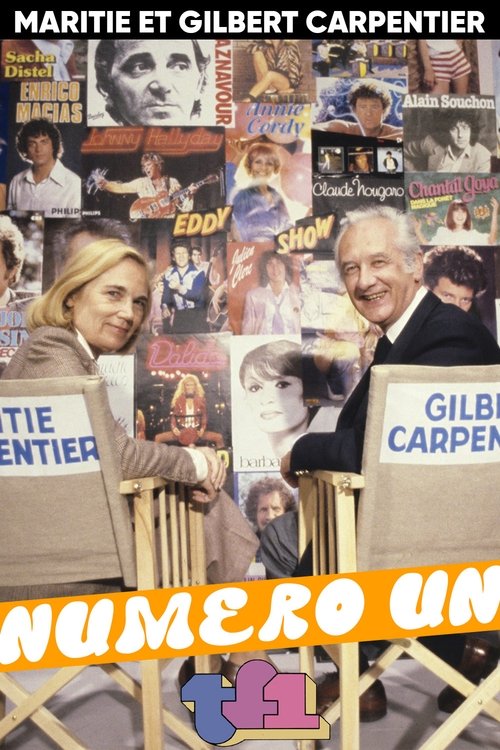
A French variety show.
Numéro un
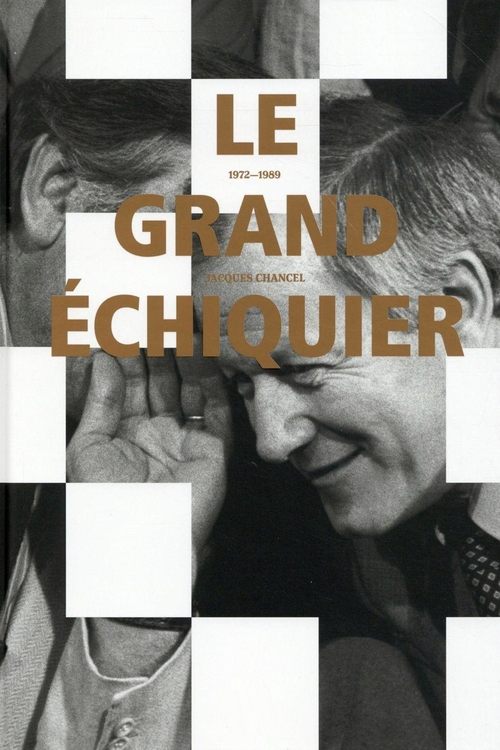
Le Grand Échiquier is a French variety television program created and presented by Jacques Chancel. It aired at 8:30 pm on the first channel of the ORTF from January 12, 1972 to July 12, 1972, then on the second color channel of the ORTF from September 1972 to December 1974, and finally on Antenne 2 from January 1975 to December 21, 1989. The program returned to France 2 on December 20, 2018 and is hosted by Anne-Sophie Lapix.
Le Grand Échiquier
No description available.
Midi trente

No description available.
Nulle part ailleurs

No description available.
Victoires de la musique
No description available.
Stars 90

No description available.
30 millions d'amis

No description available.
Dim Dam Dom

Mr. Bean wins a trip to Cannes where he unwittingly separates a young boy from his father and must help the two reunite. On the way he discovers France, bicycling and true love, among other things.
Mr. Bean's Holiday

No description available.
Square
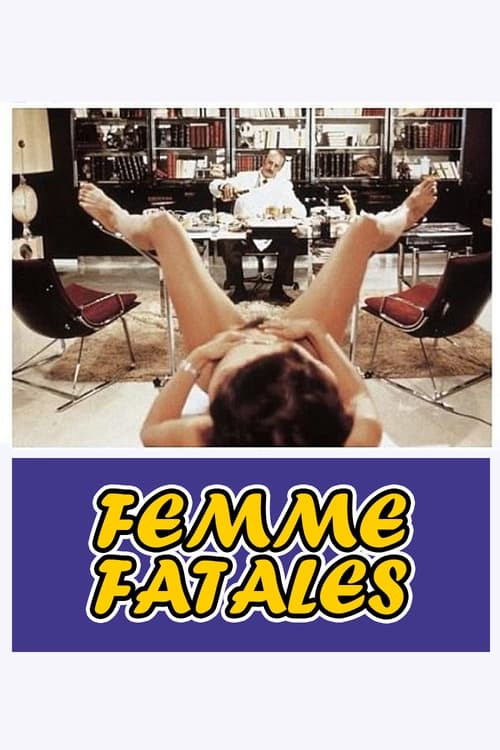
Two men, fortyish, worn out by their wives, abandon everything to go and live in the back of beyond. There they meet a truculent priest, a boozer, Émile who recalls them to life's simple pleasures. Calm is what they want. But soon their example inspires thousands of disorientated males...
Femmes Fatales
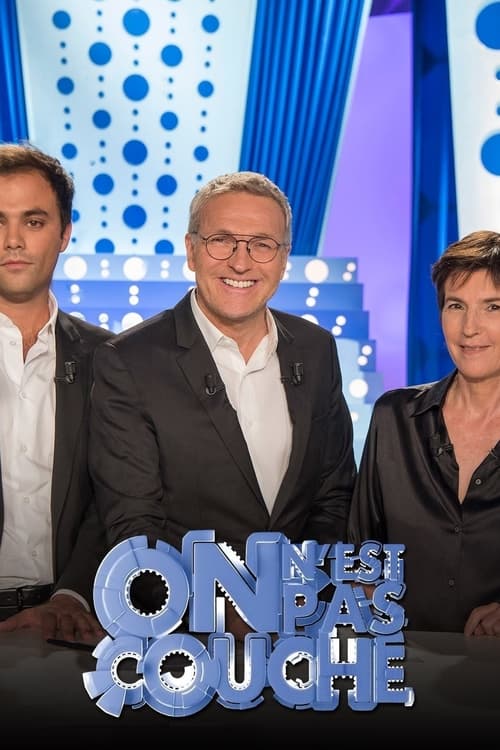
On n'est pas couché was a French talk show broadcast on France 2 on Saturdays at 11 p.m., hosted by Laurent Ruquier assisted by various columnists.
On n'est pas couché

The César Awards are cinematographic awards created in 1976 and presented annually in Paris to professionals of the 7th art in various categories to recognize the best French productions. They are often cited as the French equivalent of the Oscars in the United States.
Cérémonie des César
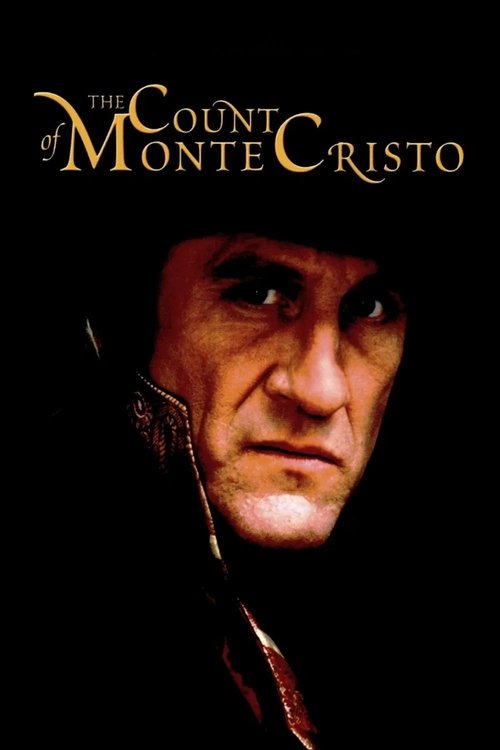
A TV mini-series adaptation of the classic Alexandre Dumas novel. Edmond Dantes is unjustly sent to prison for 18 years. He escapes to reclaim his fiancée Mercedes and revenge against his nemesis, Mondego.
The Count of Monte Cristo

In 35,000 BC, the tribe of the Dirty Hairs is at war against the tribe of the Clean Hairs for eight hundred years, trying to get their shampoo. The chief of the Dirty Hairs sends his daughter Guy disguised to the enemy tribe to get some shampoo for his tribe. When the healer of the Clean Hairs tribe surprisingly kills two cavemen of his tribe, their imbecile chief assigns Pierre with curled hair and Pierre blonde to investigate the murder and find the criminal.
RRRrrrr!!!
Produced for television by Claude-Jean Philippe, the « Encyclopédie audiovisuelle du cinéma », recounts the history of French cinema from its birth to the beginning of the 1960s. With commentary read by Jean Rochefort.