Jean-Pierre Mocky
Directing
Biography
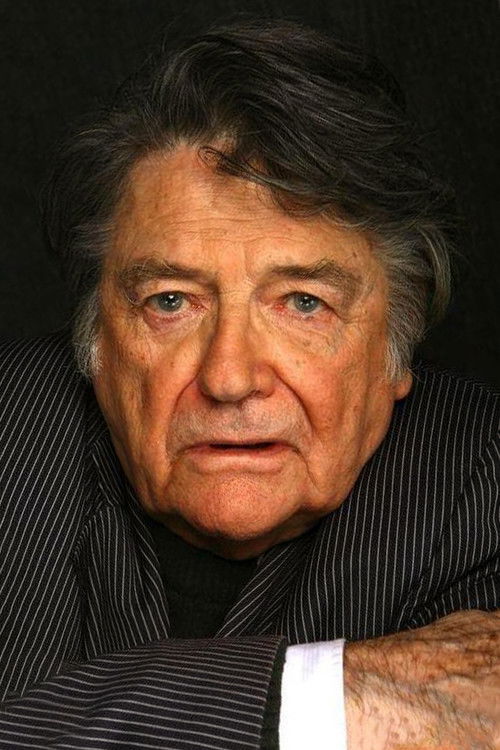
Jean-Pierre Mocky (6 July 1929 – 8 August 2019), pseudonym of Jean-Paul Adam Mokiejewski, was a French film director, actor, screenwriter and producer. Mocky was born in Nice, France to Polish immigrant parents, Jeanne Zylinska and Adam Mokiejewski. His father was Jewish and his mother was Catholic. Mocky appeared as an actor in the 1955 film Gli Sbandati and in many other movies, including some of those he also directed (Solo, L'albatros, L'Ombre d'une chance, Un Linceul n'a pas de poches). His 1987 film Le Miraculé was entered into the 37th Berlin International Film Festival. He began as an actor in the cinema and theater. In particular, he played in Jean Dréville's Les Casse-pieds (1948), Jean Cocteau's Orphée (1950) and Bernard Borderie's The Mask of the Gorilla (1957). But it was especially in Italy that he became famous, thanks to his role in I vinti by Michelangelo Antonioni. After working as an assistant with Luchino Visconti on Senso (1954) and Federico Fellini on La strada (1954), he wrote his first film, La Tête contre les murs (1959) and planned to direct it himself, but the producer preferred to entrust the task to Georges Franju. He went on to direct the following year with Les Dragueurs (1959). Since then, he has never stopped shooting. As early as the 1960s, he was able to reach a wide audience with crazy comedies such as A Funny Parishioner (1963) and La Grande Lessive (1968). After May 1968, he turned to darker films with Solo (1969), in which he shows a group of young terrorists of the extreme left, then L'Albatros (1971) which shows the corruption of politicians. In the 1980s, he returned to success with a film denouncing, a year before the drama of Heysel, the excesses of some football fans (À mort l'arbitre, 1984) and a comedy denouncing the hypocrisy around the pilgrimage to Lourdes (Le Miraculé, 1987). In the 1990s and 2000s, his films met with less success, but Mocky continued to shoot with much enthusiasm. In the beginning, his films were dedicated to the uprising against the restrictions imposed by society. Later, he concentrated on farce, as in Bonsoir where the homeless Alex (Michel Serrault) pretends to be the lover of the lesbian Caroline (Claude Jade) in order to save her inheritance from her homophobic relatives. Mocky's cinema, often satirical and pamphleteer, is generally inspired by the truth of society. He worked with few resources and filmed very quickly. He worked with Bourvil (A Funny Parishioner, The City of Unspeakable Fear, La Grande Lessive and The Stallion), Fernandel (The Exchange and Life), Michel Simon (The Red Ibis), Michel Serrault (twelve films including Le Miraculé), Francis Blanche (five films including The City of Unspeakable Fear), Jacqueline Maillan (five films), Jean Poiret (eight films) and with the stars Catherine Deneuve (Agent Trouble), Claude Jade (Bonsoir), Jane Birkin (Noir comme le souvenir), Jeanne Moreau (Le Miraculé) and Stéphane Audran (The Seasons of Pleasure). In 2010, he received the Prix Henri-Langlois for his entire career and the 2013 Alphonse Allais Prize. The International Festival of Film Entrevues in Belfort in 2012 and the Cinémathèque française in 2014 dedicated full retrospectives to him. He died on 8 August 2019. Source: Article "Jean-Pierre Mocky" from Wikipedia in English, licensed under CC-BY-SA 3.0.
Known For

No description available.
Vivement dimanche

No description available.
Sacrée soirée

Marcello Mastroianni, Isabelle Adjani, Alain Delon, Martin Scorsese, Woody Allen... the biggest stars in cinema were welcomed by Christian Defaye on his show Spécial cinéma. Between intimate confessions from actors and immersion in the world of the greatest filmmakers, Christian Defaye took viewers on a journey into the fascinating world of cinema for nearly thirty years.
Spécial cinéma

A talk show presented by Michel Drucker
Les Rendez-vous du dimanche

The show features an interview with a famous personality from the world of politics, economics or culture.
L'Invité

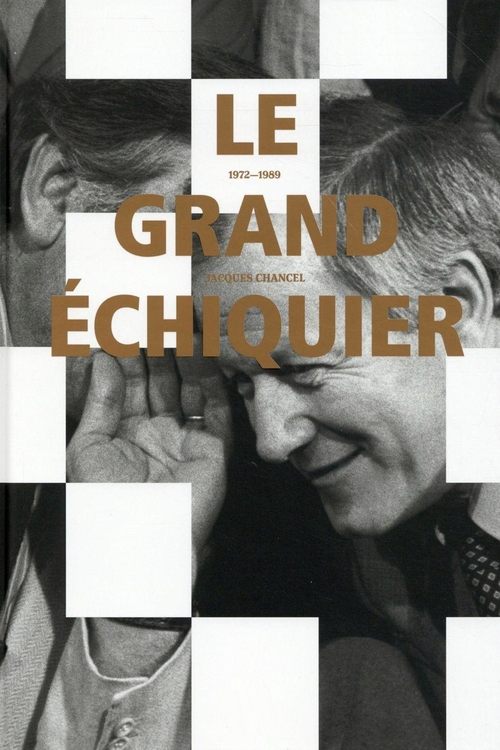
Le Grand Échiquier is a French variety television program created and presented by Jacques Chancel. It aired at 8:30 pm on the first channel of the ORTF from January 12, 1972 to July 12, 1972, then on the second color channel of the ORTF from September 1972 to December 1974, and finally on Antenne 2 from January 1975 to December 21, 1989. The program returned to France 2 on December 20, 2018 and is hosted by Anne-Sophie Lapix.
Le Grand Échiquier

Every day live on FRANCE 5, Anne-Élisabeth Lemoine and her team receive those who make the news. In the second part, the program welcomes, around a meal prepared by a qualified chef, artists in promotion.
C à vous

No description available.
Nulle part ailleurs

For thirty years, Zone Interdite has been the magazine that documents and analyzes the upheavals in French society. Conducted over time, the investigations broadcast in the program reveal the taboos, passions, and struggles of the French people at the heart of current events.
Zone interdite
No description available.
Samedi soir

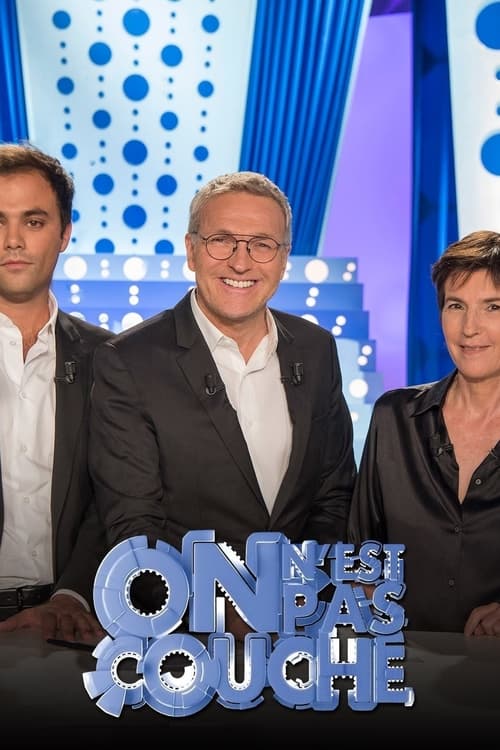
On n'est pas couché was a French talk show broadcast on France 2 on Saturdays at 11 p.m., hosted by Laurent Ruquier assisted by various columnists.
On n'est pas couché

Strip-Tease was created by Jean Libon and Marco Lamensch. The aim of the creators was to produce documentary films of a new genre, in which the commentators take a back seat to let the protagonists have their say. The program mainly deals with excerpts from everyday life (family meals, washing up, the life of a farmer's wife). Viewers can thus recognize themselves in their daily intimacy.
Strip-Tease
No description available.
Matin Bonheur

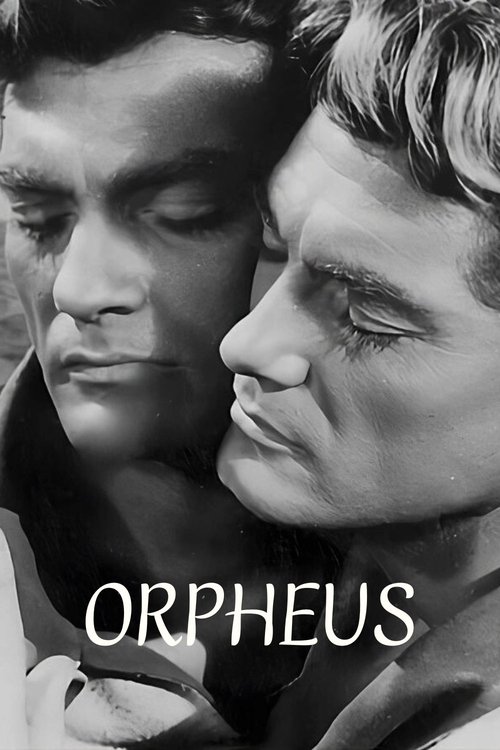
A famous poet in postwar Paris, scorned by the Left Bank youth, is in love with both his wife Eurydice and a mysterious princess. Seeking inspiration, the poet becomes obsessed and follows the princess from the world of the living to the land of the dead.
Orpheus

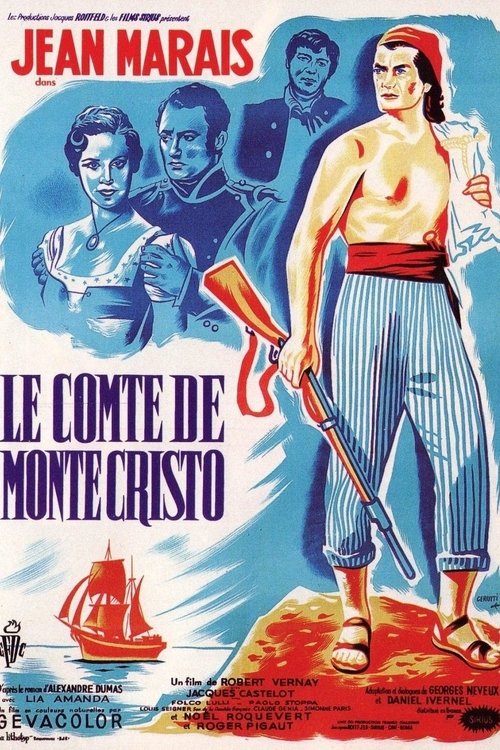
Edmond Dantes is falsely accused by those jealous of his good fortune, and is sentenced to spend the rest of his life in the notorious island prison, Chateau d'If. While imprisoned, he meets the Abbe Faria, a fellow prisoner whom everyone believes to be mad. The Abbe tells Edmond of a fantastic treasure hidden away on a tiny island, that only he knows the location of. After many years in prison, the old Abbe dies, and Edmond escapes disguised as the dead body. Now free, Edmond must find the treasure the Abbe told him of, so he can use the new-found wealth to exact revenge on those who have wronged him...
The Count of Monte Cristo

A washed-up filmmaker gets a second chance at stardom when he discovers stunning peasant Maria Vargas dancing in a Madrid nightclub. Goaded by his producer, the director convinces Maria to screen test for, and then star in, his next big picture. But as the producer's possessive nature and the realities of stardom weigh on Maria, she seeks a genuine lover with whom she can escape.
The Barefoot Contessa

A troubled and neurotic Italian Countess betrays her entire country for a self-destructive love affair with an Austrian Lieutenant.
Senso

Série noire is a French crime television series created by Pierre Grimblat in 1984. The series was adapted from crime books by the publishing imprint of the same name. 36 episodes were filmed between 1984 and 1989, and were aired until 1991 on TF1.
Série noire

Yves Beaulieu lives with his wife Anne, his daughter Stephanie and his mother-in-law. Tired of his dangerous, thankless, underpaid and unrecognized job as a deminer, Yves decides to try his luck and carries out a robbery in the nearby supermarket. Hunted by Inspector Rousselet (Patrick Sébastien), he is subjected to a mysterious blackmail and tries to escape justice to profit from the fruits of his crime.
Le Pactole

A woman involved with a terrorist group becomes dangerously close to the police officer guarding the bank they plan to rob.