Acting
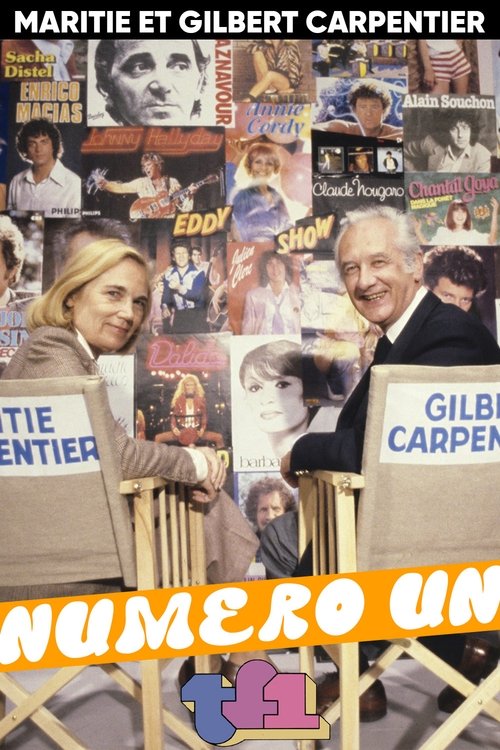
Midi Première is a French variety show presented by Danièle Gilbert, directed by Jacques Pierre and broadcast from January 6, 1975 until January 1, 1982 on TF1. The program was generally broadcast between 12:15 p.m. and 12:55 p.m., then giving way to the 1:00 p.m. TV news. However, the broadcast schedule could change, depending on the guests, and the setting where the recording of the program was shot. Certain performances by artists who have become cult like the one where Ringo jostles with a demonstrator in interpretation (1977), that of Dalida with the title There is always a song with the soundtrack that does not start, twice, at the right speed (1978), Claude François and his Clodettes, who, in the provinces, are unable to join "the set" in order to interpret his song, the latter being taken by the crowd of delirious fans (summer 1977) . The group Supertramp performed there with the title "Dreamer" on March 8, 1975.
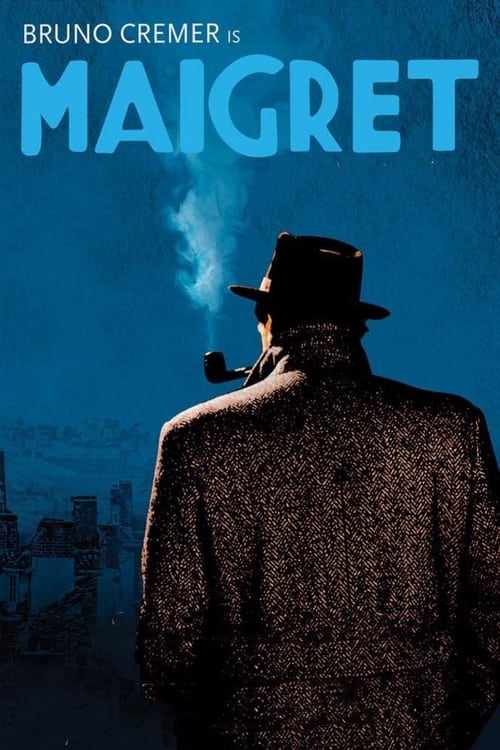
The pragmatic, reserved and refined Maigret investigates murders in his singular unhurried manner and inevitably discovers the truth.
No description available.
A talk show presented by Michel Drucker
A French variety show.
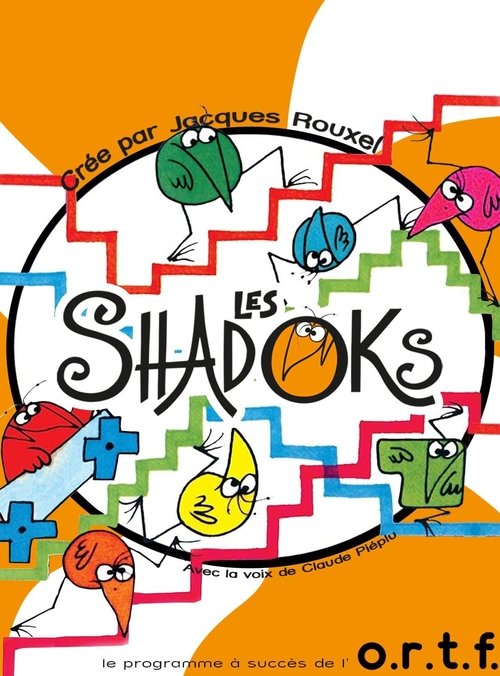
Les Shadoks is an animated television series created by French cartoonist Jacques Rouxel which caused a sensation in France when it was first broadcast in 1968-1974. The Shadoks were bird-like in appearance, were characterised by ruthlessness and stupidity and inhabited a two dimensional planet. Another set of creatures in the Shadok canon are the Gibis, who are the opposite to the Shadoks in that they are intelligent but vulnerable and also inhabit a two-dimensional planet. Rouxel claims that the term Shadok obtains some derivation from Captain Haddock of Hergé's The Adventures of Tintin and the Gibis are essentially GBs. The Shadoks were a significant literary, cultural and philosophical phenomenon in France. Even today, the French occasionally use satirical comparisons with the Shadoks for policies and attitudes that they consider absurd. The Shadoks were noted for mottos such as: ⁕"Why do it the easy way when you can do it the hard way?" ⁕"When one tries continuously, one ends up succeeding. Thus, the more one fails, the greater the chance that it will work."
Two whimsical, aimless thugs harass and assault women, steal, murder, and alternately charm, fight, or sprint their way out of trouble. They take whatever the bourgeoisie holds dear, whether it’s cars, peace of mind, or daughters. Marie-Ange, a jaded, passive hairdresser, joins them as lover, cook, and mother confessor. She’s on her own search for seemingly unattainable sexual pleasure.
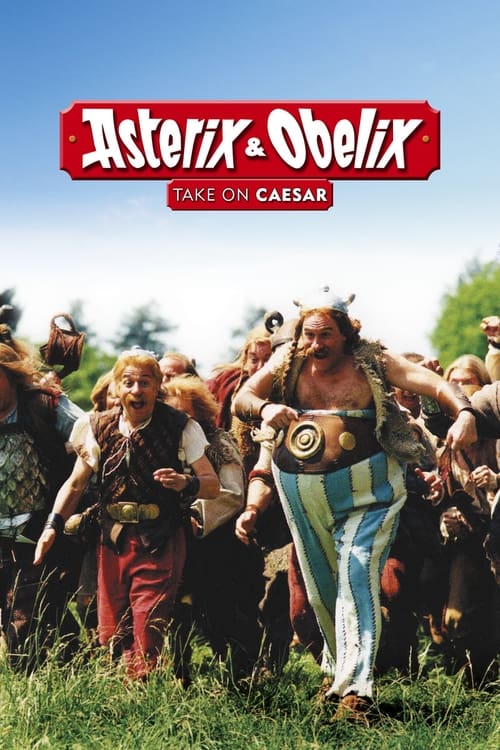
Set in 50 B.C., Asterix and Obelix are living in a small but well-protected village in Gaul, where a magic potion concocted by Druids turns the townsfolk into mighty soldiers. When Roman troops carve a path through Gaul to reach the English Channel, Caesar and his aide de camp Detritus discover the secret elixir and capture the Druid leader who knows its formula, and Asterix and Obelix are sent off to rescue them.
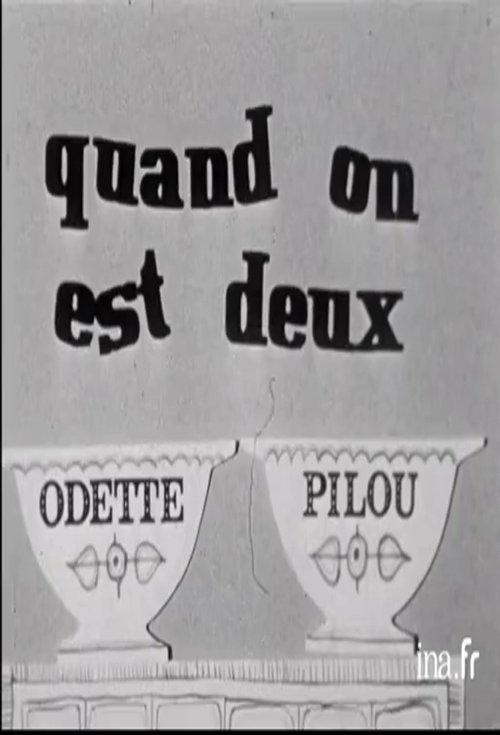
Odette and Pilou Laborde do not leave their homes and offer us a lot of funny and eventful situations between four walls.
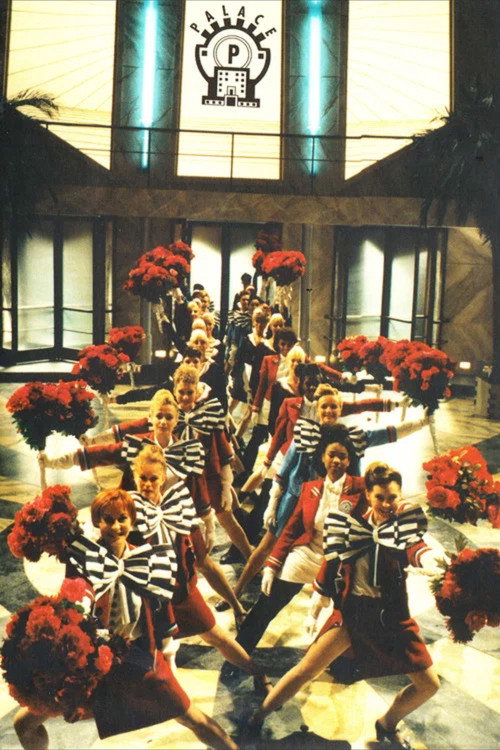
The action takes place - as the title suggests - in a Palace, a really nice hotel. Funny scenes happen in different places: the kitchen, the reception, the elevator, the rooms, ...
A quiet and inconspicuous man rents an apartment in Paris where he finds himself drawn into a rabbit hole of dangerous paranoia.
In Luis Buñuel’s deliciously satiric masterpiece, an upper-class sextet sits down to dinner but never eats, their attempts continually thwarted by a vaudevillian mixture of events both actual and imagined.
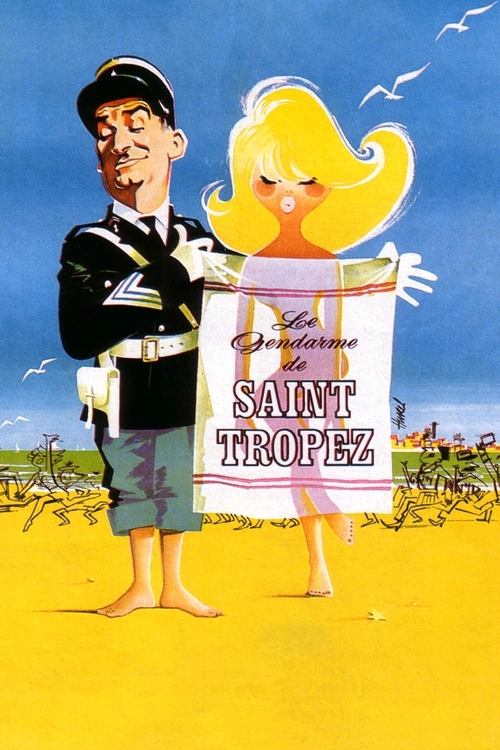
The ambitious police officer Cruchot is transferred to St. Tropez. He's struggling with crimes such as persistent nude swimming, but even more with his teenage daughter, who's trying to impress her rich friends by telling them her father was a millionaire and owned a yacht in the harbor.
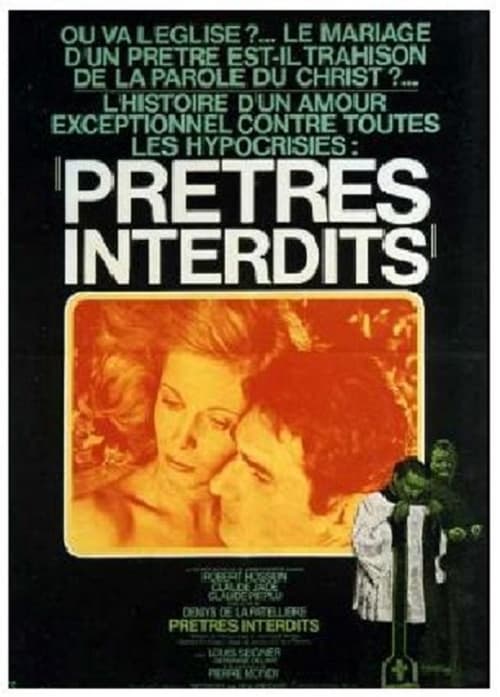
Two men, fortyish, worn out by their wives, abandon everything to go and live in the back of beyond. There they meet a truculent priest, a boozer, Émile who recalls them to life's simple pleasures. Calm is what they want. But soon their example inspires thousands of disorientated males...