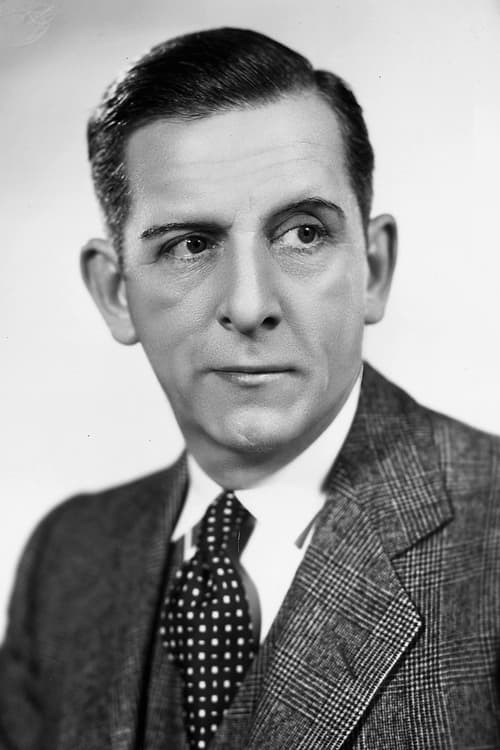
Edward Everett Horton
Acting
Biography
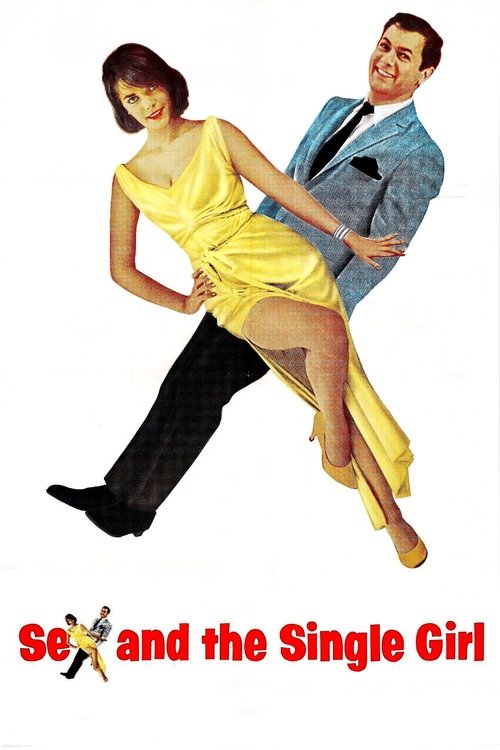
From Wikipedia, the free encyclopedia Edward Everett Horton Jr. (March 18, 1886 – September 29, 1970) was an American character actor. He had a long career in film, theater, radio, television, and voice work for animated cartoons. Horton began his stage career in 1906, singing and dancing and playing small parts in vaudeville and in Broadway productions. In 1919, he moved to Los Angeles, California, where he began acting in Hollywood films. His first starring role was in the comedy Too Much Business (1922), but he portrayed the lead role of an idealistic young classical composer in the drama Beggar on Horseback (1925). In the late 1920s, he starred in two-reel silent comedies for Educational Pictures, and made the transition to talking pictures with Educational in 1929. As a stage-trained performer, he found more film work easily, and appeared in some of Warner Bros.' early talkies, including The Terror (1928) and Sonny Boy (1929). Horton initially used his given name, Edward Horton, professionally. His father persuaded him to adopt his full name professionally, reasoning that other actors might be named Edward Horton, but only one named Edward Everett Horton. Horton soon cultivated his own special variation of the time-honored double take (an actor's reaction to something, followed by a delayed, more extreme reaction). In Horton's version, he would smile ingratiatingly and nod in agreement with what just happened; then, when realization set in, his facial features collapsed entirely into a sober, troubled mask. Horton starred in many comedy features in the 1930s, usually playing a mousy fellow who put up with domestic or professional problems to a certain point, and then finally asserted himself for a happy ending. He is best known, however, for his work as a character actor in supporting roles. These include The Front Page (1931), Trouble in Paradise (1932), Alice in Wonderland (1933), The Gay Divorcee (1934, the first of several Astaire/Rogers films in which Horton appeared), Top Hat (1935), Danger - Love at Work (1937), Lost Horizon (1937), Holiday (1938), Here Comes Mr. Jordan (1941), Arsenic and Old Lace (1944), Pocketful of Miracles (1961), It's a Mad, Mad, Mad, Mad World (1963), and Sex and the Single Girl (1964). His last role was in the comedy film Cold Turkey (1971), in which his character communicated only through facial expressions.
Known For

The Mike Douglas Show is an American daytime television talk show hosted by Mike Douglas that originally aired only in the Cleveland area during much of its first two years on the air. It then went into syndication in 1963 and remained on television until 1982. It was distributed by Westinghouse Broadcasting and for much of its run, originated from studios of two of the company's TV stations in Cleveland and Philadelphia.
The Mike Douglas Show

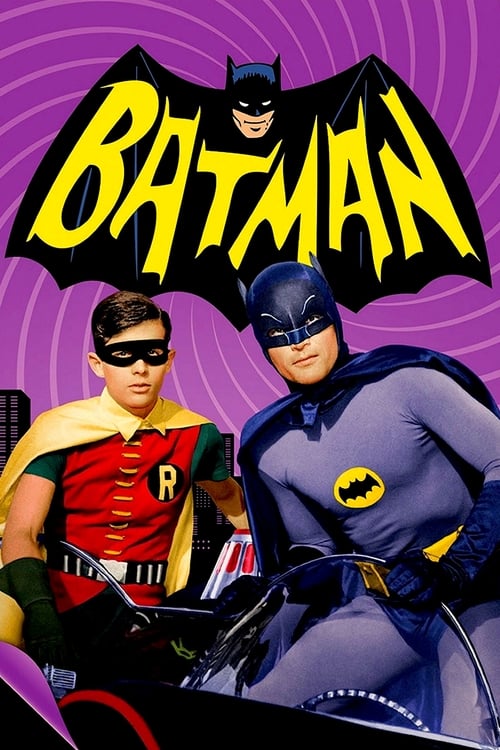
Wealthy entrepreneur Bruce Wayne and his ward Dick Grayson lead a double life: they are actually crime fighting duo Batman and Robin. A secret Batpole in the Wayne mansion leads to the Batcave, where Police Commissioner Gordon often calls with the latest emergency threatening Gotham City. Racing to the scene of the crime in the Batmobile, Batman and Robin must (with the help of their trusty Bat-utility-belt) thwart the efforts of a variety of master criminals, including The Riddler, The Joker, Catwoman, and The Penguin.
Batman

An anthology comedy series featuring a line up of different celebrity guest stars appearing in anywhere from one, two, three, and four short stories or vignettes within an hour about versions of love and romance.
Love, American Style

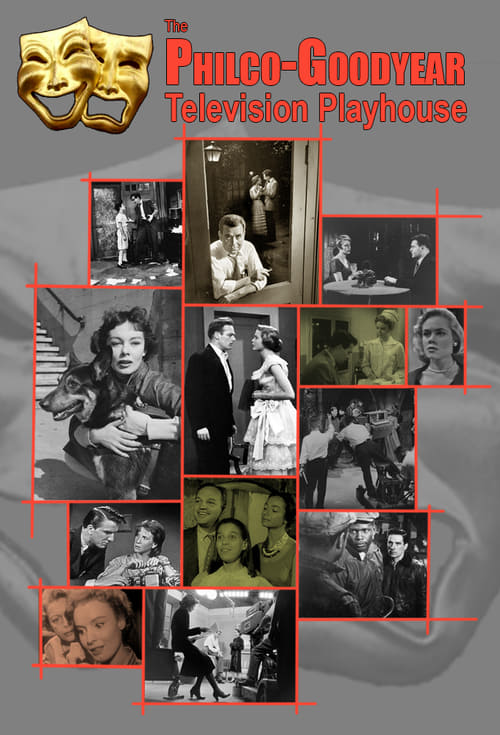
The Philco Television Playhouse is an American anthology series that was broadcast live on NBC from 1948 to 1955. Produced by Fred Coe, the series was sponsored by Philco. It was one of the most respected dramatic shows of the Golden Age of Television, winning a 1954 Peabody Award and receiving eight Emmy nominations between 1951 and 1956.
The Philco Television Playhouse

No description available.
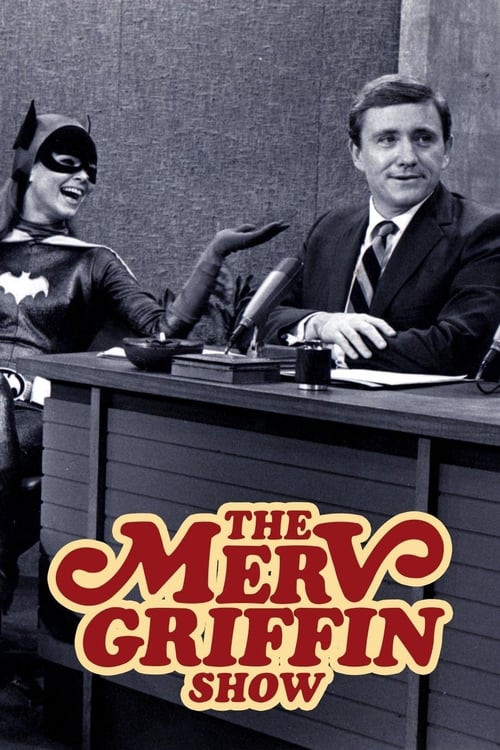
The Merv Griffin Show

A variety show, with the main feature being the serialized adventures of the two title characters, the anthropomorphic moose Bullwinkle and flying squirrel Rocky. The main adversaries in most of their adventures are the Russian-like spies Boris Badenov and Natasha Fatale. Supporting segments include Dudley Do-Right, Peabody's Improbable History, and Fractured Fairy Tales, among others.
The Bullwinkle Show

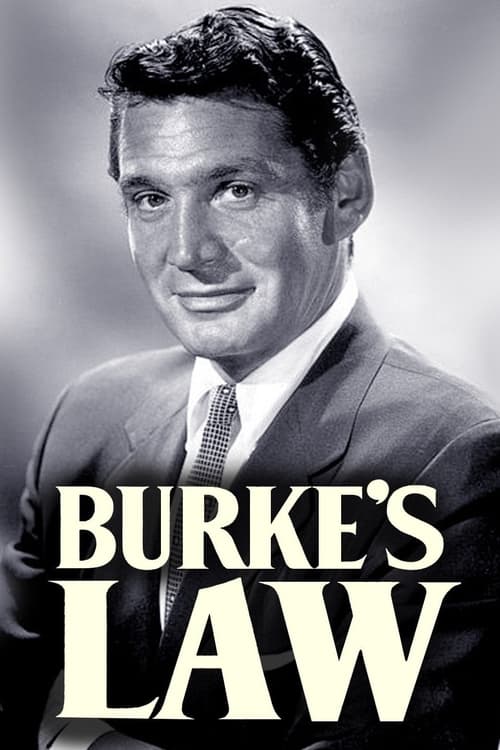
Burke's Law is an American detective series that ran on ABC from 1963 to 1965 and was revived on CBS in the 1990s. The show starred Gene Barry as Amos Burke, millionaire captain of Los Angeles police homicide division, who was chauffeured around to solve crimes in his Rolls-Royce Silver Cloud II.
Burke's Law

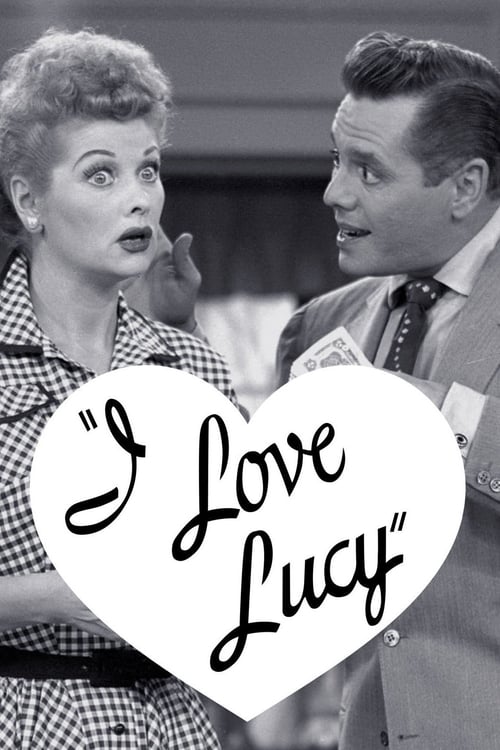
Cuban Bandleader Ricky Ricardo would be happy if his wife Lucy would just be a housewife. Instead she tries constantly to perform at the Tropicana where he works, and make life comically frantic in the apartment building they share with landlords Fred and Ethel Mertz, who also happen to be their best friends.
I Love Lucy

Matinee Theater is an American anthology series that aired on NBC during the Golden Age of Television, from 1955 to 1958. The series, which ran daily in the afternoon, was frequently live. It was produced by Albert McCleery, Darrell Ross, George Cahan and Frank Price with executive producer George Lowther. McCleery had previously produced the live series Cameo Theatre which introduced to television the concept of theater-in-the-round, TV plays staged with minimal sets. Jim Buckley of the Pewter Plough Playhouse recalled: When Al McCleery got back to the States, he originated a most ambitious theatrical TV series for NBC called Matinee Theater: to televise five different stage plays per week live, airing around noon in order to promote color TV to the American housewife as she labored over her ironing. Al was the producer. He hired five directors and five art directors. Richard Bennett, one of our first early presidents of the Pewter Plough Corporation, was one of the directors and I was one of the art directors and, as soon as we were through televising one play, we had lunch and then met to plan next week’s show. That was over 50 years ago, and I’m trying to think; I believe the TV art director is his own set decorator —yes, of course! It had to be, since one of McCleery’s chief claims to favor with the producers was his elimination of the setting per se and simply decorating the scene with a minimum of props. It took a bit of ingenuity.
Matinee Theater

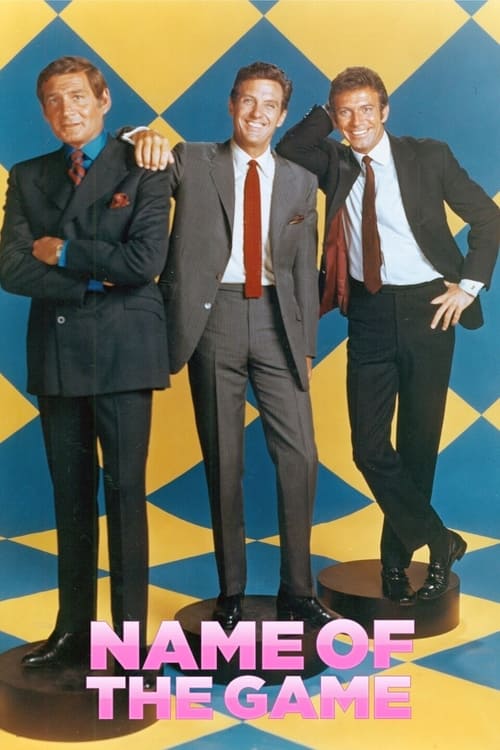
The Name of the Game is an American television series starring Tony Franciosa, Gene Barry, and Robert Stack that ran from 1968 to 1971 on NBC, totaling 76 episodes of 90 minutes. It was a pioneering wheel series, setting the stage for The Bold Ones and the NBC Mystery Movie in the 1970s. The show had an extremely large budget for a television series.
The Name of the Game

The Ed Sullivan Show is an American TV variety show that originally ran on CBS from Sunday June 20, 1948 to Sunday June 6, 1971, and was hosted by New York entertainment columnist Ed Sullivan. It was replaced in September 1971 by the CBS Sunday Night Movie, which ran only one season and was eventually replaced by other shows. In 2002, The Ed Sullivan Show was ranked #15 on TV Guide's 50 Greatest TV Shows of All Time.
The Ed Sullivan Show

The Colgate Comedy Hour is an American comedy-musical variety series that aired live on the NBC network from 1950 to 1955. The show starred many notable comedians and entertainers of the era, including Eddie Cantor, Dean Martin and Jerry Lewis, Fred Allen, Donald O'Connor, Bud Abbott and Lou Costello, Bob Hope, Jimmy Durante, Ray Bolger, Gordon MacRae, Ben Blue, Robert Paige, Tony Curtis, Burt Lancaster, Broadway dancer Wayne Lamb and Spike Jones and His City Slickers.
The Colgate Comedy Hour

No description available.
The Steve Allen Show

This 1959-1963 television situation comedy series follows the lives of the Mitchell family, Henry, Alice, and their only child Dennis, an energetic, trouble-prone, mischievous, but well-meaning boy, who often tangles with his peace-and-quiet-loving neighbor George Wilson, a retired salesman, or, later, with George's brother John, a writer. Dennis is basically a good, well-intentioned boy who always tries to help people, but who winds up making situations worse – often at Mr. Wilson's expense.
Dennis the Menace

F Troop is a satirical American television sitcom that originally aired for two seasons on ABC-TV. It debuted in the United States on September 14, 1965 and concluded its run on April 6, 1967 with a total of 65 episodes. The first season of 34 episodes was filmed in black-and-white, but the show switched to color for its second season.
F Troop

December Bride is an American sitcom that aired on the CBS television network from 1954 to 1959, adapted from the original CBS radio network series that aired from June 1952 through September 1953.
December Bride

Nanny and the Professor is an American fantasy situation comedy created by AJ Carothers and Thomas L. Miller for 20th Century Fox Television. During pre-production, the proposed title was Nanny Will Do.
Nanny and the Professor
The George Gobel Show is an American television series hosted George Gobel that aired on NBC from 1954 to 1960.
The George Gobel Show

No description available.
Saints and Sinners

The Cara Williams Show is an American sitcom that aired on CBS from September 18,1964 to April 15, 1965. The series centers on a married couple who has to keep their relationship secret because the company for which they work prohibit staff couples.