FEEL IT.STREAM
?

Kiarash Anvari

Production

Biography

Kiarash Anvari (1977, Iran) began his filmmaking career in Iran, completing his first short in 2001. The film went to be shown at the 48th Oberhausen International Short Film Festival in Germany and received praise and attention and was nominated for the best international short film award. In 2003, Anvari relocated to France, where he got his master’s degree in film studies from the University of Provence Aix-Marseille I. He was selected to participate the Berlinale Talent Campus in 2004, where he gained precious knowledge from some well-known names in the industry. He was also recommended by acclaimed Iranian filmmaker Abbas Kiarostami to attend the Berlin Academy of Arts (Akademie der Künste) Young Artist Residency Program in the same year. In 2004 he participated in the Berlinale Talent Campus in Berlin and the Young Artist in Residency Programme of the Akademie der Künste. His films and video arts have been shown at a lot of different festivals, including Kurzfilmtage Oberhausen and the Witte de With Centre for Contemporary Art in Rotterdam. The Pot and the Oak (2017) is his first feature film. The film had its premiere in the Bright Future Competition section of the International Film Festival Rotterdam in the same year and was nominated for the Bright Future Award, FIPRESCI Prize, and Netpac Award. The film was also nominated for the FIPRESCI Prize of the Debuts section in Jerusalem Film Festival 2017. Anvari is the co- founder of the Montreal-based production company Sweet Delight Pictures and was nominated for the Emerging Producer Award by the Canadian Media Producers Association (CMPA) in 2017. Anvari also produced and edited Ava, written and directed by Sadaf Foroughi, which had its premiere at TIFF 2017 and won the FIPRESCI Prize of the Discovery section and received honourable mention for the Best Canadian Debut Feature Film. Ava was named one of the top ten Canadian films of 2017 and was nominated for eight significant awards at the Canadian Screen Award 2018, including two nominations for Anvari for Best Achievement in Editing and Best Motion Picture.

Known For

Summer with Hope
5.5

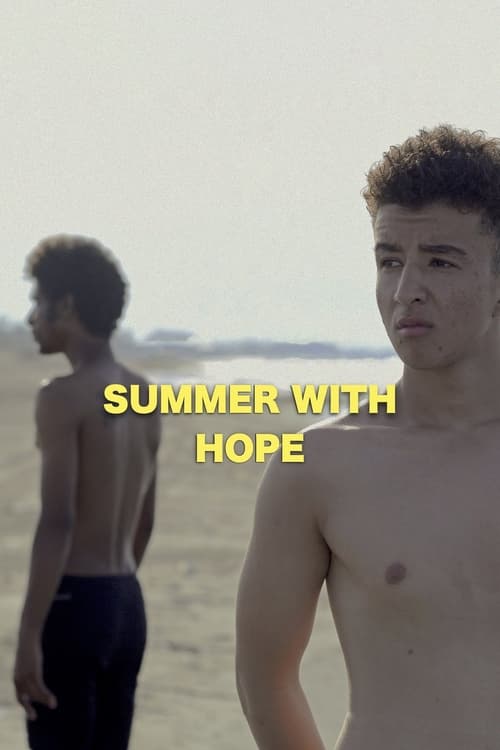
Omid, a teenage athlete who is barred for bureaucratic reasons from a swimming competition; however, as his estranged father has made his consent to a divorce from his mother conditional on Omid's performance in the competition, he begins to train in open-water swimming under the coaching of Mani, with their increasingly close friendship leading to community rumours and allegations they are engaging in a gay sexual relationship with each other.

Summer with Hope

2022
No image
N/A

A Brechtian sketch of a relationship between a man and a woman in modern Iran, and also a parody of (or homage to) early Godard films.

Reattachment

2002
No image
7.0

No description available.

Creed

2005
The Pot and the Oak
7.8

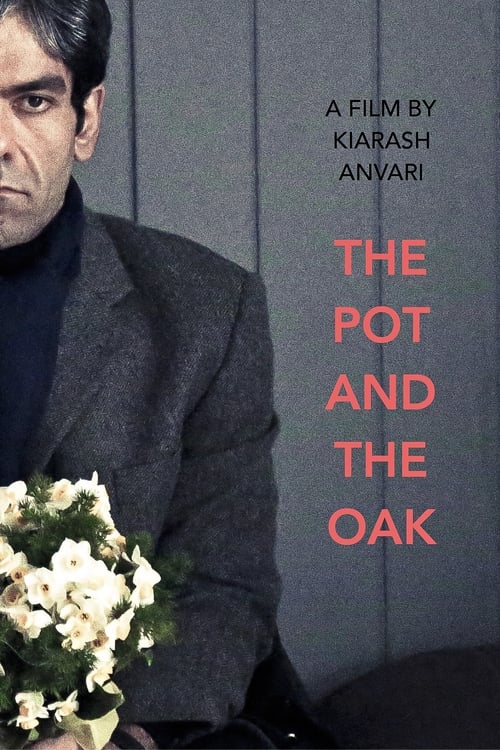
After finding out that he has no sperm and can't impregnate his wife, an Iranian man suffers an existential crisis.

The Pot and the Oak

2017
No image
10.0

At four o'clock early in the morning a strange voice talks on an answering machine and announces a surprise, a cardboard box is at the front door, "filled with voices and pictures of another time and place". This time is November 1977, two years before the revolution in Iran. The experimental short film in Beckett style jumps from one time zone to another.

...and I Was Born to Sweet Delight!

2001
Féminin, Masculin
N/A

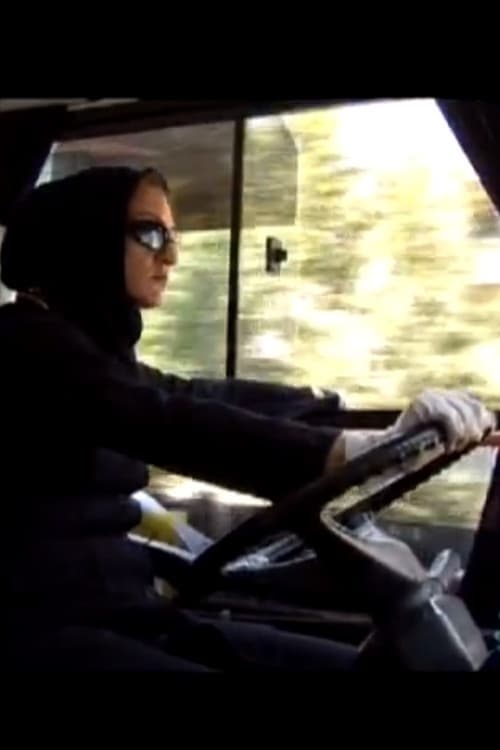
In the male dominated society of Iran, Farahnaz Shiri, the first female bus driver in Tehran, has made her own little society in her bus. In Iran there are different sections for men and women on public buses. Women should enter buses from the back door, which is separated from men’s entrance, and should sit or stay in a limited zone at the end of the buses which is separated from men’s zone. But in Mrs. Shiri’s bus everything is vice-versa. She is the governor and the only law maker of her own little society. In her bus, men must enter from the backdoor entrance and must sit or stay in the limited zone at the end of the bus. Mrs. Shiri is struggling to prove herself in this society and resisting a series of injustices that she faces as a woman in the Iranian society.

Féminin, Masculin

2007