FEEL IT.STREAM
Miriam Hopkins

Miriam Hopkins

Acting

Biography

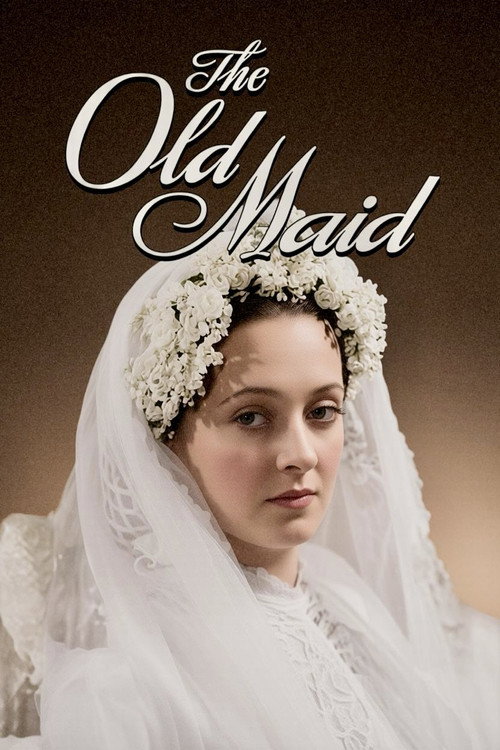
Ellen Miriam Hopkins (October 18, 1902 – October 9, 1972) was an American actress known for her versatility. She first signed with Paramount Pictures in 1930, working with Ernst Lubitsch and Joel McCrea, among many others. Her long-running feud with Bette Davis was publicized for effect. Later she became a pioneer of TV drama. Hopkins was a distinguished Hollywood hostess, who moved in intellectual and creative circles. At age 20, Hopkins became a chorus girl in New York City. In 1930, she signed with Paramount Pictures, and made her official film debut in Fast and Loose. Her first great success was in the 1931 horror drama film Dr. Jekyll and Mr. Hyde, in which she portrayed the character Ivy Pearson, a prostitute who becomes entangled with Jekyll and Hyde. Hopkins received rave reviews, but because of the potential controversy of the film and her character, many of her scenes were cut before the official release, reducing her screen time to approximately five minutes. Nevertheless, her career ascended swiftly thereafter and in 1932 she scored her breakthrough in Ernst Lubitsch's Trouble in Paradise, where she proved her charm and wit as a beautiful and jealous pickpocket. During the pre-code Hollywood of the early 1930s, she appeared in The Smiling Lieutenant, The Story of Temple Drake and Design for Living, all of which were box office successes and critically acclaimed. Her pre-Code films were considered risqué at the time, with The Story of Temple Drake depicting a rape scene and Design for Living featuring a ménage à trois with Fredric March and Gary Cooper. She also had success during the remainder of the decade with the romantic comedy The Richest Girl in the World (1934), the historical drama Becky Sharp (1935), for which she was nominated for the Academy Award for Best Actress, Barbary Coast (1935), These Three (1936) (the first of four films with director William Wyler) and The Old Maid (1939). Hopkins was one of the first actresses approached to play the role of Ellie Andrews in It Happened One Night (1934). However, she rejected the part, and Claudette Colbert was cast instead. She did audition for the role of Scarlett O'Hara in Gone with the Wind, having one advantage none of the other candidates had: she was a native Georgian. But the part went to Vivien Leigh. Both Colbert and Leigh won Oscars for their performances. Hopkins had well-publicized fights with her arch-enemy Bette Davis (Hopkins believed Davis was having an affair with Hopkins' husband at the time), when they co-starred in their two films The Old Maid (1939) and Old Acquaintance (1943). Davis admitted to enjoying very much a scene in Old Acquaintance in which she shakes Hopkins forcefully during a scene where Hopkins' character makes unfounded allegations against Davis's. There were even press photos taken with both divas in a boxing ring with gloves up and director Vincent Sherman between the two. Hopkins was a television pioneer, performing in teleplays in three decades, spanning the late 1940s through the late 1960s, in such programs as The Chevrolet Tele-Theatre (1949), Lux Video Theatre (1951-1955) and even an episode of The Flying Nun in 1969. She has two stars on the Hollywood Walk of Fame: one for motion pictures at 1701 Vine Street, and one for television at 1708 Vine Street.
Known For

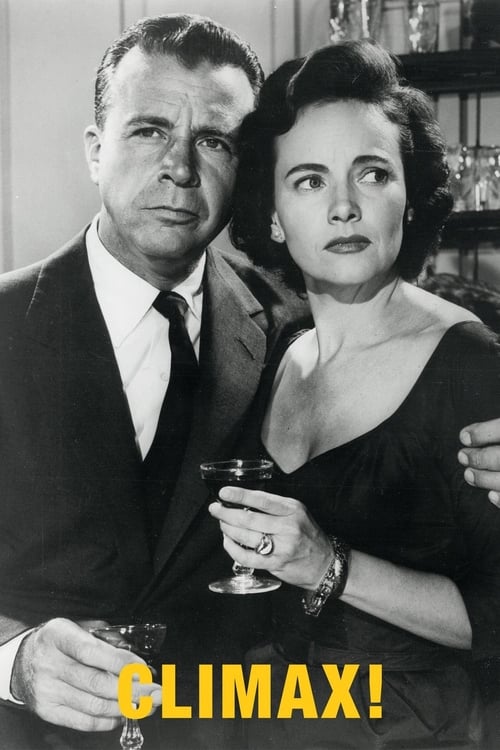
Climax!
3.8

Climax! is an American anthology series that aired on CBS from 1954 to 1958. The series was hosted by William Lundigan and later co-hosted by Mary Costa. It was one of the few CBS programs of that era to be broadcast in color. Many of the episodes were performed and broadcast live.

Climax!

1954
Studio One
5.4

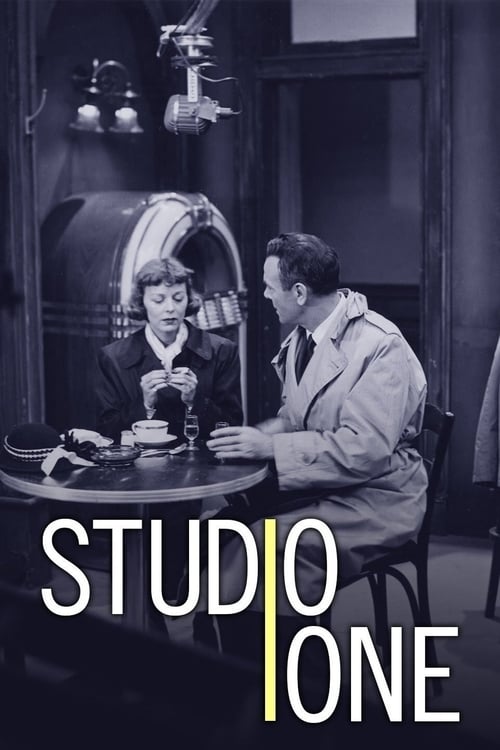
An American radio–television anthology series, created in 1947 by Canadian director Fletcher Markle, who came to CBS from the CBC. Studio One, presented by Westinghouse, was one of the first of the anthology TV programs. The episodes were often abridged remakes of movies from years gone by and many future well-known television and movie actors appeared in the productions.

Studio One

1948
Route 66
6.7

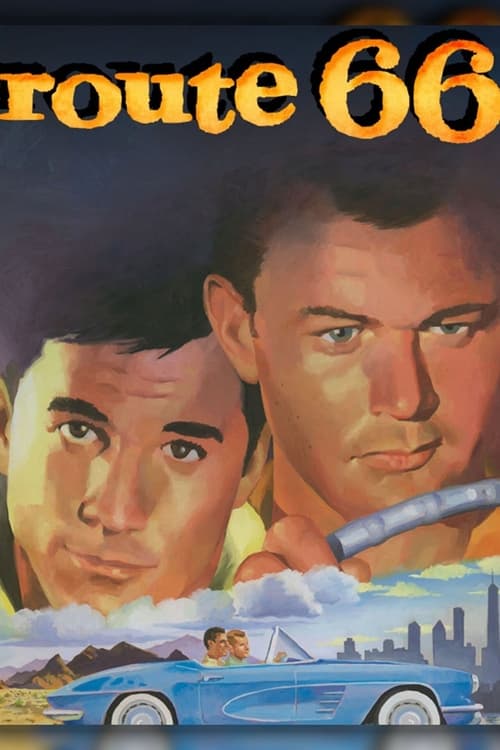
After discovering that his late father has gone through most of the family fortune, Tod Stiles hits the title trans-America highway in his Corvette in search of adventure with friend Buz Murdock, a survivor of New York's mean streets. The two work odd jobs as they meet and interact with colorful characters and find themselves plunged into one situation after another, some of them romantic, some of them very dangerous. Later, Linc Case, a Vietnam war hero trying to find himself, takes over as Tod's travel companion.

Route 66

1960
Matinee Theater
5.3

Matinee Theater is an American anthology series that aired on NBC during the Golden Age of Television, from 1955 to 1958. The series, which ran daily in the afternoon, was frequently live. It was produced by Albert McCleery, Darrell Ross, George Cahan and Frank Price with executive producer George Lowther. McCleery had previously produced the live series Cameo Theatre which introduced to television the concept of theater-in-the-round, TV plays staged with minimal sets. Jim Buckley of the Pewter Plough Playhouse recalled: When Al McCleery got back to the States, he originated a most ambitious theatrical TV series for NBC called Matinee Theater: to televise five different stage plays per week live, airing around noon in order to promote color TV to the American housewife as she labored over her ironing. Al was the producer. He hired five directors and five art directors. Richard Bennett, one of our first early presidents of the Pewter Plough Corporation, was one of the directors and I was one of the art directors and, as soon as we were through televising one play, we had lunch and then met to plan next week’s show. That was over 50 years ago, and I’m trying to think; I believe the TV art director is his own set decorator —yes, of course! It had to be, since one of McCleery’s chief claims to favor with the producers was his elimination of the setting per se and simply decorating the scene with a minimum of props. It took a bit of ingenuity.

Matinee Theater

1955
The Outer Limits
7.8

The Outer Limits is an anthology tv series of self-contained sci-fi-horror stories, sometimes with a plot twist at the end.

The Outer Limits

1963
No image
6.7

Lux Video Theatre is an American anthology series that was produced from 1950 until 1959. The series presented both comedy and drama in original teleplays, as well as abridged adaptations of films and plays.

Lux Video Theatre

1950
No image
N/A

No description available.

The Whistler

1954
The Investigators
6.0

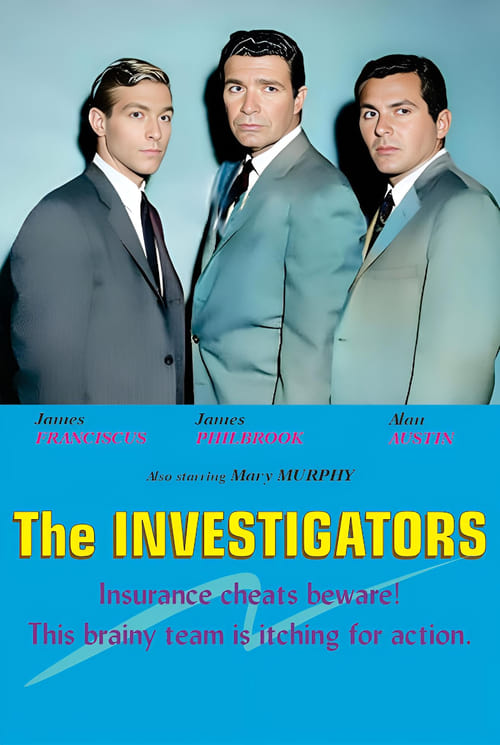
The Investigators is a short-lived American adventure/drama television series that aired on CBS from October 5, to December 28, 1961.

The Investigators

1961
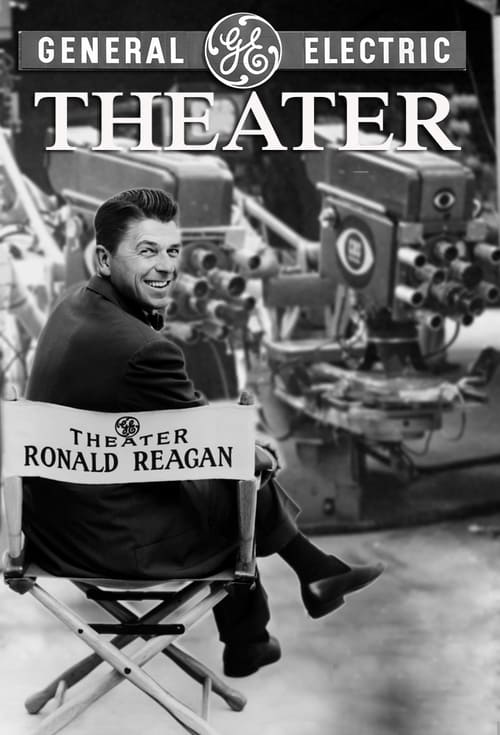
General Electric Theater
6.8

General Electric Theater is an American anthology series hosted by Ronald Reagan that was broadcast on CBS radio and television. The series was sponsored by General Electric's Department of Public Relations.

General Electric Theater

1953
The Chase
7.1

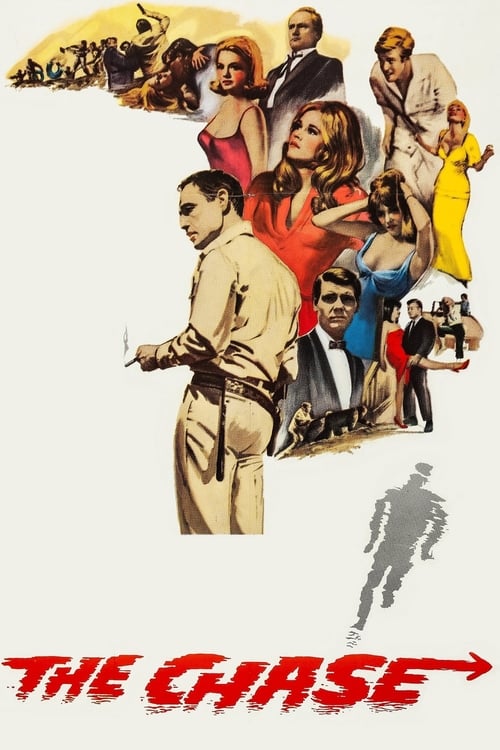
The escape of Bubber Reeves from prison affects the inhabitants of a small Southern town.

The Chase

1966
Dr. Jekyll and Mr. Hyde
7.2

Dr. Henry Jekyll believes that there are two distinct sides to men: one that is good and one that is evil. He believes that by separating the two, man can become liberated. He succeeds in his experiments with chemicals to accomplish this and transforms into Hyde to commit horrendous crimes. When he discontinues use of the drug, it is already too late.

Dr. Jekyll and Mr. Hyde

1931
The Children's Hour
7.6

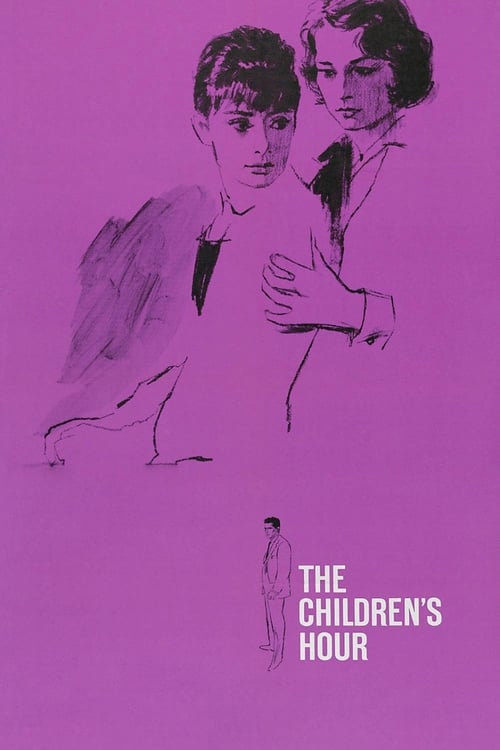
An unruly student at a private all-girls boarding school scandalously accuses the two women who run it of having a romantic relationship.

The Children's Hour

1961
The Heiress
7.8

In 1840s New York, the uneventful and boring days of the daughter of a wealthy doctor come to an end when she meets a dashing poorer man — who may or may not be after her inheritance.

The Heiress

1949
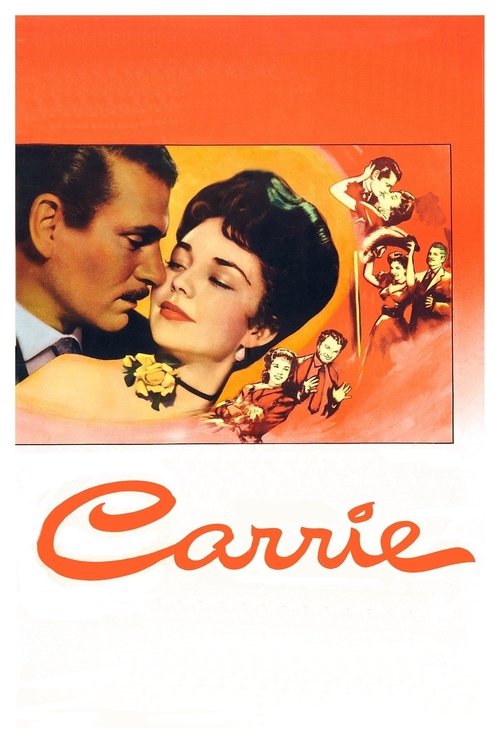
Carrie
6.5

In the late 1890s, the ambitious, innocent Carrie arrives in Chicago’s South Side and stays with her nagging, dullish married sister. She then runs for help to traveling salesman Charles Drouet. She soon becomes his mistress, but falls in love with married restaurant manager George Hurstwood.

Carrie

1952
Trouble in Paradise
7.4

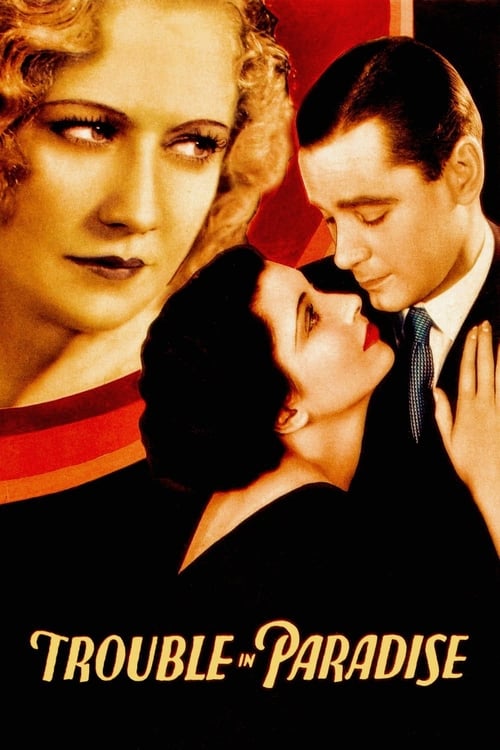
Thief Gaston Monescu and pickpocket Lily are partners in crime and love. Working for perfume company executive Mariette Colet, the two crooks decide to combine their criminal talents to rob their employer. Under the alias of Monsieur Laval, Gaston uses his position as Mariette's personal secretary to become closer to her. However, he takes things too far when he actually falls in love with Mariette, and has to choose between her and Lily.

Trouble in Paradise

1932
Complicated Women
6.9

Looks at the stereotype-breaking films of the period from 1929, when movies entered the sound era, until 1934 when the Hays Code virtually neutered film content. No longer portrayed as virgins or vamps, the liberated female of the pre-code films had dimensions. Good girls had lovers and babies and held down jobs, while the bad girls were cast in a sympathetic light. And they did it all without apology.

Complicated Women

2003
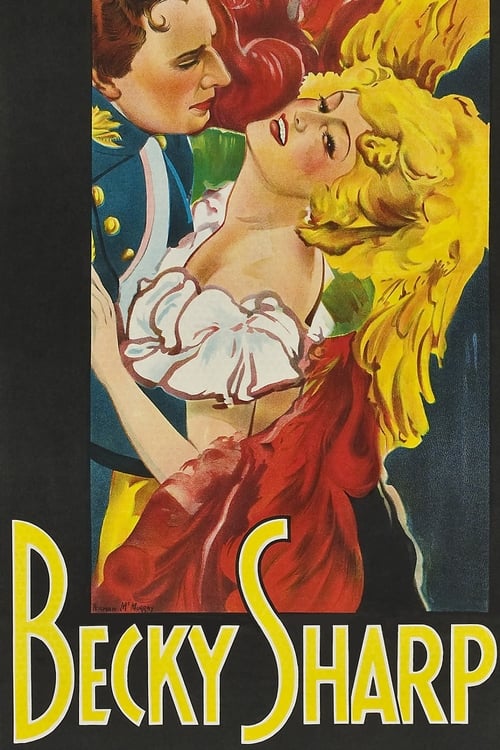
Becky Sharp
5.8

In early 19th century England, ambitious and ruthless orphan Rebecca Sharp advances from the position of governess to the heights of British society. The first feature length film to use three-strip Technicolor.

Becky Sharp

1935
The Story of Temple Drake
6.5

The coquettish granddaughter of a respected small-town judge is stranded at a bootleggers’ hide-out, subjected to an act of nightmarish sexual violence, and plunged into a criminal underworld that threatens to swallow her up completely.

The Story of Temple Drake

1933
The Mating Season
6.6

Ellen McNulty leaves her New Jersey hamburger stand and heads west to pay a surprise visit to her son and his new bride. When Ellen arrives, her daughter-in-law mistakes her for the maid she has hired for a big party they are throwing. Rather than cause any embarrassment, Ellen goes along with the charade, which leads to many complications.

The Mating Season

1951
Fanny Hill
4.1

Young, pretty and innocent, Fanny Hill has lost her parents and must find her way in life amidst the perils of turbulent 18th-century London. She's fortunate enough to rapidly find a place as chambermaid of the effusive Mrs. Brown, who lives in a large house teeming with female 'relatives' in negligée and with very relaxed manners. She also insists that Fanny alone meets various gentlemen who show an ardent interest in her.

Fanny Hill

1964